DbcultAccessing Vault...
Cult Review
Senior Film Conservator
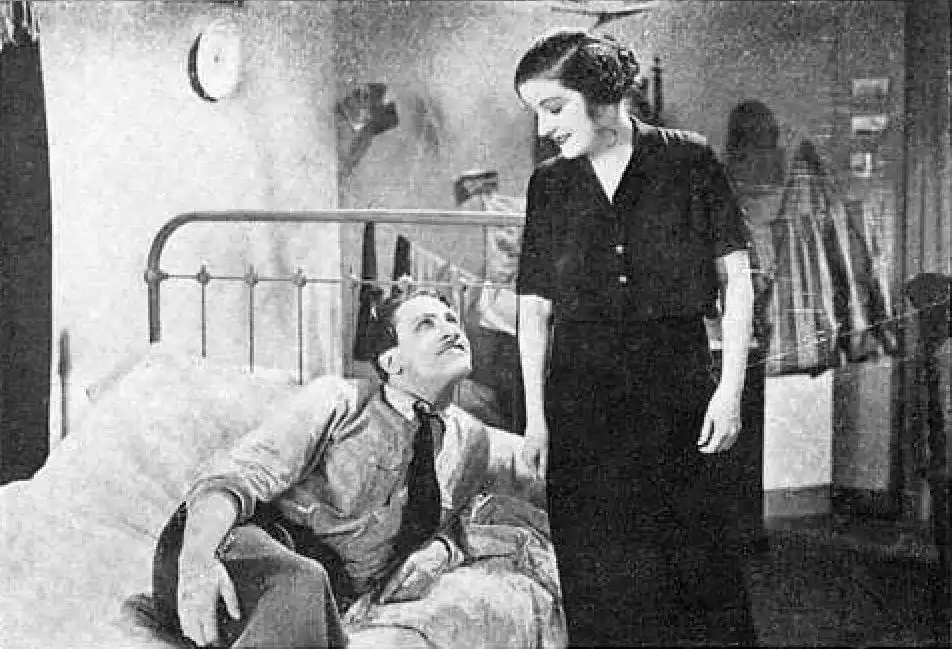
If you have about 90 minutes and a high tolerance for crackly audio, you might find something to like here. Toute sa vie is one of those movies that feels like it’s being shouted at you from across a very busy street.
It is worth watching if you are a completionist for early French cinema. If you want something with actual pacing, you will probably hate this. 🍿
The story is a big, messy emotional journey about a mother. She gives up everything. Everything.
It’s the kind of melodrama that makes modern soap operas look like documentaries. There’s a lot of staring into the middle distance while the music swells way too loud.
I kept thinking about how much better the lighting was in silent films like Filibus. Here, everything looks a bit flat, like they were so worried about the microphones that they forgot to move the lamps.
The main reason anyone still talks about this is Pierre Richard-Willm. He has this incredibly intense face that the camera just loves.
He moves his hands a lot. Like, a lot. I think he was still used to acting for silent films where you had to use your whole body to say 'hello.'
Jean Mercanton is also there, looking very young and slightly confused by the technology. You can almost see the actors waiting for their cue to speak because they aren't sure if the mic is on yet.
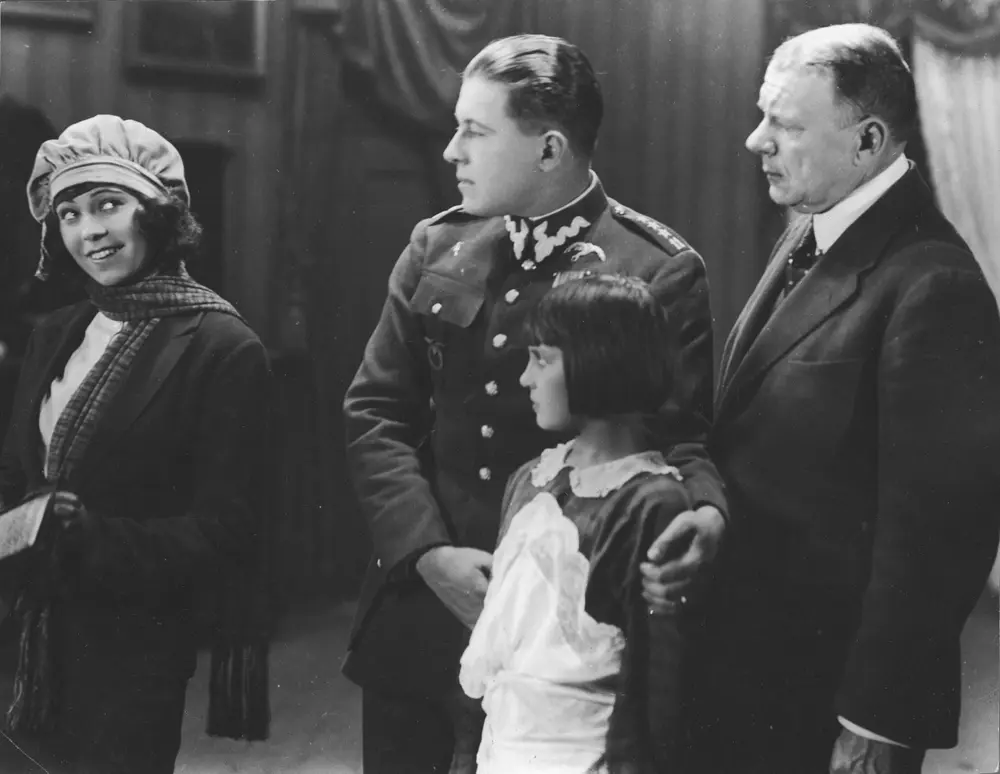
There is a scene in a drawing room where three people are talking at once. It’s a disaster for the ears. 👂
Early sound equipment just wasn't ready for French people talking over each other. It sounds like a bag of silverware falling down the stairs.
But the costume design? That is actually pretty good. Marcelle Chantal wears a couple of dresses that look like they belong in Ladies Must Dress.
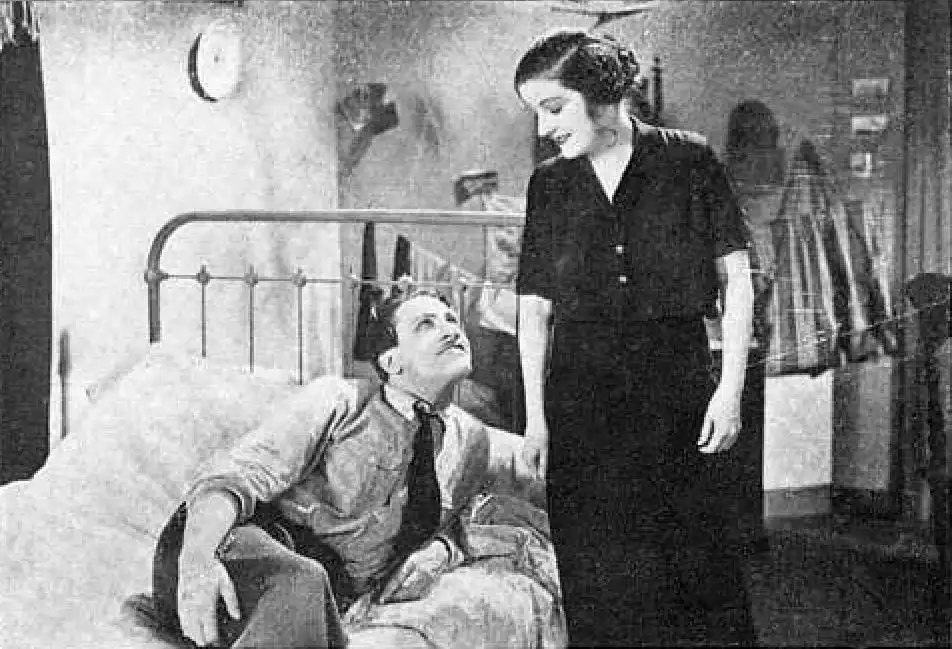
I found myself wondering if the writers, Timothy Shea and Jean Aragny, actually liked mothers. The main character suffers so much it becomes almost funny by the third act.
It reminded me of the heavy-handed drama in Lucretia Lombard, but with more French sighing. So much sighing.
One guy in the back of a cafe scene is just eating bread. He is the most natural person in the whole movie. I wanted to know his story instead.
The movie gets slightly better when it stops trying to be a 'big statement' and just lets the actors exist. There’s a quiet moment near a window where the light hits just right, and for two seconds, it feels like a real movie.
Then someone starts screaming again. Oh well.
The pacing is very 'stop and go.' It feels like a car with a bad transmission. You think it's moving, then it jerks to a halt for a five-minute conversation about honor.
It’s not as fast as something like Speeding Through, that's for sure. It’s more of a slow crawl through a very damp garden.
I did appreciate the ending, even if it was predictable. It has that 1930s 'everything is sad but also noble' vibe that feels very specific to that era.
Do I regret watching it? Not really. But I did have to take an aspirin afterward because of the audio hiss. It’s a lot of hiss.
If you're looking for a light afternoon watch, maybe try Twenty Dollars a Week instead. This one is for the students of the struggle.
Also, there is a dog in one scene that looks very bored. I related to that dog deeply. 🐶
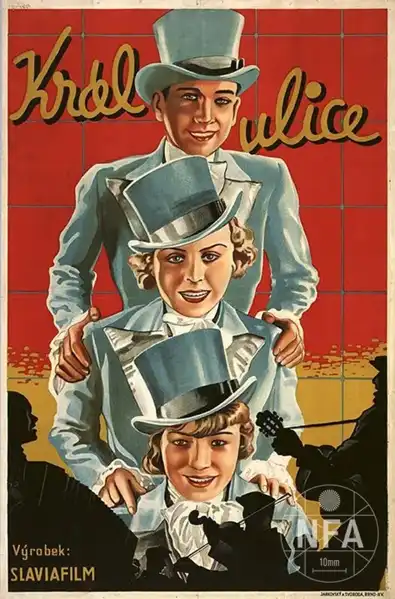
Final thought: The movie tries so hard to be profound that it forgets to be interesting. But the hats are great.
IMDb 4
1935
Community
Log in to comment.