DbcultAccessing Vault...
5.8/10
Senior Film Conservator
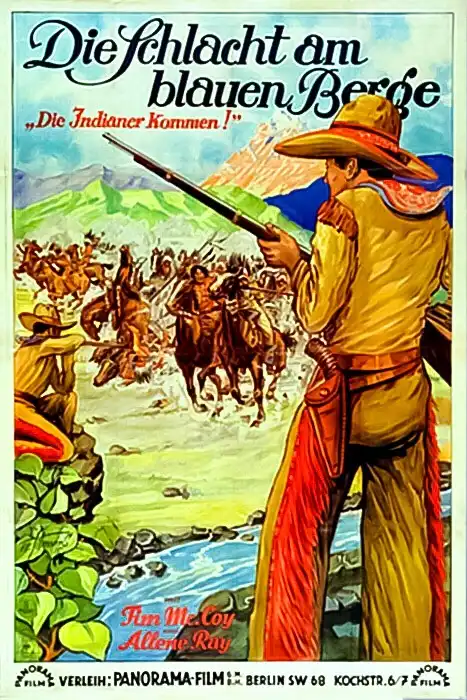
A definitive 5.8/10 rating for a film that redefined the boundaries of cult cinema. The Indians Are Coming remains a cornerstone of transgressive art.
Is "The Indians Are Coming" worth digging up today? Well, that depends entirely on what you're looking for. If you're someone who loves the history of film, especially those early Westerns with their silent grit and clear-cut good guys and bad guys, then yeah, absolutely give this a watch. It’s a neat little time capsule. But if you're hoping for complex plots or anything resembling modern pacing, you'll probably find it a bit of a slog. This one’s really for the dedicated enthusiasts, the folks who get a kick out of seeing how it all began. 🎞️
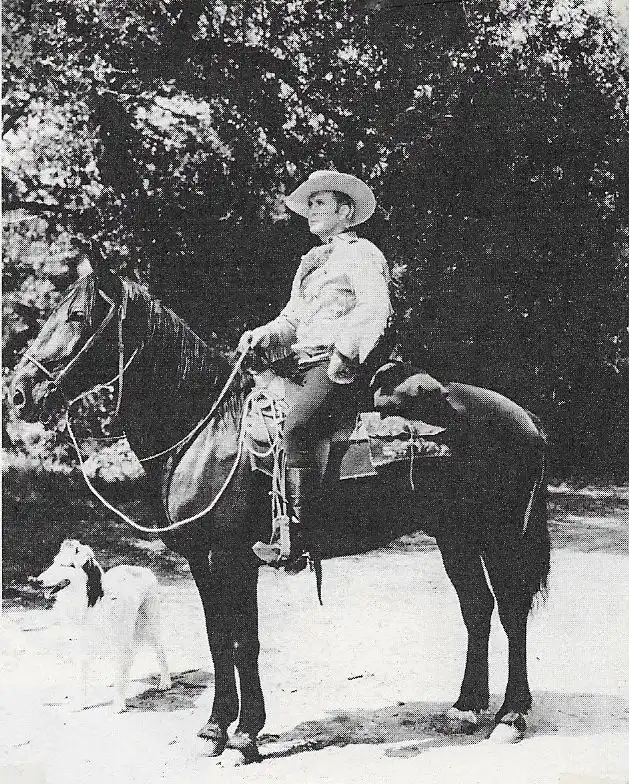
We kick things off with Jack Manning, played by the very square-jawed Tim McCoy. He rides into town, bringing a message that gold has been found in California. This message is for Tom Woods and his niece Mary, whose brother/uncle George is the lucky prospector. Francis Ford, John Ford's brother, pulls dual duty as both Woods brothers, which is a neat touch you might miss if you blink.
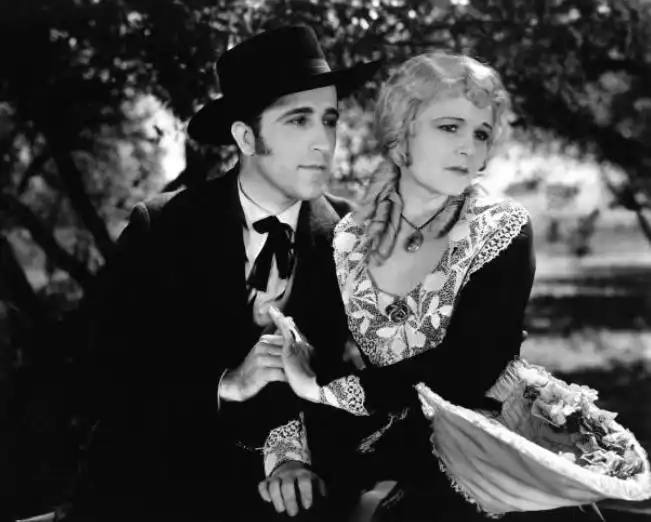
Almost immediately, Jack and Mary, played by Allene Ray, starts giving each other those looks. It's the kind of silent film romance that blossoms faster than a desert flower after a rainstorm. You know exactly where this is headed. 💘
Then there's Rance Carter, the main villain, played by Wilbur McGaugh. He’s just bad news from the moment he shows up. He wants Mary, and he’s not subtle about it. You can almost see the gears turning in his head, plotting how to get rid of Jack.
One scene, Carter tries to sabotage Jack’s horse. It’s a classic move. You don't see all the details. Just enough to know he's up to no good. The way he slinks off afterwards, almost too casually, it just screams "guilty."
This whole setup leads to the big trek – a wagon train heading out to California. And this is where the "Indians are coming" part of the title starts to make sense. Carter, being the scoundrel he is, decides to stir up trouble with the local tribes. He basically tries to frame Jack, making it look like he's the one causing the problems.
It’s interesting how these old films handle the "Indian threat." Here, they're mostly a tool for the villain, not really characters themselves. It's a product of its time, for sure. You see a lot of riding, some arrows flying, but the focus is always on the settlers and Carter's dastardly plan.
There's a moment when the wagon train is crossing a river, and it looks genuinely tough. The horses are pulling hard, the wagons are swaying. You can almost feel the struggle, even without sound. They really put those stunt people through it back then.
And then there's Dynamite the Dog! 🐶 He pops up a few times, usually when someone needs saving or an alarm needs barking. His presence feels a little... convenient. Like, "oh, the hero needs help, here's the dog!" But hey, a good dog is always welcome, even if his motivations aren't deeply explored.
The action sequences are pretty typical for a silent Western. Lots of galloping horses, some theatrical fistfights where punches don't always quite connect, but you get the idea. One specific chase scene, Tim McCoy on horseback, feels pretty energetic. He was known for his riding, and it shows.
The intertitles, those bits of text on screen, are sometimes a little clunky. They deliver the dialogue and plot points. "The Indians are coming!" appears more than once, naturally. It gives the film a certain charm, but also reminds you how much cinema has evolved.
What struck me was Francis Ford in his dual role. It's not a huge part for either brother, but seeing the same actor play two distinct (if not deeply explored) characters is a neat little trick. You can tell them apart, but it’s still a fun bit of casting.
The film keeps building towards this confrontation between Jack and Carter. It’s not subtle. Carter's crooked smile and shifty eyes pretty much telegraph every move he's going to make. You’re just waiting for Jack to finally catch on, or for Mary to realize who the real jerk is.
There’s a scene where Carter tries to ambush Jack, and it involves a rockslide. It's filmed in a way that feels a bit staged now, but for 1927, it probably got some gasps. The drama is less about realism and more about the simple tension of "will the hero escape?"
Overall, it’s a straightforward story. Good versus evil, a pretty girl, and some dusty adventure. It doesn't try to reinvent the wheel, and maybe that's its strength. It just *is* what it is. A classic Western, complete with all the tropes. No deep philosophical ponderings here. Just cowboys and, well, the other guys.
IMDb 4.5
1922
Community
Log in to comment.