DbcultAccessing Vault...
Cult Review
Senior Film Conservator
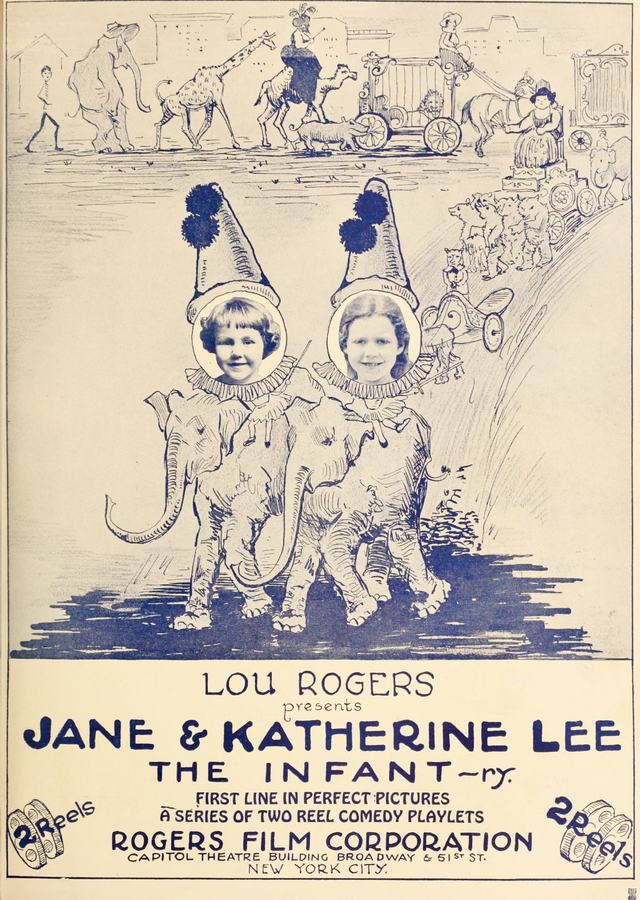
In the annals of early cinema, certain works, despite their profound impact and artistic merit, occasionally recede into the shadows of more widely celebrated contemporaries. Philip Bartholomae's 'The Infant-ry' is one such magnificent, yet often overlooked, gem. Released in an era brimming with cinematic innovation, this film transcends its seemingly simple premise to deliver a surprisingly sophisticated and emotionally resonant narrative. It is a testament to the burgeoning power of the moving image to capture the raw, unvarnished complexities of human experience, all without a single spoken word. The film, a dazzling showcase for the talents of Katherine Lee and Jane Lee, alongside Bartholomae's insightful writing, presents a vivid tableau of domestic upheaval and profound personal evolution, wrapped in a surprisingly effective blend of slapstick comedy and poignant drama.
At its core, 'The Infant-ry' is a story of two sisters, Eleanor (Katherine Lee) and Lillian (Jane Lee), thrust into an unimaginable predicament. Their inheritance, a dilapidated yet grand estate, hinges precariously on their ability to care for a dozen foundling infants for a full year. This stipulation, a brilliant narrative device by Bartholomae, immediately sets the stage for both comedic chaos and deep introspection. Eleanor, portrayed with a remarkable rigidity by Katherine Lee, embodies the Victorian ideal of decorum and order. Her initial interactions with the wailing, unpredictable 'infantry' are a masterclass in physical comedy, her exasperated expressions and flustered gestures speaking volumes. Jane Lee's Lillian, on the other hand, offers a more vivacious, if initially equally overwhelmed, counterpoint. Her youthful exuberance and initial romanticized view of motherhood quickly collide with the arduous realities of round-the-clock childcare. The interplay between these two distinct personalities forms the emotional backbone of the film, charting their arduous journey from reluctant guardians to deeply devoted caregivers.
Philip Bartholomae, primarily known for his theatrical works, brings a distinct structural precision and an acute understanding of character dynamics to 'The Infant-ry'. His narrative is less about grand external conflicts and more about the internal struggles and small victories inherent in nurturing life. The film's strength lies in its meticulous pacing, which allows for both uproarious comedic sequences and moments of quiet, profound tenderness. The 'infantry' itself, a collective character of squalling, crawling, utterly demanding toddlers, is orchestrated with a sense of delightful pandemonium. These scenes are not merely chaotic; they are a carefully choreographed ballet of tiny hands, flailing limbs, and erupting cries, all serving to underscore the overwhelming nature of the sisters' task. The genius of Bartholomae's writing is how he transforms this relentless onslaught into a crucible for the sisters' growth, forcing them to shed their preconceived notions and embrace a more instinctive, selfless form of love.
The visual storytelling, a cornerstone of silent cinema, is particularly effective here. The director (whose name is tragically lost to time, a common occurrence for many early films) employs a variety of shots to convey the sisters' escalating predicament. Wide shots emphasize the sheer volume of infants, often engulfing the two women in a sea of tiny bodies and demands. Close-ups, on the other hand, reveal the subtle shifts in Eleanor's stern demeanor, the gradual softening of her eyes, and the deepening lines of affection that replace her initial exasperation. Lillian's transformation is equally compelling, her initial carefree spirit giving way to a grounded, maternal resolve. This visual language, devoid of dialogue, compels the audience to read every gesture, every facial twitch, every interaction with the utmost attention, creating an immersive and deeply empathetic viewing experience.
Katherine Lee delivers a performance of remarkable depth and nuance as Eleanor. Her initial portrayal of a woman ill-equipped for, and fundamentally resistant to, the demands of motherhood is both convincing and subtly humorous. The arc of her character, from a woman obsessed with order and propriety to one whose heart expands to encompass a dozen tiny lives, is meticulously crafted. Lee's physicality, her stiff posture slowly relaxing, her gestures becoming more fluid and maternal, is a masterclass in silent acting. She doesn't just react to the babies; she gradually connects with them, her expressions shifting from annoyance to genuine warmth and concern. This nuanced transformation is truly the emotional anchor of the film.
Jane Lee, as Lillian, provides a vibrant counterpoint. Her youthful energy and less rigid adherence to societal expectations make her initially more adaptable, though equally overwhelmed. Lillian's journey is one of tempering idealism with practicality, of finding joy amidst the relentless demands. Jane Lee's expressive face and dynamic movements perfectly capture Lillian's struggle and eventual triumph. Together, the Lee sisters craft a believable, evolving sisterly bond, their shared ordeal forging an unbreakable connection. Their performances elevate 'The Infant-ry' beyond a mere domestic farce, imbuing it with genuine emotional weight and a powerful message about the unconventional paths to fulfillment.
'The Infant-ry' delves into several timeless themes that continue to resonate with contemporary audiences. The most prominent is, of course, the nature of motherhood and family. The film challenges conventional notions of what constitutes a 'mother' and a 'family,' suggesting that love and responsibility can blossom in the most unexpected circumstances. It’s a powerful argument for chosen family and the idea that nurturing is a learned, not purely innate, quality. The film also subtly critiques societal expectations placed upon women, particularly those who, like Eleanor and Lillian, might not have envisioned a domestic, child-rearing future for themselves. Their initial reluctance and eventual embrace of their roles speak to a broader societal shift in understanding women's agency and capabilities.
Furthermore, the film explores the theme of inheritance and legacy, not just in terms of property, but in the more profound sense of what we leave behind and what truly enriches a life. The crumbling estate symbolizes the sisters' own lives before the infants – grand but empty. The vibrant chaos brought by the children breathes new life into the old structure, just as it revitalizes the sisters' spirits. This thematic richness elevates 'The Infant-ry' far beyond a simple comedic premise, positioning it as a thoughtful exploration of human purpose and connection. While a film like The Libertine might explore societal decadence through a different lens, 'The Infant-ry' finds its profundity in the everyday, the mundane transformed into the miraculous.
Comparing 'The Infant-ry' to other films of its era provides valuable context for its unique contributions. While films like Jim Grimsby's Boy also delved into themes of child guardianship and the challenges faced by unconventional families, 'The Infant-ry' distinguishes itself through its sheer scale of infant chaos and its focus on the transformative journey of the caregivers rather than solely the plight of the child. The sheer number of babies presents a logistical and emotional challenge that few films dared to tackle with such comedic gusto and genuine warmth. It's a testament to the film's innovative spirit that it manages to balance the inherent difficulties of childcare with moments of profound joy and connection.
Furthermore, in an era where melodramas like Jilted Janet often focused on romantic entanglements and societal scandals, 'The Infant-ry' offered a refreshing pivot towards the domestic sphere, demonstrating that compelling drama and heartfelt emotion could be found in the most intimate of settings. It eschewed the grand gestures of a film like The High Hand, which relied on external thrills, opting instead for the intricate, internal drama of human connection. The film's ability to extract both humor and pathos from the seemingly mundane tasks of feeding, bathing, and comforting a dozen infants is truly remarkable, showcasing a keen understanding of the human condition and the universal experiences of caregiving.
The production design, though perhaps simple by modern standards, effectively communicates the sisters' journey. The initial sterility of the estate, with its grand but sparsely furnished rooms, gradually gives way to a lived-in warmth, cluttered with toys, blankets, and the undeniable signs of a thriving, if messy, home. This visual transformation mirrors the sisters' internal growth. Similarly, the costume design, particularly for Eleanor, reflects her character arc; her initially stiff, formal attire slowly giving way to more practical, yet still elegant, garments as she embraces her new role. The film's aesthetic choices are deliberate and contribute significantly to its narrative power, proving that less can indeed be more when executed with thoughtful precision.
'The Infant-ry' is more than just a historical curiosity; it is a film that continues to resonate because its core themes are universal. The struggle to adapt to unexpected challenges, the transformative power of love, and the complex dynamics of family are narratives that transcend time and cultural boundaries. Philip Bartholomae's screenplay, combined with the stellar performances of Katherine Lee and Jane Lee, creates a cinematic experience that is both entertaining and deeply moving. It reminds us that heroism isn't always found on battlefields or in grand adventures, but often in the quiet, persistent dedication to nurturing life, even when that life comes in a dozen tiny, demanding packages.
In an era dominated by rapid industrialization and societal change, 'The Infant-ry' offered a heartwarming antidote, a celebration of the enduring human capacity for compassion and resilience. It's a film that speaks to the heart, leaving viewers with a profound sense of warmth and an appreciation for the messy, beautiful chaos of life. Its influence can be subtly traced through subsequent films that explore domestic comedies and dramas, proving that a well-told story, even without spoken words, can leave an indelible mark. It stands as a testament to the pioneering spirit of early cinema, an art form that, even in its nascent stages, was capable of capturing the most intricate facets of the human condition with astonishing clarity and emotional depth.
The film also masterfully employs comedic relief to punctuate its more dramatic moments. The sheer absurdity of two refined women grappling with the relentless demands of twelve infants provides countless opportunities for physical comedy, from disastrous feeding attempts to chaotic bathing scenes. These moments, while humorous, never detract from the underlying emotional sincerity. Instead, they serve to humanize the characters, making their struggles relatable and their eventual triumphs all the more satisfying. It is this delicate balance between humor and heart that truly sets 'The Infant-ry' apart from many of its contemporaries, establishing it as a work of enduring charm and profound insight. It reminds us that even in the most overwhelming circumstances, there is always room for laughter, and that sometimes, the greatest challenges lead to the most unexpected and fulfilling rewards.
Revisiting 'The Infant-ry' today is an enriching experience. It offers a window into the narrative techniques and acting styles prevalent in early 20th-century cinema, while simultaneously delivering a story that feels remarkably fresh and relevant. The film's exploration of unconventional family structures, personal growth through adversity, and the profound impact of selfless love continues to resonate. It encourages viewers to look beyond superficial appearances and to find the inherent beauty and strength in unexpected connections. Philip Bartholomae, Katherine Lee, and Jane Lee, through this remarkable collaboration, created a work that deserves its rightful place in the pantheon of classic silent films, a true cinematic treasure that reminds us of the power of the human spirit to overcome, to nurture, and to love, against all odds.
The film's subtle commentary on class and societal expectations is also worth noting. Eleanor and Lillian, hailing from a background of inherited, if dwindling, wealth, are initially ill-prepared for the hands-on realities of childcare. Their journey forces them to shed their aristocratic aloofness and engage with a more grounded, practical existence. This subtext adds another layer of depth to the narrative, suggesting that true wealth lies not in material possessions or social standing, but in the richness of human connection and the selfless act of caring for others. It’s a quiet but potent message, delivered with elegance and conviction, making 'The Infant-ry' a film that continues to offer new insights with each viewing.
IMDb 4.8
1933
Community
Log in to comment.