DbcultAccessing Vault...
6.2/10
Senior Film Conservator
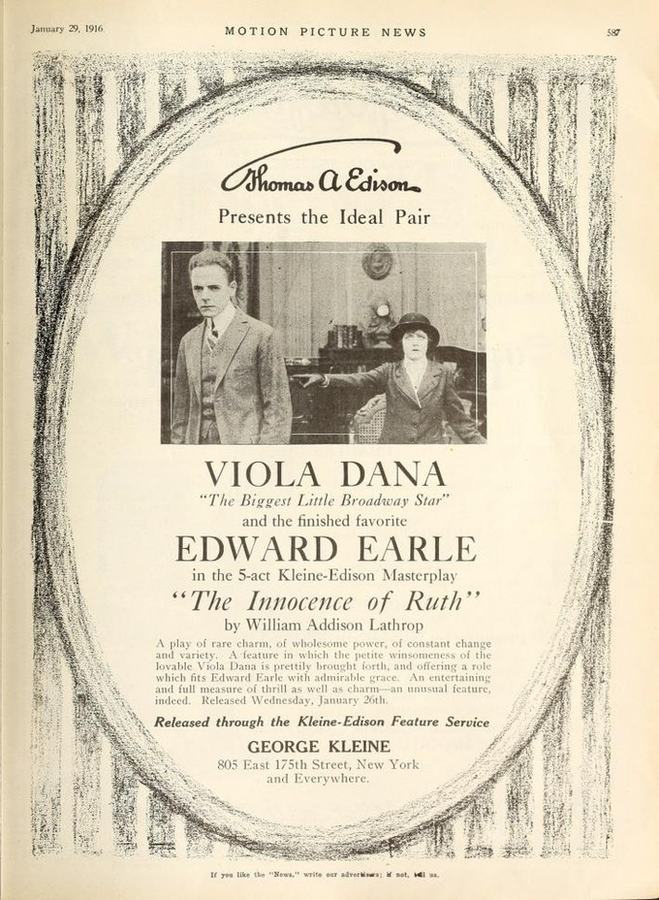
A definitive 6.2/10 rating for a film that redefined the boundaries of cult cinema. The Innocence of Ruth remains a cornerstone of transgressive art.
There are certain cinematic narratives that, regardless of their vintage, resonate with an almost primal emotional force, their themes of virtue tested and humanity redeemed echoing across generations. William Addison Lathrop's The Innocence of Ruth stands as a remarkable testament to this enduring power. More than just a relic from an earlier epoch of filmmaking, this picture unfurls a richly textured drama that delves deep into the moral complexities of its characters, set against a backdrop of societal judgment and personal transformation. It's a film that demands more than a cursory glance; it invites an immersive journey into the heart of human frailty and the boundless capacity for grace.
At the narrative's core is Jimmy Carter, portrayed with compelling nuance by Edward Earle. We first encounter Carter as a figure steeped in the languid luxury of an unearned fortune, his life a monotonous cycle of indulgent whims and social frivolities. He embodies a certain archetype of the Gilded Age elite – detached, comfortable, yet ultimately unfulfilled. His existence, however, is dramatically upended by a deathbed plea from his old friend, Reginald Travers. Travers, a man tragically undone by the predatory financial machinations of the villainous Mortimer Reynolds, entrusts his most precious possession, his young daughter Ruth, into Carter's care. This solemn vow, uttered in the shadow of impending mortality, becomes the unexpected catalyst for Carter’s profound metamorphosis. It's a classic setup, certainly, but one that Lathrop imbues with a potent emotional undercurrent, suggesting that even the most jaded heart can be reawakened by a genuine moral imperative.
Viola Dana, in the titular role of Ruth, is nothing short of captivating. Her portrayal of innocence is not merely a passive state but an active force, a quiet strength that gradually permeates Carter's opulent but emotionally barren household. Under the solicitous eye of Mrs. Jenkins, the benevolent housekeeper, Ruth finds a semblance of stability, but it is her ethereal charm and unyielding purity that truly begin to chip away at Carter's cynical veneer. The film masterfully illustrates this subtle transformation: his "morning nip" loses its allure, the clamor of his former "gay life" recedes into an unwelcome echo, replaced by a nascent, unfamiliar warmth. This isn't merely a dutiful guardianship; it’s the slow, tender blossoming of a love that transcends the conventional, evolving from protective sympathy into something deeply affectionate and, ultimately, romantic. Earle’s subtle shifts in demeanor, from initial bemusement to genuine tenderness, are a masterclass in understated acting, conveying a seismic internal shift without a single spoken word – a true hallmark of the silent film era's expressive power.
No compelling drama is complete without a formidable antagonist, and Brad Sutton's Mortimer Reynolds is a character of truly reptilian malevolence. Reynolds is not content with merely ruining Travers; his depraved ambition extends to ensnaring Ruth in his web of misfortune, a testament to his insatiable cruelty. He manipulates his mistress, Edna Morris (Lena Davril), into befriending Ruth, a calculated move to gain the innocent girl's confidence and, presumably, to further his nefarious schemes. This manipulation sets up a simmering tension between Carter and Reynolds, escalating into outright enmity as Reynolds's sarcastic barbs regarding Carter's relationship with Ruth expose his truly venal nature. Sutton imbues Reynolds with a chilling blend of urbanity and viciousness, making him a truly loathsome figure whose actions drive much of the plot's tragic momentum.
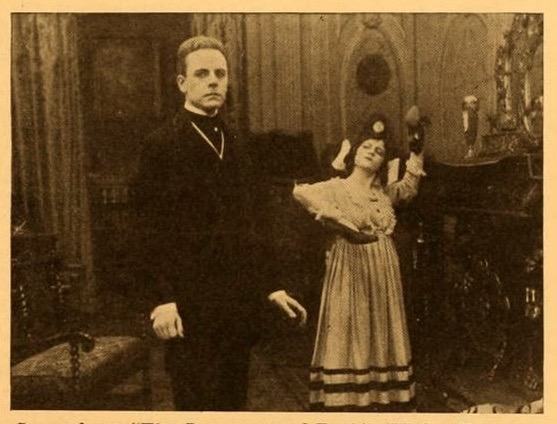
The film meticulously builds towards a moment of profound emotional intensity. Carter, overwhelmed by his burgeoning feelings for Ruth, succumbs to a moment of "ecstasy," crushing her in his arms. This scene, fraught with both tenderness and a hint of paternalistic possessiveness, foreshadows the misunderstanding that is soon to engulf their fragile bond. It's a delicate dance of emotions, where the purity of intent can be so easily misconstrued by a cynical world. The narrative then shifts to the Charity Ball, a grand social tableau where Ruth is participating. Here, the machinations of Reynolds and Edna converge. Edna, fearful of her master's wrath, desperately attempts to ingratiate herself with Ruth. Carter, ever vigilant, observes this interaction with a growing sense of unease, his protective instincts flaring. His abrupt decision to take Ruth home, refusing to offer an explanation, sets the stage for the devastating miscommunication that follows, a classic dramatic device that Lathrop employs with devastating effect.
The film reaches its emotional nadir in the aftermath of the Charity Ball. In a cruel twist of fate, Edna encounters Ruth in the park the following day and, perhaps driven by her own desperation or Reynolds's malevolent influence, unleashes a torrent of venomous accusations. "Why should he object to me, pray?" she sneers, "Everybody knows that your father didn't leave you a penny, and that you are living on the, shall I say, generosity, of Mr. Carter." This brutal revelation, delivered with such calculated malice, shatters Ruth's innocent perception of her world. The implication – that she is seen as Carter's mistress, a kept woman – is a wound far deeper than any physical blow. Viola Dana's portrayal of Ruth's shock and subsequent fury is heart-wrenching. Her screams of "hatred" directed at Carter, born of a profound sense of betrayal and humiliation, are a visceral expression of a pure spirit unjustly sullied. This scene is a powerful indictment of societal gossip and the ease with which reputations can be irrevocably tarnished by insinuation and circumstance.
Driven by a whirlwind of despair and indignation, Ruth flees to Edna’s apartment, a decision that plunges her further into the abyss. It is here that Reynolds, a predator sensing weakness, finds her. The scene that unfolds is chillingly depicted: he forces her to partake of his wines, slowly intoxicating her, his "fiendish lust" a palpable threat. When Carter, frantic with worry and desperately searching for her, discovers Ruth in this compromised state – "stupefied and disheveled" – his heart breaks. The visual evidence, combined with the earlier societal whispers, leads him to a devastating, albeit understandable, misjudgment. He looks upon her "contemptuously," his disgust and heartache palpable, convinced that she has "gone the way of Edna." This moment is the film's most tragic, illustrating the devastating power of appearances and the fragile nature of trust when confronted with damning circumstantial evidence. It is a stark reminder of how easily good intentions can be twisted and how quickly love can turn to despair when understanding falters.
Just when all hope seems lost, a beacon of unexpected compassion emerges in the form of Mrs. Morris, Edna's mother. Nellie Grant delivers a performance of quiet dignity and profound empathy as this country woman, prompted by an inexplicable maternal intuition, arrives at her daughter's apartment. Witnessing the wreckage of lives, she extends an olive branch, taking both Ruth and Edna back to her humble cottage in the country. Her hope is simple yet profound: that they might "forget and begin life anew." This act of selfless kindness provides a much-needed respite from the urban decay and moral corruption, offering a sanctuary where healing can begin. It’s a powerful narrative choice, demonstrating that redemption often arrives from the most unexpected quarters, and that compassion can bridge chasms of despair.
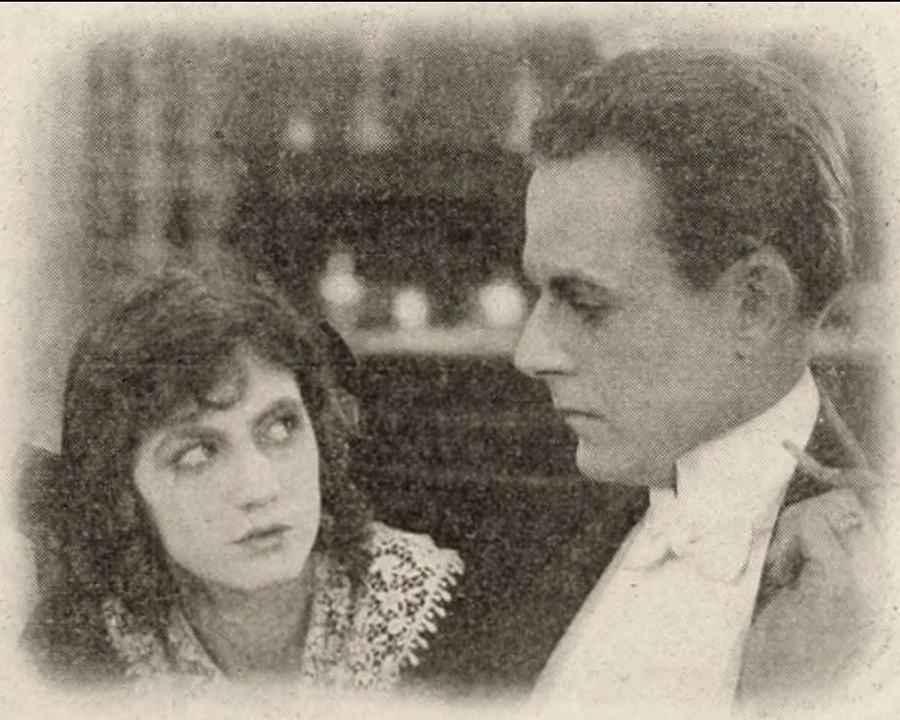
Meanwhile, the architect of this widespread misery, Mortimer Reynolds, finally faces his comeuppance. His financial affairs, having taken a precipitous turn for the worse, attract the attention of the authorities. Sought by the police for forgery, he attempts a desperate escape, but justice, in this case, is swift and absolute. He is caught, thus "made to pay for the misery and misfortune which he has brought upon others." This swift retribution for the villain provides a satisfying, if not entirely redemptive, closure to his arc, reinforcing the film's underlying moral compass. It's a classic cinematic trope, but effective in its execution, ensuring that the scales of justice are balanced.
Ruth, though safe, remains consumed by despair, the weight of Carter's misunderstanding a crushing burden on her soul. Her "peace" is elusive, shattered by the contempt she believed he held for her. Yet, in another remarkable turn, it is Edna – the very individual who, unwittingly or otherwise, dragged Ruth into the "darkness and degradation" – who now becomes her guide back to the "light of hope." This complex dynamic between Ruth and Edna adds a layer of psychological depth to the film. Edna's own journey of penitence and her subsequent efforts to uplift Ruth suggest that even those who fall prey to temptation or manipulation can find a path to redemption by helping others. It’s a poignant portrayal of shared humanity and the transformative power of empathy.
The culmination of The Innocence of Ruth is a deeply moving testament to the enduring power of love and forgiveness. The once "impetuous Ruth," tempered by her trials and tribulations, is at last "folded in the arms of Carter." This final embrace is not merely a reunion; it is a profound reconciliation, a healing of past wounds and a reaffirmation of a bond forged in adversity. She knows "that there only will she find eternal happiness and peace of soul." It's a resolution that feels earned, a triumph of genuine affection over societal prejudice, misunderstanding, and malevolent intent. The film, through its intricate plot and compelling character arcs, champions the idea that true love can see beyond superficial appearances and withstand the most severe tests.
William Addison Lathrop's screenplay is a marvel of dramatic construction, weaving together threads of melodrama, social commentary, and character study with remarkable skill. The pacing, though reflective of its era, allows for deep emotional resonance, letting the audience fully absorb the gravity of each turn of events. While direct comparisons might be challenging given the unique blend of its themes, one might draw parallels to the moral complexities explored in films like The Naked Truth or the intricate character dynamics seen in Body and Soul, both of which delve into the vulnerabilities of individuals against societal pressures or personal failings. Even the grand, redemptive arc of a story like Kilmeny shares a spiritual kinship with Ruth's journey.
In conclusion, The Innocence of Ruth is far more than a period piece; it is a timeless narrative that explores the fragility of reputation, the corrosive nature of unchecked avarice, and the ultimately redemptive power of unwavering love and compassion. Edward Earle, Viola Dana, and Brad Sutton deliver performances that elevate the material, making their characters' struggles and triumphs profoundly affecting. This film serves as a poignant reminder that true innocence is not merely the absence of experience, but the resilience of spirit that can emerge unblemished from the crucible of adversity. It is a cinematic experience that stays with you, prompting reflection on the societal forces that shape our perceptions and the enduring strength of the human heart to find its way back to peace and happiness. A true gem, deserving of contemporary re-evaluation and appreciation for its rich emotional landscape and masterful storytelling.
IMDb 5.5
1917
Community
Log in to comment.