DbcultAccessing Vault...
6.6/10
Senior Film Conservator
A definitive 6.6/10 rating for a film that redefined the boundaries of cult cinema. The Iron Rider remains a cornerstone of transgressive art.
Is The Iron Rider a lost masterpiece or a dusty relic of a bygone era? Short answer: It is a vital piece of stunt history, but modern audiences will find the narrative as thin as a desert shadow. This film is for the cinephile who wants to see where the DNA of modern action choreography began; it is definitely not for those who demand psychological depth or a fast-moving, dialogue-heavy plot.
This film works because it showcases the raw, unpolished athleticism of Yakima Canutt before he became the industry's premier stunt coordinator. This film fails because its plot is a standard 'revenge by numbers' affair that lacks the narrative complexity found in contemporary dramas like The Secret Orchard. You should watch it if you have an appreciation for the silent era's ability to tell a story through pure physicality and landscape.
Yes, The Iron Rider is worth watching if you are a student of film history or a fan of Western tropes. It offers a rare glimpse into the early career of Yakima Canutt, the man who would eventually teach John Wayne how to walk and fall. While the story is simple, the execution of the chase scenes provides a foundational look at how action was captured in the 1920s. It is a lean, functional piece of entertainment that delivers exactly what it promises: a man, a horse, and a grievance.
The most striking element of The Iron Rider isn't the script—it's the movement. Yakima Canutt doesn't just act; he occupies the frame with a kinetic energy that was rare for the period. In an era where many actors were still transitioning from the exaggerated gestures of the stage, Canutt brought a grounded, rodeo-born realism to the screen. Every time he mounts his horse, Boy, there is a fluidity that feels modern. It’s basic. But it works.
Consider the scene where Yak first realizes he has been cheated. The camera lingers on his face, and while the 'acting' is broad, the way he carries his body suggests a coiled spring. This is a man who is most comfortable in motion. When compared to the more theatrical performances in The Gay Lord Quex, Canutt’s performance feels like a precursor to the gritty anti-heroes of the 1970s. He isn't interested in being liked; he's interested in being effective.
The stunts, though primitive by today’s standards, possess a terrifying lack of safety that gives the film a visceral edge. There are no green screens here. When Yak chases the outlaws through the brush, the danger to both man and horse is palpable. This authenticity is something modern CGI-heavy Westerns often struggle to replicate. It’s the same raw energy found in Alice at the Rodeo, where the spectacle is the primary draw.
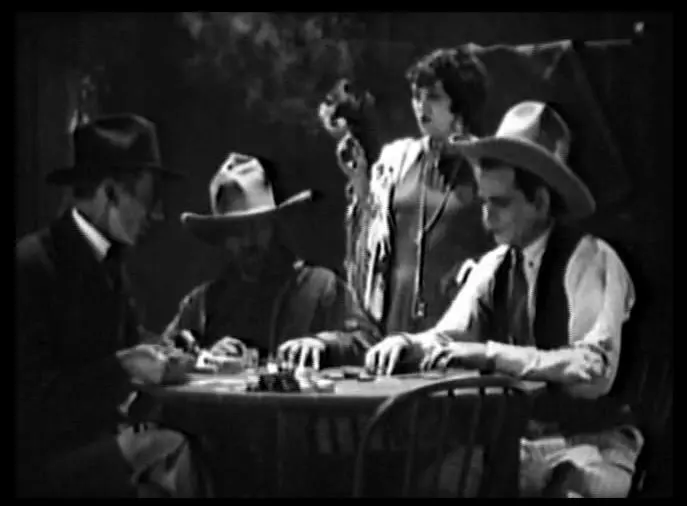
The plot of The Iron Rider is a classic Western setup: the rigged poker game. It’s a trope we’ve seen a thousand times, but in 1920, it still had the power of a fresh wound. The film uses this moment not just to kickstart the plot, but to establish the moral hierarchy of the world. The men who cheat aren't just criminals; they are cowards who refuse to play by the rules of the frontier.
Jacques Jaccard’s direction is utilitarian. He doesn't waste time with subplots or unnecessary character development. We don't need to know Yak’s backstory to understand his motivation. He lost his horse. In the West, that’s a death sentence or a declaration of war. The film chooses war. This directness is refreshing compared to the bloated runtimes of modern cinema, though it does leave the supporting cast, including Elsa Benham, with very little to do other than look concerned or villainous.
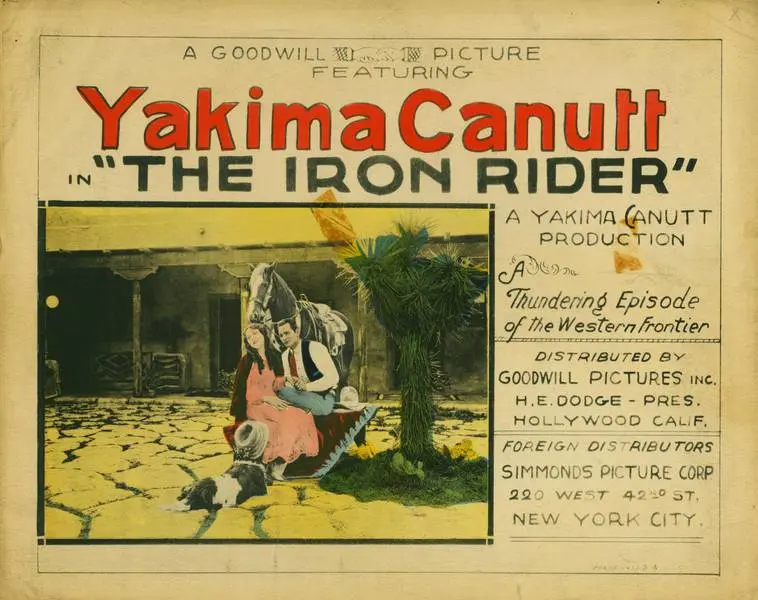
There is a specific moment mid-film where Yak learns the bounty on the outlaws' heads. The shift in his expression—from personal anger to professional calculation—is the film's strongest narrative beat. It elevates the story from a simple revenge tale to a proto-bounty hunter procedural. It shares a certain thematic DNA with The Gasoline Trail, focusing on the pursuit as the primary engine of the film's second act.
Filming in 1920 presented significant challenges, particularly with lighting and camera mobility. Jaccard manages these by leaning into the natural light of the California locations. The shadows are deep, and the sun is harsh, which fits the tone of the film perfectly. However, the pacing does suffer in the middle section. There are long stretches of riding that, while beautiful, don't necessarily advance the plot. It’s a common issue in silent B-Westerns, where the landscape is often used to pad the runtime.
The editing is surprisingly sharp during the confrontation scenes. The cuts between Yak and his pursuers create a sense of mounting tension that rivals more expensive productions like Number 17. You can see the influence of D.W. Griffith’s parallel editing techniques, even if the scale is much smaller. The film doesn't have the budget for grand vistas, so it focuses on the intimacy of the chase—the dust kicked up by hooves, the frantic reloading of a revolver.
One surprising observation: the horse, Boy, is given as much characterization as some of the human actors. The bond between Yak and his steed is the emotional anchor of the film. When Yak loses Boy, it feels like a genuine tragedy. This focus on the animal companion would become a staple of the genre, but here it feels unforced and sincere. It’s a level of sentimentality that balances the otherwise cold, vengeful tone of the movie.
Pros:
The film features genuine, dangerous stunt work that puts modern green-screen action to shame. Yakima Canutt is a magnetic lead who carries the film through its slower moments. At roughly an hour, it doesn't overstay its welcome. It provides a fascinating historical look at the transition from rodeo to cinema.
Cons:
The villains are one-dimensional caricatures with no clear motivation beyond 'being bad.' The romantic subplot feels tacked on and adds nothing to the central conflict. The print quality of surviving versions can be quite poor, making some of the night scenes difficult to follow.
The Iron Rider is not a film that will change your life, but it is a film that will deepen your understanding of the genre. It is a work of pure craftsmanship—a 'B-movie' in the truest sense, designed to entertain for a nickel and then be forgotten. However, the presence of Yakima Canutt elevates it above its peers. His physicality transforms a standard revenge plot into a masterclass in screen presence.
If you’ve watched The Tavern Knight and enjoyed the swashbuckling energy, you’ll find a similar, if more grounded, thrill here. It lacks the polish of A Regular Fellow, but it makes up for it with grit and dust. Ultimately, The Iron Rider serves as a reminder that before there were superheroes, there were men who knew how to fall off a horse and make it look like art. It’s flawed, it’s simple, and it’s undeniably important.
IMDb 7.8
1925
Community
Log in to comment.