DbcultAccessing Vault...
Cult Review
Senior Film Conservator
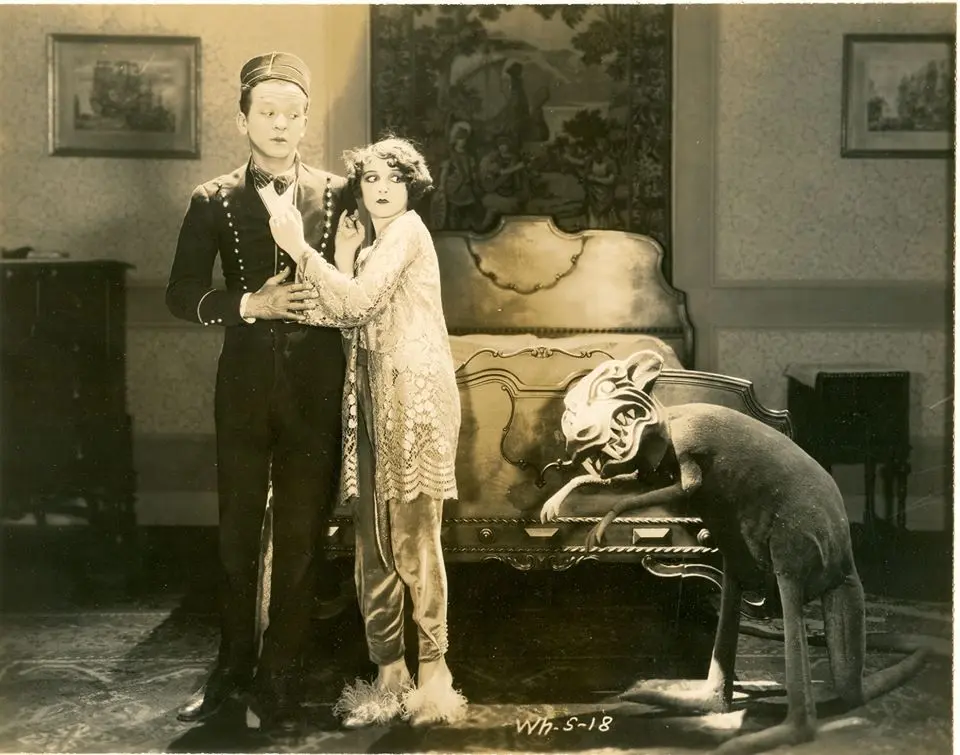
The Kangaroo Detective is a film that exists for one reason: someone had access to a trained kangaroo and a camera. It is not a hidden gem, nor is it a forgotten classic. It is a frantic, often disorganized relic of late-silent era comedy that demonstrates why Gene Cameron never ascended to the heights of Lloyd or Keaton. If you are looking for a cohesive narrative or a clever subversion of detective tropes, you will be disappointed. However, if you want to see a marsupial punch a man in the face for five minutes, you are in the right place.
For most modern viewers, no. The film is a repetitive exercise in physical comedy that lacks the rhythmic precision found in the best work of the 1920s. It is primarily for silent film completists or those interested in the history of animal actors in early Hollywood. If you find the mere sight of an animal in human situations funny, there is some minor entertainment value here. Everyone else will likely find it tedious.
This film works because: The physical commitment of the kangaroo is undeniable. The animal is the most natural performer on screen, providing a chaotic energy that the human actors can't quite match.
This film fails because: Gene Cameron lacks a distinct comedic identity. He mimics the movements of better comedians without bringing any unique charm or timing to the role.
You should watch it if: You have an academic interest in Fox’s late-20s comedy output or you enjoy the primitive, unrefined side of slapstick.
Director Frank Terry, who spent plenty of time in the Hal Roach gag rooms, clearly understood the mechanics of a joke, but he struggled with the architecture of a feature-length story. The Kangaroo Detective feels like three separate two-reelers that were forced to live together in the same house. The detective plot is so thin it’s practically transparent. We are told there is a mystery, but the film spends most of its energy on Cameron tripping over furniture or reacting to the kangaroo's unpredictable movements.
The pacing is frantic but not particularly fast. There is a difference between a film that moves quickly and a film that is simply loud and busy. This falls into the latter category. Scenes drag on well past their natural expiration point, particularly a sequence involving a rooftop chase that lacks any real sense of peril or spatial logic. Unlike the high-stakes stunts in something like The Dangerous Dub, the action here feels low-rent and safely staged.
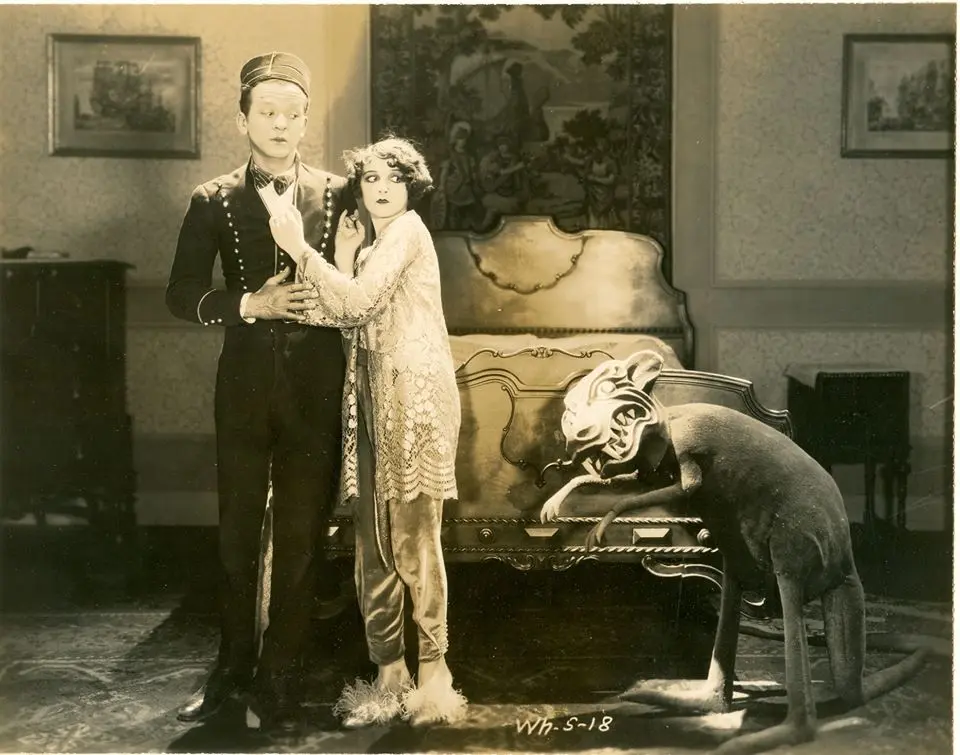
Gene Cameron is the film's greatest liability. In the silent era, a comedian needed a 'hook'—a pair of glasses, a deadpan stare, or a specific way of moving. Cameron has none of these. He is a generic leading man trying to be funny, which is almost always the death of comedy. He moves with a frantic desperation that suggests he’s trying to convince the audience he’s having a good time, but it never feels organic. When he interacts with Sally Phipps, the chemistry is nonexistent. Phipps, a talented flapper-era star, is given almost nothing to do other than look distressed and wait for the plot to move forward.
Compare this to other bumbling hero films like A Broadway Cowboy. In those films, the protagonist's incompetence is the engine of the plot. In The Kangaroo Detective, the incompetence feels like a script requirement rather than a character trait. It makes the detective's eventual success feel unearned and, frankly, boring.
The film’s only saving grace is the titular animal. The boxing match between the kangaroo and Cameron is genuinely strange to watch. There is a raw, unedited quality to these scenes that breaks the artifice of the film. You can see Cameron’s genuine apprehension, and the kangaroo’s indifference to the script creates the only moments of real tension in the entire production. It’s not 'good' filmmaking, but it is a spectacle.
Technically, the film is unremarkable. The lighting is flat, typical of the budget-conscious productions of the time. The sets look like they were borrowed from a better movie and returned before the paint was dry. There is a noticeable lack of visual flair, which is disappointing considering the creative camera work being done elsewhere in 1928. It lacks the wit of A Game of Wits or the atmospheric focus of higher-tier studio releases.
Pros:
• The kangaroo is surprisingly well-trained.
• Sally Phipps provides a brief spark of screen presence.
• Short runtime prevents it from becoming truly unbearable.
Cons:
• The plot is an afterthought.
• Repetitive gags that lose their punch quickly.
• Flat cinematography and uninspired directing.
• Cameron is a weak lead for a slapstick comedy.
The Kangaroo Detective is a minor footnote. It doesn't offer the technical brilliance of the era's best comedies, nor does it possess the charm of the better B-movies from the same period. It is a one-note joke stretched to its breaking point. If you aren't specifically looking for a boxing kangaroo, there is very little here to hold your attention. It’s a stiff, occasionally annoying film that proves not every silent comedy is a lost treasure.
IMDb —
1924
Community
Log in to comment.