DbcultAccessing Vault...
Cult Review
Senior Film Conservator
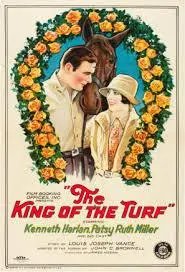
Is this film worth watching today? Short answer: yes, but only if you appreciate the specific moral clarity and rhythmic pacing of the early 1920s. It is a fascinating artifact that bridges the gap between Victorian melodrama and the more cynical crime films that would follow a decade later.
This film is for viewers who enjoy ensemble casts where the 'low-lifes' have more heart than the 'high-society' villains. It is definitely not for those who require rapid-fire editing or complex, morally gray protagonists who never find resolution.
Before we dive into the technical nuances of this 1923 production, let's look at the foundational elements that make or break the experience.
1) This film works because the 'prison quartet' provides a refreshing counterpoint to the stiff, genteel world of Colonel Fairfax. Their camaraderie feels earned and adds a layer of levity to what could have been a dreary redemption story.
2) This film fails because the central villain, Martyn Selsby, is dispatched far too early via a convenient medical emergency, leaving his son Tom to carry the antagonist weight—a task the script doesn't quite prepare him for.
3) You should watch it if you want to see an early example of the 'heist' trope used in a domestic setting, or if you are a fan of Patsy Ruth Miller’s expressive screen presence.
The King of the Turf opens with a traditional setup: the fall of a Great Man. George Irving plays Colonel Fairfax with a rigid, almost fragile dignity. When he is sent to prison, the film makes a choice that feels modern for its time. Rather than showing a man broken by the system, it shows a man expanded by it. The introduction of John Doe Smit (Kenneth Harlan), Red Kelly, Soup Conley, and Dude Morlanti transforms the movie from a solo tragedy into a team-based recovery mission.
There is a specific scene upon their release where the four men stand around the Colonel, looking like a wall of protection against the judgmental eyes of the town. It is a powerful visual statement on the nature of loyalty. Unlike the business world of Selsby, where betrayal is a financial tool, the world of the prison yard is built on a simpler, more rigid code. This contrast is the film's strongest thematic engine. It reminds me of the social dynamics explored in The Pinch Hitter, though with a much darker edge.
Patsy Ruth Miller, playing Kate Fairfax, serves as the emotional anchor for the audience. In the 1920s, female leads were often relegated to being the prize to be won, but Miller gives Kate a sense of agency. When Tom Selsby (Eddie Phillips) tries to blackmail her with his father's confession, Miller’s reaction isn't one of a fainting damsel. There is a steeliness in her eyes that suggests she is looking for a way out long before the men arrive to help. Her chemistry with Kenneth Harlan’s 'John Doe Smit' is palpable, even through the limitations of silent film acting.
Harlan himself is a standout. He avoids the over-the-top gesticulation that plagued many actors of the era. Instead, he uses a controlled physical presence. In the scene where he overhears Tom’s blackmail attempt, his stillness is more menacing than any shouted dialogue could be. It’s a performance that feels surprisingly grounded, similar to the work seen in The Lone Wolf.
The direction by the uncredited but clearly capable hands behind the camera leans heavily into the contrast between the sunny, open horse farms and the cramped, shadow-heavy interiors of the Selsby estate. The 'Turf' of the title isn't just a setting; it represents the freedom and clarity the Colonel has lost. When the climactic race finally occurs, the editing picks up speed. While it doesn't have the frantic energy of a modern sports film, the use of close-ups on the horses' hooves and the anxious faces in the crowd creates a genuine sense of stakes.
One particular shot stands out: the moment the confession is pulled from the wall safe. The lighting is low, focusing on the hands of the ex-convicts. It feels like a precursor to the noir style that would dominate Hollywood twenty years later. It is gritty. It is tactile. It works. But it’s flawed—the film occasionally lingers too long on the 'comic relief' of the prison friends, which can stall the momentum of the third act.
The King of the Turf is worth watching because it successfully subverts the 'shamed aristocrat' trope by making his salvation dependent on those society has discarded. It offers a unique window into 1920s class anxieties. If you enjoy seeing the underdog win through a combination of grit and luck, this film will satisfy you.
Pros:
Cons:
Most critics focus on Selsby or his son, but the most interesting character is actually Selsby’s wife. Her decision to hide the confession isn't born of malice, but of a pathological fear of scandal. In a way, she represents the true antagonist of the film: the oppressive weight of social reputation. Her silence is more damaging than Selsby’s embezzlement. It is a brutal observation of how 'polite society' maintains its image by burying the truth in a wall safe.
The King of the Turf is a sturdy, well-constructed piece of silent cinema. It doesn't reinvent the wheel, but it uses its components—the fallen hero, the loyal friends, the high-stakes race—with a level of competence that makes it hold up a century later. It is a film about the fact that honor isn't something you are born with; it’s something you prove through the company you keep. It’s not a masterpiece. But it’s a damn good story. While it lacks the sheer visual flair of Camille, it makes up for it with a grounded, human heart. It is a solid recommendation for anyone looking to go beyond the 'famous' silent films and find something with a bit more grit.
IMDb —
1916
Community
Log in to comment.