DbcultAccessing Vault...
Cult Review
Senior Film Conservator
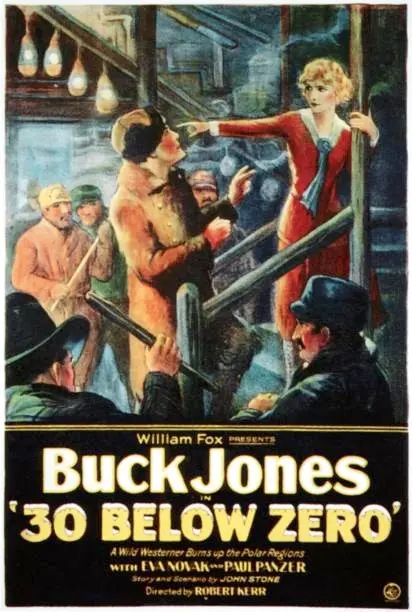
Is 30 Below Zero a forgotten milestone of silent cinema? Short answer: No, but it remains a ruggedly entertaining artifact for those who appreciate the physical grit of 1920s location shooting. This film is specifically for enthusiasts of the 'Northwestern' genre and fans of Buck Jones; it is not for viewers seeking the psychological depth of modern dramas or the intricate plotting of contemporary thrillers.
This film works because: Buck Jones possesses a raw, athletic charisma that breathes life into a relatively standard redemption arc. This film fails because: The central conflict relies on a transparently lazy 'mistaken identity' trope that lacks any real narrative tension. You should watch it if: You have an interest in how 1920s cinema handled the transition from urban melodrama to wilderness survival.
The film begins with a premise that feels remarkably modern in its cynicism. Our hero isn't seeking gold or glory; he is running away from a woman. Specifically, a 'Follies girl'—a symbol of urban decadence and performative femininity that would have been immediately recognizable to 1927 audiences. This rejection of the city in favor of the wild is a classic Western trope, yet here it feels more like a desperate escape than a noble quest. It is a cowardly move framed as a heroic reset.
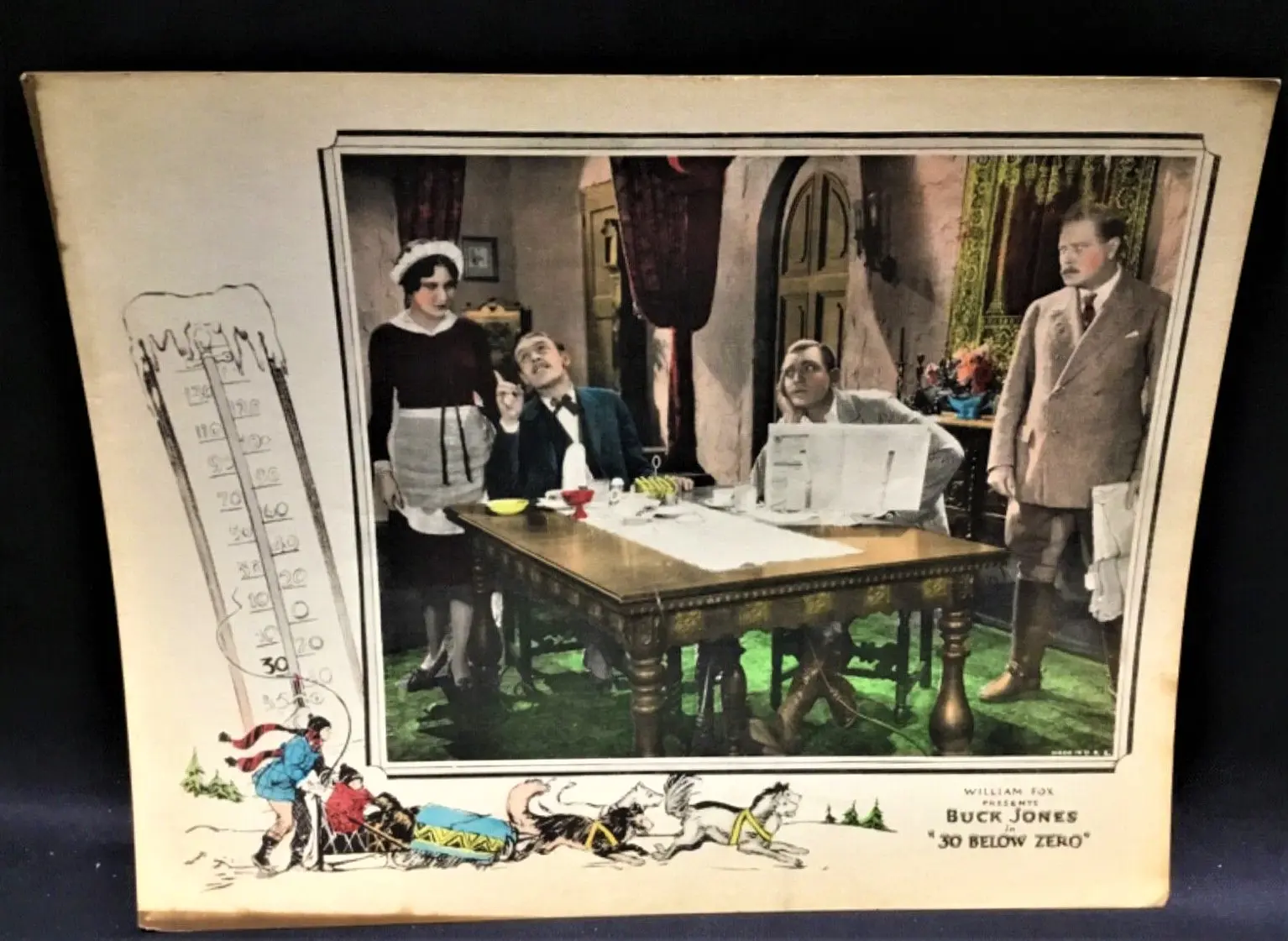
When the action shifts to Alaska, the film finds its footing. Unlike the stage-bound aesthetics of Sally of the Sawdust, 30 Below Zero leans into the tactile reality of the snow. The cinematography captures the isolation of the frontier with a starkness that elevates the thin script. The accident that leaves the hero stranded is filmed with a visceral quality; you can almost feel the biting wind through the frame. It is in these moments of man-versus-nature that the film transcends its melodramatic roots.
Buck Jones was never the most nuanced actor, but he didn't need to be. In 30 Below Zero, his performance is one of presence rather than expression. He moves through the snow with a weight that suggests a man truly battling the elements. Compared to the more lighthearted antics found in Hands Up! (1926), Jones provides a grounded, stoic counterpoint. He is the quintessential silent protagonist: a man defined by what he does, not what he says.
The interaction between Jones and Eva Novak provides the film's emotional core, though Novak is unfortunately relegated to the role of the 'nurturer.' Her performance is competent, but she is given little to do beyond looking concerned and offering domestic sanctuary. The chemistry is there, but it is stifled by a script that views her more as a prize to be won than a character with her own agency. This was common for the era, but it remains a glaring limitation in a film that otherwise strives for realism.
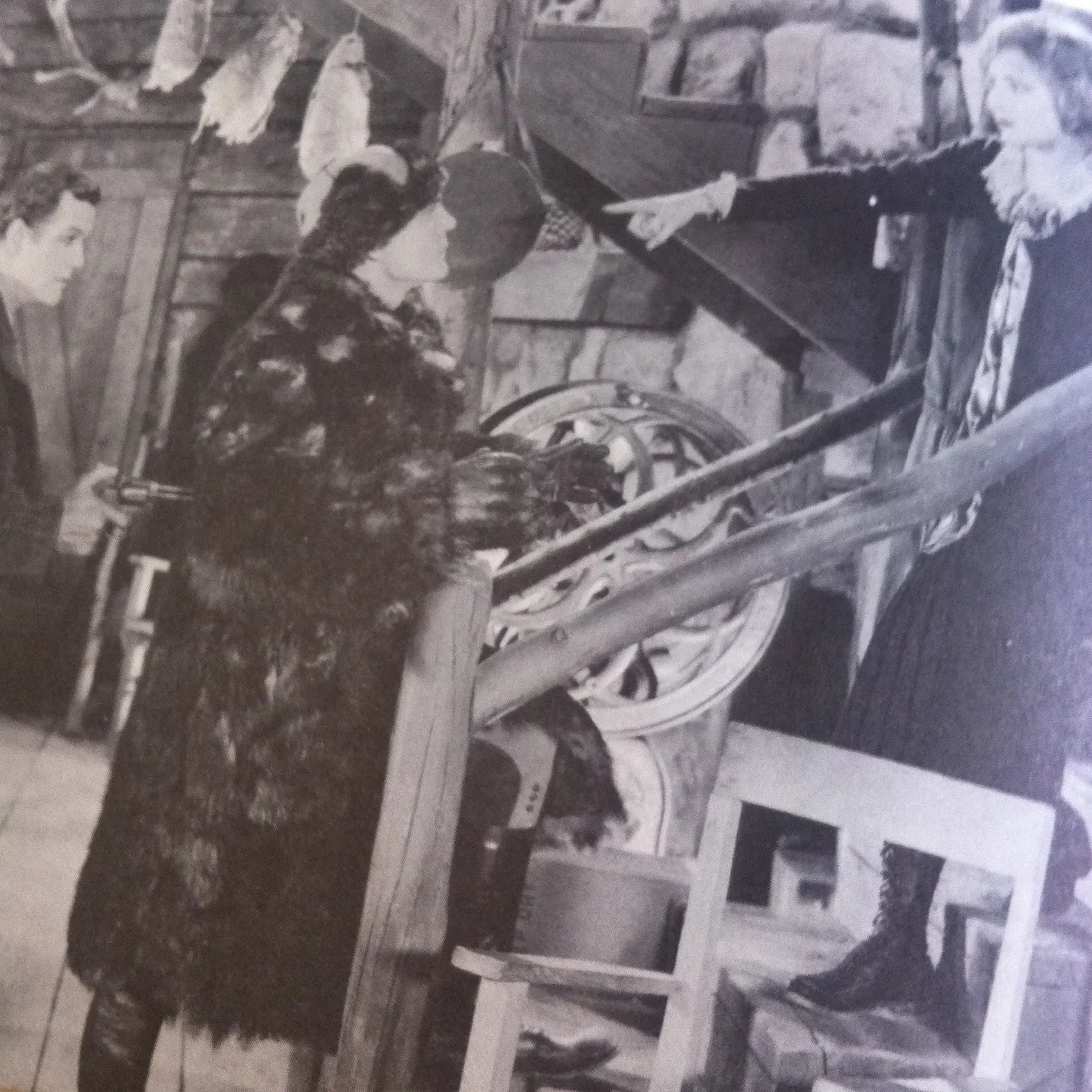
The inclusion of a bootlegging plot is a fascinating reflection of 1927 America. Prohibition was the law of the land, and the figure of the bootlegger was a ubiquitous cinematic villain. By framing the rival as a bootlegger, the film taps into contemporary anxieties about lawlessness and moral decay. The rival, played with mustache-twirling glee by Harry Woods, is the perfect foil for Jones. He is a man who uses the law to shield his own criminality, a theme explored with more gravitas in films like Cassidy.
The accusation leveled against our hero—that he is the one smuggling alcohol—is a narrative pivot that feels forced. It requires a level of gullibility from the supporting characters that is hard to swallow. However, it serves the purpose of setting up the final confrontation. The climax is a flurry of fists and flying snow, a reminder that in the silent era, action was the ultimate form of dialogue. It works. But it is flawed. The resolution is too tidy, ignoring the complexities of the hero's initial flight from the city.
Is 30 Below Zero worth your time in the modern era? If you are a student of film history or a fan of the rugged aesthetic of early 20th-century adventure films, the answer is a resounding yes. The location work alone is worth the price of admission. However, if you require a plot that avoids the most tired clichés of the silent era, you might find yourself checking the clock. It is a sturdy genre piece, but it lacks the visionary spark of something like The Northern Code.
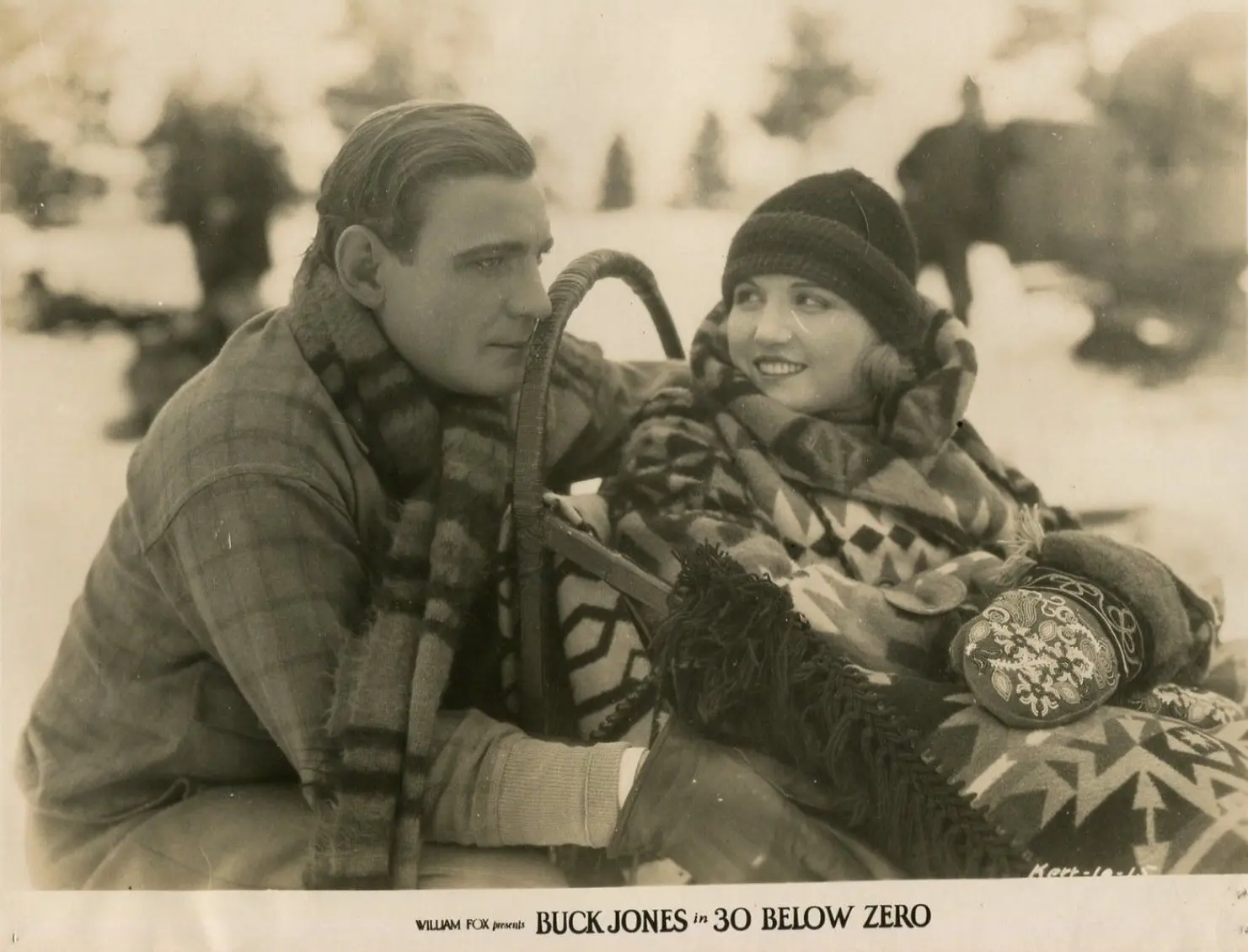
The film’s primary strength lies in its atmosphere. The transition from the artificial lights of the city to the natural, unforgiving light of the North is handled with visual confidence. The action sequences are well-choreographed and benefit from the lack of stunt doubles, highlighting the physical bravery of the era's stars. Furthermore, the film serves as a valuable cultural document of the Prohibition era's influence on popular storytelling.
The writing is undeniably thin. John Stone’s script doesn't take many risks, preferring to stay within the safe confines of established genre beats. The character motivations are often surface-level; the hero’s initial flight from the Follies girl is never fully reconciled with his newfound Alaskan identity. Additionally, the pacing in the second act drags as the film waits for the inevitable confrontation between the hero and the rival.
30 Below Zero is a solid, if uninspired, entry into the silent Western canon. It thrives on the physical prowess of Buck Jones and the stark beauty of its setting, but it is held back by a script that refuses to challenge its audience. It is a film of moments—the crash, the accusation, the final fight—rather than a cohesive masterpiece. While it doesn't reach the heights of films like Where Are My Children? in terms of social impact, it remains a capable piece of entertainment that proves the 'Northwestern' was a force to be reckoned with in 1927. It is a cold film with a warm heart, even if that heart beats in a very familiar rhythm.
IMDb —
1915
Community
Log in to comment.