DbcultAccessing Vault...
Cult Review
Senior Film Conservator
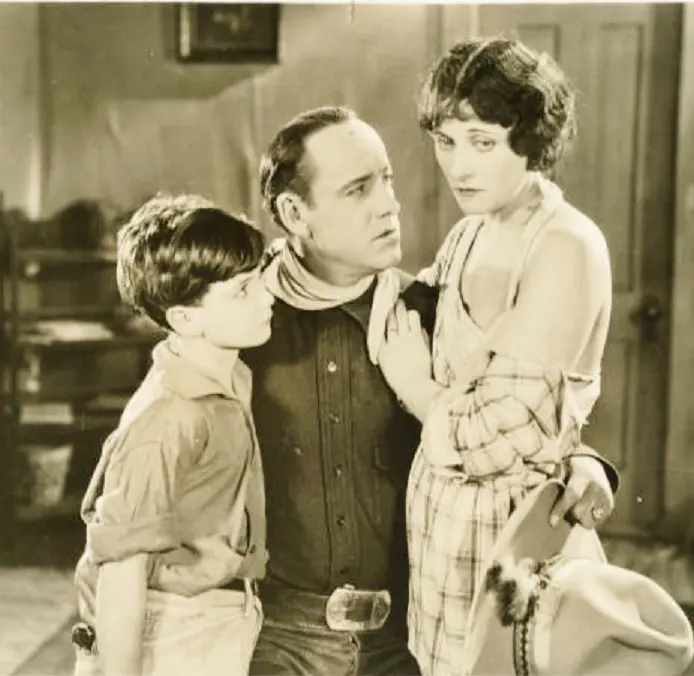
Short answer: Yes, but only if you possess the patience for the deliberate, gestural storytelling of the late silent era. This film is a must-see for those who study the evolution of the 'wrongly accused' trope, though it will likely frustrate modern viewers accustomed to high-speed procedural thrills.
The Lady from Hell is specifically for enthusiasts of 1920s melodrama and fans of Blanche Sweet’s expressive range. It is not for anyone seeking a fast-paced action movie or a gritty, realistic depiction of the modern penal system.
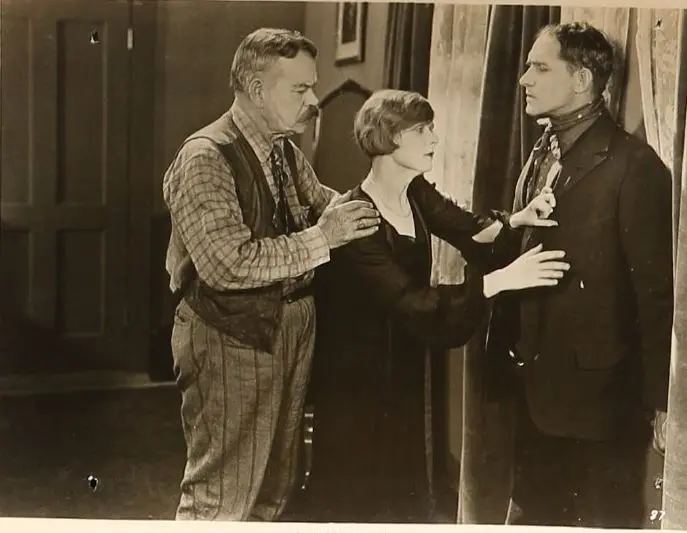
1) This film works because of the stark, atmospheric contrast between the protagonist's military honor and the claustrophobic reality of his imprisonment.
2) This film fails because the third-act resolution relies on a convenient confession that feels more like a plot device than a natural narrative conclusion.
3) You should watch it if you want to see how silent cinema handled the intersection of national identity and legal injustice.
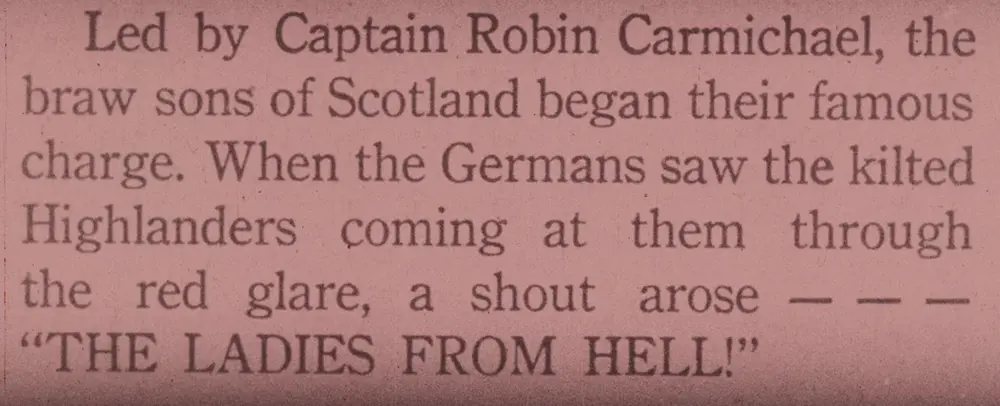
The title itself, The Lady from Hell, refers to the nickname given to the Scottish Black Watch during World War I. This historical context is vital to understanding Roy Stewart’s performance as Capt. Wallace. Stewart carries himself with a physical rigidity that suggests a man who is still mentally wearing his uniform, even when dressed in civilian clothes or prison denim. In the scene where he first hears the guilty verdict, Stewart doesn't collapse or weep; he stands perfectly still, his eyes conveying a sense of betrayal that is far more haunting than any histrionic outburst.
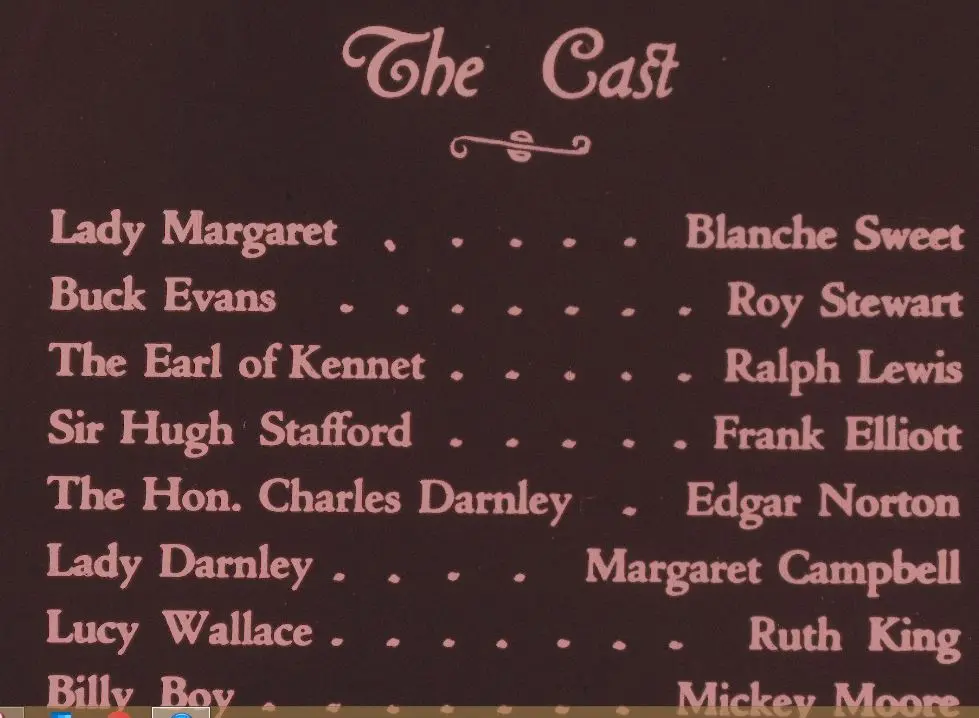
This stoicism is a hallmark of the era, but it is executed here with a specific cultural layer. By grounding Wallace’s character in the history of the Black Watch, writers Norton S. Parker and J. Grubb Alexander create a character whose primary conflict is not just with the law, but with the loss of his 'honor.' Compare this to the more energetic, almost manic performances found in contemporary comedies like The Show-Off, and you see the tonal gravity this film was aiming for.
While Roy Stewart provides the film’s spine, Blanche Sweet provides its heart. By 1926, Sweet was an established titan of the screen, and her presence here elevates what could have been a standard melodrama into something more visceral. There is a specific moment when her character first visits Wallace in prison; the use of soft-focus lighting around her face contrasts sharply with the hard, vertical lines of the prison bars. It is a classic visual metaphor, but Sweet’s ability to transition from hope to despair in a single close-up is a masterclass in silent acting.
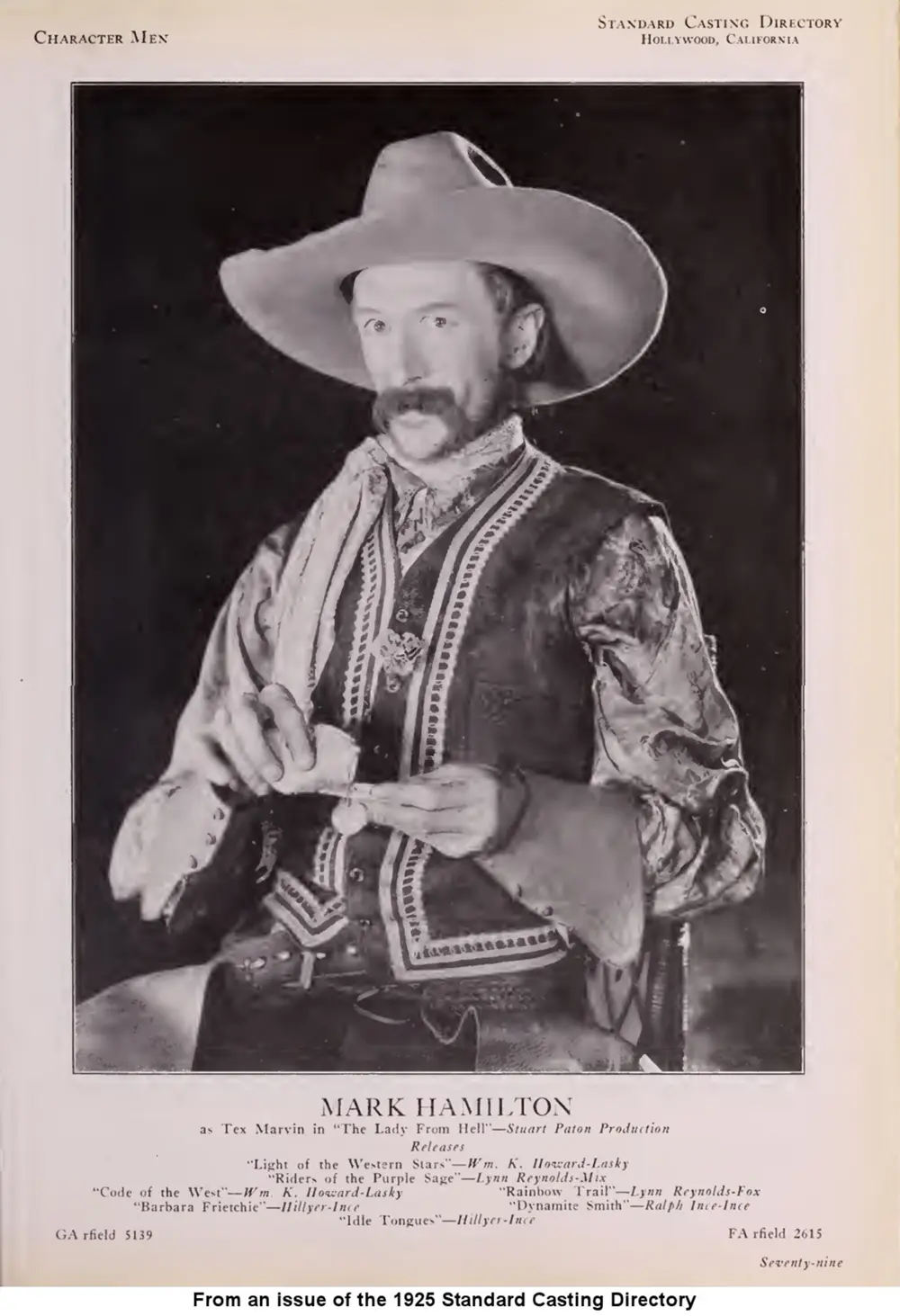
Her performance reminds one of the emotional depth seen in Camille, though the stakes here feel more grounded in social reality than romantic tragedy. She doesn't just play the 'waiting woman'; she plays the only bridge between the protagonist and the world that has discarded him. Her chemistry with Stewart is subtle, built on shared glances rather than grand gestures. It works. But it’s flawed by the script's tendency to sideline her during the film’s more procedural moments.
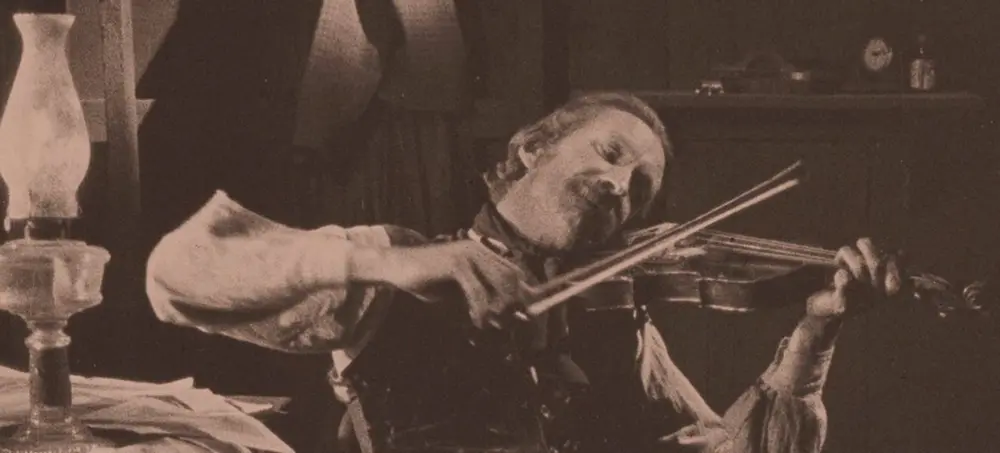
Directorially, the film makes excellent use of the visual vocabulary available in the mid-20s. The cinematography in the prison sequences is particularly noteworthy. There is a recurring shot of the shadow of the bars falling across Wallace’s face, a motif that emphasizes his loss of identity. This is a common technique, also seen in films like The Lone Wolf, but here it feels more oppressive because of the character’s background as a high-ranking officer.
However, the pacing is where the film begins to show its age. The transition from the accusation to the imprisonment happens with a jarring speed, while the middle section—the actual 'serving' of the time—drags significantly. The film spends a great deal of time on title cards explaining the legal nuances, which can pull the viewer out of the emotional experience. It is a slow burn that occasionally threatens to flame out before the climax.
For the modern cinephile, the answer depends entirely on your interest in the mechanics of early 20th-century storytelling. If you are looking for a film that explores the fragility of the 'immigrant' experience—even an immigrant as prestigious as a Scottish officer—this is a fascinating artifact. The film captures a specific American anxiety about the 'outsider' that remains relevant today. If you enjoyed the character-driven tension of The Pinch Hitter, you will likely find the thematic weight of this film rewarding.
"The Lady from Hell is less about the crime itself and more about the slow, agonizing erosion of a man's soul when he is stripped of his dignity."
The most debatable element of the film is its resolution. The trope of the 'guilty man confessing' was already well-worn by 1926. In this instance, the confession feels almost like a deus ex machina. We are presented with the true killer in a series of brief, almost tangential scenes earlier in the film, but the emotional payoff of his confession is somewhat muted because we haven't spent enough time with his guilt. It is a mechanical fix for a narrative problem.
Despite this, the scene of the confession is shot with a surprising amount of grit. The lighting is low, the atmosphere thick with the suggestion of mortality. It serves its purpose, but one can’t help but wish for a more complex legal battle, perhaps something closer to the tension found in Sold at Auction. The film chooses the easy way out, but it does so with enough stylistic flair to be forgiven.
The Lady from Hell is a sturdy, if somewhat formulaic, example of the late silent era’s obsession with justice and honor. While it doesn't reinvent the wheel, the performances of Stewart and Sweet provide a compelling reason to sit through its slower moments. It is a film that demands your full attention to catch the subtle nuances of its visual storytelling. The title might suggest a fire-and-brimstone epic, but the reality is a quiet, somber meditation on what it means to lose everything and the hollow victory of getting it back. It’s a solid 7/10 for silent film buffs and a curious 5/10 for everyone else. It works. But it’s flawed.
IMDb —
1930
Community
Log in to comment.