DbcultAccessing Vault...
5.8/10
Senior Film Conservator
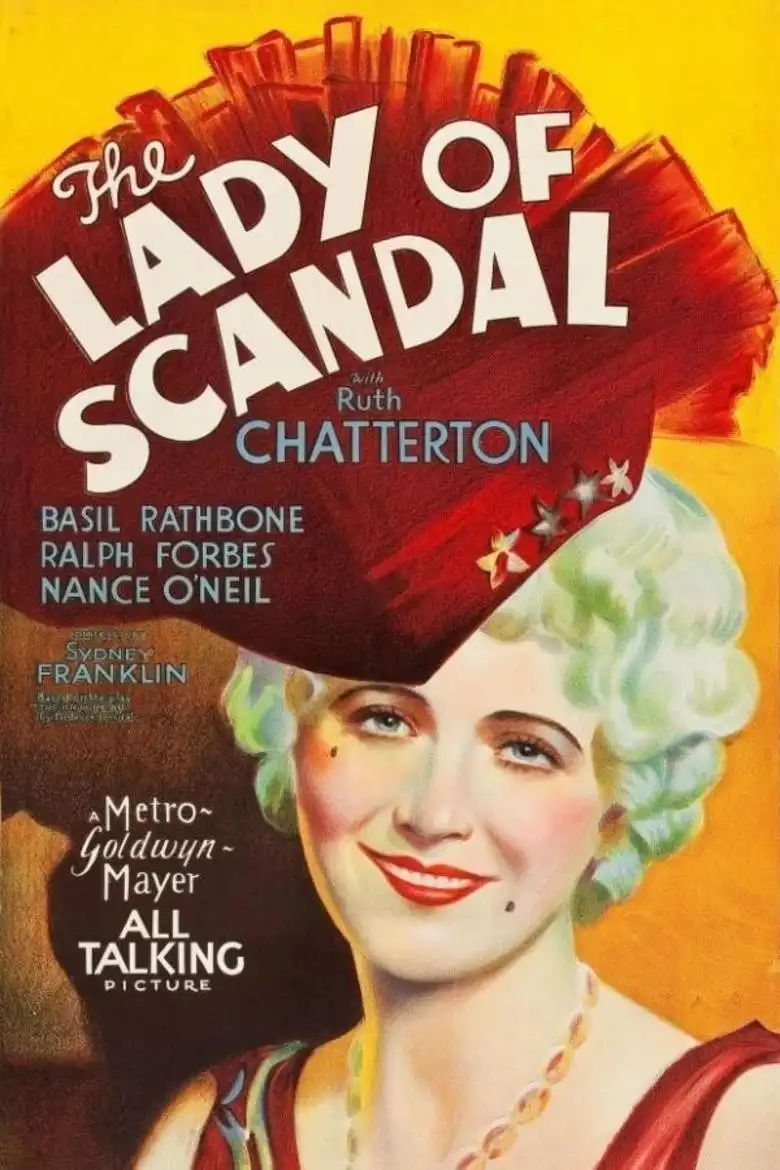
A definitive 5.8/10 rating for a film that redefined the boundaries of cult cinema. The Lady of Scandal remains a cornerstone of transgressive art.
Okay, so The Lady of Scandal, a film from 1930, is *definitely* not for everyone. If you're into early talkies, the slightly wonky sound, and a bit of pre-Code sass, you might find something interesting here. But if you need sleek pacing and crystal-clear dialogue, you'll probably just find it a bit of a drag.
It’s really one for those who appreciate seeing how movies were finding their feet with sound. Otherwise, it could feel pretty slow.
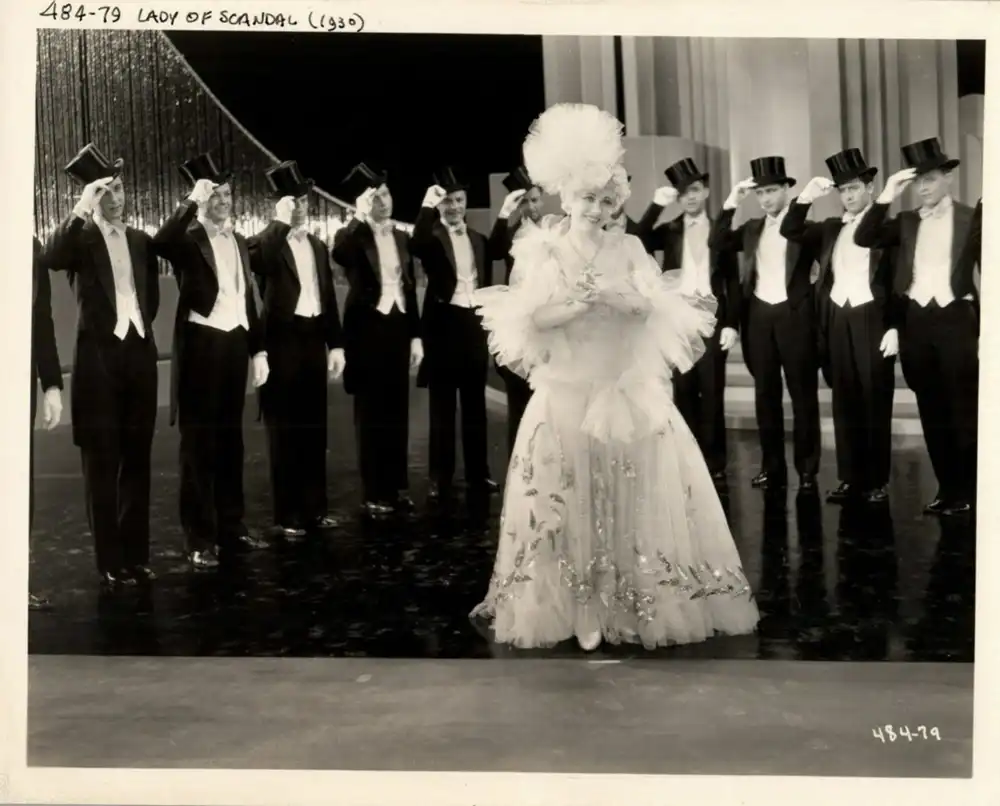
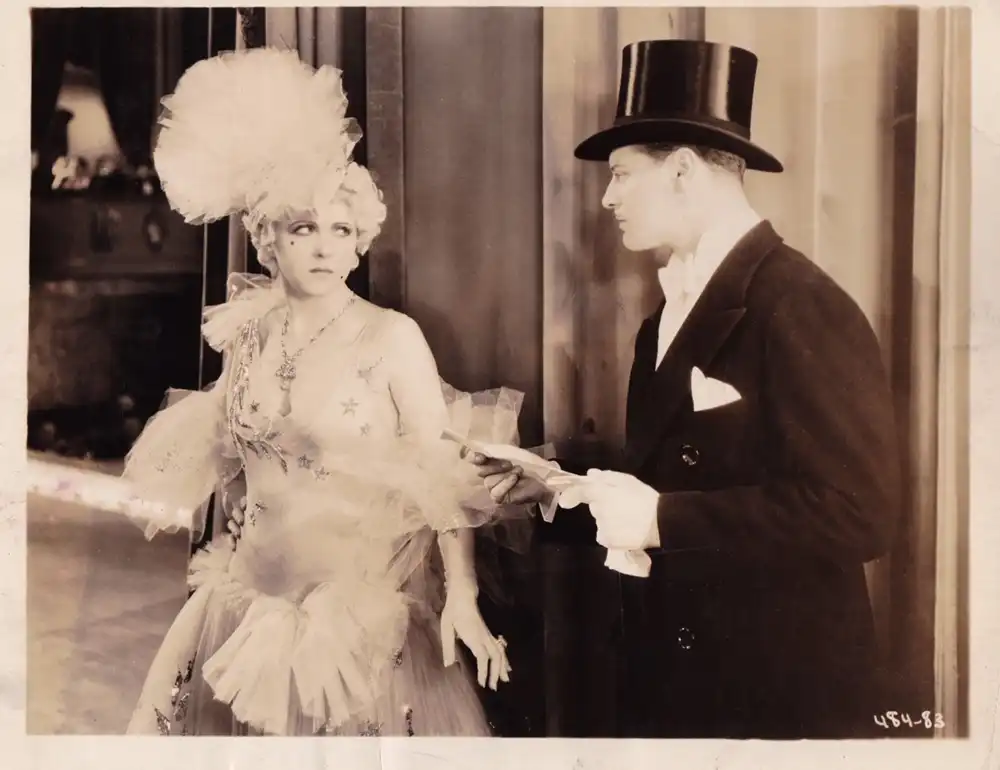
Ruth Chatterton plays Mary, a stage star, and she's just… *a lot*. You can see why people would be drawn to her, and also why a very proper British family would basically have a stroke just hearing her name. Her entrance, with all that confident swagger, immediately sets her apart from everyone else.
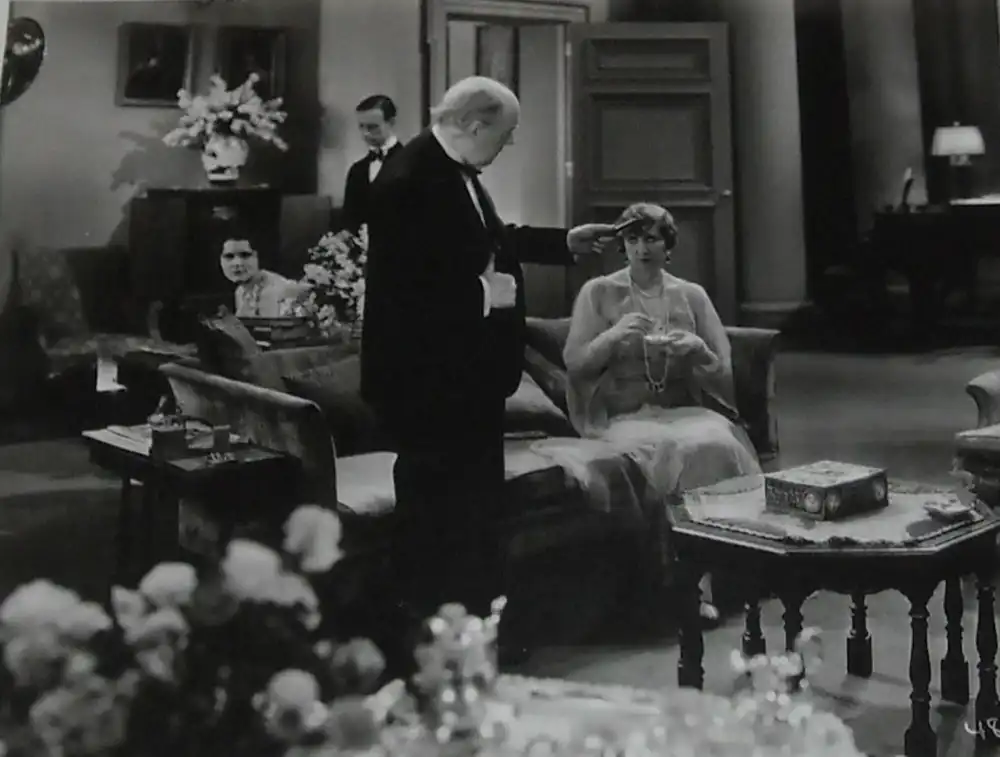
The whole plot kicks off when she gets involved with this noble family, the Canfields. Lord Trencham, played by Frederick Kerr, is this wonderfully *stuffy* old man. Every time he adjusts his glasses, you just know he’s thinking something terribly prim.
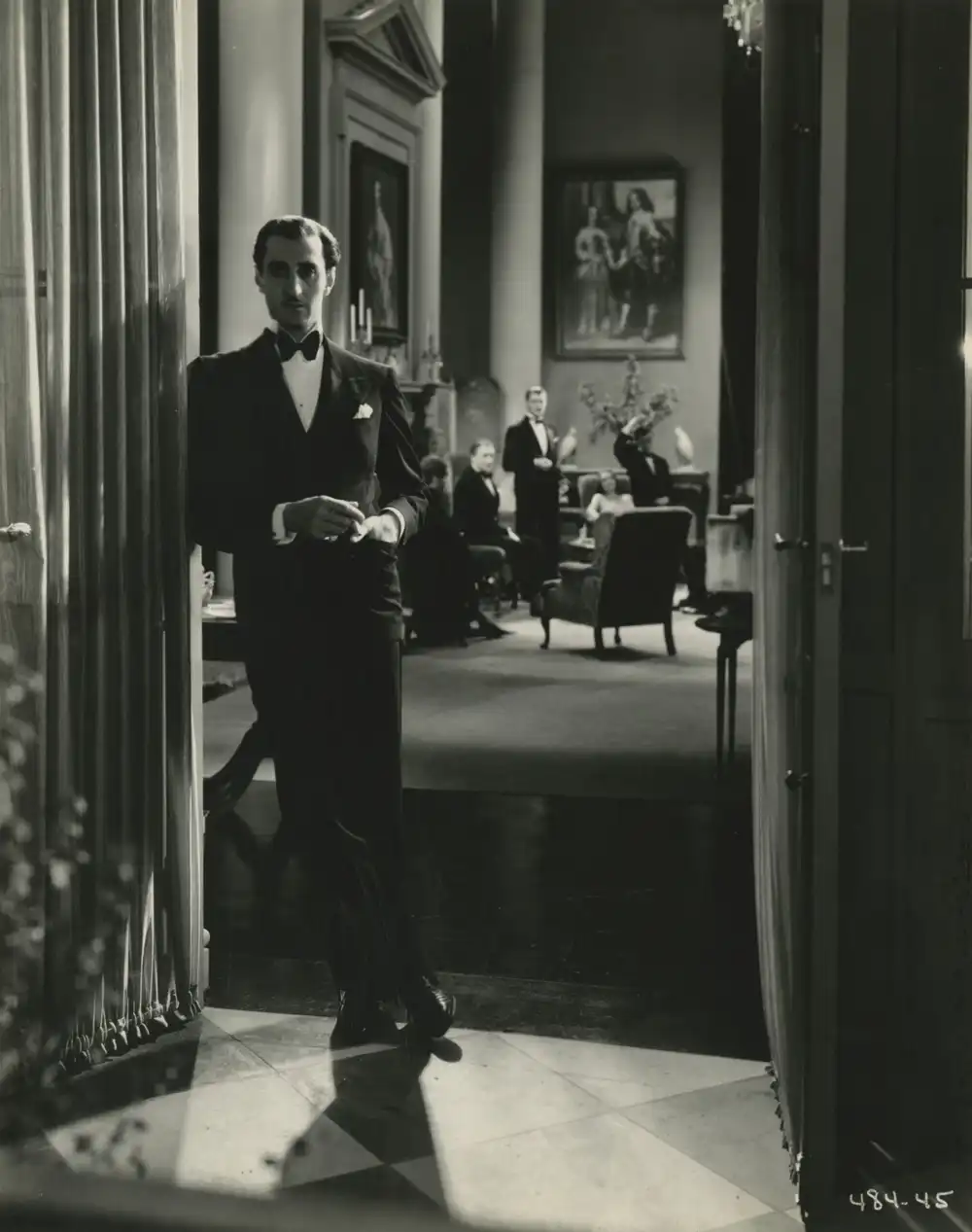
Then there’s Basil Rathbone, who plays Sir Richard. He’s the younger brother, a bit more charming, but still very much part of that rigid world. You can tell he’s supposed to be the more 'sensible' one, but then he just gets swept up.
There’s this particular scene where she’s at a fancy dinner party, and everyone is basically holding their breath waiting for her to mess up. She just calmly sips her drink. She’s not an idiot. She knows exactly what they’re doing.
The sound in these early talkies is always a thing. Sometimes people are practically yelling, other times you have to strain. There's a moment when Chatterton whispers something, and it just gets swallowed by the room's echo. You almost miss the point.
The whole *plan* by the family to get rid of Mary is so wonderfully inept. They want her gone, but they keep doing things that just make her more entrenched. It's like they've never actually met a real person before.
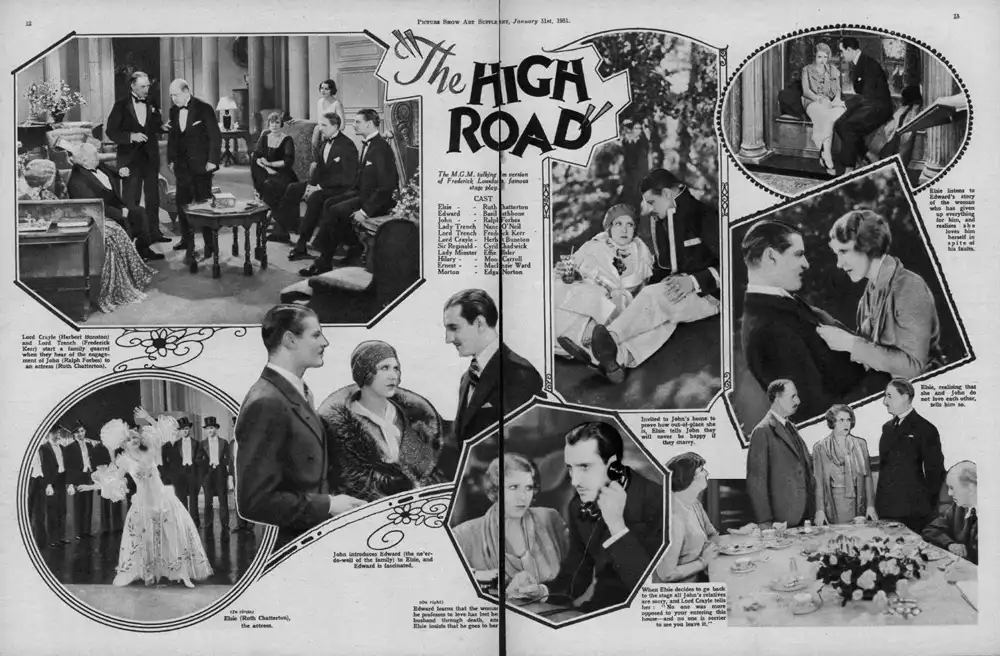
Sir Richard, the Rathbone character, is supposed to be the one to get her to fall in love with him, then dump her, making her look bad. Of course, he catches feelings. Classic. But the way it unfolds, you can almost *feel* him trying to fight it. His expressions are subtle, but there.
There’s a part where he tries to be all stern with her, and she just looks at him with this knowing smirk. You realize she’s always a few steps ahead. It’s not a grand masterplan from her side, just common sense against their snobbery.
The movie gets noticeably better once the family stops trying so hard to be *clever* and just starts reacting. That's when things get a bit more real, even with the stagey feel.
The ending is a bit… pat. But that was sort of the style back then, wasn't it? Everything needed a neat bow. You can almost feel the movie trying to convince you this moment matters, even if it feels a little rushed after all the build-up.
"She's not a lady, she's an actress!" someone huffs at one point. This line really sums up the whole conflict. It's about class and reputation, and Mary just doesn't care.
I remember one specific shot of Basil Rathbone, after a particularly heated exchange. He just stands there, looking out a window. It lingers for a beat or two too long. You can see the wheels turning, the internal struggle. It's a nice, quiet moment in a film that sometimes feels a bit too loud.
So, is it a forgotten masterpiece? Nah. But it's a good peek into early Hollywood trying to figure out sound and screen chemistry. It’s got charm. And Ruth Chatterton is really something to watch. She carries a lot of it.
Compared to some other early talkies, like say, Smilin' Through, which is all earnestness, this one has a bit more bite. It's not perfect, but it feels like a genuine attempt to do something a little different for its time. Not a bad way to spend an evening, especially if you enjoy the quirks of old films. ✨
IMDb —
1918
Community
Log in to comment.