DbcultAccessing Vault...
Cult Review
Senior Film Conservator
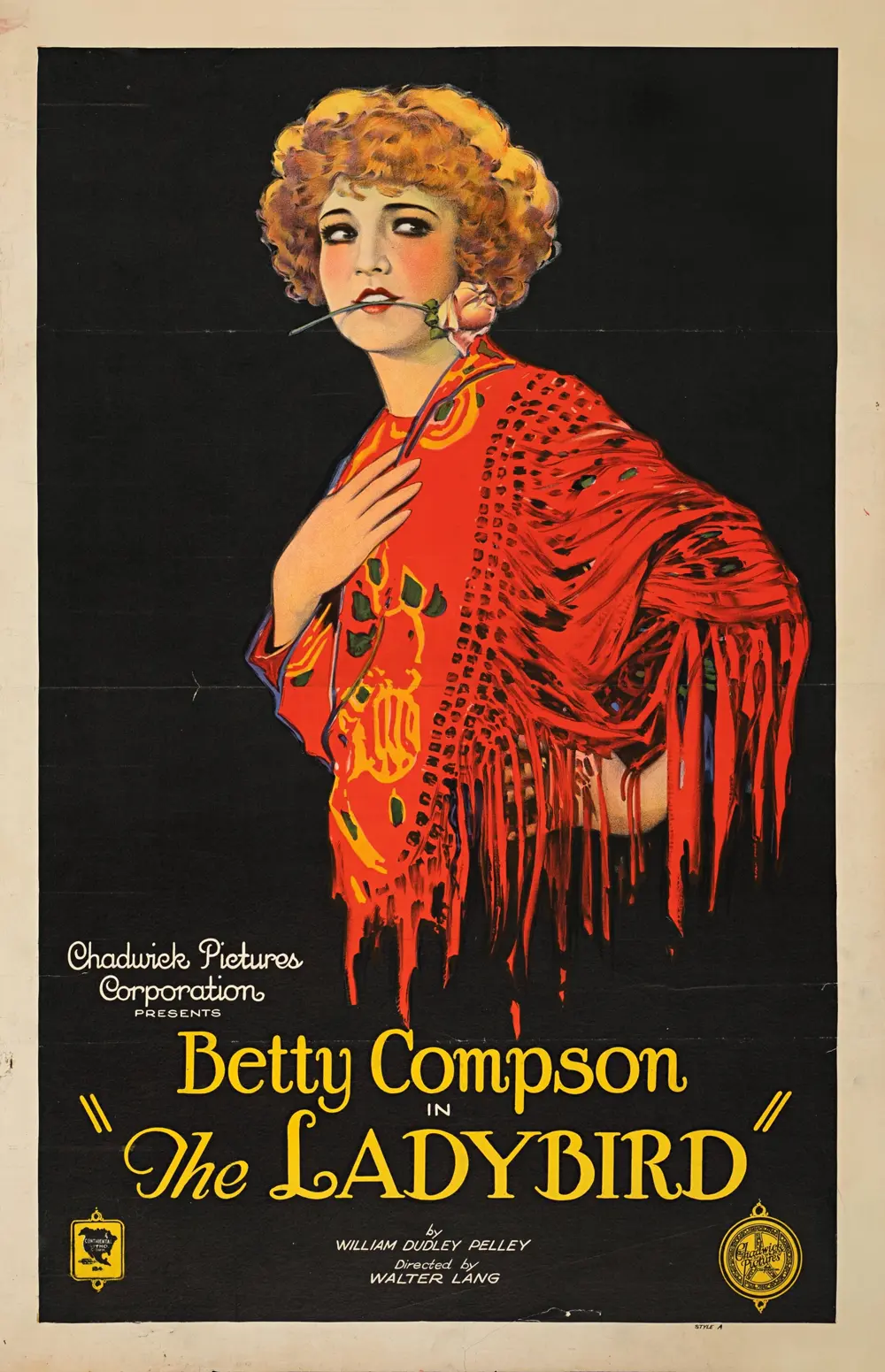
Is The Ladybird a film worth unearthing from the silent era's vast archives today? Short answer: yes, but with significant caveats that demand a specific kind of viewer. This is a cinematic experience best suited for ardent silent film enthusiasts, film historians, and those with a deep appreciation for the foundational storytelling techniques of early cinema; it will likely prove a challenging, if not frustrating, watch for casual viewers accustomed to modern pacing and narrative conventions.
The film works because of its surprisingly nuanced central performance from Ruth Stonehouse, who injects genuine pathos into a character that could easily have become a one-dimensional melodrama archetype. It works because it bravely tackles themes of urban corruption and female agency, issues that resonate even a century later. Finally, its visual storytelling, though occasionally constrained by the era's technology, often achieves moments of striking beauty and emotional clarity.
This film fails because its pacing can be excruciatingly slow by contemporary standards, with certain sequences lingering far too long, dulling the emotional impact. It fails due to an overreliance on broad physical comedy from supporting players that often clashes with the more serious dramatic undertones. Furthermore, some of the plot contrivances stretch credulity, even within the context of silent film narrative conventions, hindering immersion.
You should watch it if you are a dedicated student of early cinema, eager to witness a strong female lead performance from the period, or if you appreciate the intricate, often theatrical, visual language that defined storytelling before synchronized sound. It’s a film for those who find value in historical context and the evolution of film as an art form, rather than purely for entertainment value in a modern sense.
“The Ladybird” plunges its audience into a bustling, often unforgiving metropolis, a setting that feels both specific to its era and eerily timeless in its portrayal of power dynamics. The narrative, as it unfolds, is less about grand gestures and more about the quiet resilience of its protagonist, Elara. Her journey through a city teeming with both opportunity and menace provides a compelling backdrop for a story of survival and self-determination.
The tone oscillates between earnest melodrama and gritty realism, a common tightrope walk for films of its vintage. One moment, we are swept up in the heightened emotional stakes of Elara's personal struggles, the next, we are observing the stark, almost documentary-like imagery of the city's underbelly. This duality, while sometimes jarring, is arguably one of the film's most intriguing aspects, preventing it from devolving into pure saccharine sentiment.
The writers, Jack Natteford and William Dudley Pelley, craft a narrative that, despite its period trappings, touches upon universal themes. The struggle against an oppressive system, the fight for one's reputation, and the enduring power of love in the face of adversity are all present. While the plot occasionally leans into predictable silent-era tropes, it often surprises with moments of genuine psychological insight, particularly in Elara's quiet defiance.
At the core of “The Ladybird” is Ruth Stonehouse's captivating performance as Elara. Stonehouse navigates the emotional landscape of her character with a remarkable subtlety that belies the often-exaggerated acting styles of the era. Her portrayal is a masterclass in nuanced silent acting, conveying fear, hope, and resolve through delicate shifts in expression rather than broad gesticulations. Consider the scene where Elara first confronts Silas Thorne in his opulent, shadowed office; Stonehouse’s eyes, even in the grainy black and white, communicate a complex mixture of trepidation and unwavering conviction. It’s a performance that holds up, remarkably, against the test of time.
Mathew Matron, as the earnest inventor Arthur, provides a grounding presence. His character is a beacon of unwavering support, and Matron imbues him with a sincerity that makes his devotion to Elara believable. While his role is less overtly dramatic than Stonehouse’s, his quiet strength is essential to the film's emotional anchor. Their on-screen chemistry, though not explosive, is tender and convincing, providing a much-needed warmth amidst the encroaching darkness of Thorne’s schemes.
On the antagonist side, John Miljan delivers a predictably menacing turn as Silas Thorne. Miljan, a veteran of numerous silent and early talkies, excels at portraying suave villainy. His Thorne is a figure of quiet menace, his power radiating not from brute force but from insidious influence. Yet, a debatable point for me is that while outwardly effective, Miljan’s Thorne, despite his on-screen presence, lacks the profound psychological depth sometimes seen in other silent era antagonists, making him less uniquely memorable than, say, Lon Chaney's characters in films like The Devil's Circus. He’s a good villain, but not a truly great one.
Leo White, known for his comedic turns, is somewhat underutilized here. While he provides moments of levity, particularly in his bumbling attempts to assist Thorne, these instances occasionally feel shoehorned into the more serious drama. His character, while intended for comic relief, often feels a step out of sync with the film's overall dramatic pulse, a common pitfall in silent cinema where broad comedy was often inserted without sufficient narrative integration. It’s a performance that works, but it’s flawed.
The direction of “The Ladybird” exhibits a clear understanding of visual storytelling, a necessity in the silent era. The use of intertitles is generally efficient, complementing rather than dominating the action. There are sequences where the director’s flair for composition shines through, such as the stark contrast lighting employed during the climactic dockside chase scene, which imbues the pursuit with a palpable sense of danger and urgency.
However, the film is not without its technical limitations, which are, to some extent, inherent to the period. The cinematography, while often effective, occasionally suffers from inconsistent exposure and focus, particularly in exterior shots. This isn't a criticism of artistic intent but rather a reflection of the challenges faced by filmmakers operating with nascent technology. The camera work, for the most part, is static, but there are moments of dynamic movement that hint at the evolving language of cinema.
Pacing is perhaps the most significant hurdle for a modern audience. The film takes its time, often lingering on scenes to allow for emotional resonance or to establish atmosphere. While this deliberate pace can be appreciated by those accustomed to silent film conventions, it can feel protracted. For instance, a sequence detailing Arthur’s struggles in his workshop, while visually interesting, extends beyond what current narrative economy would dictate, impacting the overall momentum. Compared to the briskness of some contemporary action-comedies like Felix Gets the Can (though animated, it demonstrates pace), “The Ladybird” demands patience.
The narrative of “The Ladybird” is a compelling tapestry of urban intrigue and personal struggle. Its strength lies in its ability to humanize its characters, even the secondary ones, within a plot that could easily have become overly simplistic. The struggle for Elara to clear her name, intertwined with Arthur’s inventive pursuits, provides a solid framework for the drama. Themes of social injustice and the corrupting influence of power are handled with a surprising degree of insight for a film of its time.
One unconventional observation I must make is that the true stars of this film aren't just the lead actors, but the bustling, often chaotic background extras. Through sheer, unscripted presence, they breathe more vibrant, unvarnished life into the city's streets than any meticulously constructed set piece. Their spontaneous interactions and movements create a dynamic, living backdrop that truly elevates the sense of place.
However, the film occasionally stumbles in its execution of certain plot points. Some of the resolutions feel a touch too convenient, relying on classic deus ex machina moments that, while common in silent cinema, can detract from the organic development of the story. For example, the sudden appearance of a crucial piece of evidence in the final act, while serving to move the plot forward, feels less earned than it should, echoing similar narrative shortcuts seen in films like When Fate Decides.
Despite these minor narrative flaws, the film’s thematic bravery in showcasing a woman’s agency in a patriarchal society is commendable. Elara is not merely a damsel in distress; she actively participates in her own salvation, demonstrating a resilience that was progressive for its era. This focus on character drive is a refreshing aspect that elevates it above many of its contemporaries, offering a more engaging protagonist than some of the more passive female leads of the time, such as those found in The Girl from Beyond.
Yes, The Ladybird is worth watching today for specific audiences. It offers a valuable window into early 20th-century filmmaking. The film provides a compelling example of silent-era acting prowess. It's a significant historical document for film studies. However, casual viewers may find its pacing slow. It requires an appreciation for historical context.
“The Ladybird” is a compelling, if imperfect, artifact from the silent era. It offers a valuable glimpse into the storytelling prowess of early cinema and features a truly standout performance by Ruth Stonehouse that deserves wider recognition. While its pacing and some narrative choices will challenge those unaccustomed to the period, its thematic bravery and visual ambition make it a worthwhile watch for the discerning film enthusiast. It’s a film that asks for patience but rewards it with a rich, human story that still resonates. It may not be a flawless experience, but its contributions to cinematic history and its central performance solidify its place as more than just a forgotten relic. It’s a film that, with the right mindset, offers a profound connection to the past.
IMDb 7.2
1926
Community
Log in to comment.