DbcultAccessing Vault...
6.2/10
Senior Film Conservator
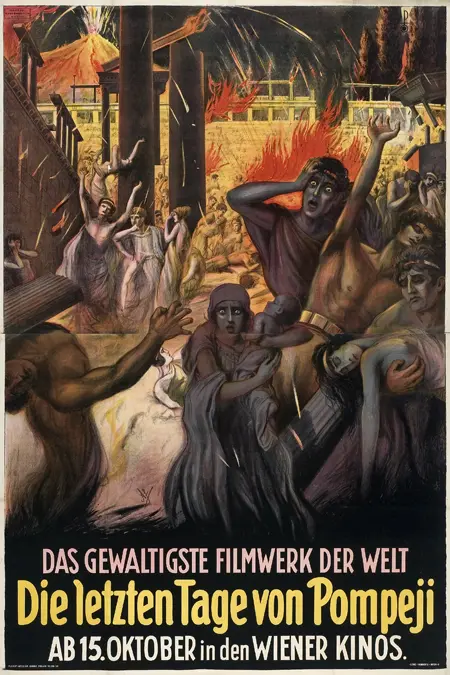
A definitive 6.2/10 rating for a film that redefined the boundaries of cult cinema. The Last Days of Pompeii remains a cornerstone of transgressive art.
Short answer: Yes, but only if you have the patience for the grand theatricality of the silent era. This film is for the visual historian who wants to see the blueprint of the modern disaster movie; it is not for anyone expecting the tight, fast-talking narrative structure of modern cinema.
This film works because it prioritizes the sheer, overwhelming scale of its production over the intimacy of its characters, creating a sense of inevitable doom that modern CGI often fails to replicate. This film fails because its middle act becomes bogged down in a series of melodramatic subplots that feel repetitive and unnecessarily convoluted. You should watch it if you want to witness one of the most ambitious practical effect sequences of the 1920s, featuring an eruption that remains a high-water mark for pre-digital spectacle.
Yes, this 1926 version of The Last Days of Pompeii is worth watching for its historical significance and technical ambition. It serves as a bridge between early silent experiments and the massive Hollywood epics that would follow decades later. If you enjoy seeing how filmmakers solved complex visual problems without digital tools, this film is a treasure trove of practical effects. It offers a window into the decadent storytelling of the 1920s that is rarely seen in modern restorations.

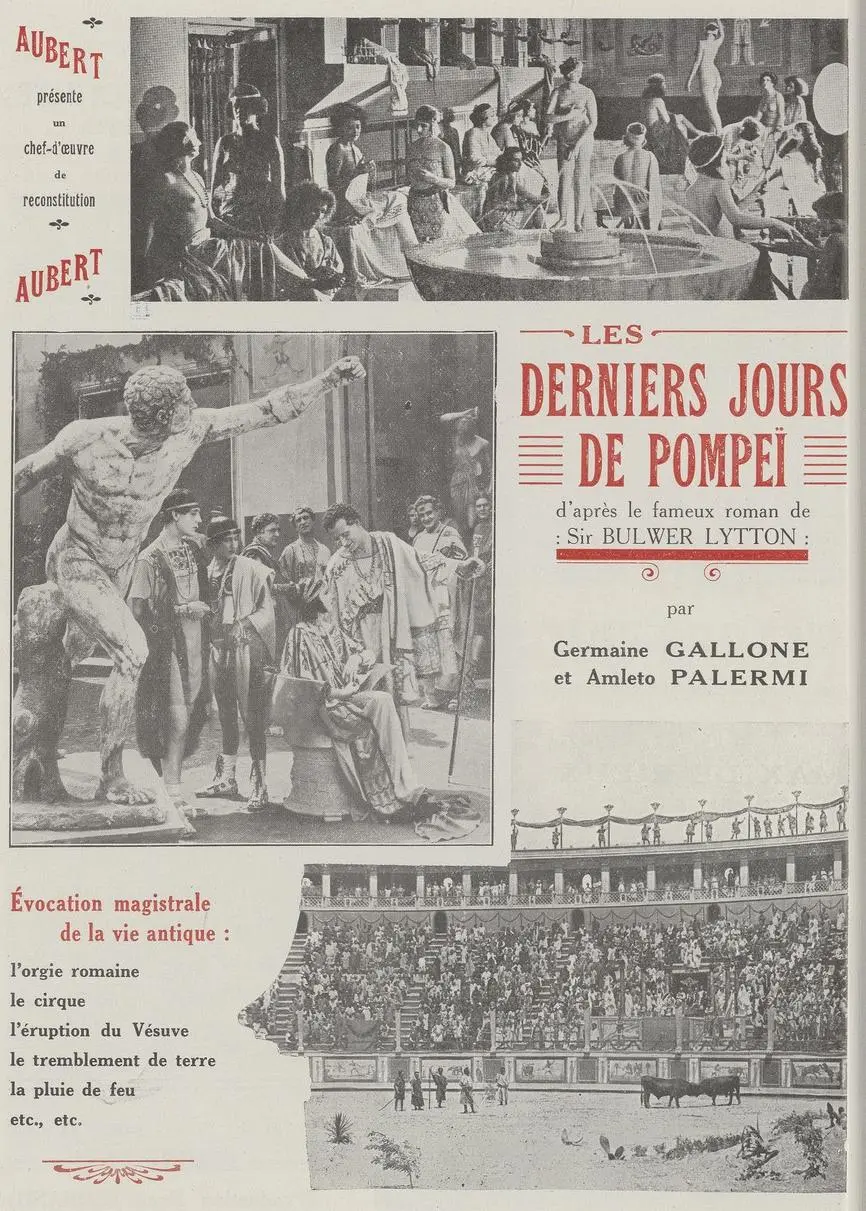
Directors Carmine Gallone and Amleto Palermi approached this adaptation not as a mere story, but as a monolithic reconstruction of Roman life. The sets are not just backdrops; they are sprawling environments that feel lived-in and dangerously opulent. Unlike the more contained drama of Wienerbarnet, Pompeii feels like it is constantly trying to burst out of the frame.
The direction leans heavily into the contrast between the high-society parties and the grit of the gladiatorial pits. There is a specific scene in the temple of Isis where the camera lingers on the smoke and the shadows, creating an atmosphere of dread that predates the horror genre's obsession with occult aesthetics. The directors understood that for the destruction to matter, the city had to feel too big to fail. It works. But it’s flawed.
The pacing, however, is a different story. In an era where films like Trapped in the Air were experimenting with tension through shorter runtimes, Gallone and Palermi allow their epic to breathe—sometimes too much. The political maneuvering between Arbaces and the young lovers can feel like a protracted exercise in patience. Yet, the payoff is undeniably massive.

María Corda brings a luminous, if somewhat standard, silent-era vulnerability to the role of Ione. However, the real standout is Bernhard Goetzke as the villainous Arbaces. His presence is oily and menacing, providing a level of psychological depth that elevates the film above a simple disaster flick. Goetzke’s performance is far more nuanced than the broad strokes seen in Mystic Faces.
Victor Varconi as Glaucus provides the necessary heroic weight, though he is often overshadowed by the sheer volume of the extras and the scenery. There is a moment during the arena sequence where Varconi’s face shifts from defiance to realization as the first tremors hit. It is a subtle piece of acting in a film that is otherwise very loud in its gestures. The supporting cast, including Dria Paola as the blind girl Nydia, adds a layer of pathos that grounds the spectacle.
Nydia is, perhaps, the most interesting character in the entire ensemble. Her blindness, which initially seems like a standard melodramatic trope, becomes her greatest survival tool when the city is plunged into the darkness of volcanic ash. It is an unconventional observation, but the film suggests that those already living in darkness are the only ones prepared for the end of the world. The ash is suffocating.
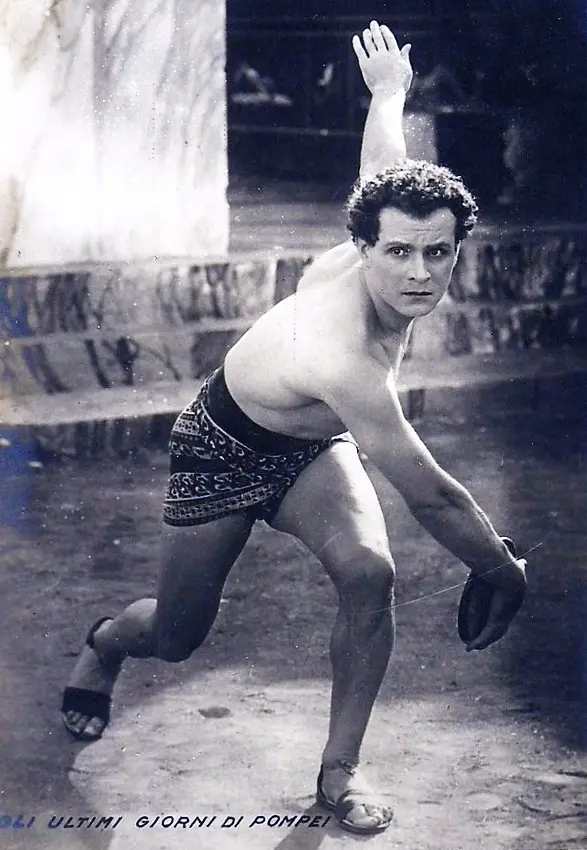
The cinematography by Curt Courant and others is nothing short of a technical marvel for 1926. The use of light in the nighttime sequences of Pompeii’s streets creates a noir-like atmosphere decades before the term existed. When comparing the lighting here to something like The Sea Master, one can see the massive budget of Pompeii being put to work in every frame.
The eruption itself is the film’s crowning achievement. The filmmakers used a combination of miniatures, pyrotechnics, and massive amounts of physical debris falling from the rafters. The result is a chaotic, terrifying sequence that feels more visceral than a modern CGI explosion. You can see the actors actually struggling through the smoke and dust. It’s not just a movie; it’s a captured catastrophe.
The editing during the panic is surprisingly modern. Gallone uses quick cuts to show the collapse of social order, jumping from the fleeing rich to the trapped prisoners and the confused animals in the arena. This frantic rhythm is a sharp departure from the slow-burn romance of the first half. It’s a jarring transition, but it’s effective in conveying the suddenness of the disaster.
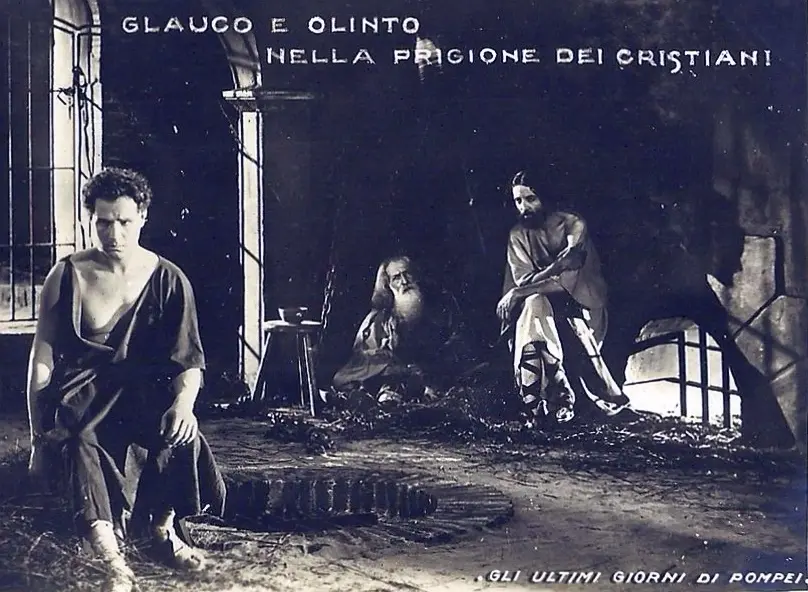
One aspect that often surprises modern viewers is how risqué this 1926 version is. There is a palpable sense of Roman decadence that borders on the erotic. The parties are depicted with a level of bacchanalian energy that feels much more daring than the sanitized social dramas like Cheap Kisses or Sold at Auction.
This isn't just for shock value; it serves the narrative’s moralistic core. The film is essentially a sermon on the fall of a corrupt empire. By showing the 'sinful' nature of Pompeii in such detail, the eventual destruction feels like a divine cleansing. Whether you agree with the film's morality or not, the commitment to depicting Roman 'vice' makes for a much more engaging experience than a dry historical reenactment.
The film takes a hard stance on the inevitability of social collapse when power is divorced from ethics. It’s a cynical view of humanity that feels oddly contemporary. The fire is real. The terror is real. The film doesn't look away from the victims, which gives it a weight that many other silent epics lack.
Pros:
Cons:
The Last Days of Pompeii (1926) is a mammoth achievement that proves silent cinema wasn't just about small, flickering images; it was about big, dangerous ideas. While the melodrama can be thick and the middle section drags, the film's final act is a visceral experience that justifies the entire journey. It is a relic of a time when 'epic' meant thousands of extras and real fire, not just a green screen. It is flawed, yes, but its ambition is so vast that you can't help but be swept up in the ash. If you want to see where the modern blockbuster was born, look no further than this crumbling Roman city.

IMDb —
1928
Community
Log in to comment.