DbcultAccessing Vault...
6.2/10
Senior Film Conservator
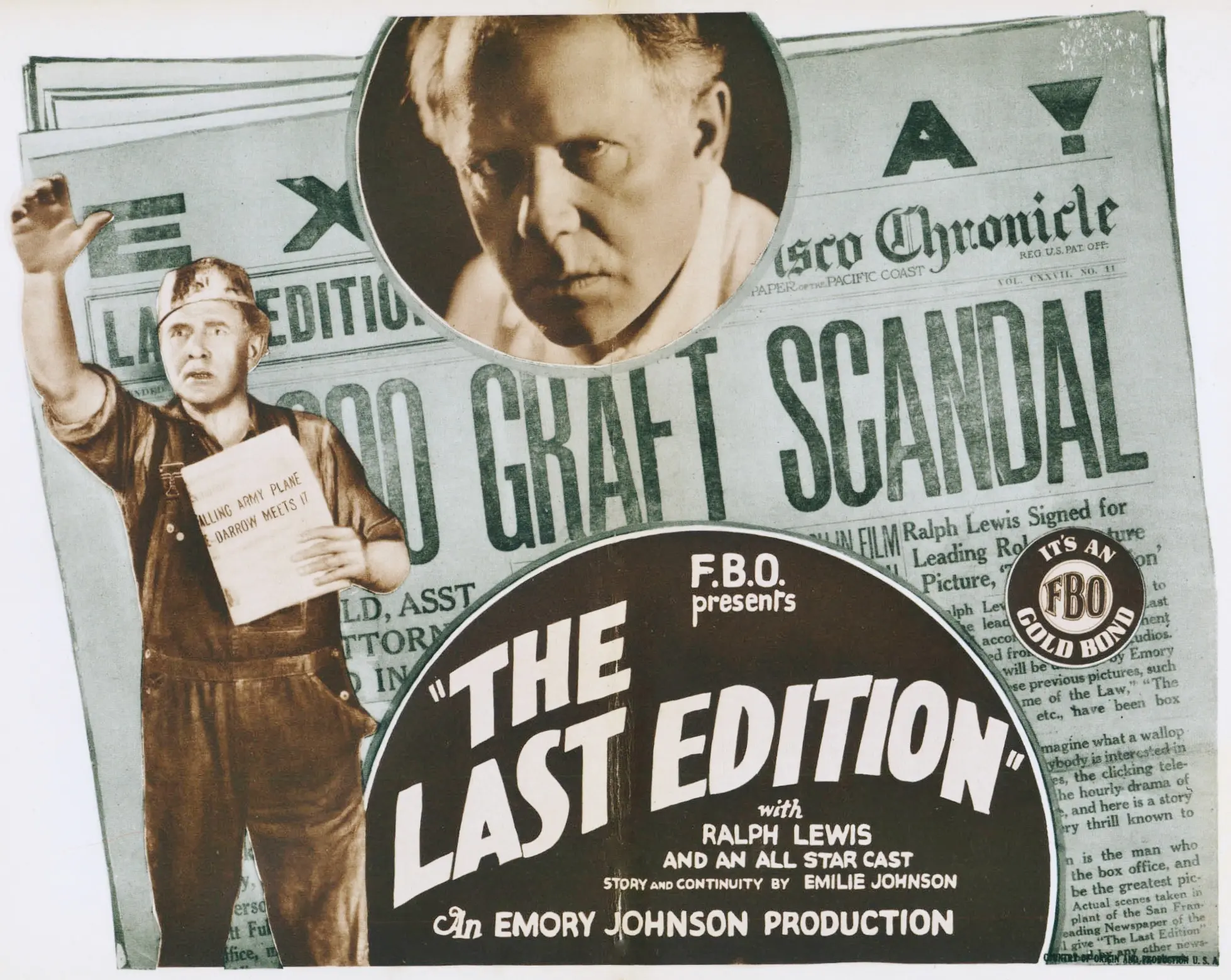
A definitive 6.2/10 rating for a film that redefined the boundaries of cult cinema. The Last Edition remains a cornerstone of transgressive art.
The Last Edition is a cinematic portrayal of journalistic integrity and familial bonds under the relentless pressure of the newspaper industry. Set in the bustling newsrooms of San Francisco, the film masterfully weaves a tale of ambition, betrayal, and redemption. The narrative unfolds through the perspectives of key characters, each contributing to a rich tapestry that explores the moral complexities of their roles.
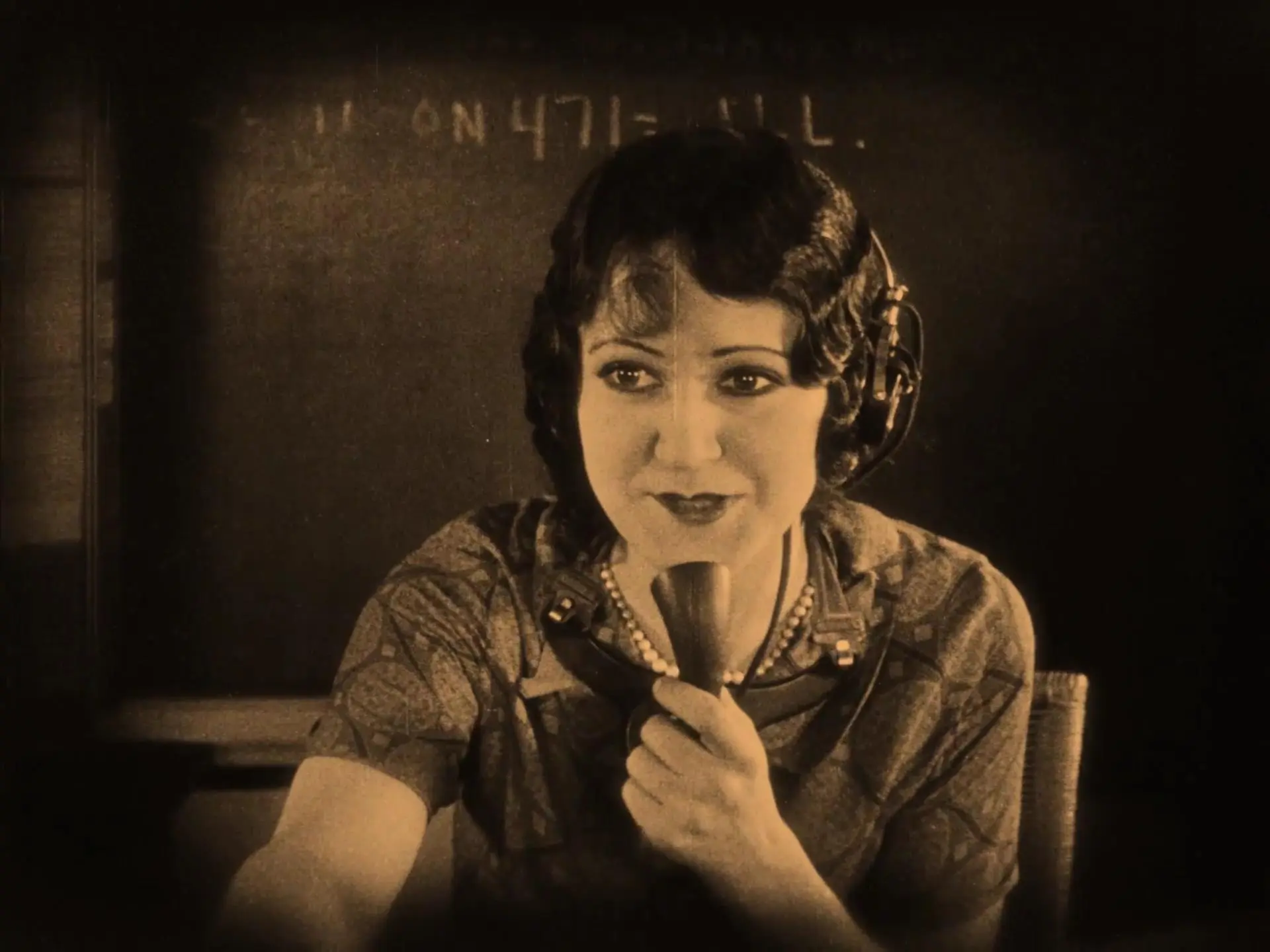
Tom MacDonald, the assistant foreman of the San Francisco Chronicle, finds himself grappling with the harsh realities of corporate politics when he is overlooked for the position of foreman in favor of a younger colleague. This demotion fuels his determination to prove his worth and secure a better future for his family. His son, Ray, meanwhile, finds solace and success in his new job at the district attorney's office, a move that brings a semblance of familial harmony.
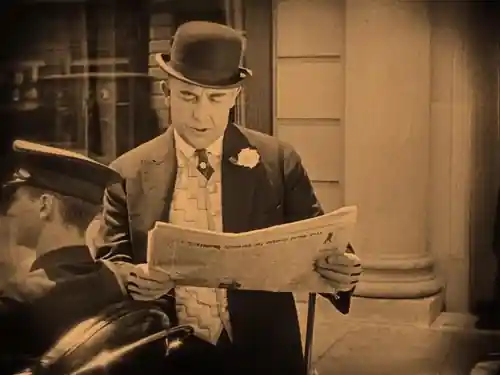
Meanwhile, Clarence Walker, a reporter deeply in love with MacDonald's daughter Polly, is tasked with reporting on the notorious bootlegger Sam Blotz, who is shielded by Assistant District Attorney Gerald Fuller. The assignment quickly spirals into a labyrinth of deceit and moral quandaries. As Walker uncovers evidence that threatens Blotz and Fuller, he becomes increasingly drawn into a dangerous game of cat and mouse. His conscience, however, begins to weigh heavily on him, leading to a profound internal conflict.
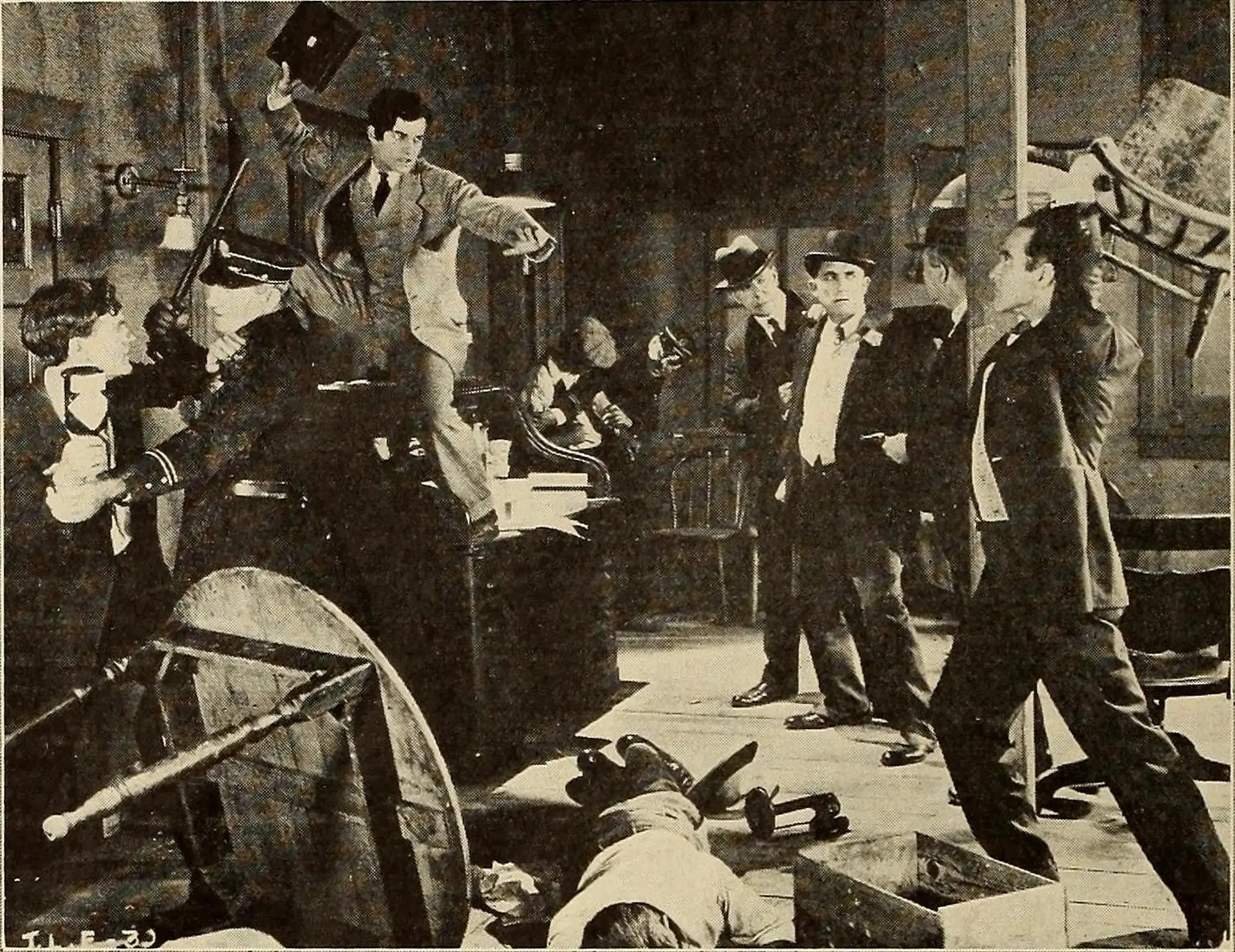
The film's narrative structure is intricately layered, with flashbacks and alternating viewpoints that provide a nuanced understanding of the characters' motivations and the broader social context. The setting of the San Francisco Chronicle newsroom is depicted with meticulous attention to detail, reflecting the high-stakes world of journalism. The production design recreates the atmosphere of a 1930s newspaper office, complete with the clatter of typewriters, stacks of papers, and the palpable tension of breaking news.
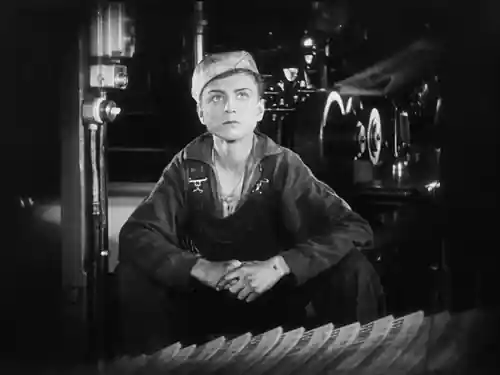
The performances are uniformly strong, with Cuyler Supplee delivering a nuanced portrayal of Tom MacDonald, a man torn between his professional aspirations and his commitment to his family. Frances Teague brings depth to the character of Polly, whose love for Walker and concern for her father form the emotional core of the story. Lee Willard's portrayal of Gerald Fuller, the Assistant District Attorney, is particularly compelling, capturing the villainous yet menacing side of his role. The supporting cast, including Emory Johnson and Louis Payne, also contribute to the rich ensemble, each bringing their own unique energy to the film.
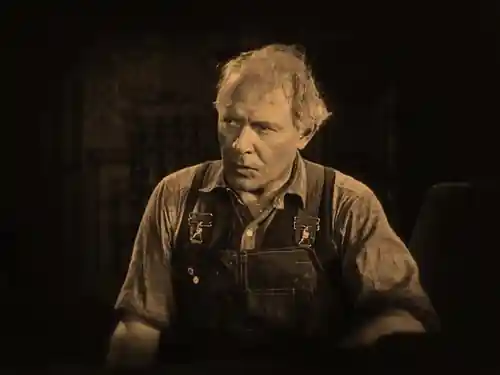
One of the most striking aspects of 'The Last Edition' is its exploration of the moral grey areas that often accompany investigative journalism. The film doesn't shy away from portraying the ethical dilemmas faced by reporters, particularly Walker, who must choose between his duty to the truth and his personal loyalties. This theme is further emphasized through the framing narrative of MacDonald attempting to halt the publication of the evidence, highlighting the tension between corporate interests and journalistic integrity.
The climax of the film is a tense and thrilling sequence that sees MacDonald and his son, Ray, being falsely implicated in Blotz's frame-up. This section of the film is particularly effective in building suspense, with the explosion of the newspaper building serving as a catalyst for the final act. The subsequent revelations and the resolution of the story are satisfying, offering a powerful message about the importance of trust, loyalty, and the pursuit of justice.
Director's choices in 'The Last Edition' are noteworthy for their ability to convey the emotional weight of the narrative without relying on overt sentimentality. The pacing is brisk, allowing for a seamless transition between different plot threads. The film's attention to detail, particularly in the depiction of the newsroom, adds a layer of authenticity that enhances the viewer's immersion. The cinematography, with its use of close-ups and dynamic angles, effectively captures the intensity of the moments, from the hurried scramble to report the story to the dramatic confrontations.
Compared to other films of the era, 'The Last Edition' stands out for its balanced portrayal of the newspaper industry. While there are some parallels with other films like 'The Writing on the Wall,' which also delves into the challenges faced by journalists, 'The Last Edition' offers a more grounded and realistic interpretation. The film's exploration of the human side of journalism, combined with its strong performances and engaging narrative, make it a standout entry in the genre.
Overall, 'The Last Edition' is a compelling and thought-provoking film that offers a fresh perspective on the themes of journalism, family, and the pursuit of truth. Its rich character development, intricate plotting, and strong performances make it a must-watch for fans of the genre, as well as those interested in the historical context of the American newspaper industry. With its blend of dramatic tension and emotional depth, the film delivers a satisfying and memorable cinematic experience.
IMDb 5.2
1926
Community
Log in to comment.