DbcultAccessing Vault...
8/10
Senior Film Conservator
A definitive 8/10 rating for a film that redefined the boundaries of cult cinema. The Last Man remains a cornerstone of transgressive art.
Is The Last Man (1925) worth watching today? Short answer: absolutely, but with significant caveats. This silent-era curiosity is an essential watch for cinephiles, silent film enthusiasts, and those fascinated by the early roots of sci-fi horror, offering a unique glimpse into the genesis of genre filmmaking. However, it will undoubtedly test the patience of mainstream audiences accustomed to modern pacing and narrative conventions, making it a niche experience rather than a universal recommendation.
This film works because it fearlessly explores unsettling themes of dehumanization and scientific hubris, pushing boundaries for its time. It fails because its rudimentary narrative structure and often melodramatic silent film acting can feel alienating to contemporary viewers. You should watch it if you appreciate the historical context of cinema, enjoy pulpy early horror, and are willing to engage with a film that prioritizes atmosphere and grand gestures over subtle storytelling.
At its core, The Last Man presents a concept so disturbing it remains potent even a century later: the idea of human beings treated as caged animals. The film wastes little time in establishing its central horror, depicting the abduction of Jim Mason and Hedda Nova and their subsequent imprisonment in a South American jungle. This isn't just a physical capture; it's a profound psychological violation, as their very humanity is stripped away under the cold, calculating gaze of a mad scientist.
The genius of the premise lies in its simplicity and its unsettling reversal of roles. Humans, typically the keepers of zoos, become the exhibits. This inversion taps into primal fears of powerlessness and loss of identity, making it far more than a mere adventure tale. The jungle setting itself becomes a character, a suffocating, untamed backdrop that mirrors the captives' own descent into a more primitive state of existence.
The motivations of William Ehfe's scientist are never fully articulated, which paradoxically enhances his menace. He is a force of nature, a detached intellect driven by an inscrutable, almost alien, curiosity. This lack of clear motivation transforms him from a mere villain into an embodiment of scientific hubris run amok, a chilling reflection of societal anxieties surrounding unchecked progress and the dark side of exploration. The film, in its own primitive way, sets a precedent for later narratives exploring the ethical quandaries of scientific experimentation.
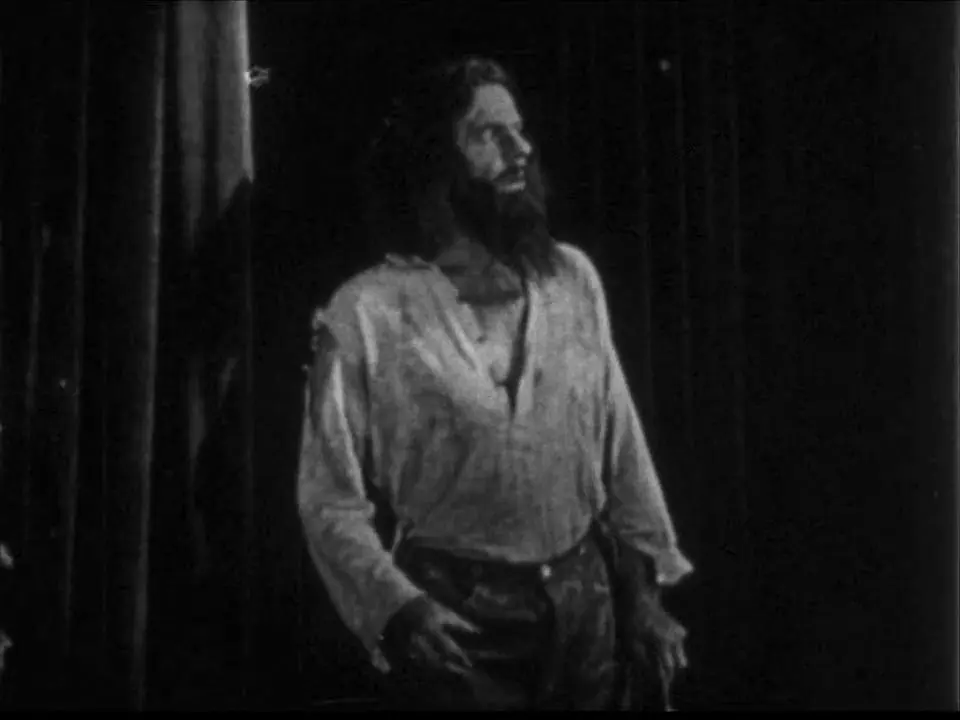
In the silent era, acting was a delicate balance of exaggerated gesture and raw emotional expression, and The Last Man is a masterclass in this particular art form. Jim Mason, as the titular 'last man' in the scientist's twisted experiment, conveys a palpable sense of desperation and primal fight. His physical struggles against the bars of his cage, his wide-eyed terror, and his moments of defiant rage are communicated with a theatricality that, while perhaps over-the-top by modern standards, was essential for conveying emotion without spoken dialogue.
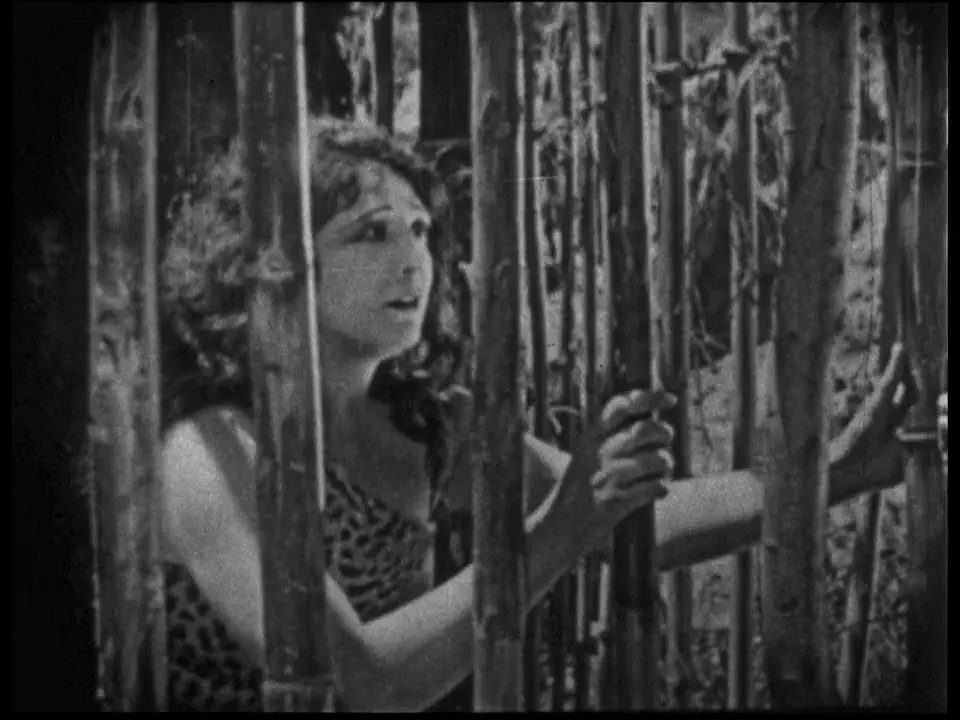
Hedda Nova, as the captured woman, is equally compelling. Her performance relies heavily on facial contortions and body language to express fear, vulnerability, and a burgeoning will to survive. There's a particular scene where she gazes out from behind the enclosure, her eyes conveying a profound sense of loss and bewilderment, that transcends the limitations of the medium. It’s a moment of quiet despair that speaks volumes.
William Ehfe, as the enigmatic mad scientist, delivers a performance that is less about overt emotion and more about chilling presence. His movements are precise, his gaze often cold and analytical, creating a stark contrast to the animalistic fear of his captives. He embodies the detached, almost god-like figure, observing his human specimens with a disturbing lack of empathy. It's a portrayal that relies on stillness and subtle menace, proving that even in the era of grand gestures, understated performances could leave a lasting impression.
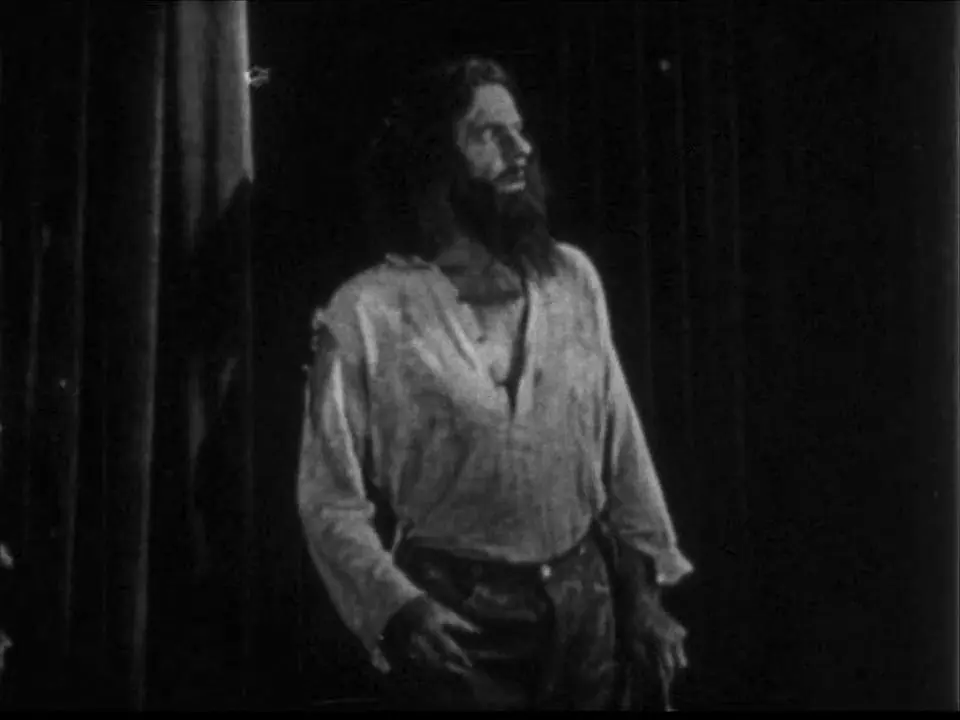
Together, the cast navigates the demands of silent cinema with a commitment that sells the outlandish premise. They rely on their physicalities and the power of their expressions to bridge the gap between audience and narrative, creating characters whose plight, however melodramatic, feels genuinely harrowing. Their work here is a testament to the universal language of fear and the raw power of human emotion.
While the director remains uncredited or unknown, the filmmaking choices in The Last Man demonstrate a clear, albeit rudimentary, understanding of how to build suspense and convey a disturbing atmosphere. The pacing, characteristic of its era, is deliberate. It allows the horror to slowly seep in, rather than relying on jump scares or rapid-fire sequences. This slow burn can be challenging for contemporary viewers, but it effectively ratchets up the psychological tension, forcing the audience to sit with the captives' predicament.
The framing often emphasizes the claustrophobia of the human zoo. Close-ups on the bars, or shots that place the characters squarely within the confines of their enclosures, visually reinforce their imprisonment. There's a palpable sense of being watched, an omnipresent gaze from the scientist that extends to the audience, making us complicit in the observation. This particular use of framing is surprisingly sophisticated for a 1925 production, demonstrating an intuitive grasp of visual storytelling.
The tone of the film is consistently bleak and unsettling, punctuated by moments of desperate struggle. There's little levity, which ensures the grim reality of the situation is never undermined. The filmmakers also utilize intertitles not just for dialogue, but for establishing mood and providing exposition, often with stark, declarative statements that add to the film's sense of existential dread. This careful orchestration of visual and textual elements is what elevates the film beyond simple B-movie fare.
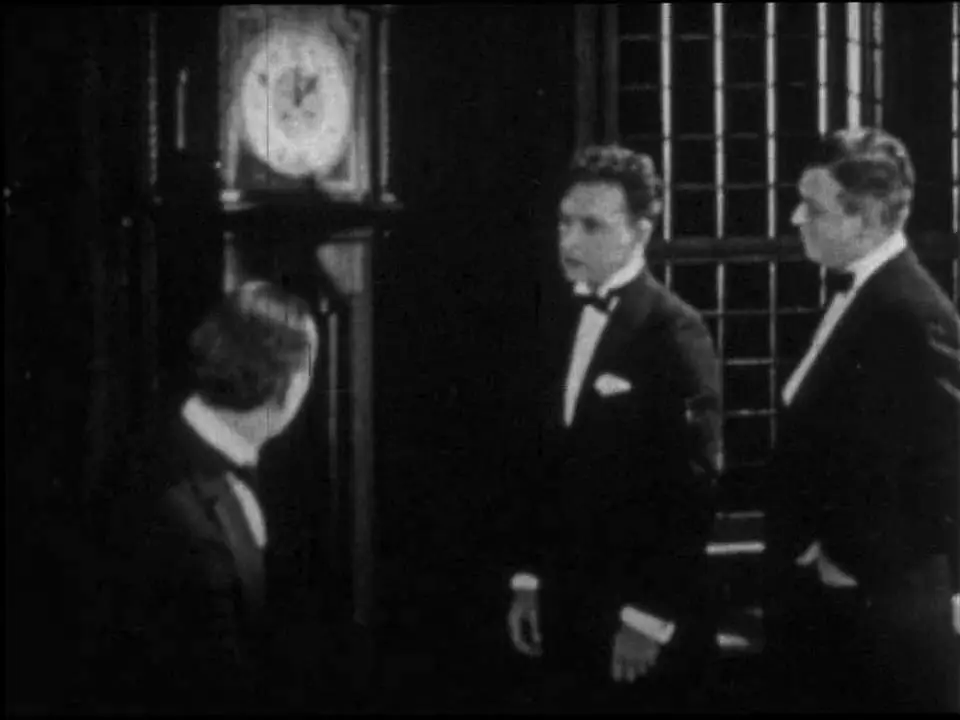
A particular directorial choice that stands out is the gradual reveal of the scientist's full operation. Instead of an immediate exposé, the audience, much like the captives, pieces together the horror of their situation over time. This incremental reveal builds a sense of dread that is arguably more effective than an instant shock. It's a foundational technique in horror that The Last Man employs with surprising efficacy, showcasing early cinematic ingenuity.
For a film produced in 1925, the visual ambition of The Last Man is commendable, even if its execution occasionally betrays its budgetary and technological limitations. The depiction of the South American jungle, while clearly studio-bound, manages to convey a sense of exoticism and untamed wildness. Matte paintings and constructed foliage create a lush, albeit somewhat artificial, environment that serves its purpose as a backdrop for the bizarre human zoo.
The set design for the cages themselves is strikingly effective. Simple, stark, and functional, they immediately communicate the indignity of the captives' situation. The use of real bars and minimal props within the enclosures emphasizes the reduction of human beings to mere specimens. The scientist's laboratory, though briefly seen, hints at a world of cold, clinical experimentation, a stark contrast to the organic chaos of the jungle outside.
Cinematography, while not groundbreaking in its technicality, makes effective use of available lighting to create mood. Shadows are employed to heighten mystery and menace, particularly around the figure of the scientist. There are moments where the interplay of light and shadow on the captives' faces enhances their emotional turmoil, a clear nod to the expressionistic influences prevalent in cinema of the era. This visual style, while not as refined as German Expressionism, certainly draws from its principles to imbue the film with a darker, more psychological edge.
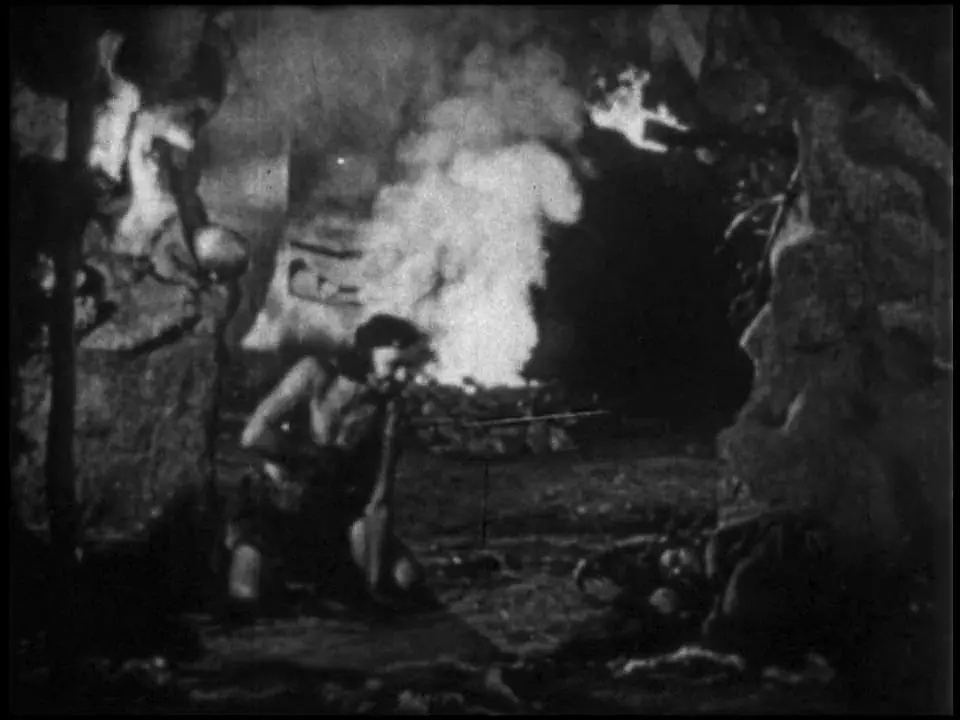
One surprisingly effective visual is the way the camera lingers on the empty spaces within the cages, or on the eyes of the captives peering out. These shots, simple as they are, convey a powerful sense of longing and entrapment. They turn the audience into voyeurs, complicit in the scientist's observation, a bold move for a film of this vintage. The production design, despite its constraints, manages to build a believable, terrifying world.
Yes, The Last Man (1925) is absolutely worth watching today, but with specific expectations. It's not a film for casual viewing or for those seeking modern action. This is a journey back in time to the very foundations of genre cinema. It offers a unique historical context for understanding how sci-fi and horror tropes evolved. The film provides a fascinating glimpse into early cinematic terror and the raw power of visual storytelling before the advent of sound. It's a challenging watch, but a rewarding one for the right audience.
Beyond its surface-level thrills, The Last Man resonates with several deeper thematic concerns that remain relevant. The film is a chilling exploration of the ethics of scientific endeavor, questioning the moral boundaries of knowledge pursuit when it infringes upon human dignity. The scientist, in his quest to understand humanity by reducing it to its animalistic core, embodies the dangers of detached intellectualism and unchecked power. This theme predates and echoes in later, more famous works like Integritas (though a different genre, it shares a focus on moral dilemmas) and even the works of H.G. Wells.
The dehumanization of the captives is another powerful current running through the film. By stripping Mason and Nova of their clothes, their freedom, and their agency, the film forces viewers to confront what truly defines humanity. Are we merely animals capable of reason, or something more? The jungle setting itself contributes to this, suggesting a return to a primal state, where the veneer of civilization is peeled back. It's a stark, almost philosophical inquiry presented through a pulpy lens.
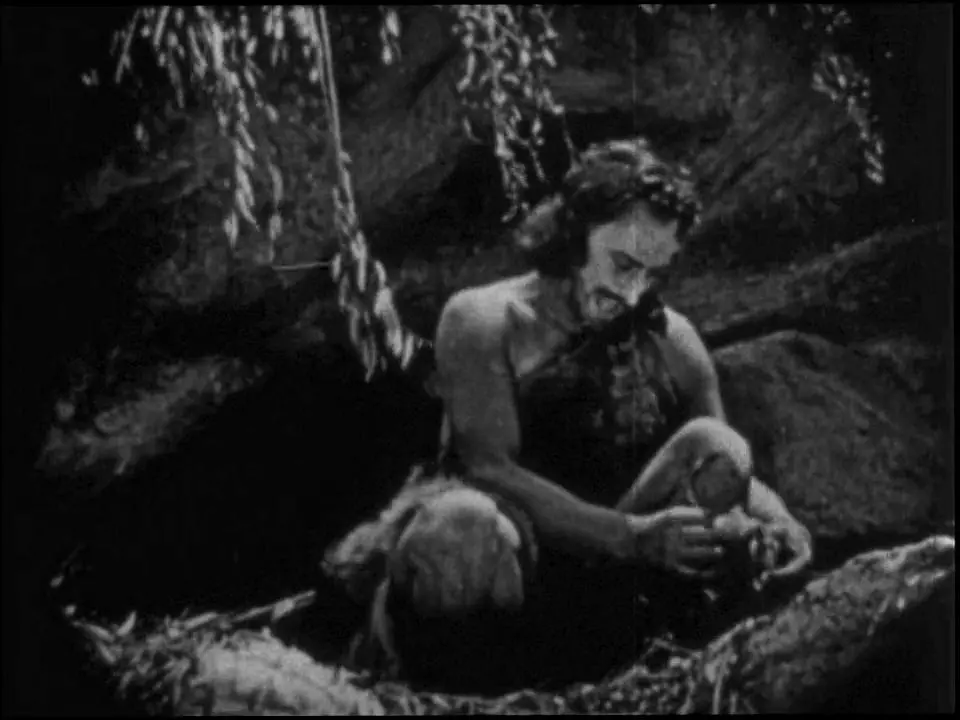
An unconventional observation is how the film, perhaps inadvertently, touches upon anxieties related to colonialism and the 'othering' of indigenous populations. While the captives are western, the setting and the scientist's 'collection' mentality evoke the historical practice of bringing 'exotic' peoples back to Europe for exhibition. This subtext, whether intended or not, adds a layer of disturbing social commentary, making the film more than just a simple monster-in-the-jungle narrative. It challenges the viewer to consider power dynamics and the arrogance of perceived superiority.
The struggle for survival against overwhelming odds is also a key theme. Mason and Nova’s fight isn’t just against the scientist, but against despair and the erosion of their own identities. This raw depiction of the will to live, even in the most degrading circumstances, forms the emotional core of the film, providing a relatable anchor amidst the fantastical horror.
The pacing of The Last Man is undeniably a product of its time. Silent films, without the benefit of rapid-fire dialogue or complex sound design, often unfolded at a more deliberate speed, relying on visual cues and intertitles to advance the narrative. This film is no exception. It is a slow burn, meticulously building its unsettling atmosphere rather than rushing towards climaxes. For modern audiences accustomed to the frenetic energy of contemporary cinema, this can feel sluggish, even tedious.
However, to dismiss it solely on this basis would be to miss its unique power. The slow pace allows the dread to truly sink in. It forces the audience to dwell on the captives' predicament, to feel the weight of their imprisonment, and to absorb the grim reality of their situation. This protracted sense of confinement and vulnerability is a deliberate artistic choice, enhancing the psychological horror rather than detracting from it. It’s a bold gamble that pays off for patient viewers.
The tone remains consistently grim and suspenseful. There are few, if any, moments of relief or levity, which maintains a pervasive sense of unease throughout. The intertitles, rather than just delivering dialogue, often serve to amplify this tone, providing stark pronouncements or rhetorical questions that heighten the film's philosophical undercurrents. This cohesive tonal consistency ensures that the audience is fully immersed in the film's dark world.
One could argue that the slow pacing of films like The Last Man, or even other silent adventures such as The Devil's Trail, inadvertently makes the final moments of action feel more impactful. When the characters finally rebel or attempt escape, the build-up makes these sequences feel earned and desperate. It’s a different kind of cinematic rhythm, one that demands a different kind of engagement, but it is effective in its own right.
The Last Man (1925) is a fascinating, if flawed, relic of early cinema. It’s a film that demands patience and an appreciation for its historical context, but it rewards those willing to engage with its unique brand of silent terror. Its premise is shockingly prescient, touching on fears of scientific overreach and the fragility of human dignity that remain relevant today. The performances, while steeped in the theatricality of the era, convey a raw, desperate energy that is genuinely compelling. It works. But it’s flawed.
This isn't just a movie; it's a window into the nascent stages of cinematic horror, a testament to the power of a simple, horrifying idea. While it won't appeal to everyone, its place in film history is undeniable, and its capacity to unsettle endures. For those who can look past its age, The Last Man offers a chilling, thought-provoking experience that solidifies its status as a forgotten gem of the silent era. It's a challenging watch, but one that cinephiles should absolutely seek out.

IMDb —
1929
Community
Log in to comment.