DbcultAccessing Vault...
6.1/10
Senior Film Conservator
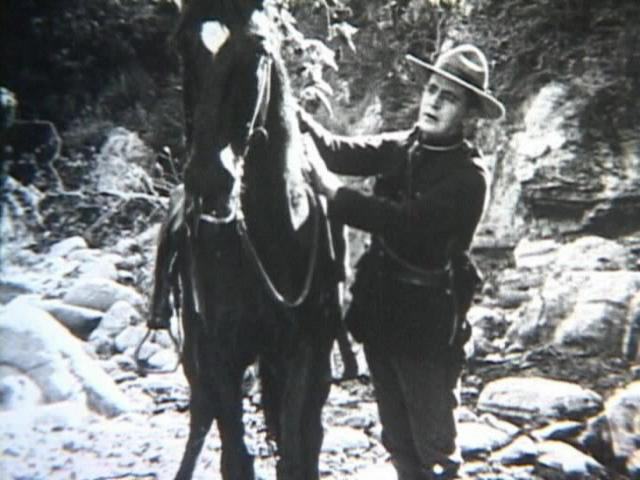
A definitive 6.1/10 rating for a film that redefined the boundaries of cult cinema. Until They Get Me remains a cornerstone of transgressive art.
Stepping back into the flickering glow of early cinema, one often anticipates quaint narratives or melodramatic excesses. Yet, with films like 1917's 'Until They Get Me,' we are consistently reminded of the profound storytelling capabilities and raw emotional power inherent in the silent era. This isn't just a historical artifact; it's a pulsating drama that delves deep into the human psyche, examining the harrowing consequences of a single, life-altering moment. At its core, the film is a masterclass in tension, a relentless, breathless chase that transcends its years, pulling the viewer into the desperate world of its protagonist, Kirby.
The premise is stark, yet universally resonant: Kirby, portrayed with breathtaking intensity by Pauline Starke, is thrust into an unenviable position. A moment of self-defense, a primal instinct to survive, leads to an accidental death. Suddenly, the world shifts on its axis. The comfort of normalcy evaporates, replaced by the chilling reality of being a fugitive. The law, an impartial and often unforgiving entity, views her not as a victim of circumstance but as a perpetrator. This immediate pivot from ordinary citizen to hunted prey establishes a narrative framework that is both compelling and deeply tragic. It's a testament to Kenneth B. Clarke's writing that such a simple premise can yield such profound emotional depth, even a century later.
Pauline Starke, a name perhaps less ubiquitous in modern cinematic discourse than some of her contemporaries, delivers a performance here that demands re-evaluation and celebration. Her portrayal of Kirby is a visceral symphony of fear, resilience, and quiet desperation. Without the aid of spoken dialogue, Starke's face becomes a canvas of shifting emotions. Her eyes, wide with terror one moment, narrowed with fierce determination the next, communicate volumes. The subtle tremors in her hands, the way she holds her body—initially rigid with shock, later hunched in perpetual evasion—all contribute to a portrait of a woman pushed to the absolute brink.
What makes Starke's performance truly remarkable is her ability to convey the internal struggle. This isn't merely an external flight from the police; it's an internal battle against guilt, fear, and the crushing weight of a society that has condemned her. We witness her moments of profound loneliness, her fleeting glimpses of hope swiftly extinguished by the ever-present threat of discovery. It’s a nuanced, empathetic performance that ensures Kirby remains a sympathetic figure, even as her actions place her outside the bounds of the law. One might draw a thematic parallel to the existential dread and moral quandaries explored in Prestuplenie i nakazanie, where the protagonist's internal torment is as potent as any external consequence, even if the initial act differs in intent. Starke captures this internal agony with an arresting clarity that is rarely seen.
The film's direction, while perhaps not as overtly stylized as some German Expressionist works that would follow, is remarkably effective in building and sustaining suspense. The camera often acts as an omniscient observer, sometimes closing in on Kirby's face to emphasize her isolation, other times pulling back to show her vulnerable within vast, indifferent urban landscapes. The editing is crisp, driving the narrative forward with an urgency that belies the film's age. Scenes of pursuit are choreographed with a kinetic energy that keeps the audience on edge, utilizing the visual language of cinema to its fullest potential.
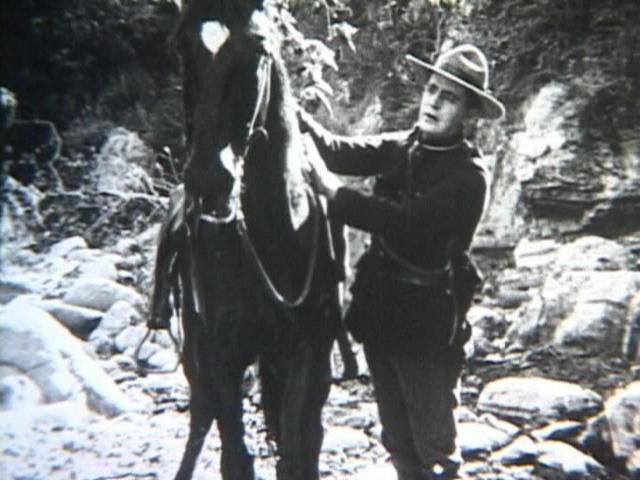
The use of shadows and light, a hallmark of early cinema, is particularly adept here. Kirby often finds herself literally in the shadows, a metaphor for her hidden existence. Moments of vulnerability are often bathed in harsh, exposing light, while her escapes are facilitated by the cloak of darkness. This visual dichotomy effectively enhances the emotional impact, underscoring the constant threat and the precariousness of her freedom. The film’s ability to conjure a palpable sense of dread and urgency without a single spoken word is a testament to the filmmakers' mastery of visual storytelling. It’s a tension that feels remarkably modern, anticipating later thrillers in its psychological grip.
'Until They Get Me' is far more than a simple chase movie. It's a nuanced exploration of justice, morality, and the societal constructs that define guilt and innocence. Kirby's act, while resulting in death, is presented as an act of pure self-preservation. Yet, the law, in its often-impersonal application, doesn't always distinguish between intent and outcome. This moral ambiguity is where the film truly shines, inviting the audience to grapple with fundamental questions about right and wrong, and the fairness of a system that can so easily crush an individual caught in its gears.
The film subtly critiques the notion of absolute justice, presenting a protagonist who, while legally culpable, is morally sympathetic. This tension between legal and moral culpability is a powerful engine for the narrative, making us root for Kirby's escape even as we understand the societal imperative for her capture. This thematic richness elevates 'Until They Get Me' beyond mere entertainment, cementing its place as a thought-provoking piece of cinema. The relentless pursuit of a flawed individual by an unyielding system can be seen, perhaps, in the similar struggles for survival and vindication found in films like The Ragamuffin, where characters are often misjudged or pursued due to societal circumstances rather than inherent malice.
While Pauline Starke undeniably carries the film, the supporting cast plays a crucial role in grounding the narrative. Joe King, as the law enforcement figure, embodies the stern, uncompromising face of justice. His presence is a constant, looming threat, a physical manifestation of the system Kirby is trying to evade. Yet, even in this seemingly black-and-white portrayal, there are moments of subtle humanity, hints that he, too, is merely performing his duty within a larger, impersonal structure. Jack Curtis, Anna Dodge, Walter Perry, and Wilbur Higby round out the ensemble, each contributing to the fabric of the world Kirby inhabits, whether as fleeting allies, indifferent bystanders, or further obstacles in her desperate flight.
The film's narrative isn't just about escape; it's about the desperate search for refuge and understanding. Kirby's journey forces her into various encounters, each one a potential turning point. These interactions, however brief, reveal the complex tapestry of human nature – some offer fleeting kindness, others betrayal, and many simply indifference. This mosaic of human experience underscores Kirby's profound isolation, emphasizing that even amidst crowds, she remains utterly alone in her secret struggle. The burden of a hidden truth and the profound impact it has on one's life, creating an 'invisible enemy' of fear and suspicion, is a theme powerfully echoed in The Invisible Enemy, albeit through a different narrative lens.
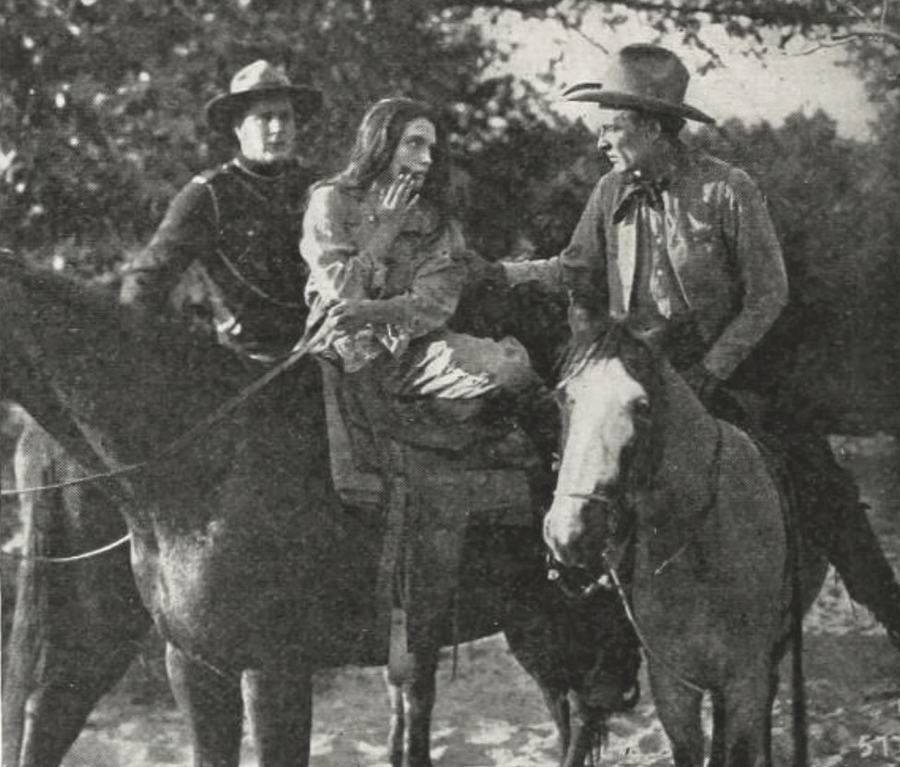
'Until They Get Me' stands as a powerful reminder of the enduring appeal of a well-told story, even without the technological advancements we now take for granted. It proves that compelling characters, universal themes, and skilled direction are the true cornerstones of cinematic artistry. The film's ability to evoke such strong emotional responses, to make the audience feel the protagonist's terror and desperation, is a testament to its timeless quality. It’s not merely a historical curiosity but a vibrant, engaging piece of storytelling that continues to resonate with contemporary audiences willing to immerse themselves in the artistry of the silent era.
The narrative's relentless pace and emotional intensity create a viewing experience that is both exhilarating and poignant. The absence of dialogue forces a deeper engagement with the visual language, compelling the viewer to interpret every gesture, every facial expression, every subtle shift in the mise-en-scène. This active participation enriches the experience, making the audience a co-conspirator in Kirby's flight, a silent witness to her ordeal. The psychological toll of living a lie, or a perceived lie, resonates deeply, drawing parallels to the intricate web of deception and personal cost seen in Secret Love, where characters are similarly trapped by circumstances of their own making or by fate.
Ultimately, 'Until They Get Me' is a profound meditation on the resilience of the human spirit in the face of overwhelming adversity. Kirby's fight for survival is not just a physical one; it's a battle to maintain her dignity, her sense of self, and perhaps, her hope for a future where she is not defined by a single, tragic event. Her journey, fraught with peril and punctuated by moments of near-capture, speaks to a fundamental human desire for freedom and the right to exist without constant fear. This tenacious will to survive, to endure against an oppressive force, echoes the spirit found in stories like The Dawn of a Tomorrow, where characters find strength amidst seemingly insurmountable challenges.
The film's title itself, 'Until They Get Me,' is a defiant declaration, a promise of resistance until the very last moment. It encapsulates the protagonist's unwavering resolve, even when all odds are stacked against her. This sense of desperate, unyielding determination is what truly elevates the film from a simple crime drama to a powerful character study. It’s a narrative that explores the limits of human endurance, the psychological impact of being an outcast, and the desperate measures individuals will take to protect their freedom and their very lives.
In conclusion, 'Until They Get Me' is a compelling and often heart-wrenching piece of silent cinema that deserves a wider audience. Its powerful performances, particularly from Pauline Starke, combined with its taut direction and resonant themes, make it a timeless classic. It reminds us that the fundamental struggles of humanity – for justice, for freedom, for understanding – remain constant, regardless of the era or the technological advancements of filmmaking. It's a film that stays with you long after the final frame, prompting reflection on the complexities of justice and the enduring strength of the human will. It's a testament to the fact that even in an age without synchronized sound, the emotional depth and narrative sophistication could be utterly captivating. This film is a vital entry in the canon of early American cinema, showcasing how effectively a story of profound human struggle can be conveyed through purely visual means, leaving an indelible mark on the viewer's consciousness.
IMDb 5.9
1933
Community
Log in to comment.