DbcultAccessing Vault...
Cult Review
Senior Film Conservator
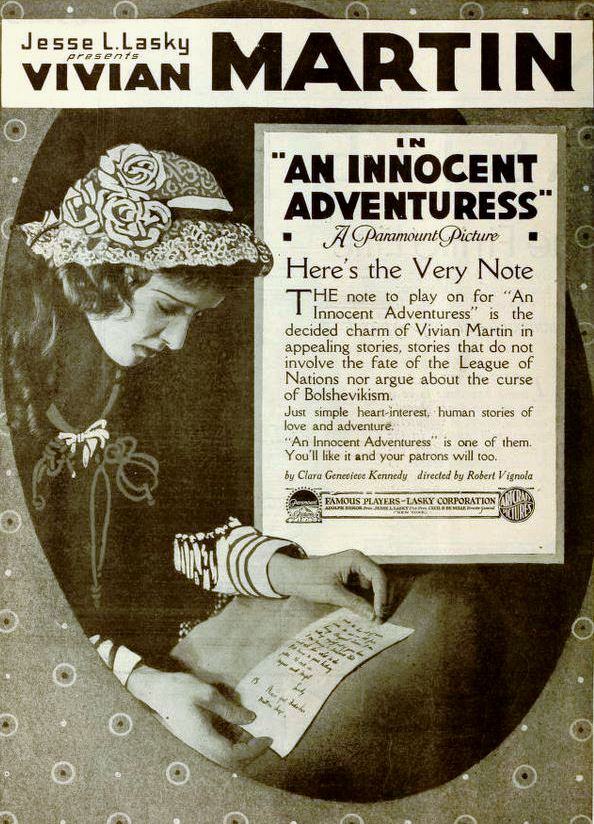
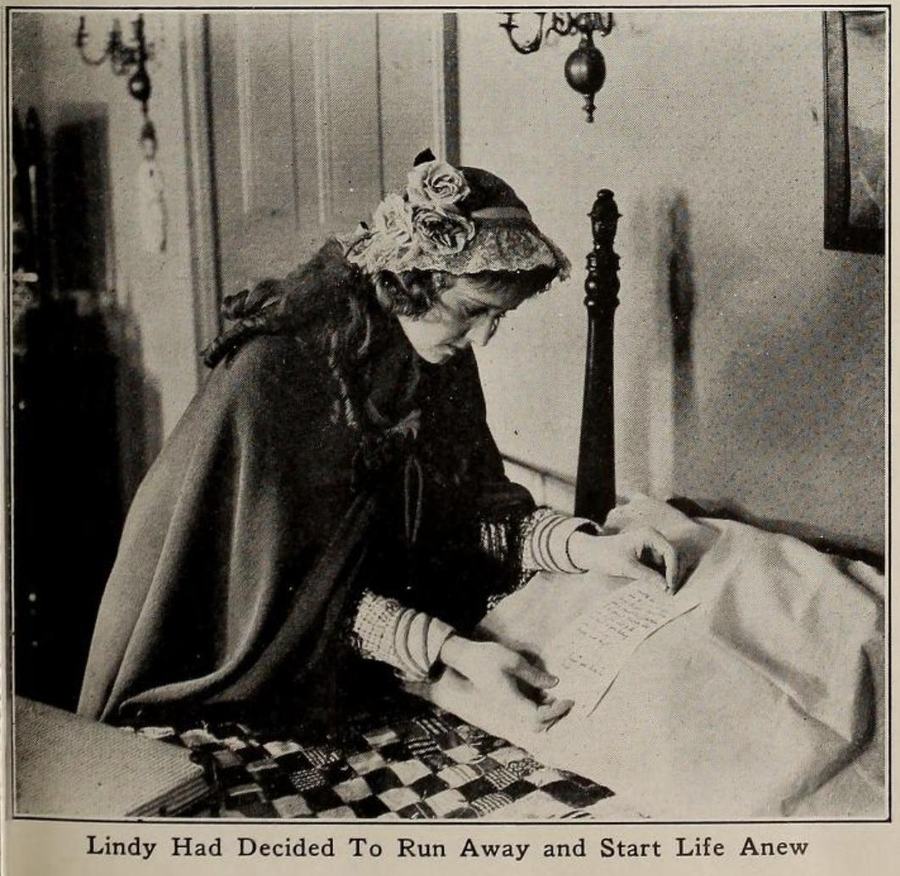
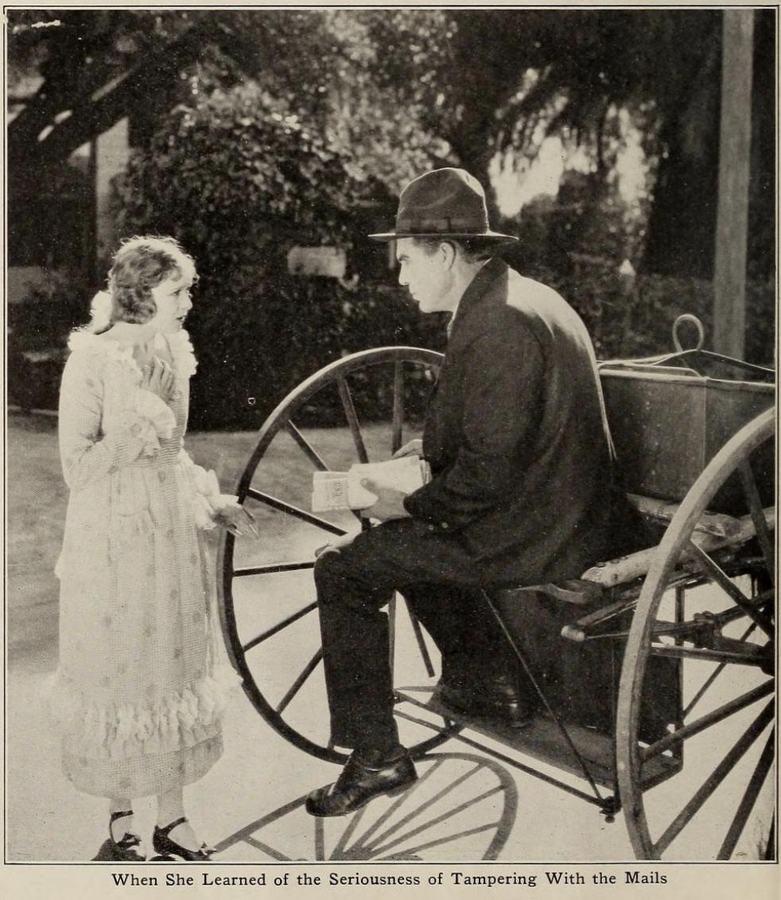
Robert Thornby's 1919 farce An Innocent Adventuress operates like a grandfather clock wound too tight—each gear of misunderstanding clicking against the next until the entire mechanism threatens explosive disintegration. What begins as Lindy's (Vivian Martin) well-intentioned delay of a neighbor's mail spirals into a maelstrom where reformed thieves relapse, garden implements become existential threats, and the American legal system looms like a vengeful deity over a shredded envelope. The genius lies not in the contrivance itself—silent comedies traded in such absurdities—but in how screenwriter Clara Genevieve Kennedy weaponizes Edwardian social anxiety. Lindy doesn't merely fear punishment; she internalizes the judgment of an entire society where a woman's moral worth is measured by postal compliance.
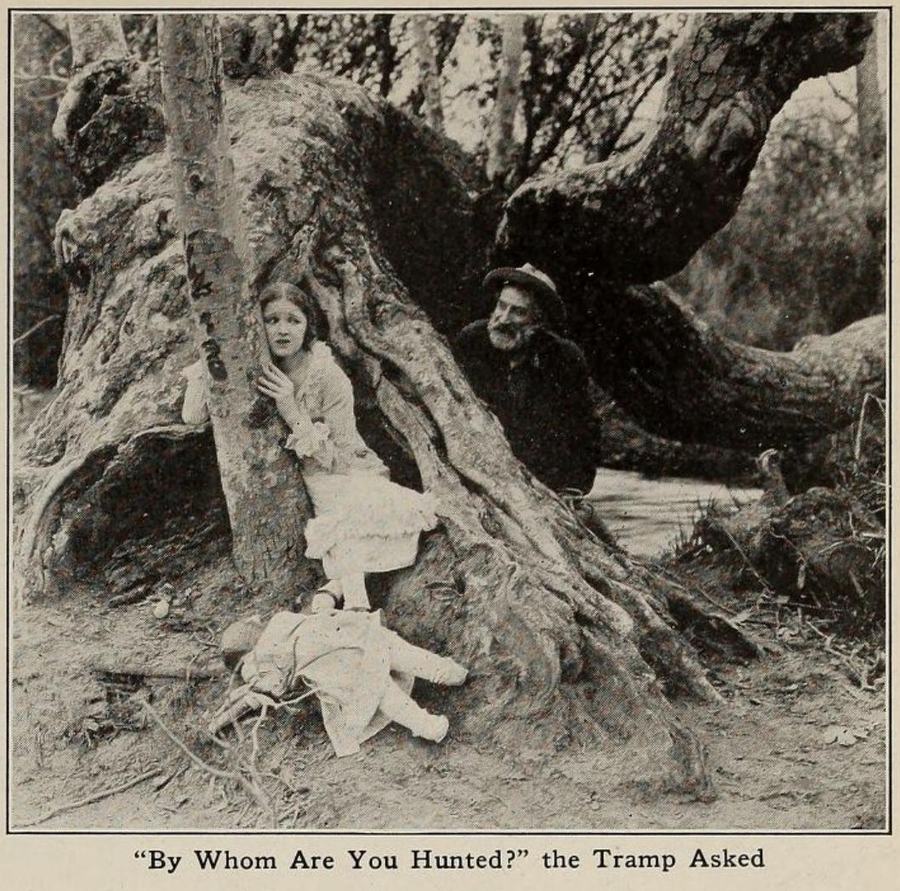
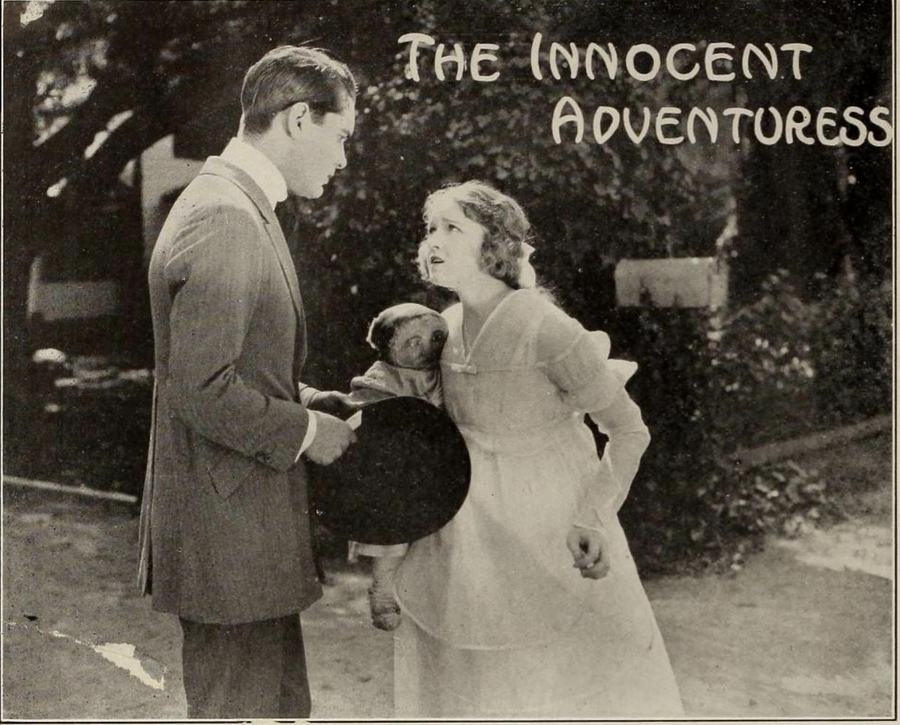
Martin's Lindy is a fascinating study in "physical morality"—her body telegraphing guilt before her mind comprehends transgression. Watch how she folds inward upon learning mail theft is a felony, shoulders collapsing as if weighted by invisible shackles. Lloyd Hughes' Dick Ross provides perfect counterpoint; his reformist zeal visibly crumbles when he mistakes Lindy's kindness toward Chilowee Bill (Tom Bates) for criminal collusion. Hughes' physicality shifts—the reformed man's upright posture slackens into the familiar prowl of his former life—communicating decades of backstory through spinal curvature alone. Edythe Chapman's Mrs. Cribbley deserves particular acclaim for transforming what could be a caricatured dowager into a nuanced portrait of bourgeois neurosis. Her pearl-clutching horror upon discovering the jewel theft isn't greed—it's terror that her carefully ordered universe has succumbed to entropy.
Thornby's visual strategy echoes the narrative's descent into bedlam. Early scenes employ symmetrical compositions—Lindy framed centrally against her bucolic backdrop, embodying societal expectations. As chaos ensues, the camera adopts destabilizing Dutch angles during Doc Brogan's (Jim Farley) burglary sequence, the tilted frames mirroring moral disorientation. Most striking is the chiaroscuro lighting during Dick's crisis of conscience: his face bisected by shadow as he contemplates returning to crime, half-illuminated by a streetlamp that seems less celestial beacon than interrogation lamp. Compare this to the pastoral flatness of daylight scenes where Lindy first intercepts the letter—a visual metaphor for how urban complexity corrupts rural simplicity. The climactic confession scene bathes Chilowee Bill in buttery gaslight (#EAB308), rendering his false admission simultaneously heroic and pathetic.
Kennedy's masterstroke arrives in the denouement's brutal bathos. After ninety minutes of felonious implications, shattered reputations, and physical violence, the reconstituted letter reveals itself as a request to return gardening equipment. This isn't mere comic relief—it's scalding commentary on how institutions manufacture crises from trivialities. Consider the mise-en-scène: Dick reassembles fragments at a kitchen table while Lindy weeps, the domestic space transformed into forensic laboratory. The hose becomes a Chekhovian prop haunting earlier scenes—we recall Mrs. Cribbley's wilting roses, subtly establishing motive for her correspondence. Unlike the moral clarity of Griffith's Hearts of the World, Thornby suggests authority figures are comically inept architects of their own misfortunes.
Dick's character arc predates noir's tormented antiheroes by decades. His reformation isn't compromised by greed or lust, but by chivalric delusion—he believes Lindy needs protection from her own criminality. Hughes portrays this descent with heartbreaking specificity: the way his fingers hesitate before picking locks he swore never to touch again, or how his vocal inflections (conveyed via title cards) shift from polished secretary to street-corner hustler. His violence toward Doc Brogan feels less triumphant than tragic—a man confirming his own irredeemability. In this, the film shares DNA with 'Blue Blazes' Rawden, exploring how society denies second acts. When Dick retrieves Mrs. Cribbley's jewels, Thornby frames him in a doorway—neither fully inside the law nor outside it.
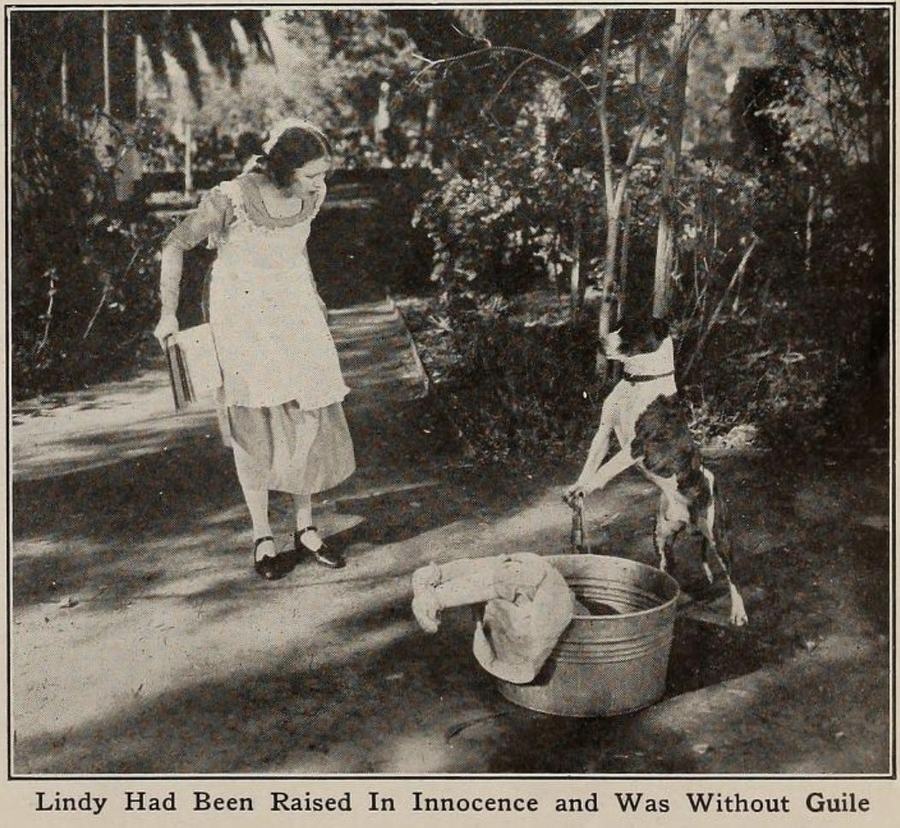
Modern viewers might miss how Kennedy weaponizes Edwardian bureaucracy. The 1872 Postal Act made mail theft a federal crime punishable by five years' imprisonment—a fact Lindy's horrified expression confirms she knows. Martin's genius lies in making Lindy's panic metaphysical; her trembling hands suggest less fear of prison than of cosmic imbalance. This elevates the farce beyond The Safety Curtain's melodrama into existential territory. Chilowee Bill's false confession becomes the ultimate indictment—a homeless man accepting transportation to protect a middle-class woman's reputation, exposing how justice favors the privileged. His exit, framed against a barred window, lingers long after the garden hose punchline.
The film stumbles in its treatment of class. Chilowee Bill's tramp archetype relies on period stereotypes—his altruism feels less character-driven than narrative convenience. Contrast this with Mother, I Need You's more nuanced poverty portraits. Kennedy also sidesteps deeper interrogation of Dick's reformation: Mrs. Cribbley employs him not from compassion but because his criminal past makes him a "discreet" secretary—a disturbing class dynamic unexplored. Yet these flaws fascinate; they're fractures revealing period attitudes. When Lindy avoids consequences while Bill shoulders blame, Thornby unwittingly documents systemic inequities he may not have intended to critique.
An Innocent Adventuress' DNA surfaces in unexpected places—Hitchcock's wrong-man scenarios, the Coens' escalating misunderstandings in Burn After Reading. But its true descendant might be Wahnsinn's bureaucratic absurdism. Thornby's greatest achievement is sustaining tension around an object as banal as a garden hose request. He understood comedy's inverse proportionality: the smaller the MacGuffin, the larger the hysteria. Vivien Martin's performance—hovering between porcelain fragility and resilient wit—deserves rediscovery. Watch how her final smile at Dick contains both forgiveness and fatigue; it's the exhausted grin of someone who's seen the machinery behind societal facades and can't unsee it. In this, the film transcends farce, becoming a whispered warning about the prisons we build from propriety.
"Thornby shreds social niceties like Lindy's letter—revealing the absurd scaffolding beneath respectability."
Unlike the revolutionary fervor of The Tyranny of the Mad Czar or Saffo's romanticism, Thornby locates rebellion in domestic accident. Lindy's crime originates not in malice but empathy—she delays the letter to spare Mrs. Bates distress. The ensuing catastrophe suggests society punishes compassion when it disrupts procedure. Dick's criminal backslide underscores how reformation requires societal faith—withdrawn at the first hint of scandal. Even Mrs. Cribbley's relief at retrieving jewels feels hollow; her roses still wither without the hose. In the final tableau, Lindy and Dick hold reassembled scraps, their future as precarious as the glued fragments between them. Thornby leaves us wondering: in a world where garden hoses inspire felonious panic, is anyone truly innocent?
IMDb —
1917
Community
Log in to comment.