DbcultAccessing Vault...
6.5/10
Senior Film Conservator
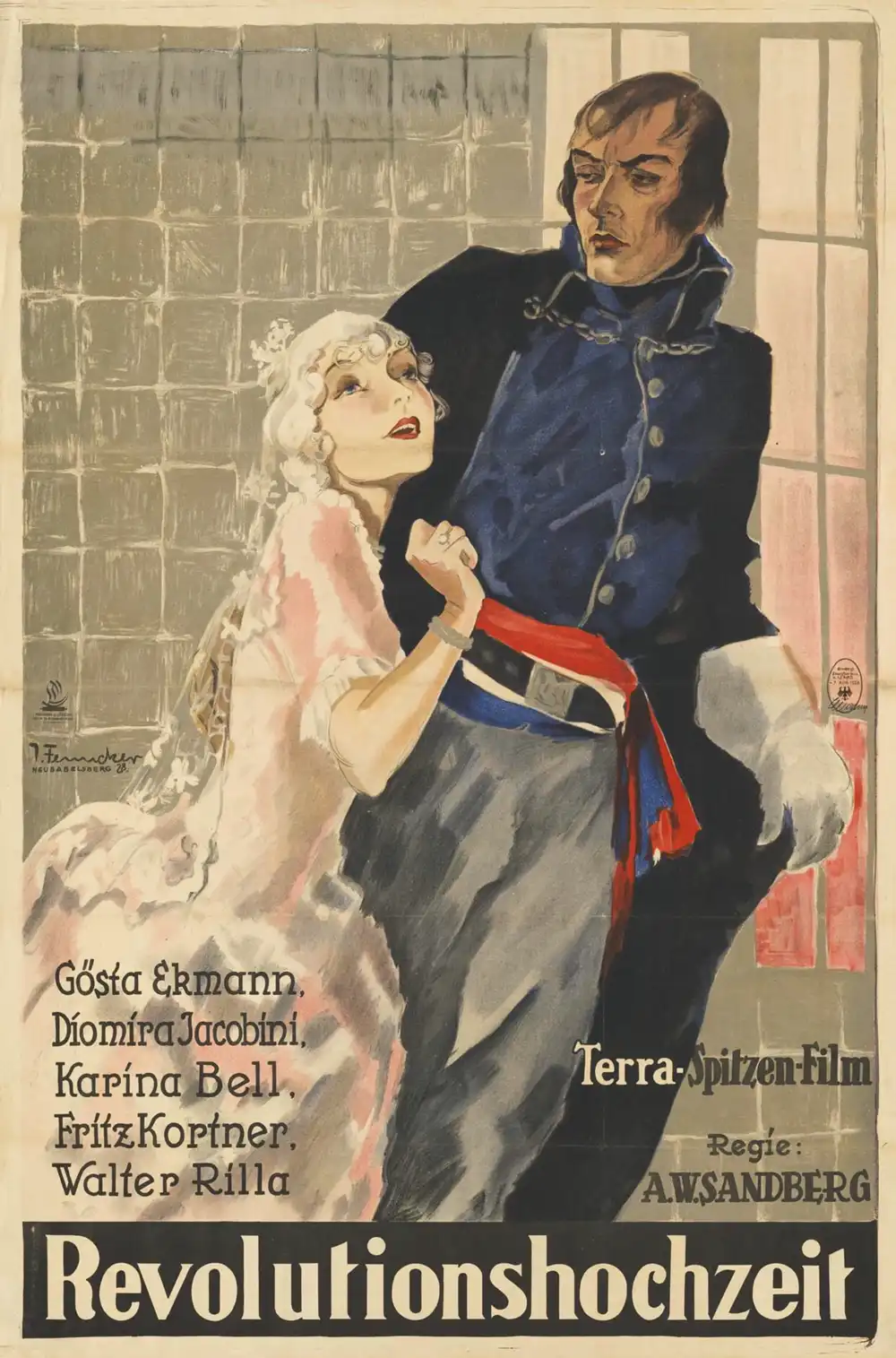
A definitive 6.5/10 rating for a film that redefined the boundaries of cult cinema. The Last Night remains a cornerstone of transgressive art.
Is The Last Night worth digging up today? Absolutely, if you're curious about early German cinema or just love a good, intense psychological drama where the dread builds slowly. If you need explosions or crystal-clear motivations spelled out, well, you'll probably hate it. This one’s for the patient viewer, the kind who enjoys watching a mind unravel. 🫠
The film, from 1928, throws you right into this incredibly stuffy atmosphere. We follow a count, played by Fritz Kortner, on his wedding night. But it’s not joyous. The air just hangs heavy with something, some past secret or obsession.
Kortner really sells this internal struggle. His eyes, even through the sometimes fuzzy print, convey so much.
There's this sequence, quite early on, where he’s preparing, or maybe just pacing. The camera work, all these slightly off-kilter angles and close-ups, really makes his bedroom feel like a prison. You get the sense that he is his own prison, you know? It’s not just the decor.
A lot of the film feels like a dream, or maybe a nightmare. There are these quick cuts, almost flashes, of a woman. His former love, it seems. And the way she’s presented, sometimes just a blur, sometimes a sharp, accusing face, it keeps you guessing. Is she real? A ghost? Pure memory? The movie doesn't bother to explain, which is great.
Gösta Ekman, as his valet or something similar, often appears in the background. His presence is subtle, but he adds this weird layer. Is he observing? Judging? He has this way of looking that's just… a little too knowing. It makes the count's isolation even more pronounced.
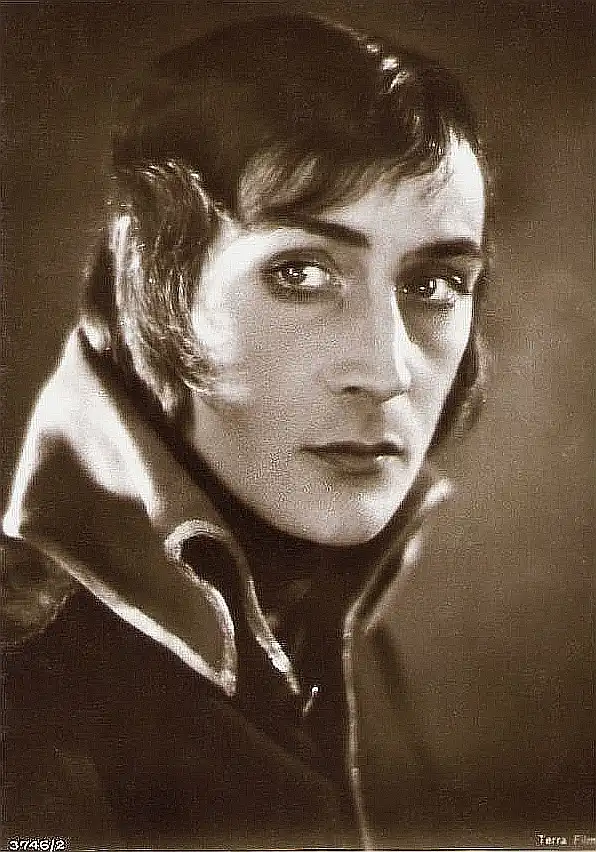
The whole production has this expressionistic lean. Shadows are not just shadows; they are active characters. They stretch, they distort. When Kortner is alone in his study, the way the light hits things, it’s not just illumination. It’s an extension of his mental state. The objects in the room almost seem to judge him.
There’s a moment, I distinctly remember, where he looks at his reflection in a mirror. But it's not just his face. The reflection seems to be doing its own thing, almost mocking him. It's a quick shot, but it really sticks with you. Like, is his own self against him?
The pacing is interesting. It's slow, yes, very deliberate. But then it suddenly shifts into these frantic montages of memories, quick bursts of images that feel like a fever dream. It’s not always a smooth ride. Sometimes it feels a little clunky, like they’re still figuring out film language. But that’s part of its charm. It feels experimental.
Karina Bell, as the new bride, is mostly a figure of innocence, a stark contrast to the count's inner turmoil. Her scenes are often bathed in softer light. You almost feel bad for her, dragged into this mess. She’s not given a lot to do, but her reactions, her expressions of quiet concern, are quite powerful. They highlight the gulf between her present and his past.
And the ending… oh, the ending. It doesn’t neatly tie everything up. It just stops, in a way that leaves you thinking. It's not a clear resolution. It just sort of… is. Which feels right for a film so consumed with internal dread rather than external plot points. It respects the lingering unease.
This isn't a blockbuster, obviously. It’s a mood piece. A descent. If you enjoy early German cinema like The Cabinet of Dr. Caligari or Nosferatu, you’ll find some familiar visual language here. But The Last Night carves out its own niche. It's less about grand horror and more about the quiet, terrifying unraveling of one man's mind. A truly creepy little film. Definitely one to check out if you’re into that sort of thing. 🕰️
IMDb 5.3
1927
Community
Log in to comment.