DbcultAccessing Vault...
4.2/10
Senior Film Conservator
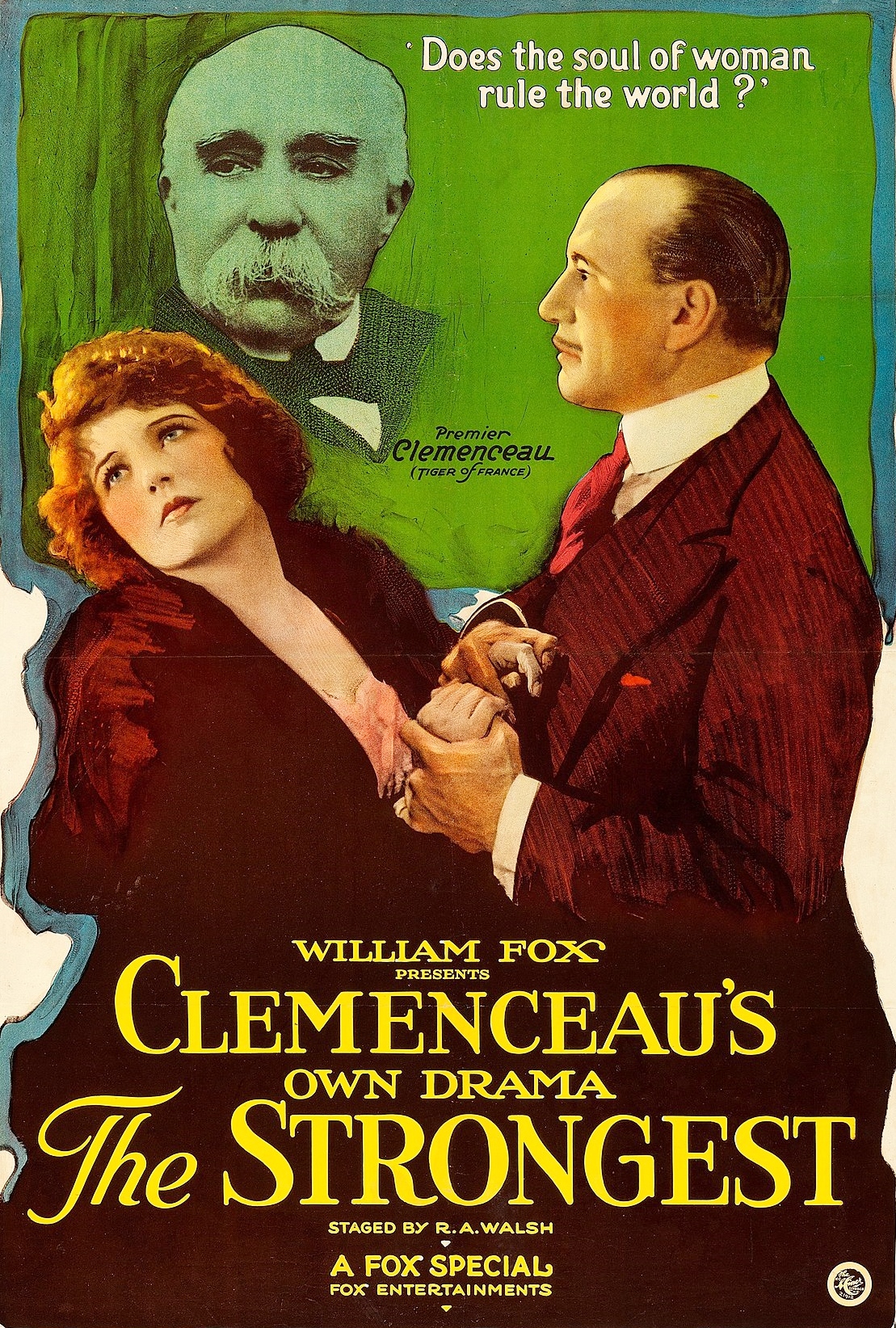
A definitive 4.2/10 rating for a film that redefined the boundaries of cult cinema. The Strongest remains a cornerstone of transgressive art.
Stepping back into the cinematic past, one encounters films that, despite their age and the absence of spoken dialogue, resonate with an emotional intensity that transcends the decades. Raoul Walsh's 1920 drama, 'The Strongest', is precisely such a film. It’s a profound exploration of human frailty, societal expectations, and the intricate web of familial secrets, all set against a backdrop of burgeoning industrialism and societal shifts. Far from being a mere historical curiosity, this picture stands as a testament to the evocative power of silent storytelling, a narrative tapestry woven with threads of ambition, love, sacrifice, and ultimately, a poignant revelation.
The film plunges us into the life of Harle, portrayed with a compelling, if somewhat rigid, intensity by Harrison Hunter. Harle is the archetypal industrial titan, a man whose identity is so intertwined with his factory that it consumes his very essence. His relentless pursuit of economic dominance, while perhaps admirable in a purely capitalist sense, renders him tragically myopic to the emotional needs of his wife, Claire. Madame Tressida, in her portrayal of Claire, imbues the character with a quiet desperation, a palpable yearning for affection and recognition that Harle’s bustling empire simply cannot provide. This initial setup immediately establishes a fundamental conflict: the stark contrast between material ambition and emotional sustenance. It’s a theme not dissimilar to the quiet domestic struggles depicted in films like Woman, where the internal lives of characters often clash with external pressures.
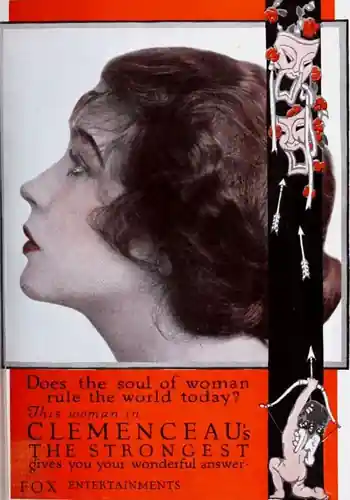
The narrative gains its tragic momentum with the arrival of Henri, the Marquis de Puymaufray, played by Carlo Liten. Liten masterfully crafts Henri as a figure of cultured grace and profound sensitivity, a stark foil to Harle’s brusque practicality. It is inevitable, almost fated, that Claire would find herself drawn to such a man, a beacon of understanding in her emotional wilderness. Their burgeoning affection, though unspoken in dialogue, is eloquently conveyed through stolen glances, gestures, and the palpable tension that permeates their scenes. This clandestine romance, born of neglect and yearning, leads to a profound consequence: the birth of Claudia. Madame Tressida’s portrayal of Claire’s decline after Henri’s departure, culminating in her death from what is termed 'neglect and depression,' is heart-wrenching. It underscores the devastating impact of emotional starvation, a powerful, if grim, commentary on the societal constraints placed upon women in that era, often left with little agency in their own happiness. This echoes the somber tones found in other dramas of the period that explored the plight of women, such as The Cast-Off, which often delved into the societal repercussions of personal tragedies.
Two decades later, the story fast-forwards to a grown Claudia, brought to life with captivating elegance by Renée Adorée. Adorée’s performance captures the essence of a young woman on the cusp of self-discovery, caught between the dictates of her supposed father and the burgeoning desires of her own heart. Harle, still fixated on his legacy and social standing, attempts to arrange a marriage for Claudia to a count, a union designed to solidify his position rather than secure his daughter’s happiness. This societal pressure for advantageous marriages was a common trope in early cinema, reflecting the realities of the time, and can be seen in films like Selskabsdamen, which often explored the complexities of social contracts and personal desires.
However, Claudia’s heart belongs to Maurice, a young American portrayed by Teddy Piper, who embodies a refreshing sense of modern romance and individual liberty. Their youthful love provides a vibrant counterpoint to the more somber undercurrents of the film, symbolizing hope and a departure from the rigid traditions that have defined Harle’s world. The blossoming romance between Claudia and Maurice is handled with a tender authenticity that grounds the more melodramatic elements of the plot.
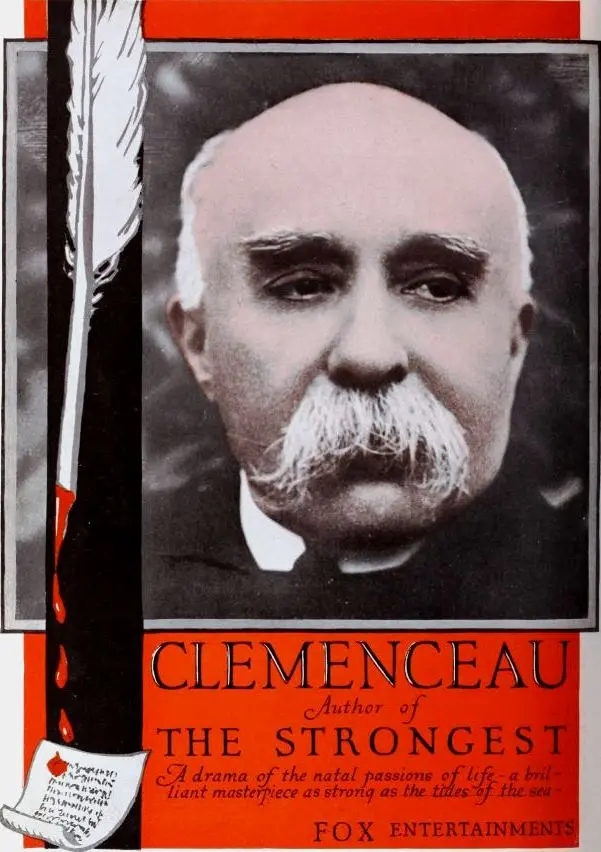
The film then shifts gears, introducing a powerful element of social commentary: a labor dispute at Harle’s factory. This segment, undoubtedly influenced by the socio-political climate of the era and perhaps even by Georges Clemenceau’s co-authorship, highlights the growing tensions between industrialists and their workers. The disgruntled employees, driven by desperation and resentment, abduct Claudia for ransom. This dramatic turn not only injects a thrilling sense of peril but also serves as a potent critique of unchecked industrial power and its human cost. The depiction of labor unrest, while perhaps heightened for dramatic effect, offers a fascinating glimpse into the social anxieties of the time, a theme that occasionally surfaced in contemporary works, albeit often with differing perspectives, such as in A Man's Man, which also touched upon the struggles within the working class.
The rescue attempt forms the climax of the film, a sequence fraught with tension and poignant sacrifice. The Marquis, who has for twenty years silently watched over Claudia, driven by a love and sense of paternal duty he could not openly claim, makes a heroic but ultimately fatal attempt to save her. His death is a moment of profound pathos, a culmination of his quiet devotion. Carlo Liten’s final moments convey a deep, unspoken love and regret, cementing Henri as a tragic hero. It’s Maurice, however, with his youthful vigor and determination, who ultimately succeeds in liberating Claudia. This duality of heroism – the sacrifice of the past generation making way for the triumph of the new – is a powerful narrative device, suggesting a changing of the guard, a shift towards a more individualistic and less constrained future.
The most shattering revelation, however, comes in the wake of the Marquis’s death: Claudia is, in fact, his daughter. This truth, withheld for two decades, recontextualizes every previous interaction, every silent glance. It imbues Henri’s quiet watchfulness with an even deeper meaning and casts Harle’s neglect in an even more tragic light. Harrison Hunter’s portrayal of Harle’s devastation upon learning this truth is a masterclass in silent acting; the crushing weight of his past oversights, his misplaced priorities, and the profound irony of raising another man’s child as his own, all wash over him in a wave of silent despair. This moment of revelation, a hallmark of powerful dramatic storytelling, is akin to the shocking twists found in mysteries like The Thirteenth Chair, where hidden truths redefine all that came before.
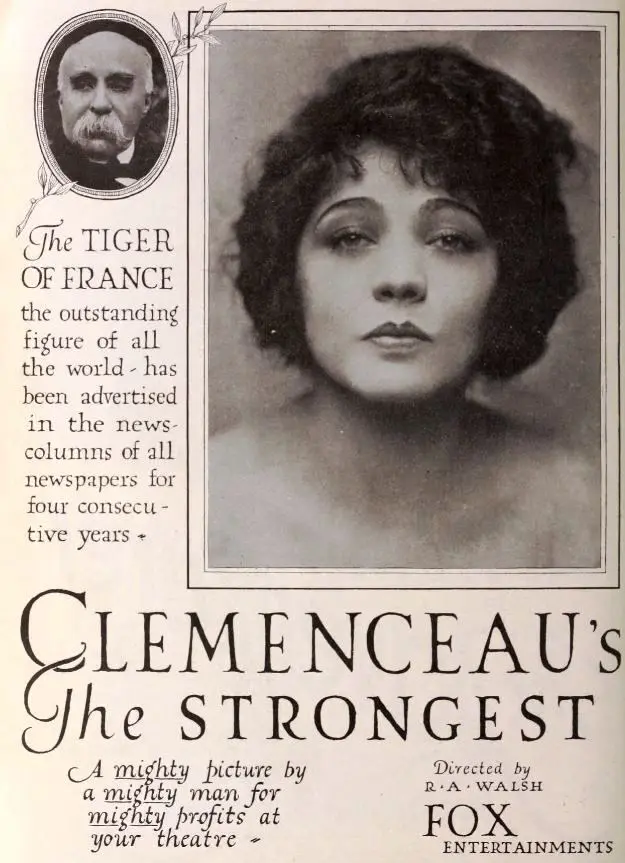
His subsequent retreat to his country estate symbolizes not just a physical withdrawal but a profound spiritual defeat, a surrender to the consequences of a life misspent. This act of resignation, however, also brings a measure of liberation, as he frees Claudia to embark on a new life with Maurice in America. The ending, while tinged with sorrow for the lives lost and the truths unveiled, ultimately offers a hopeful vision of self-determination and the pursuit of genuine happiness, unburdened by the shadows of the past. It suggests a future where love and personal fulfillment take precedence over societal expectations and industrial ambition.
Raoul Walsh’s direction is remarkably assured, navigating the complex emotional currents of the story with a keen eye for visual storytelling. The cinematography, though perhaps rudimentary by today’s standards, effectively conveys mood and character. Walsh understands the power of the close-up, the subtle gesture, and the carefully composed frame to communicate volumes without a single spoken word. The pacing is deliberate, allowing the emotional beats to land with maximum impact, building slowly towards its climactic revelations. The collaboration with Georges Clemenceau on the script likely contributed to the film's nuanced understanding of character psychology and social dynamics, grounding the melodrama in a sense of realistic human motivation, even amidst heightened drama.
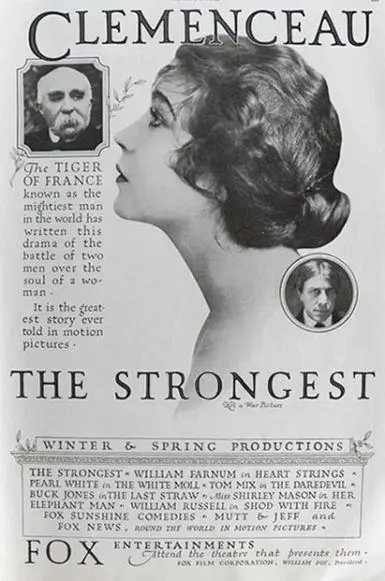
The entire ensemble cast delivers performances that are both restrained and deeply expressive, a hallmark of effective silent acting. Harrison Hunter’s Harle, initially a figure of imposing authority, gradually crumbles under the weight of his own creation and his ultimate failure as a husband and perceived father. Madame Tressida’s Claire is a tragic figure, her quiet suffering a powerful indictment of her husband’s emotional neglect. Carlo Liten’s Henri is the film’s moral compass and its heart, his silent devotion a poignant counterpoint to Harle’s self-absorption. Renée Adorée’s Claudia is a vibrant presence, embodying both innocence and burgeoning strength, while Teddy Piper’s Maurice represents the promise of a new, less constrained world. Even the supporting players, like Florence Malone and Hal Horne, contribute to the rich tapestry of the film’s world, adding layers to the industrial setting and the social fabric.
In its exploration of themes such as the corrosive nature of unchecked ambition, the yearning for genuine connection, the enduring power of hidden love, and the profound impact of secrets across generations, 'The Strongest' remains a remarkably potent film. It is a testament to the fact that compelling storytelling transcends technological limitations. It speaks to the universal human experience of love, loss, and the eternal quest for truth, making it a valuable piece of cinematic history that continues to resonate with audiences who appreciate the artistry and emotional depth of the silent era. It’s a film that leaves a lasting impression, prompting reflection on the choices we make, the loves we nurture, and the secrets we keep, reminding us that true strength often lies not in power or wealth, but in the courage to confront truth and embrace an authentic life, just as films like The World and Its Woman sought to explore the complex interplay of personal ethics and societal pressures.
The legacy of 'The Strongest' lies in its ability to marry grand melodrama with astute social observation, creating a narrative that is both thrilling and deeply moving. It stands as a powerful example of how silent cinema, through nuanced performances and masterful direction, could convey profound human drama without uttering a single word. It invites us to consider the often-unseen consequences of our actions and the enduring power of love that defies societal constraints and hidden truths. This is not merely a film from a bygone era; it is a timeless narrative that speaks to the core of the human condition, making it an essential viewing for anyone interested in the foundational works of cinematic art, and a powerful reminder of the enduring strength found in vulnerability and honesty.
IMDb —
1917
Community
Log in to comment.