DbcultAccessing Vault...
Cult Review
Senior Film Conservator
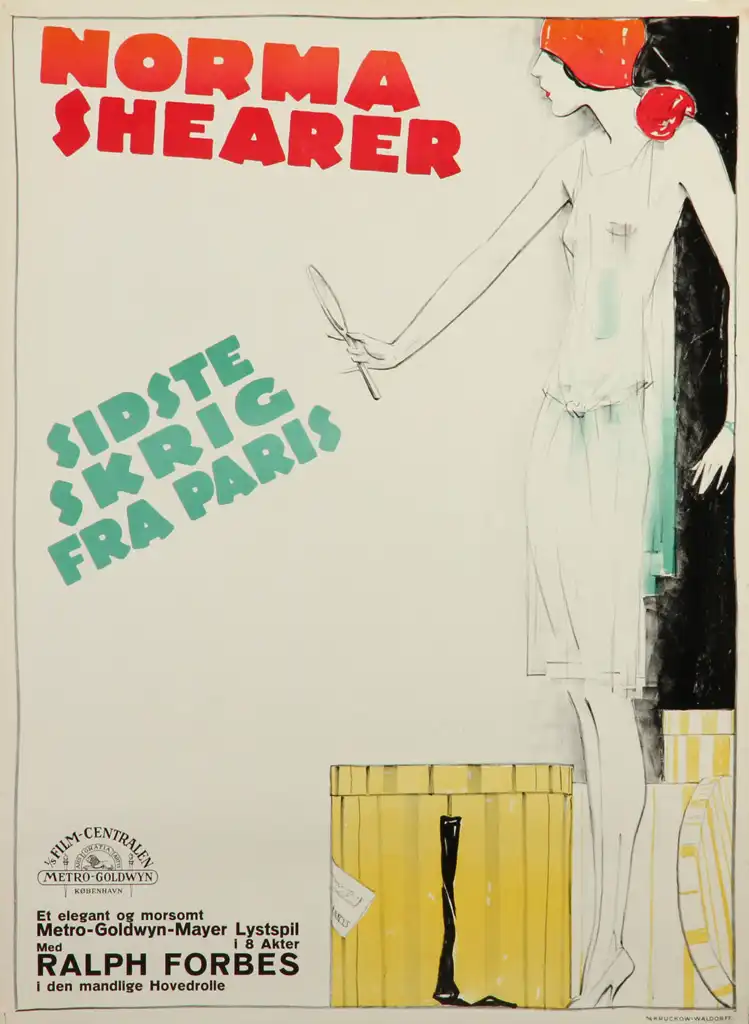
If you have any interest in how people actually lived and worked in 1928, The Latest from Paris is worth a look. It’s not a masterpiece, and it’s certainly not some deep 'meditation' on anything, but it’s a surprisingly gritty look at the life of a traveling 'drummer'—specifically a woman selling high-end dresses. If you’re looking for a sweeping, tear-jerking romance, you might find yourself wanting to shake the characters, especially the male lead, who is about as exciting as a wet paper bag.
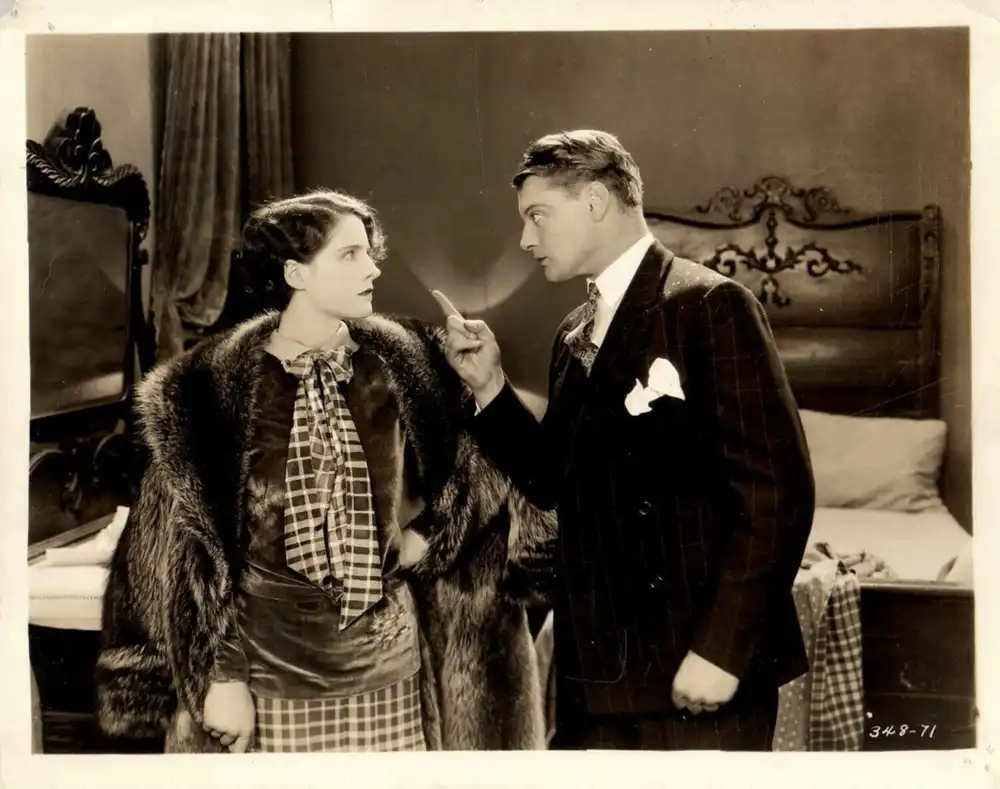
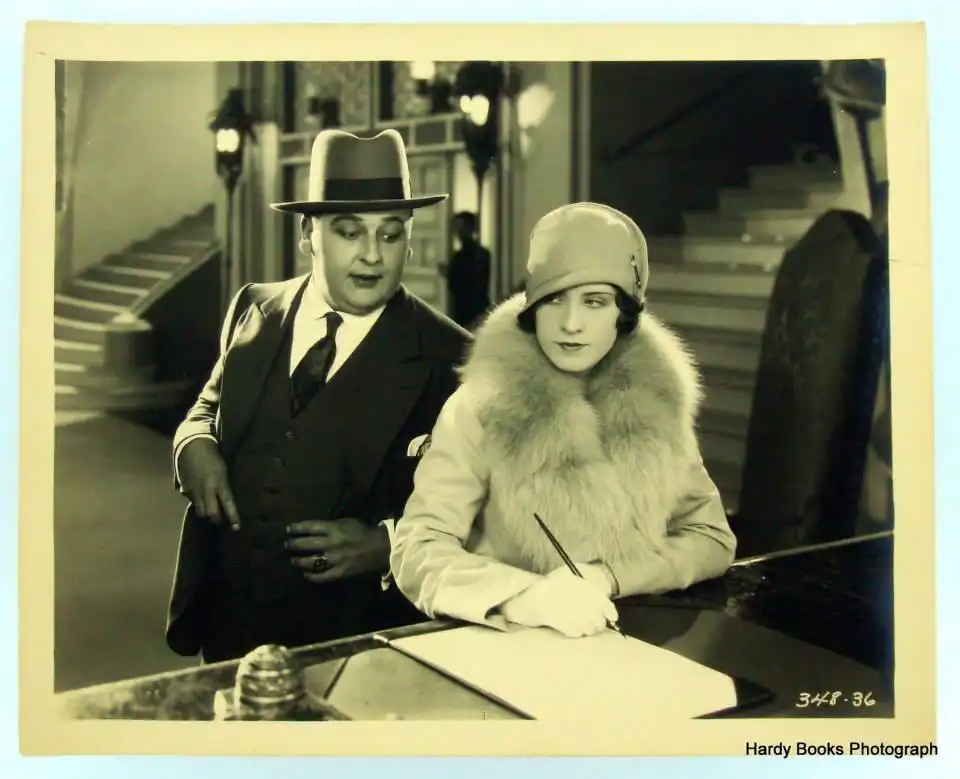
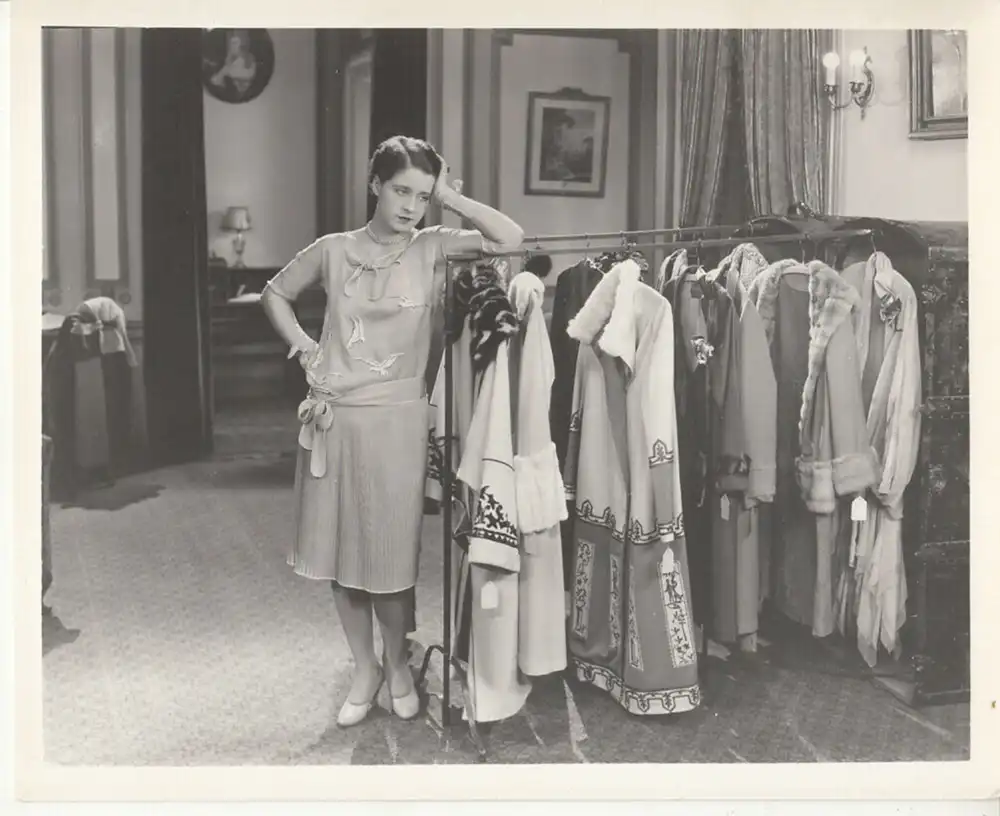
Norma Shearer plays Ann Dolan. Right from the start, she doesn’t look like a delicate flower. She’s lugging these massive sample trunks around, dealing with grumpy hotel clerks, and navigating the weird social hierarchy of the garment industry. There’s a specific bit early on where she’s showing off a line of coats, and the way she handles the fabric—flipping the collars, checking the seams—it feels real. She doesn’t look like an actress playing a part; she looks like someone who has spent ten years on a train trying to meet a quota.
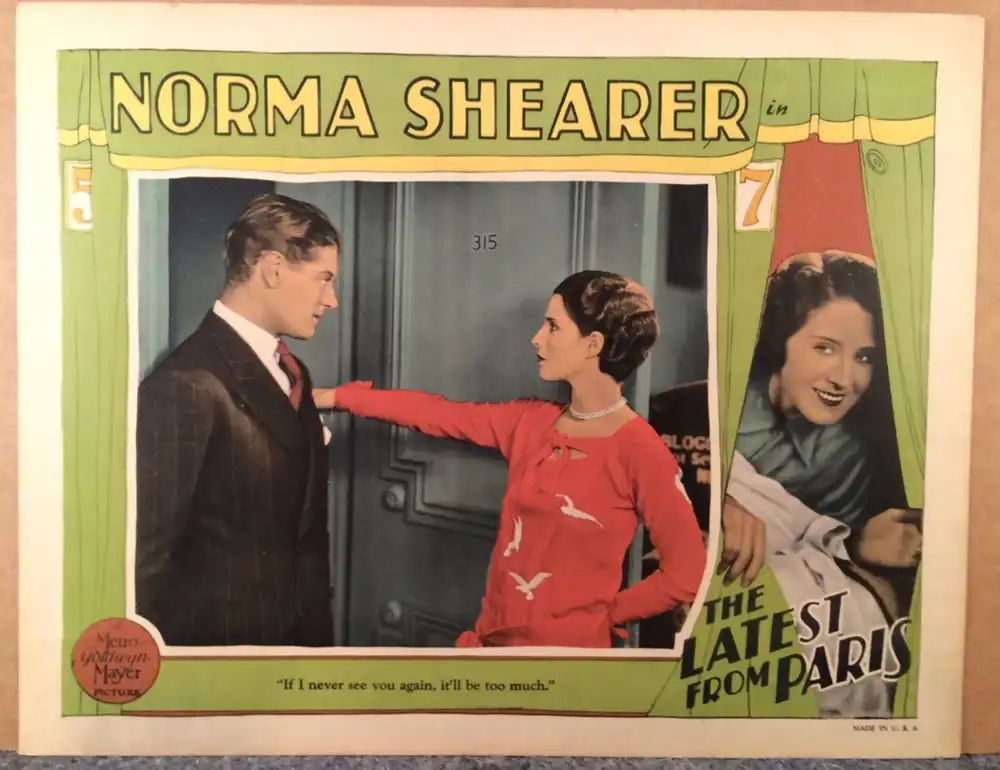
Then there’s Joe, played by Ralph Forbes. He’s the rival salesman. The movie wants us to think they have this electric chemistry, but it mostly feels like two people who are bored in the same hotel lobby. Forbes has this very stiff, almost frightened way of standing. When he and Shearer are in a shot together, she’s doing all the heavy lifting. She’s expressive and fluid, and he’s just... there. It makes the central conflict a bit hard to swallow. You find yourself wondering why Ann, who is clearly the smartest person in any room she enters, is so hung up on this guy who basically tells her she needs to quit her life to marry him.
The brother, Bud, played by William Bakewell, is another story. He’s the reason Ann can’t just quit and get married—she’s bankrolling his education. There is a scene in an apartment where Bud is just lounging around while Ann looks absolutely exhausted after a trip. The lighting in this scene is slightly off; it’s very harsh, making the bags under Ann’s eyes look real, which I actually liked. It pushes the 'working girl' angle further than most films of this era would dare. But Bud is written as such a pampered brat that it’s hard to feel the 'noble sacrifice' the script wants us to feel. You just want her to stop sending him checks.
There is a weird tonal shift about halfway through. We go from this interesting, almost documentary-style look at the garment trade into a standard 'misunderstanding' plot. Joe gets involved with a shopkeeper’s daughter, and the movie starts to drag. There’s a dance sequence that goes on for way too long. I found myself looking at the extras in the background—they’re doing this rhythmic, almost mechanical swaying that looks nothing like actual dancing. It’s one of those moments where the artifice of the film set really leaks through.
I kept thinking about His Picture in the Papers while watching this, mostly because of how much more energy that film had regarding social status and work. The Latest from Paris feels a bit more tired, which, to be fair, fits the life of a traveling salesman. But the ending feels like the writers just gave up. Bud gets married, which somehow solves Ann’s financial obligations, and Joe just kind of wanders back into the frame. It’s neat, it’s tidy, and it’s completely unearned.
One detail I loved: the hats. The costume design is supposed to be 'the latest from Paris,' but some of the headwear is genuinely bizarre. There’s one hat Ann wears that looks like a felt architectural accident. It’s distracting in a scene that’s supposed to be serious, but it’s a great reminder of how weird 1920s fashion could get when it was trying too hard.
The editing is a bit choppy in the final third. There’s a transition from a train station to a domestic interior that is so abrupt I thought the film had skipped a reel. One second they’re arguing on a platform, and the next, everyone is settled in a living room as if hours have passed, but the emotional tension hasn't shifted at all. It’s awkward.
Is it a great movie? No. But Shearer is magnetic even when the script is failing her. She has this way of looking at her sample cases with both pride and resentment that feels incredibly modern. If you can ignore the blandness of Ralph Forbes and the annoying brother, there’s a decent story here about a woman who is actually good at her job and isn't entirely sure she wants to give it up for a man who doesn't even seem to like her that much.
It’s a bit like The Reckless Age in how it handles the younger generation's whims, but it lacks the zip. Still, for a quiet Sunday, you could do worse than watching Norma Shearer show a bunch of guys how to actually sell a suit.
IMDb —
1920
Community
Log in to comment.