DbcultAccessing Vault...
Cult Review
Senior Film Conservator
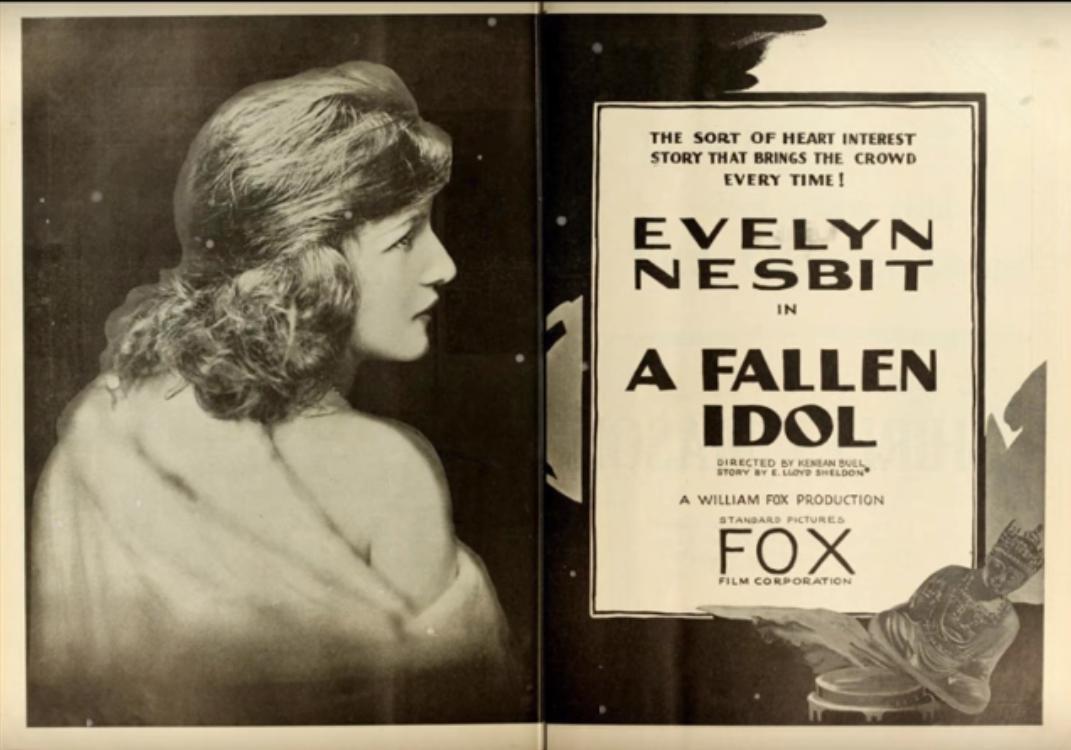
Stepping back into the nascent days of cinematic storytelling, we encounter A Fallen Idol (a-fallen-idol), a film that, despite its age, still manages to resonate with a poignant, almost haunting, power. It's a narrative spun from the timeless fabric of forbidden love and societal stricture, rendered with the dramatic flair characteristic of its era. This isn't merely a historical curiosity; it's a window into the emotional landscape of a bygone age, where the clash between personal desire and communal expectation could — and often did — lead to profound tragedy.
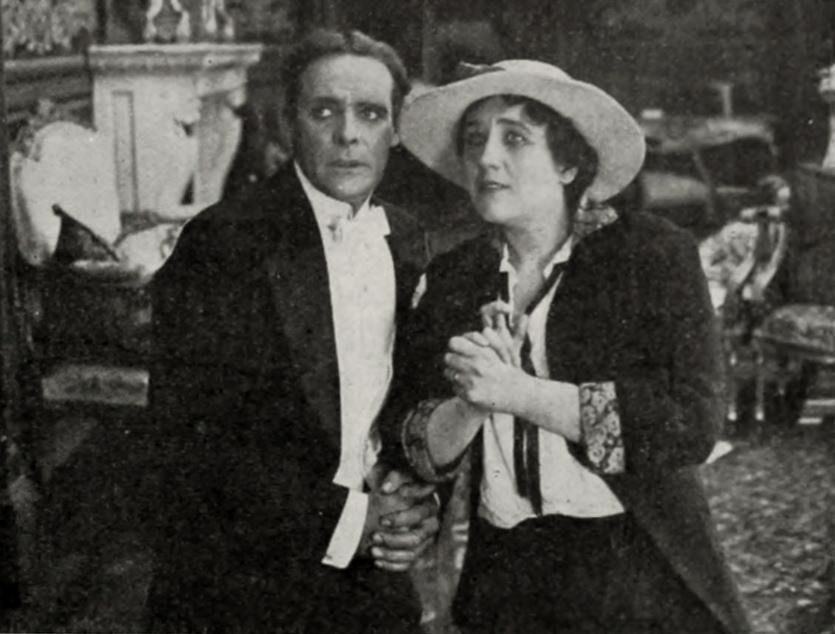
The film, penned by the perceptive E. Lloyd Sheldon, plunges us into the exotic, yet paradoxically restrictive, world of Hawaiian royalty. Here, Princess Laone, portrayed with a compelling blend of vulnerability and regal grace by Thelma Parker, finds herself ensnared in a love affair with Keith Parrish. Parker's performance, even through the sometimes-stilted conventions of early acting, conveys a deep well of emotion, allowing us to glimpse the inner turmoil of a woman torn between her heart's yearning and the formidable weight of her heritage. It’s a masterful piece of understated melodrama, hinting at depths that modern audiences, accustomed to overt displays, might initially overlook.
The central conflict of A Fallen Idol hinges on the relentless pressure exerted by Laone's society. While the specifics of this pressure are often left to the viewer's imagination, implied through the somber expressions of supporting characters and the general atmosphere of decorum, its impact is undeniable. It's a pressure cooker of tradition, duty, and perhaps even nascent anti-Western sentiment, all conspiring to thwart the Princess's personal happiness. This theme of societal interference in romantic destinies is a recurring motif in cinematic history, echoing in later works that explore similar struggles. One might draw parallels to the subtle, yet pervasive, class distinctions that plague the protagonists in The Other Woman, where social standing dictates the very possibility of love, or the moral quagmire faced by characters in An Innocent Magdalene, where reputation can shatter lives as effectively as any explicit decree.
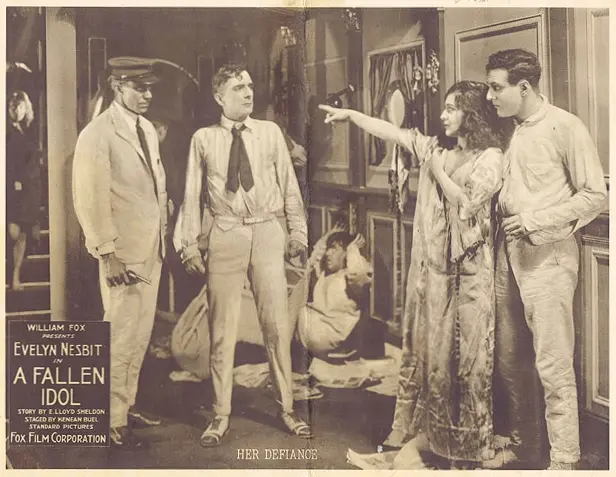
The film masterfully, for its time, portrays the insidious nature of this social coercion. It’s not necessarily an outright banishment or a direct confrontation, but rather a slow, suffocating erosion of Laone's will. The silent gazes, the whispered disapprovals, the weight of a royal lineage – these are the antagonists in a drama where the true villain is an abstract, yet utterly devastating, force. The depiction of this subtle psychological torment is a testament to Sheldon's writing, which understands that not all battles are fought with swords, but often with the invisible chains of custom and expectation. The cast, including Harry Semels and Marie Newton, contribute to this atmosphere, their collective presence creating a palpable sense of the community's watchful eye.
The heart of the film's tragedy lies in Laone's eventual rejection of Keith Parrish’s proposal. It’s not a rejection born of indifference, but of a profound, soul-crushing sacrifice. Parker communicates this internal agony with a raw intensity that transcends the limitations of silent film acting. The moment she utters the words, or rather, conveys the gesture of refusal, is imbued with a sense of irreversible doom. It's a choice forced upon her, a decision that splinters her identity and leaves her adrift in a sea of unfulfilled longing. This self-inflicted wound, deeper than any physical injury, sets the stage for the film's harrowing climax.
The subsequent suicide attempt is depicted with a stark, unflinching realism that must have been shocking for audiences of the period. It's not sensationalized, but presented as the inevitable, tragic consequence of a spirit utterly broken. This act isn't merely a plot device; it's a powerful statement on the destructive potential of societal rigidity and the desperate measures individuals might resort to when their authentic selves are denied. The film, in this pivotal moment, moves beyond simple melodrama to touch upon profound philosophical questions about freedom, identity, and the price of conformity. It forces us to confront the devastating implications of a world where love, in its purest form, is deemed unacceptable. This level of emotional depth and societal critique is a hallmark of early cinema at its most ambitious, distinguishing films like A Fallen Idol from mere escapist entertainment.
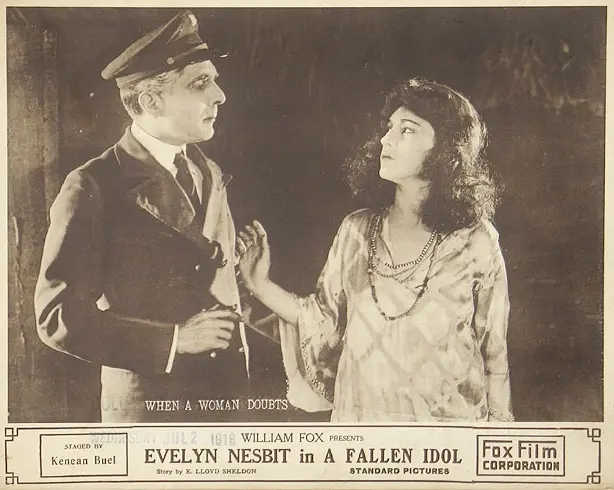
Beyond Parker's central performance, the ensemble cast, including Lyster Chambers, Pat Hartigan, Sidney Mason, Fred Williams, Evelyn Nesbit, and Lillian Lawrence, contributes to the film's rich tapestry. While their roles might be secondary, their collective presence builds the world around Laone, making the social pressures she faces feel all the more real and inescapable. Each actor, within the stylistic constraints of the era, delivers a performance that supports the central tragedy, adding layers to the communal disapproval that ultimately drives Laone to despair.
The direction, while perhaps less overtly stylized than later cinematic movements, demonstrates a keen understanding of visual storytelling. The close-ups on Parker's expressive face, the careful framing that emphasizes Laone's isolation even amidst a crowd, and the deliberate pacing that builds tension towards the tragic climax all speak to a nascent but sophisticated approach to filmmaking. The visual language, though silent, is articulate, conveying complex emotions and narrative beats without the need for dialogue. This is where the artistry of early cinema truly shines, demanding a different kind of engagement from its audience, one that relies on visual cues and emotional interpretation rather than spoken exposition.
The film's exploration of cultural clash and the individual's struggle against an overwhelming collective identity positions it as a significant work within its historical context. At a time when America was grappling with its own evolving identity and its relationship with diverse cultures, a story featuring a Hawaiian princess facing such profound internal and external conflicts would have resonated deeply. It subtly critiques the rigidities of tradition, while also acknowledging the often-brutal consequences of defying them. This thematic complexity elevates A Fallen Idol beyond a mere romantic drama, imbuing it with a socio-cultural commentary that remains relevant today.
Comparing it to other films of the period, one might see echoes of the melodramatic intensity found in His Mother's Boy, where familial expectations drive much of the emotional narrative, or the exploration of moral dilemmas in The Warfare of the Flesh. However, A Fallen Idol distinguishes itself through its specific cultural setting and the stark, uncompromising portrayal of its protagonist's tragic fate. It’s a powerful argument for the universality of human emotion, irrespective of geographical or cultural boundaries, while simultaneously highlighting the specific pains inflicted by unique societal structures.
The film also touches upon themes of self-sacrifice and the illusion of choice. Laone's decision to reject Parrish is, in essence, an act of self-annihilation long before her physical attempt. She sacrifices her happiness, her love, and ultimately her will to live, on the altar of what she perceives as her duty. This theme of profound personal sacrifice for a greater, often abstract, ideal is a recurring one in literature and film, from ancient epics to modern dramas. It's a reminder that sometimes, the most devastating battles are fought within the confines of one's own heart, against forces that are invisible but no less potent. The film's ability to convey such profound psychological depth through largely visual means is a testament to its enduring power.
While not as widely remembered as some of its contemporaries, A Fallen Idol deserves reconsideration for its unflinching portrayal of emotional devastation and its subtle critique of social rigidity. It serves as a potent reminder of the power of early cinema to tackle complex, uncomfortable themes with grace and profound impact. The film's legacy lies in its contribution to the evolving language of film, demonstrating how narrative could be built not just on action, but on the delicate interplay of emotion, expectation, and consequence.
In an era where films like Nearly a King might have offered more comedic relief or For Valour celebrated heroic deeds, A Fallen Idol chose a path of stark emotional realism, challenging its audience to confront the darker aspects of human experience. It's a film that lingers in the mind, prompting reflection on the societal constructs that continue to shape, and sometimes shatter, individual lives. Its quiet power is a testament to the enduring quality of well-crafted storytelling, even when delivered through the nascent technology of cinema's formative years. For those interested in the evolution of dramatic narrative and the exploration of universal human struggles on screen, A Fallen Idol remains an essential, if often overlooked, piece of film history.
The sheer courage of E. Lloyd Sheldon's writing, combined with Thelma Parker's compelling performance, elevates this film beyond a simple period piece. It is a timeless narrative about the human heart's struggle against an unyielding world, a struggle that, even a century later, continues to resonate with profound relevance. The film, in its tragic beauty, reminds us that the idols we worship—be they social norms or ancestral expectations—can often demand the heaviest of tolls from those who dare to love against their tide. It's a cinematic lament for lost love and broken spirits, a powerful and enduring testament to the human condition's enduring fragility in the face of insurmountable pressure.
IMDb —
1928
Community
Log in to comment.