DbcultAccessing Vault...
Cult Review
Senior Film Conservator
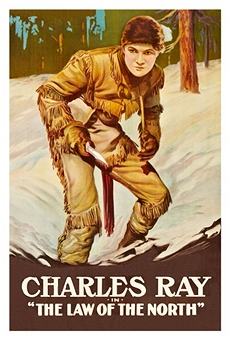
Stepping back into the cinematic landscape of 1918, one encounters a fascinating tapestry of storytelling, where nascent techniques met ambitious narratives. Among these, 'The Law of the North' emerges as a particularly compelling artifact, a silent film that, despite its century-long journey through time, still resonates with an elemental power. Directed with a stark, almost brutal efficiency by Charles K. French—who also takes on a pivotal role—this film plunges us headfirst into the unforgiving Canadian wilderness, a setting that is as much a character as any human protagonist. It’s a testament to early filmmaking's audacity, tackling themes of justice, survival, and the raw, unvarnished human spirit against a backdrop of relentless ice and snow.
The narrative, penned by the collaborative efforts of John Lynch, Ella Stuart Carson, and R. Cecil Smith, is deceptively simple yet profoundly effective. We are introduced to Alain de Montcalm, portrayed with a compelling earnestness by Charles Ray. Alain is the son of a French trading post proprietor, a man seemingly accustomed to the harsh realities of frontier life. His existence, however, is irrevocably altered by a violent intrusion: a murder and a subsequent kidnapping that shatter the fragile peace of their remote outpost. This inciting incident propels Alain into a desperate, arduous chase across the vast, frozen landscape, a journey fraught with peril and moral ambiguities. The film's strength lies in its ability to strip away the artifice of civilization, presenting human motivations in their most primal forms.
One cannot discuss 'The Law of the North' without acknowledging the profound impact of its visual storytelling. In an era before synchronized sound, filmmakers relied heavily on composition, performance, and intertitles to convey meaning and emotion. Here, the cinematography, while perhaps not as overtly experimental as some European contemporaries, is remarkably effective in capturing the desolate majesty of the arctic. The wide shots of endless snowscapes imbue the film with a sense of overwhelming scale, dwarfing the human figures and emphasizing their vulnerability. The stark contrasts between light and shadow, typical of black-and-white photography, are utilized to great effect, enhancing the dramatic tension and highlighting the harshness of the environment.
The performances, particularly from Charles Ray and Gloria Hope, are a masterclass in silent film acting. Ray's Alain is not a bombastic hero; rather, he embodies a quiet determination, his expressions conveying a spectrum of emotions from grief to grim resolve. Gloria Hope, as the abducted girl, brings a palpable sense of terror and fragility to her role, making her plight genuinely affecting. Robert McKim, as the captor, delivers a performance that hints at a complex villainy, avoiding caricature and instead suggesting a man driven by desperation or darker impulses. These actors navigate the challenge of conveying inner turmoil through gesture and facial nuance, a skill that often feels lost in the clamor of modern cinema. Their ability to communicate so much with so little is truly commendable, drawing the audience into their harrowing journey without the aid of dialogue.
The film's exploration of the wilderness as both a crucible and a character aligns it with a long tradition of adventure narratives. Unlike the more domestic, often comedic or melodramatic fare of the era, such as Ruggles of Red Gap, which found its humor in cultural clashes, 'The Law of the North' delves into a more elemental conflict. Here, human beings are pitted against nature's raw power and the darker aspects of their own kind. It’s a precursor to countless survivalist tales, laying groundwork for how cinema would later depict man's struggle against the untamed world. The sheer scale of the journey undertaken by Alain and his quarry imbues the story with an epic quality, even within the confines of a relatively modest production.
The thematic core of the film hinges on the idea of 'the law of the North' itself—an unwritten code dictating justice and survival in a land where formal institutions are distant or nonexistent. This concept resonates with the frontier spirit, where personal honor and direct action often supersede codified legal systems. It’s a stark contrast to films that explored societal ills or urban crime, like perhaps Money Mad, which focused on the moral decay within a more structured society. In the North, morality is stripped down to its essentials: good versus evil, protector versus predator. This simplicity, far from being a weakness, becomes the film's strength, allowing for a clear, impactful exploration of human nature under duress.
Understanding 'The Law of the North' also requires placing it within its historical context. 1918 was a pivotal year, with the world still reeling from the Great War and the devastating Spanish Flu pandemic. Cinema, then, offered a potent escape and a reflection of prevailing anxieties and hopes. While many films might have offered escapist fantasies or moralistic tales, 'The Law of the North' provided a visceral, almost documentary-like glimpse into a remote, dangerous world. It tapped into a fascination with the exotic and the extreme, a common thread in popular entertainment of the era.
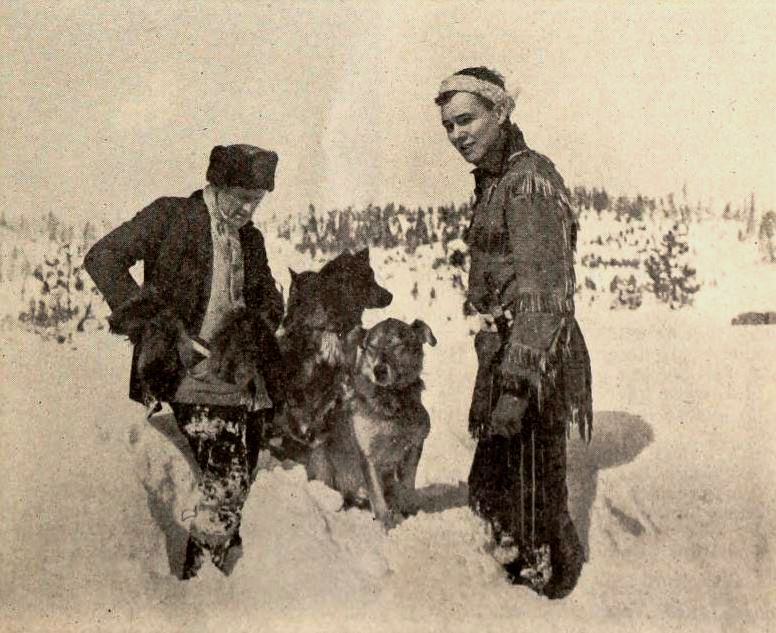
The film’s focus on a strong, determined protagonist, particularly a male one, also aligns with certain cultural expectations of the time. The idea of a man bravely facing insurmountable odds to protect the vulnerable was a powerful trope. While films like Little Orphant Annie or The Poor Little Rich Girl explored the plights of young female protagonists in different social contexts, 'The Law of the North' places its hero in a more physically demanding and perilous role, highlighting a different kind of heroism.
The collaborative writing team of John Lynch, Ella Stuart Carson, and R. Cecil Smith deserves recognition for crafting a narrative that, despite its age, remains taut and engaging. Their ability to build tension through escalating stakes and the relentless pursuit is a testament to their understanding of dramatic structure. The film doesn't waste time on excessive exposition; it throws the audience directly into the action, trusting the visual language and the actors' performances to carry the emotional weight. This directness is a hallmark of effective silent storytelling, often lost in later, more verbose eras of cinema.
Beyond the central trio, the supporting cast members, including Dorothy Devore, Doris May, and Manuel R. Ojeda, contribute significantly to the film's immersive quality. Each actor, in their limited screen time, manages to etch a memorable impression, adding depth to the trading post community and the perilous journey. Charles K. French, in his dual role as director and actor, demonstrates a keen understanding of the medium, extracting nuanced performances from his ensemble. His presence on screen, often conveying authority or gravitas, further grounds the narrative in a believable reality, even amidst the dramatic extremes of the plot.
It’s fascinating to consider how these early performers developed their craft without the luxury of dialogue. Their expressions, body language, and carefully choreographed movements were their primary tools. This often led to a more stylized, almost theatrical form of acting, yet in films like 'The Law of the North', it feels remarkably authentic to the heightened stakes of the story. Unlike the more overtly dramatic or symbolic portrayals seen in films like Christus, which aimed for a grander, more spiritual narrative, the acting here is rooted in a gritty realism, a reflection of the harsh setting and immediate dangers.
Ultimately, 'The Law of the North' stands as a powerful example of early cinema's capacity for gripping storytelling. It transcends its technical limitations to deliver a narrative that is both thrilling and emotionally resonant. The film's portrayal of the arctic as an indifferent, yet awe-inspiring, force of nature remains striking, providing a majestic backdrop for a very human drama. The pursuit across the ice, a visual metaphor for the relentless march of justice, is rendered with an intensity that holds up remarkably well a century later. It’s a testament to the enduring power of simple, yet profound, tales of good versus evil, survival, and the indomitable spirit of those who dare to seek justice in the most desolate corners of the world.
For enthusiasts of silent film, or indeed anyone interested in the foundational narratives of cinematic adventure, 'The Law of the North' is an essential viewing experience. It might lack the grand scale or intricate plots of later epics, but its raw energy and compelling performances offer a window into a bygone era of filmmaking, an era where innovation was born of necessity and storytelling was paramount. It reminds us that the fundamental elements of compelling drama—conflict, character, and consequence—remain timeless, regardless of the technological advancements that have transformed the medium. This film is not merely a historical curiosity; it is a vibrant, pulse-pounding adventure that continues to speak to the core of what it means to be human in the face of overwhelming odds.
While it might not share the overt social commentary of films like The Triumph of the Weak or the lighthearted romance of Wee Lady Betty, its exploration of human resilience against both natural and man-made adversity is a powerful statement in itself. The starkness of its setting and the clarity of its moral stakes provide a unique cinematic experience, one that emphasizes the primal forces at play when civilization's comforts are stripped away. It's a film that leaves an impression, a chilling reminder of the harsh beauty and brutal realities of the world, then and now.
IMDb —
1919
Community
Log in to comment.