DbcultAccessing Vault...
2.2/10
Senior Film Conservator
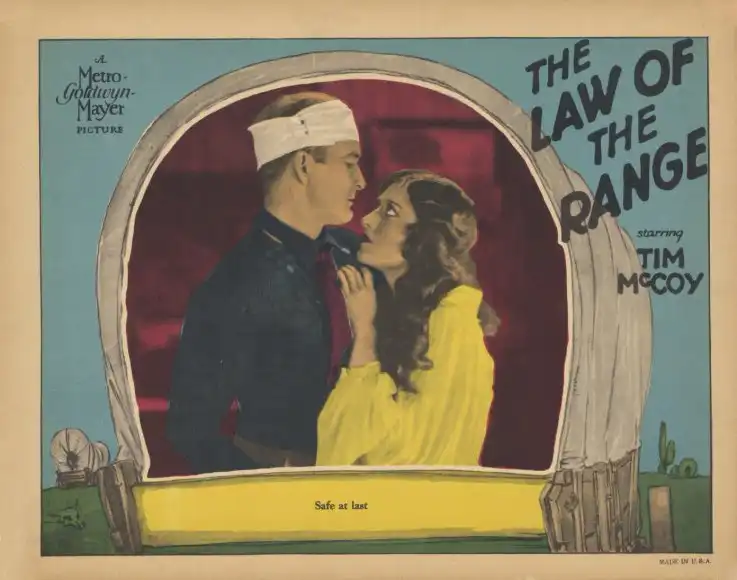
A definitive 2.2/10 rating for a film that redefined the boundaries of cult cinema. The Law of the Range remains a cornerstone of transgressive art.
So, The Law of the Range. This one's for the purists, honestly. If you're not already someone who seeks out silent Westerns from the late 20s, you can probably skip it. It's not going to convert you. But if you have a soft spot for that specific era, or you're curious about early Joan Crawford, then yeah, it's a solid enough way to spend 80 minutes. It's not a forgotten masterpiece, but it's got its moments.
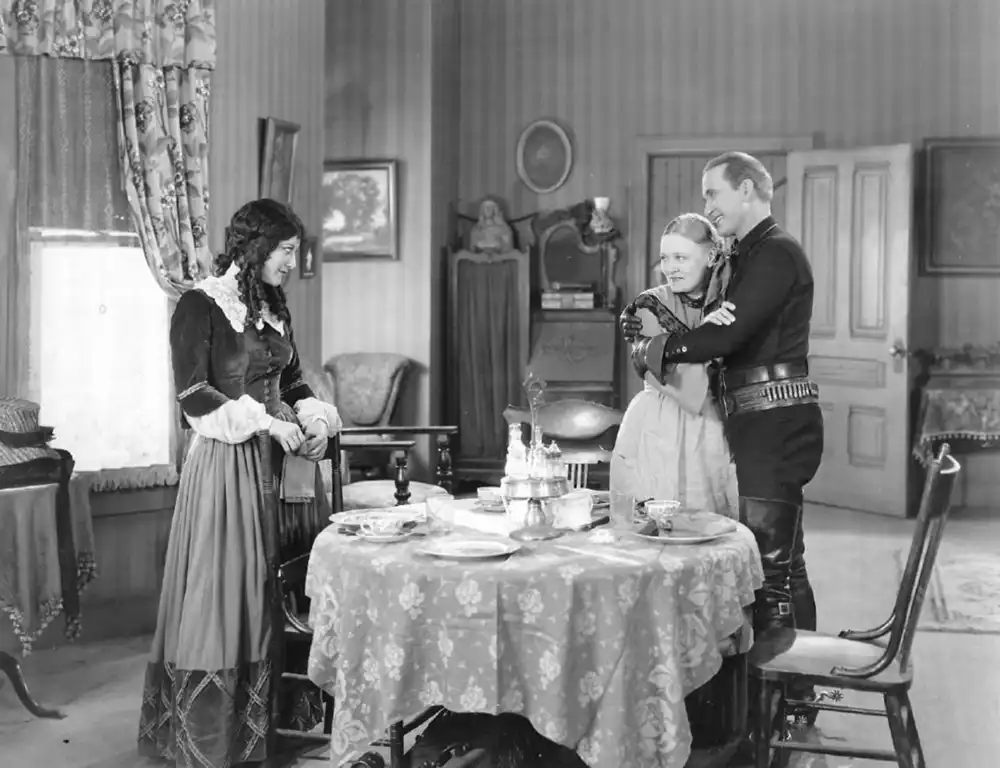
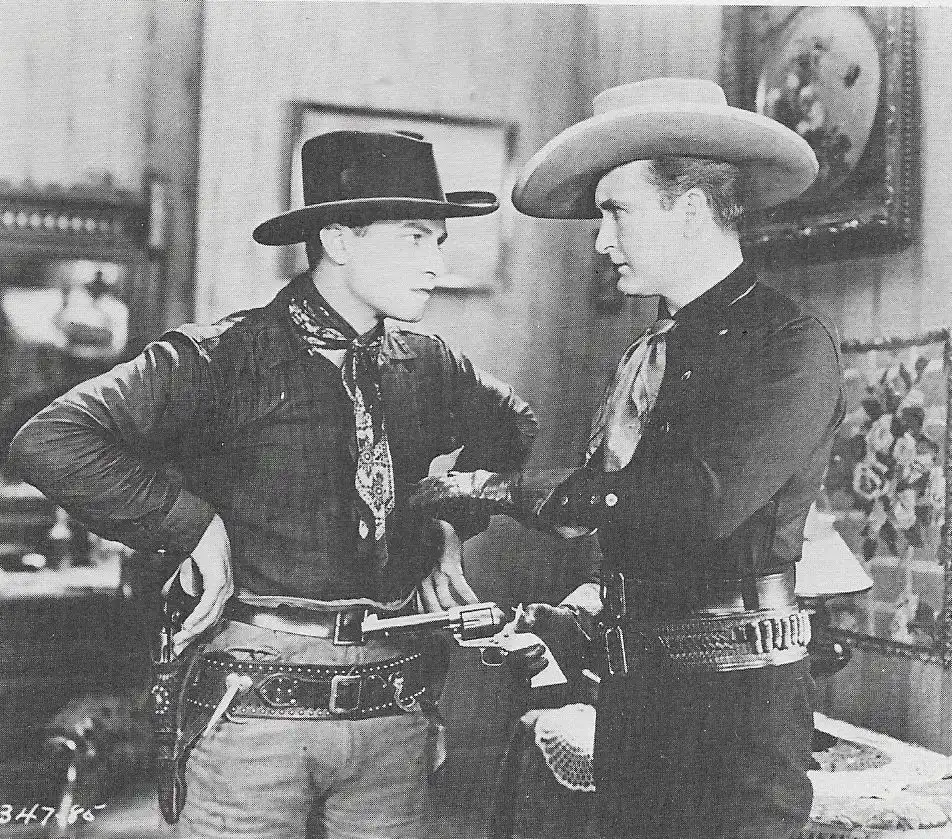
Tim McCoy, our hero Jim Lockhart, is exactly what you'd expect: stoic, rides well, squints a lot. He's got that classic cowboy posture, almost like he's posing for a still photo even when he's moving. There's a scene early on where he's tracking the Solitaire Kid, and his horse just stands there, perfectly still, while he scans the horizon. It's a nice shot, almost iconic, but it also highlights that almost rigid quality to his performance. He's the law, and he looks it, unbending.
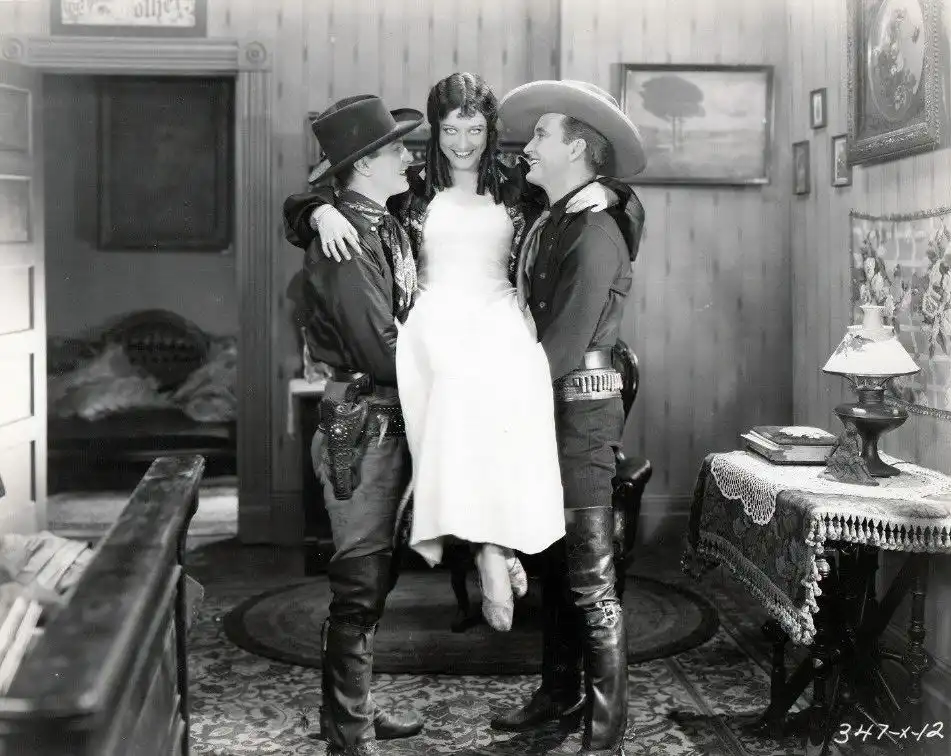
Then there's Rex Lease as the Solitaire Kid. He's got a bit more energy, a little more swagger, which makes him immediately more compelling. He's supposed to be the bad guy, but you can feel the script trying to make you *like* him, or at least understand him. His costume choices are interesting too – a dark hat, but with this slightly too-clean shirt underneath. It’s not quite 'desperado' enough, feels a bit stagey, like he just stepped off a movie set, which, of course, he did. But it gives him this slight air of misplaced gentility.
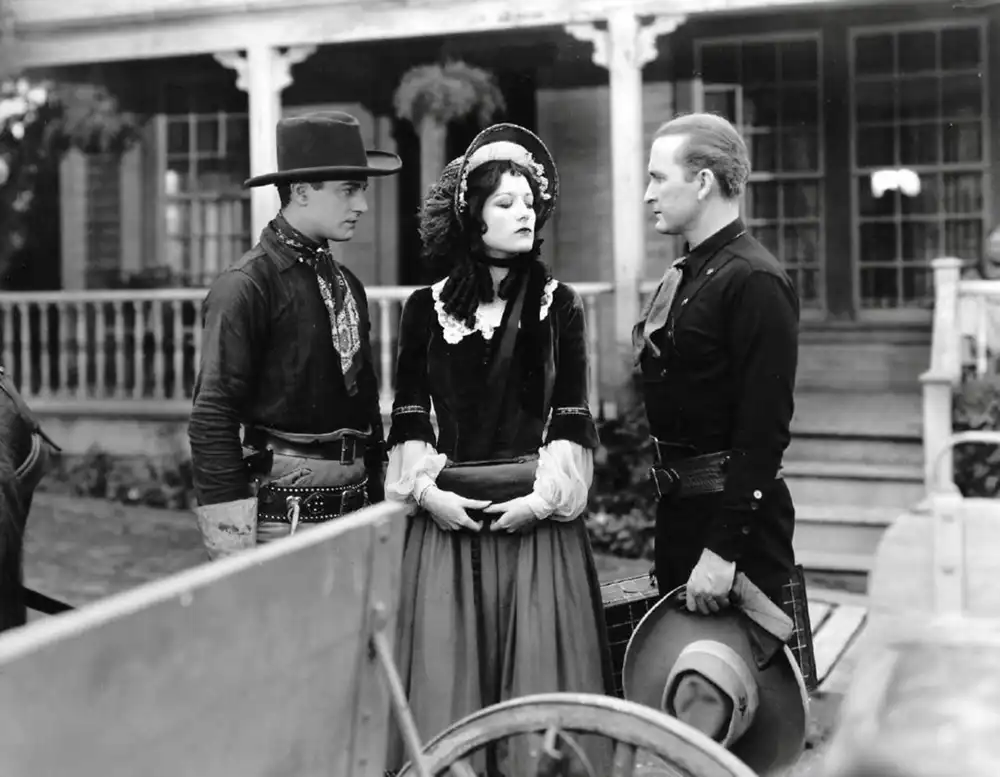
And Joan Crawford. She's Betty. Even in 1928, she has *it*. That presence. You can see why she became a star. Her reactions are big, as they have to be in silent film, but there's a certain intensity, even a vulnerability that cuts through. When the Kid holds up her stagecoach, her fear feels genuine, not just a damsel-in-distress cliché. She doesn't scream with her whole body; it's more in her eyes, a slight tremor. It's subtle for the era, and it works.
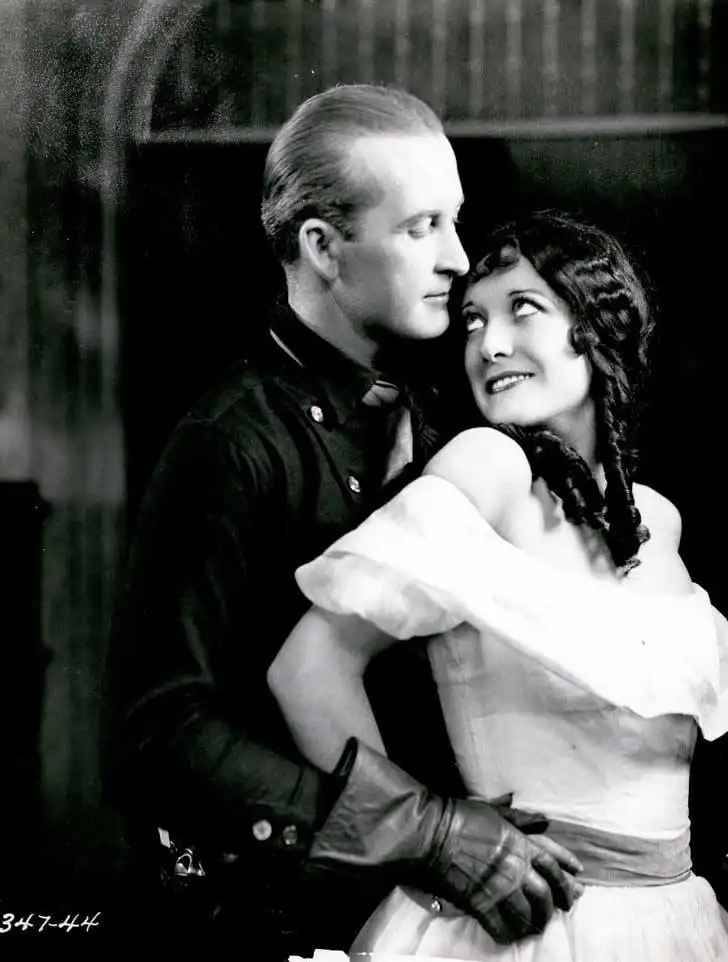
The whole 'tattoo' reveal is… well, it's a silent film trope, isn't it? Betty sees the tattoo on the Kid, and it's *exactly* like Jim's. The intertitle really hammers it home, like, 'Could it be?' Of course it could. The audience knows immediately. It’s a bit clunky, but you roll with it. The moment their mother (Bodil Rosing) recognizes them is pure melodrama, tears and outstretched arms, the whole nine yards. It’s effective in its own way, if you’re into that kind of thing. Bodil Rosing really sells the heartbreak, even if the setup feels a little too convenient.
Pacing is a curious beast here. Some scenes zip by, especially the action beats with horses thundering across the screen. Other times, an intertitle will hang there, explaining something simple, and you feel the momentum just… stop. Then it picks up again. It’s a rhythm you have to adjust to. There’s a particular shot of the Kid riding alone after the stagecoach robbery, just him and his horse against a vast landscape, that goes on for a beat too long. It’s beautiful, sure, but it feels like padding, like they needed to fill time or just loved the shot.
The dialogue, or rather, the intertitles, are pretty straightforward. No grand poetic pronouncements, just advancing the plot or delivering emotional beats. Sometimes they feel a little redundant, stating what the actors' expressions already convey. But that's silent film for you. You get used to filling in the blanks. There's one intertitle that just says, 'A mother's love knows no law,' and it feels like a heavy-handed signpost for the tragedy to come.
The final confrontation. Oh boy. It's inevitable, you know it's coming. Jim and the Kid, brothers, facing off. The tension builds, but it's not a nuanced tension. It's more of a 'this is what has to happen' kind of feeling. The camera holds on the mother's face, then Betty's. The actual shooting is quick, almost abrupt, which is a bit jarring after the build-up. It's a tragic ending, no doubt, but it feels a little forced, like the plot *had* to deliver this punch, regardless of how much the characters had really earned it. The abruptness almost deflates the emotion rather than heightening it.
One thing that stuck with me was a background extra in the saloon scene. He's just standing there, leaning against the bar, totally oblivious to the drama unfolding. He takes a sip from his glass, then looks around, almost bored. It’s such a tiny, human detail in a film that often feels very grand and theatrical. It grounds it for a second, a little reminder of the mundane in the midst of melodrama.
So, is it good? It's a piece of history. It’s got some interesting performances, especially from Crawford, who, even then, was clearly destined for more complex roles. It reminds you how much storytelling has changed, but also how some fundamental emotional beats remain the same. Don't go in expecting modern sensibilities, and you might find something to appreciate. But don't expect to be blown away either. It's a solid, if predictable, silent Western with a few sparks of genuine early star power.
IMDb 5.3
1922
Community
Log in to comment.