DbcultAccessing Vault...
6/10
Senior Film Conservator
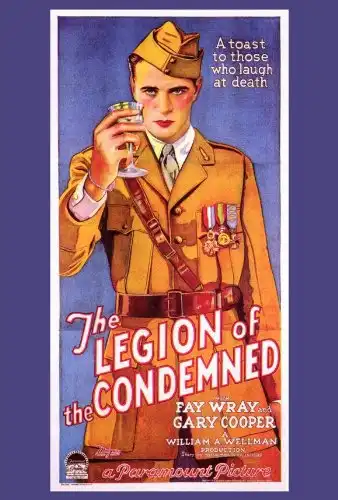
A definitive 6/10 rating for a film that redefined the boundaries of cult cinema. The Legion of the Condemned remains a cornerstone of transgressive art.
The Legion of the Condemned is a tough one. If you're a serious silent film buff, especially into early aviation pictures and the melodrama that came with them, then yes, give it a shot. You'll probably appreciate the aerial sequences, even if they're clearly not always Gary Cooper doing the flying. For pretty much everyone else, though, this 1928 WWI drama is a slog. It’s got some decent action, sure, but the pacing is glacial, and the emotional beats often land with a thud rather than a tear.
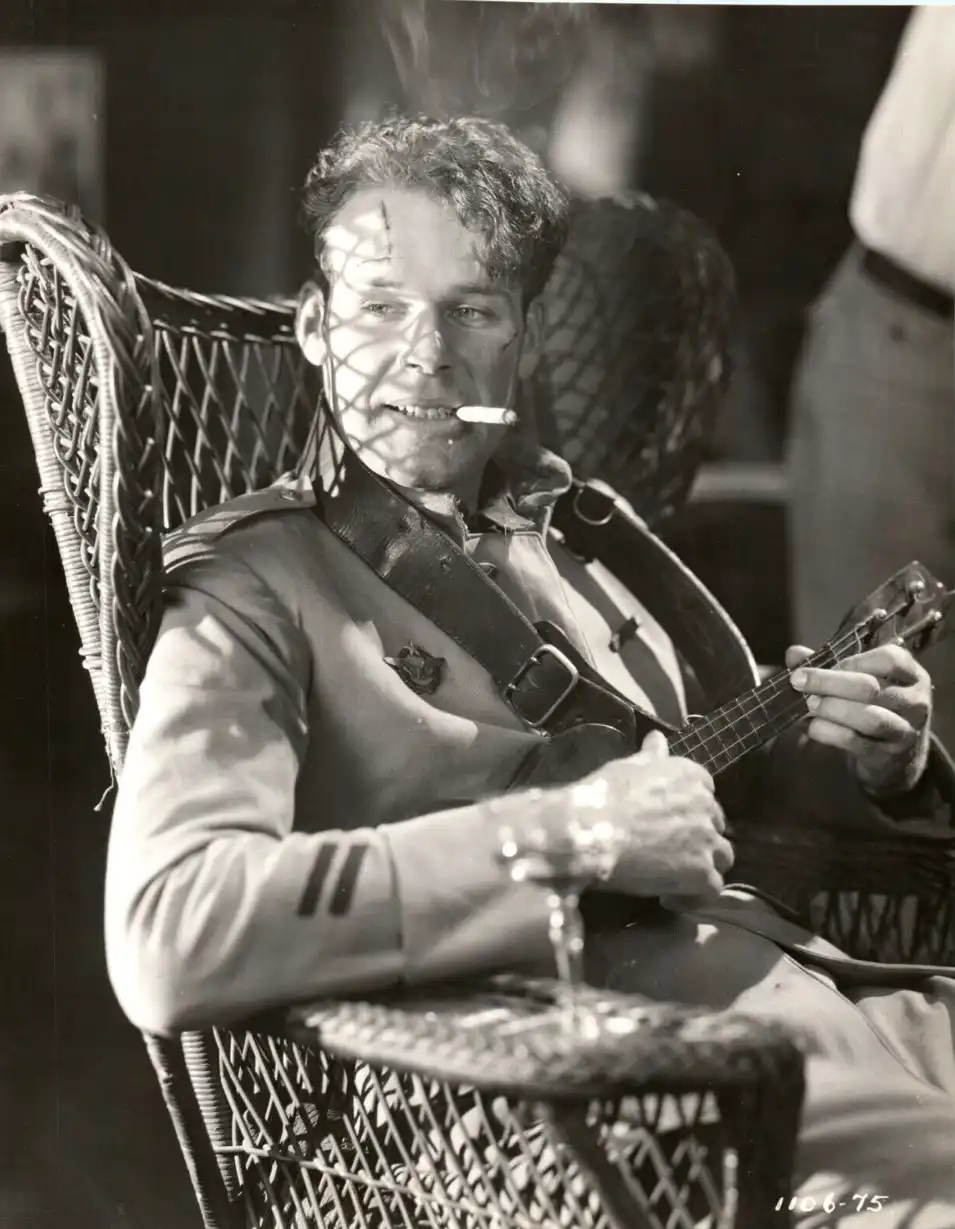
The film feels like it takes forever to get going. We meet these four pilots – Gary Cooper's character, Gale, is the main focus, naturally. Then there's Barry Norton as Armand, Freeman Wood as Bunny, and Francis McDonald as Brown. They all have their little backstories, their reasons for joining the Lafayette Escadrille. Gale's is the most prominent, tangled up with a French spy, Denise (Fay Wray). It's a lot of setup. Maybe too much.
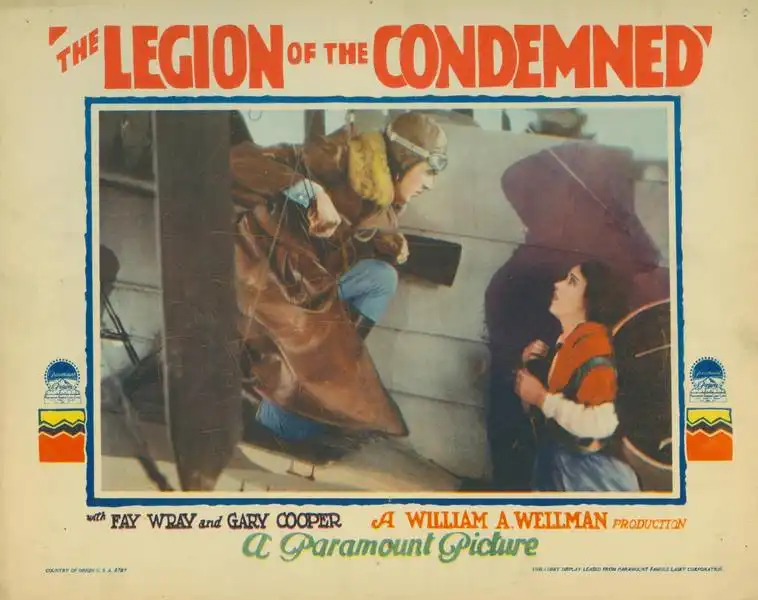
Gary Cooper, even this early, has that quiet intensity, but sometimes it just reads as blankness. There's a scene where he's supposed to be heartbroken or conflicted, and his face just... doesn't move much. It’s not bad acting, exactly, more like a different era’s idea of conveying emotion, but it can feel a little flat to a modern eye. Fay Wray, on the other hand, is all wide eyes and dramatic gestures. She's doing the full silent film thing, and it works for her character, the mysterious spy. You can feel her trying to sell every moment, almost physically pushing the emotion across the screen.
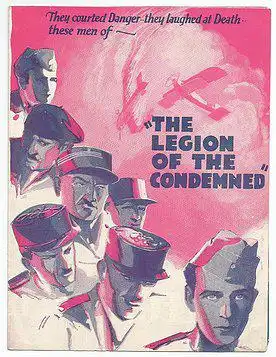
The aerial dogfights are the real draw here. Some of those shots, even with the obvious miniatures and rear projection, are genuinely thrilling. There's one moment, a plane going down in flames, and the way it's framed against the sky… you can see where a lot of future war films got their ideas. But then we cut back to the ground, and it's another long scene of people staring meaningfully at each other, or worse, talking about their feelings through intertitles that stretch on and on.
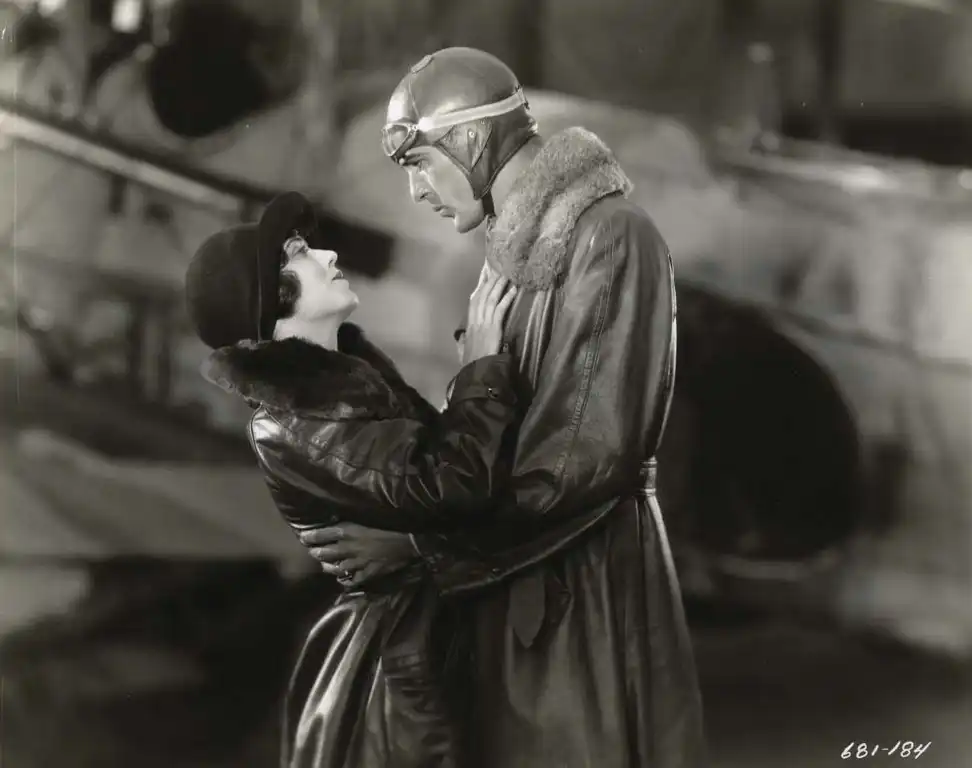
These intertitles are a mixed bag, honestly. Some are genuinely poetic, setting the stage for the grim reality of war with stark pronouncements. Others are just clunky exposition, or they try to articulate emotions that the actors aren't quite conveying, making the gap between intention and execution really obvious. There's one intertitle, something about "the irony of fate," that feels so heavy-handed it almost gets a laugh.
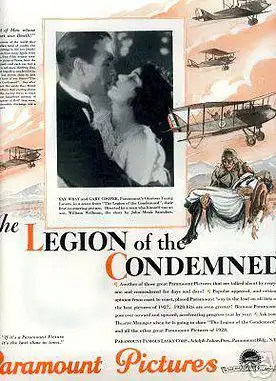
Cooper and Wray, they have some chemistry, but it's not exactly sparks flying. It's more like a polite understanding. Their romantic tension often feels forced, like the plot demands it rather than it naturally developing. You see them exchange glances, and the film tells you it's meaningful, but you don't always feel it. It's a relationship built on circumstance, less on genuine connection.
The film really drags in the middle. There's a whole section dedicated to their training and camaraderie that just feels endless. We get a few brief, almost comedic, scenes of them messing around, which are a nice break from the constant solemnity, but then it's right back. The balance is off. It wants to be a serious war drama, but also a buddy picture, and a romance, and it struggles to blend them smoothly. It's like three different movies vying for screen time.
There’s a scene where one of the pilots is writing a letter home, and the close-up on his face is just a little too long. He’s meant to be pensive, thinking of loved ones, but it crosses into looking slightly constipated. It’s one of those small things that sticks with you. And the crowd scenes in the French village, they feel a bit thin. Like they only had so many extras and had to spread them out. It doesn't quite convey the bustling wartime atmosphere it's aiming for; it feels more like a sparsely attended stage play.
Some of the smaller character interactions, away from the main plot, actually work better. A fleeting moment between two of the secondary pilots, a shared look of exhaustion or fear in the trenches, feels more authentic than the grand declarations of love or patriotism. These glimpses of genuine human connection are rare but impactful, little islands in a sea of melodrama.
The ending tries for a big emotional payoff, and it almost gets there. The final aerial sequence is well-staged, a fitting climax to the flying scenes, but by that point, I was a bit worn down by the journey. It's a valiant effort, but the impact is blunted by everything that came before. It felt like the movie was trying to earn a tear it hadn't fully invested in.
IMDb —
1919
Community
Log in to comment.