DbcultAccessing Vault...
Cult Review
Senior Film Conservator
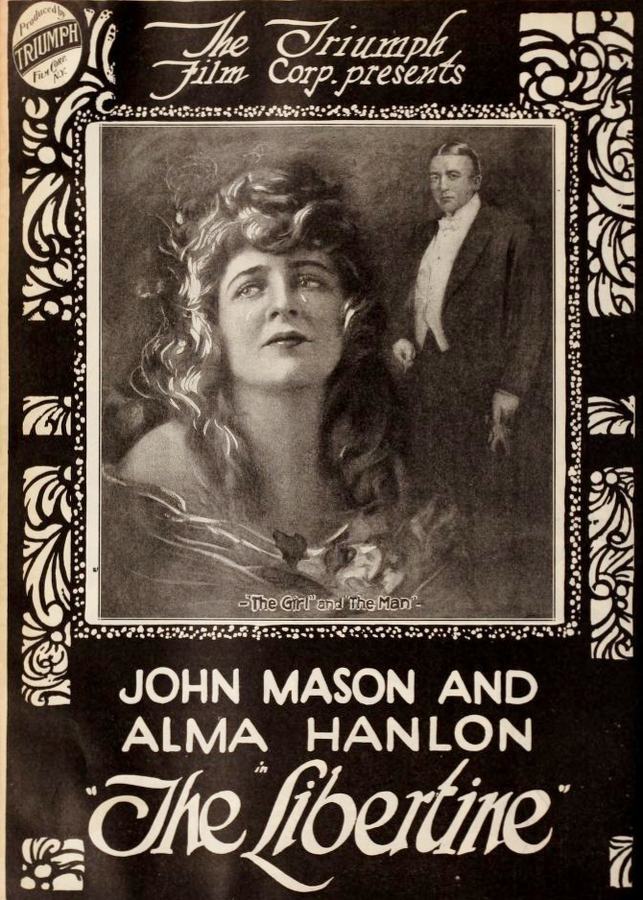
Step back into an era where silent film reigned supreme, where narratives unfolded through gestures, expressions, and the evocative power of intertitles. Among the cinematic offerings of its time, 'The Libertine' carves out a distinct, albeit challenging, niche. It's a film that, even a century later, compels us to reflect on the enduring complexities of human relationships, the intoxicating allure of charisma, and the perilous dance between genuine affection and calculated manipulation. At its core, Edna G. Riley's screenplay, brought to life by a captivating ensemble led by Edward Langford, presents a narrative that, while seemingly straightforward, unravels into a surprisingly nuanced examination of societal expectations and personal desires.
The film's premise is deceptively simple: a modern man, endowed with an almost supernatural charm, embarks on a series of romantic conquests, not content with merely one muse, but masterfully orchestrating affection from many. This is not a tale of accidental dalliances, but of deliberate, artful wooing, a testament to the protagonist's skill in discerning and fulfilling the emotional needs of diverse women. Edward Langford, as the titular figure, embodies this complex character with a compelling blend of suave confidence and underlying enigma. His performance is central to the film's success, relying heavily on subtle shifts in gaze, a knowing smile, and a posture that exudes both power and vulnerability. Langford doesn't just play a character; he becomes an archetype, a symbol of unchecked romantic ambition in an age grappling with evolving social codes.
What makes Langford's 'Libertine' so fascinating is his ability to project an image of sincerity to each woman he encounters. He is a chameleon of affection, adapting his persona to match the dreams and aspirations of his various romantic interests. To one, he might be the dashing adventurer; to another, the soulful poet; to yet another, the stable, dependable provider. This masterful tailoring of identity speaks volumes about the societal pressures on women of the era, who perhaps yearned for specific forms of validation and security, making them susceptible to a man who could so convincingly offer them. The film, through its visual storytelling, hints at the immense emotional labor involved in maintaining such an elaborate charade, suggesting a hidden loneliness or a profound detachment beneath the surface of his outward success. Unlike the more overt villainy found in tales like Les Misérables, where the struggle is often against external forces, 'The Libertine' places its conflict squarely within the protagonist's own moral compass, or lack thereof.
The true artistry lies in how the film portrays the ripple effects of his actions. We see glimpses of the hope, the adoration, and the eventual vulnerability of the women drawn into his web. Alma Hanlon, John Mason, Jean Stuart, Walter Hitchcock, Doris Sawyer, and Marie Alexander, though perhaps given less screen time than Langford, are crucial in painting this picture. Each brings a distinct flavor to their roles, embodying different facets of womanhood and societal standing. One might represent the naive debutante, another the worldly widow, yet another the working-class girl dreaming of a better life. Their collective experiences serve as a stark counterpoint to the protagonist's seemingly effortless charm, highlighting the emotional toll that such romantic promiscuity inevitably inflicts.
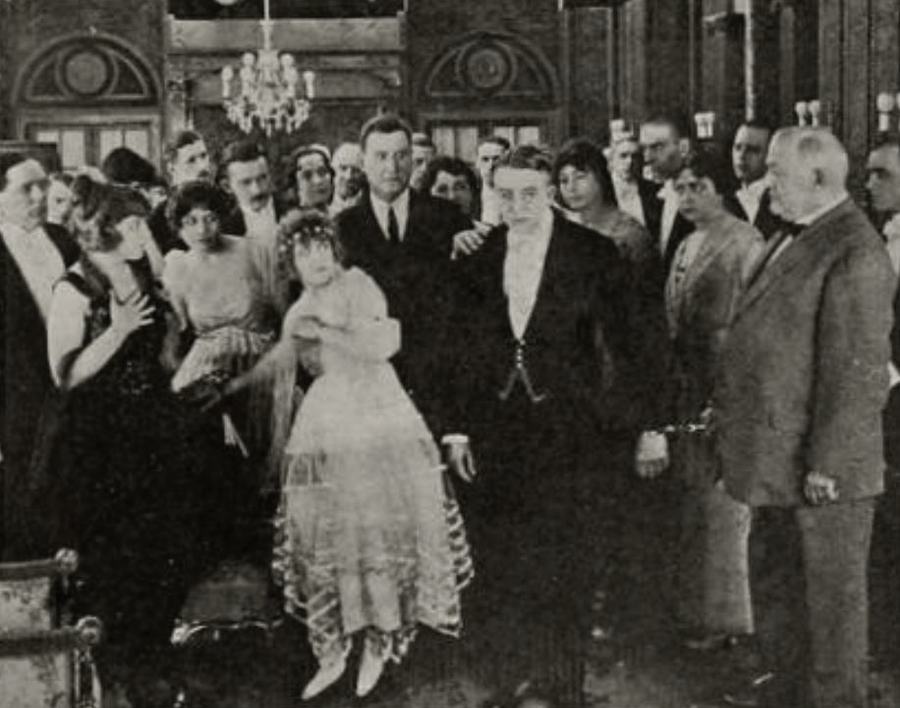
The film, penned by Edna G. Riley, demonstrates a keen understanding of the gender dynamics prevalent in the early 20th century. Women, often economically dependent or socially constrained, frequently sought security and status through marriage. The Libertine exploits these vulnerabilities, offering not just affection, but the promise of a future, a dream, a stability that might otherwise be out of reach. This aspect of the narrative resonates with films like The Waif, which often explored the precarious societal position of women and their susceptibility to external influences. Riley's script, even in its silent form, manages to convey the inner lives of these women, suggesting their yearning for genuine connection amidst a world that often afforded them limited agency.
Consider Alma Hanlon’s portrayal, for instance. She might embody the quiet dignity of a woman whose heart is slowly, meticulously won, only to face the crushing reality of shared affection. Or perhaps Jean Stuart’s character, representing a more fiery spirit, whose initial infatuation could transition into a fierce indignation upon discovering the deception. These individual narratives, woven together, form a powerful indictment of the emotional cost of such cavalier romanticism. The film’s strength lies not just in depicting the Libertine’s actions, but in subtly sketching the reactions and eventual disillusionment of those he ensnares. This complex interplay between seducer and seduced elevates the film beyond a mere cautionary tale, transforming it into a socio-psychological study.
For a film of its period, 'The Libertine' likely relied heavily on visual metaphors and the expressive capabilities of its actors. The direction would have emphasized lingering close-ups to capture the subtle shifts in Langford's expressions – the glint in his eye as he plots, the feigned tenderness in his touch, the fleeting moment of regret or triumph. Similarly, the reactions of the women would have been conveyed through dramatic gestures, tears, or moments of quiet despair, allowing the audience to infer their heartbreak without a single spoken word. This reliance on visual storytelling is a hallmark of silent cinema, and 'The Libertine' appears to have leveraged it to its fullest, creating a powerful emotional resonance that transcends the absence of dialogue.
The pacing, too, would have been crucial. One can imagine scenes of rapid cuts between different romantic encounters, building a sense of the protagonist's hectic, clandestine life, contrasted with slower, more intimate moments designed to highlight the emotional intensity of each individual relationship. This dynamic rhythm would have kept the audience engaged, drawing them deeper into the protagonist's intricate web. The film, in its construction, reminds one of the narrative ingenuity required to convey complex plots and character development without the aid of sound, a challenge that filmmakers of that era often met with remarkable creativity.
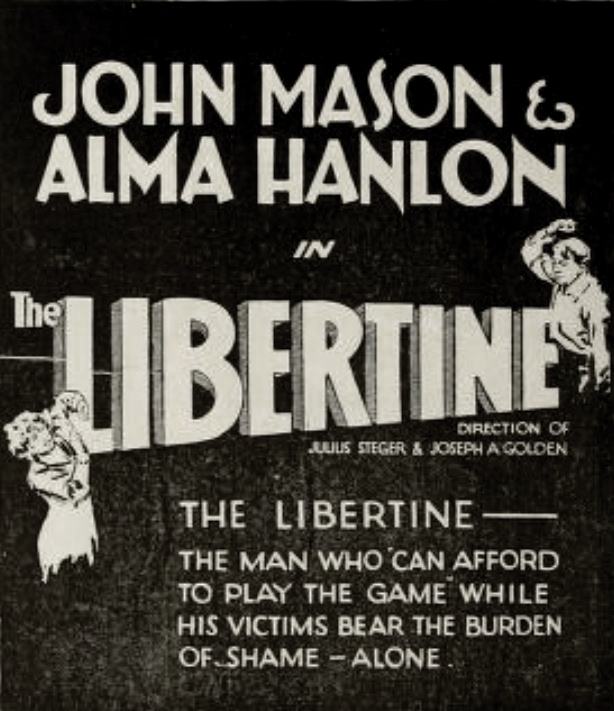
What makes 'The Libertine' endure, even as a historical artifact, is its exploration of themes that remain perennially relevant. The nature of deception, the intoxicating power of charm, the search for genuine connection in a superficial world – these are not confined to a specific historical period. In a contemporary context, where digital platforms often facilitate multiple, fleeting connections, the film's central premise finds new echoes. It prompts us to consider the ethical implications of romantic pursuits that prioritize personal gratification over the emotional well-being of others. The film serves as a cautionary tale, not just about the dangers of being deceived, but also about the hollowness of a life built on a foundation of insincerity.
The cast, under the guidance of Edna G. Riley's script, delivers performances that, even without audible dialogue, communicate profound emotional depth. Edward Langford's ability to oscillate between charming suitor and calculating strategist is particularly noteworthy. He manages to evoke both a certain admiration for his cunning and a palpable sense of unease regarding his motives. The supporting players – Alma Hanlon, John Mason, Jean Stuart, Walter Hitchcock, Doris Sawyer, and Marie Alexander – contribute significantly by portraying distinct and believable reactions to his machinations, ensuring that the film doesn't become a mere showcase for its leading man but rather a collective exploration of a complex social phenomenon.
'The Libertine' is more than just a romantic drama; it’s a subtle commentary on the societal values and moral ambiguities of its time. It implicitly questions the double standards that often allowed men greater freedom in their romantic exploits while simultaneously scrutinizing the vulnerabilities of women within those same social structures. This reflection on societal norms places it in a lineage with other films that subtly critiqued their contemporary world, perhaps not with the overt social realism of a The Dollar and the Law, which might tackle economic disparities head-on, but through the lens of interpersonal relationships and moral dilemmas. The film asks us to consider the price of a reputation, the weight of a promise, and the often-unseen consequences of a life lived without genuine commitment.
Edna G. Riley’s contribution as the writer cannot be overstated. Crafting a narrative of this complexity for the silent screen required a profound understanding of visual storytelling and character psychology. The plot, as simple as it appears on the surface, hints at deeper layers of motivation and consequence, suggesting a meticulous construction designed to engage the audience on an emotional and intellectual level. Riley’s ability to imbue the story with such resonance, even through the limitations of the medium, is a testament to her skill and foresight. The film, therefore, stands as a significant piece, not just for its entertainment value, but for its role in the evolving landscape of cinematic narrative.
In conclusion, 'The Libertine' is a compelling cinematic experience that transcends its historical context. It’s a film that invites us to ponder the eternal dance of attraction, the seductive power of a carefully constructed persona, and the inevitable reckoning that awaits those who weave a tangled web of deceit. Edward Langford’s portrayal is a standout, delivering a performance that is both captivating and subtly unsettling. The film’s exploration of its themes, its nuanced characterizations, and its masterful silent storytelling solidify its place as a significant work that continues to provoke thought and discussion about the intricate nature of human desire and the often-unforeseen consequences of playing with hearts. It's a testament to the enduring power of cinema to reflect, question, and ultimately reveal the deeper truths of the human condition. It reminds us that while technologies evolve, the fundamental complexities of love, betrayal, and the search for authentic connection remain timeless.
IMDb —
1919
Community
Log in to comment.