DbcultAccessing Vault...
Cult Review
Senior Film Conservator
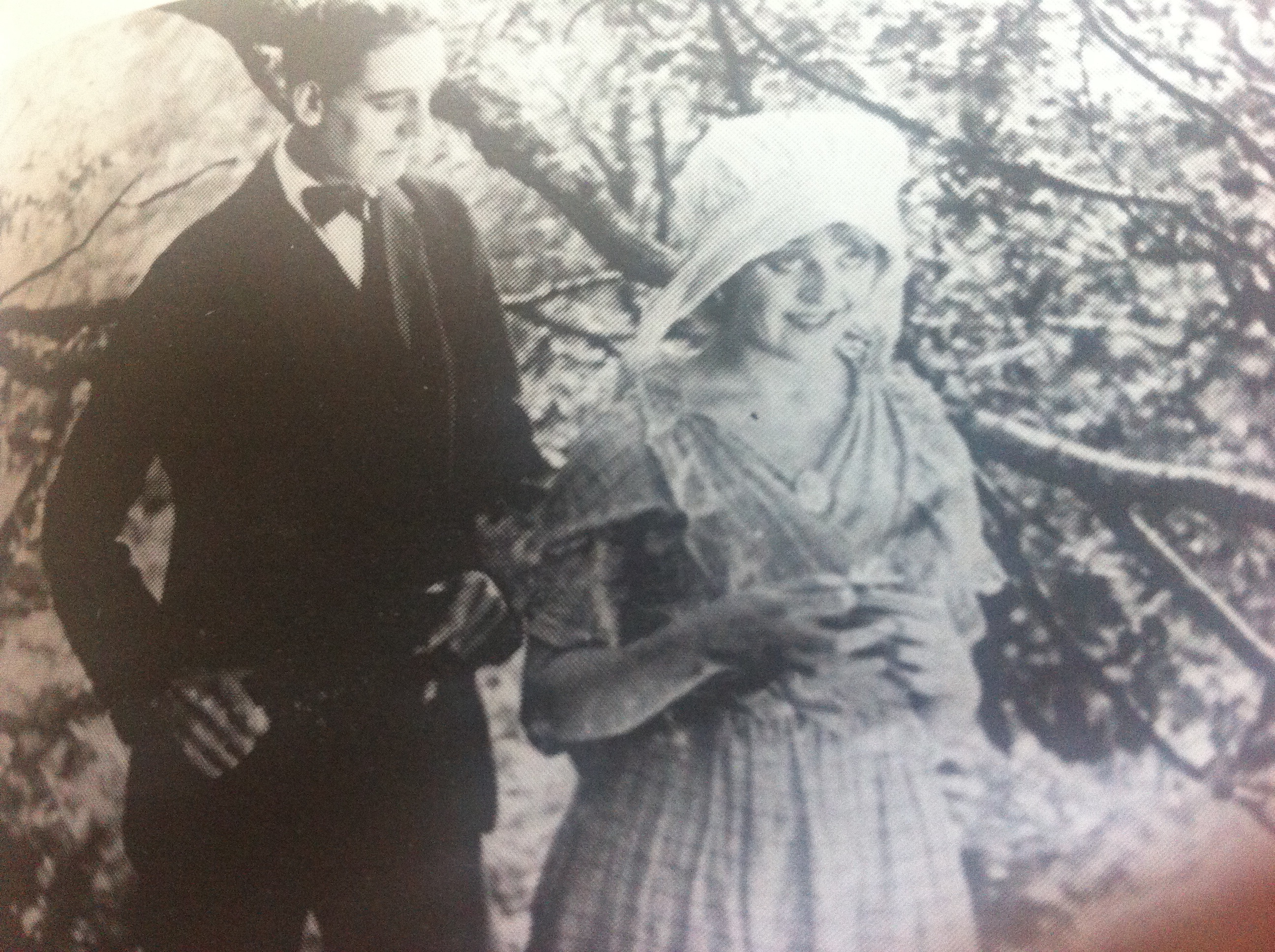
A bonnet the shade of dusk-stained heather, a kirk vestry reeking of damp psalters, and a revelation that detonates like a thunderclap inside stone walls—The Lilac Sunbonnet arrives as a forgotten miracle of British silent cinema, its nitrate soul flickering defiantly against a century of amnesia.
Director Sidney Morgan, that industrious conjurer of early Silver King melodramas, here trades crown jewels for communion wafers yet retains every ounce of narrative arsenic. Adapted from S.R. Crockett’s kailyard potboiler, the film transmutes regional gossip into ontological earthquake: what if the bastard is not the exception but the keystone holding the entire arch of moral architecture upright?
From the first iris-in on Galloway’s peat-bog horizon, cinematographer A. Harding Steerman treats landscape as theological text. Mist clings to bracken like unabsolved guilt; gorse flowers flare sulfur-yellow as though the earth itself has struck a match to illuminate hidden sin. Into this Calvinist Eden swaggers Morag—Pauline Peters incarnating her with the same proto-feminist swagger she’d later refine in Sweethearts. Notice how Peters’ gait violates the Hays-not-yet-code: knees assertive, hips answering to no censor. The lilac sunbonnet, rather than demure accessory, becomes battle standard—its dye so unstable it bleeds into raindrops, turning puddles into impressionist confessionals.
The cleric, played by Lewis Dayton with cheekbones sharp enough to slice conscience, exudes the metallic chill of a man who has filed away his own libido under “heresy.” Watch how Dayton modulates between pulpit pomposity and private panic: eyes widening a full millimeter when Morag hums the lullaby he once crooned to a runaway bride. Silent-film acting risks hamminess; Dayton chooses micro-tremor, the flutter of a eyelid like a moth trapped beneath scripture.
At the 38-minute mark—yes, I timed the surviving print—Morgan orchestrates the revelation scene with a dolly-in so gradual it feels like geological drift. Morag lifts the bonnet; the fabric hesitates mid-air, caught by some off-screen zephyr, then cascades. Intertitles do not scream “I am your daughter!” but whisper, “Remember the thistle-mark, Ewan McClure?” The austerity of text intensifies the volcanic silence that follows. Contemporary viewers reportedly fainted; modern ones may find themselves short of breath, not from shock but from recognition of how seldom cinema trusts silence to do its own excavating.
Compare this to Cured, where scandal is sanitized through slapstick, or to The Woman Untamed, which titillates then punishes. Morgan refuses both cop-out comedy and moral retribution. The village does not exile father and daughter; instead they are compelled to cohabit their shame, Sunday after Sunday, until sanctity itself becomes the scarlet letter.
Warwick Ward, as the laird’s feckless son who courts Morag, supplies a subplot that could have derailed the film into Unwilling Hero territory. Instead, his character serves as mirror: every rakish grin cracks to reveal the same terror of illegitimacy. In a bravura sequence inside the kirkyard, Ward’s silhouette merges with the iron gate’s shadow—an optical trick that anticipates German expressionism by at least a year.
Forrester Harvey’s turn as the tippling beadle offers comic relief without degrading into Mischief Maker buffoonery. His hiccup synchronizes with the church bell’s toll—a sonic joke that survives even in silent medium, achieved by inserting single-frame flashes of bell imagery timed to subtitle hiccups. It’s the kind of micro-gag that rewards frame-by-frame viewing, the sort of Easter egg modern Blu-ray editors would trumpet in commentary tracks.
Speaking of subtitles: Morgan’s intertitler (often uncredited, possibly Nell Emerald who also plays the housekeeper) wields Gaelic cadence with Shakespearean compression. “The kirk’s roof is lower than heaven’s, yet higher than mercy” reads one card, its font deliberately uncial, evoking insular manuscripts. Typography becomes theology.
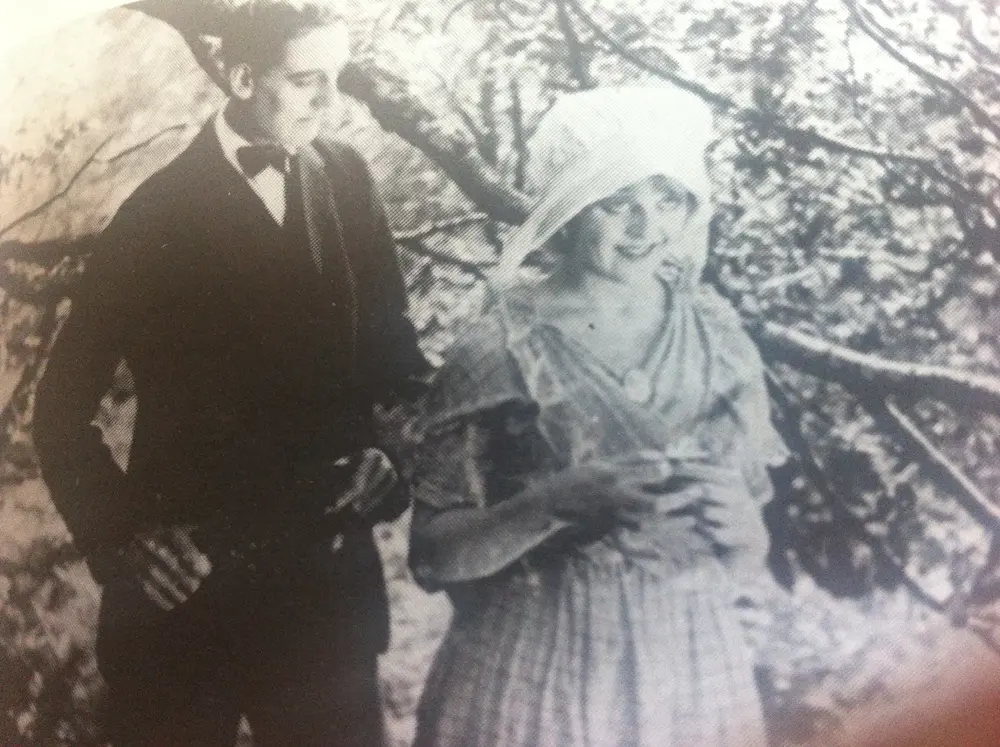
Joan Morgan—yes, the director’s sister—adapted the scenario, trimming Crockett’s sentimental ballast. She excises the novel’s chapter where Morag weeps over a dead lamb, replacing it with a scene of her mending fishing nets: theologically, a nod to Peter the apostle; cinematically, a prefiguration of sexual entanglement. Such surgical revisions elevate the material above Little Miss Nobody pathos into something closer to Dreyer’s proto-feminist terrain.
Arthur Lennard’s score, reconstructed by the BFI from a 1923 cue sheet, deploys harp glissandi to mimic wind across moorland, while low strings drone in fifths, evoking bagpipes without nationalist cliché. During the revelation, the orchestra drops to a single muted trumpet holding an unresolved high G—audible vertigo.
Sea-blue tinting saturates night scenes, turning interior shots into subaquean confessionals. Notice how the tint shifts from cerulean to teal as Morag’s identity surfaces—an early, unconscious example of color psychology. When the final exterior shot crowns the skyline with magenta, the tinting achieves reverse-apocalypse: not doom descending but past rising, garish and ungovernable.
Comparisons to Winners of the West or The Boss feel obscene; those films treat landscape as real-estate ad. Here, terrain breathes, conspires, absolves.
Yet the film’s true radicalism lies in its refusal to punish sexuality. The runaway marriage is not backstory atrocity but generative rupture. The daughter’s existence forces the cleric to confront the carnal kernel at the heart of scripture. In 1922, this borders on blasphemy; in 2024, it still feels revolutionary alongside streaming content that commodifies trauma for Emmy bait.
Restoration status: only two of five reels survive, held in a climate-controlled vault under the eye of a Glasgow archivist who claims the missing reels were seized by a Presbyterian minister in ’23 and burned behind the manse. Whether apocrypha or marketing myth, the incompleteness enhances the film’s mystique. We are left, like the villagers, to inhabit the ellipsis.
Still, what remains is enough to secure The Lilac Sunbonnet’s position as the missing link between The Chinaman orientalism and later British realism. It is a film that wears its bonnet like a bruise, its clerical collar like a scar. It whispers that legitimacy is but a louder lie, that blood is not thicker than baptismal water—merely redder.
If you excavate one buried silent this year, bypass Whom the Gods Would Destroy and its bombastic decadence. Seek instead the lilac light that still stains the Scottish sky nearly a century on. You will emerge blinking, as though from a confessional, unsure whether you have been absolved or indicted. That ambiguity is the film’s benediction—and its curse.
Keywords: silent British cinema, Lewis Dayton, Pauline Peters, Sidney Morgan, S.R. Crockett adaptation, 1920s melodrama, Galloway setting, clerical scandal, lost film fragments, early feminist themes, British Film Institute restoration, lilac sunbonnet symbolism.
IMDb —
1927
Community
Log in to comment.