DbcultAccessing Vault...
Cult Review
Senior Film Conservator
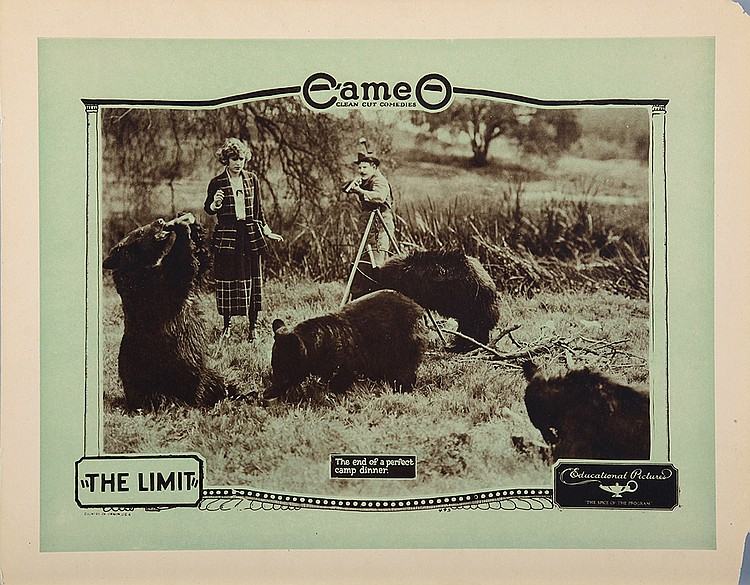
From the flickering reels of a bygone era emerges The Limit, a silent comedy from 1921 that, despite its seemingly simple premise, offers a surprisingly rich tapestry of human foibles and romantic folly. It’s a film that encapsulates the vibrant, often audacious spirit of early cinema, where narrative economy met boundless imagination to craft stories that resonated with audiences through visual wit and physical spectacle. This particular gem, starring the effervescent Virginia Vance and the determined Cliff Bowes, plunges us into a world where love is not merely a matter of heart, but a game of skill, strategy, and, most hilariously, duck hunting prowess.
The setup is pure, unadulterated comedic genius: a young woman, radiating an almost ethereal charm, finds herself amidst a duck hunt. Perhaps bored, perhaps mischievous, or perhaps genuinely seeking a suitor worthy of her unconventional spirit, she declares that her hand in marriage will go to the man who brings down the most ducks. This isn't just a casual wager; it's a matrimonial decree delivered with an air of absolute certainty, instantly transforming a leisurely sporting event into a high-stakes, almost Darwinian contest for her affection. The tranquil marshlands, moments before alive with the serene sounds of nature and the occasional shotgun blast, are suddenly imbued with an urgent, palpable tension. Every quack, every splash, every distant shot now carries the weight of a potential future.
Virginia Vance, as the catalyst for this avian-fueled romantic frenzy, embodies the silent screen’s ideal of feminine allure and understated power. Her performance is a masterclass in subtlety; a raised eyebrow, a slight tilt of the head, or a knowing glance is all it takes to convey her character's capricious nature and the profound impact of her decree. She is not merely an object of desire but an active participant, a silent orchestrator of the chaos that ensues. Her presence, often serene amidst the burgeoning pandemonium, serves as a delightful contrast to the increasingly frantic antics of her suitors. Vance’s ability to anchor the narrative with her quiet authority, even as the plot spirals into delightful absurdity, speaks volumes about her skill in an era where expression was everything.
Opposite her, Cliff Bowes, likely portraying one of the more prominent and certainly the most determined of the suitors, brings a robust physicality and earnest desperation to his role. His performance, typical of the era’s comedic actors, relies heavily on exaggerated gestures, facial contortions, and a boundless energy that propels the narrative forward. One can almost picture him, eyes wide with ambition, scrambling through reeds, reloading his shotgun with frantic haste, and perhaps even resorting to less-than-honorable tactics in his relentless pursuit of both ducks and a bride. His character embodies the universal male drive to prove oneself, amplified to a ludicrous degree by the promise of matrimony. The silent film medium was perfectly suited for such portrayals, allowing actors like Bowes to communicate complex emotions and motivations through purely visual means, often with a delightful lack of subtlety that is part of its enduring charm.
The true comedic heart of The Limit lies in the 'resultant scramble for game.' This is where the film transcends its simple premise and blossoms into a riotous spectacle. Imagining the scene, one can envision a rapid-fire succession of gags: botched shots, hunters accidentally shooting each other’s decoys, desperate dives into muddy ponds, and perhaps even attempts to 'borrow' or outright steal a rival’s kill. The competition intensifies, moving beyond mere marksmanship to encompass cunning, trickery, and sheer brute force. The film likely employs classic slapstick elements, with characters tripping over themselves, falling into water, or getting entangled in their own hunting gear. The escalating absurdity transforms the duck hunt from a genteel pastime into a comedic battle royale, each suitor more desperate and ridiculous than the last. This escalating tension and physical comedy are hallmarks of the period, reminiscent of the frantic energy found in films like Carry On, though The Limit grounds its chaos in a specific, delightfully absurd romantic quest.
The craftsmanship of silent cinema, even in a short comedy such as this, is often remarkable. Without dialogue, every visual cue, every cut, and every performance choice had to be meticulously planned to convey meaning and elicit laughter. The director, though uncredited in many early films, would have relied on rapid editing to heighten the pace of the hunt, contrasting wide shots of the marsh with close-ups of frantic faces and flailing limbs. The cinematography would have emphasized the physical comedy, perhaps using low angles to make a duck seem impossibly high, or tracking shots to follow a desperate chase through the reeds. The lack of sound forced a heightened reliance on visual storytelling, making films like The Limit incredibly dynamic and expressive. The humor isn't just in the premise, but in the execution – the precise timing of a fall, the exaggerated reaction to a missed shot, or the visual irony of a man losing his dignity for a duck.
Beyond the surface-level humor, The Limit subtly comments on the societal expectations and gender dynamics of its era. Marriage, particularly for women, was often seen as the ultimate prize, and men were expected to prove their worth, often through displays of skill, wealth, or bravery. Here, the film satirizes this by making the 'proof' a ludicrously specific and arbitrary task: duck hunting. It pokes fun at the lengths men would go to secure a wife and the somewhat transactional nature that could sometimes underpin courtship. While films like Wives and Other Wives or My Official Wife explored the complexities of marital fidelity and social standing with dramatic gravity, The Limit approaches the institution of marriage with a lighthearted, almost anarchic spirit. It suggests that perhaps the most profound commitments can arise from the most absurd beginnings.
Placing The Limit within the broader context of early 20th-century cinema offers further appreciation for its unique charm. While epics like The Eternal City or adventure serials like Les Vampires captivated audiences with grand narratives and suspense, comedies like The Limit provided essential escapism and social commentary through laughter. Its kinetic energy and focus on a singular, escalating gag differentiate it from more character-driven romantic dramas like Peacock Alley, which, while also engaging with themes of love and societal pressure, did so with a much more serious tone. The pursuit of love in The Limit is less about grand gestures and more about frenzied, bird-related acquisition, a stark, humorous contrast to the often perilous quests seen in films like The Prisoner of Zenda, where heroism is measured by courage rather than duck count. Even compared to Westerns like Hell Bent or Texas of the Mounted, which also feature men in pursuit of a prize (justice, land, etc.), The Limit stands out for its deliberate subversion of traditional masculine pursuits into a comedic spectacle.
The enduring appeal of The Limit lies in its universal depiction of human nature under pressure. The desire to impress, the competitive spirit, and the lengths to which individuals will go for love are timeless themes, here presented through a uniquely early 20th-century comedic lens. It's a reminder that even in the absence of spoken dialogue, the power of visual storytelling and well-executed physical comedy can transcend generations. The film’s ability to extract genuine humor from such a simple, yet absurd, premise is a testament to the creative ingenuity of its time. It doesn't rely on intricate plots or deep character development, but rather on the sheer, unadulterated joy of watching people behave ridiculously when faced with an irresistible incentive.
Ultimately, The Limit is more than just a forgotten silent comedy; it's a delightful snapshot of an era when cinema was rapidly evolving, exploring the boundaries of storytelling and entertainment. It’s a testament to the charm of Virginia Vance and the energetic presence of Cliff Bowes, whose performances bring this peculiar romantic contest to vibrant life. The film serves as a charming, if slightly chaotic, reminder that sometimes, the path to true love is paved not with roses, but with feathers and spent shotgun shells, all in a hilariously desperate quest to reach the very limit of romantic ambition. Its legacy, though perhaps not as widely celebrated as some of its contemporaries, is etched in the delightful absurdity it so expertly portrays, proving that a good laugh, especially one derived from human folly, truly knows no bounds.
IMDb —
1934
Community
Log in to comment.