DbcultAccessing Vault...
5.2/10
Senior Film Conservator
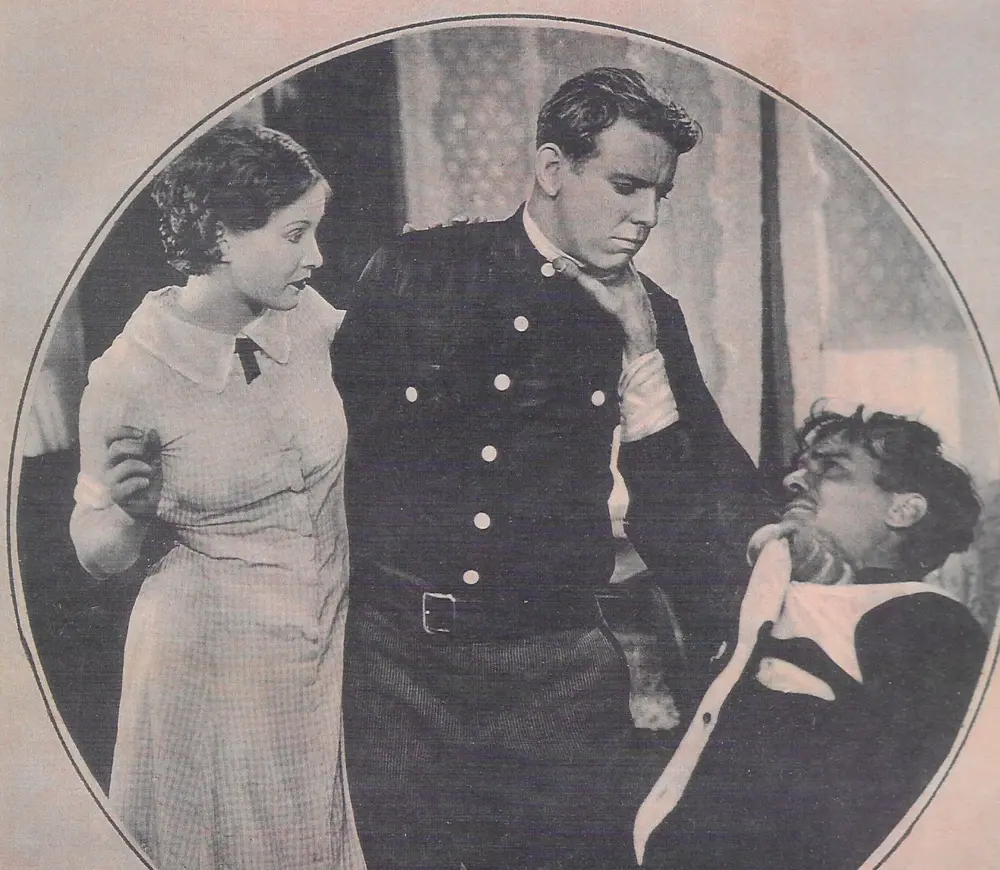
A definitive 5.2/10 rating for a film that redefined the boundaries of cult cinema. The Lone Star remains a cornerstone of transgressive art.
So, is The Lone Star a film that demands your attention in the crowded landscape of modern cinema? Short answer: yes, but with significant caveats that demand a certain cinematic palate. It's a foundational piece of the Western genre, a time capsule of storytelling that, while occasionally creaky, still holds a surprising amount of gritty charm and thematic resonance.
This film is absolutely for devotees of classic Westerns, those who appreciate the stark simplicity of early genre tropes, and anyone fascinated by the evolution of cinematic archetypes. It's decidedly not for viewers seeking rapid-fire action, complex psychological narratives, or modern production values. If you can’t tolerate silent film pacing or overt theatricality, you’ll struggle.
Early cinematic history is littered with forgotten gems and overhyped curiosities. The Lone Star, however, manages to carve out a unique space, not as a groundbreaking masterpiece, but as a remarkably effective distillation of the Western mythos. It works. But it’s flawed.
This film works because of its unwavering commitment to its central archetype and the raw, unpolished charisma of Fred Gilman.
This film fails because of its occasionally glacial pacing and a predictable narrative that, even for its era, feels somewhat paint-by-numbers.
You should watch it if you have a genuine interest in the roots of the Western genre and appreciate strong, stoic performances over intricate plot mechanics.
William Berke’s script for The Lone Star is less a story in the modern sense and more a living tableau of classic Western archetypes. Fred Gilman embodies the titular 'Lone Star' with a quiet intensity that speaks volumes without uttering a single word. His performance is a masterclass in stoicism, a powerful demonstration of how much character can be conveyed through posture, gaze, and deliberate movement. It’s a performance that sets a template, influencing countless Western heroes for decades to come.
Gilman’s 'Lone Star' isn't just a man; he's an ideal. He’s the embodiment of justice in a lawless world, a mysterious figure whose very presence promises retribution. When he first rides into the dusty settlement, framed against a stark horizon, the visual language immediately establishes him as an outsider, a force of nature distinct from the struggling townsfolk. This deliberate iconography is what elevates the film beyond a simple narrative.
Barbara Worth, as the saloon owner, provides a crucial counterpoint to Gilman’s solitary hero. Her character isn't a passive damsel; she’s a woman of grit and determination, a survivor in a brutal environment. Worth imbues her role with a fiery independence that feels surprisingly modern for the period, even if her ultimate narrative function remains somewhat constrained by genre conventions. Her scenes with Gilman, though brief, crackle with an unspoken tension, hinting at a deeper connection beneath their hardened exteriors.
The film’s villain, the unnamed cattle baron, is a caricature of greed, but an effective one. His malevolence is telegraphed through broad gestures and menacing glares, typical of the era. While lacking nuance, his presence provides a clear, unambiguous obstacle for our hero, fueling the central conflict with a visceral sense of injustice.
The direction, while uncredited in many historical accounts, clearly understands the power of the Western landscape. The vast, sweeping shots of the plains and the rugged mountains aren’t just pretty backdrops; they are active participants in the storytelling. They emphasize the isolation of the characters, the harshness of their existence, and the sheer scale of the challenges they face. There’s a particular shot of Gilman silhouetted against a setting sun, riding alone, that is etched into the genre’s collective memory.
The cinematography, though rudimentary by today's standards, often achieves striking compositions. The use of deep focus in certain interior scenes, particularly within the saloon, allows for multiple layers of action and character reaction to be conveyed simultaneously, a surprisingly sophisticated technique for the time. This gives a sense of bustling life, even in a town under siege.
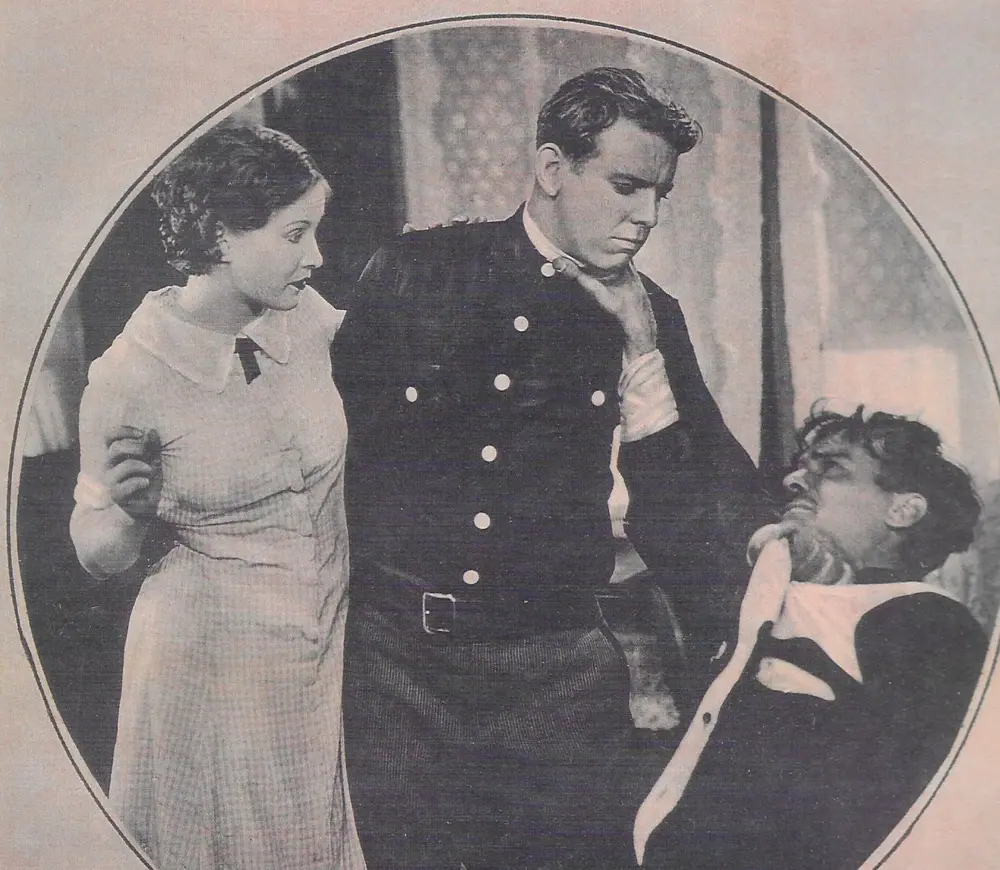
Pacing is, perhaps, the most challenging aspect for contemporary viewers. The film unfolds deliberately, with long takes and a reliance on visual storytelling over rapid-fire editing. This allows moments to breathe, building tension slowly rather than relying on jump scares or quick cuts. For those accustomed to modern narrative velocity, it can feel sluggish, but for those willing to lean into its rhythm, it offers a meditative quality rarely found today.
The tone is consistently grim, yet punctuated by moments of quiet heroism and burgeoning hope. There's a pervasive sense of struggle, but also an underlying belief in the triumph of good over evil, however hard-won that victory may be. It’s a morally unambiguous world, which, while simplifying the drama, also provides a comforting clarity.
Fred Gilman’s performance in The Lone Star is often cited as one of the defining portrayals of the silent Western hero, and it’s not hard to see why. His 'Lone Star' isn’t just good with a gun; he carries the weight of a myth. There’s a particular scene where he simply observes the townsfolk being harassed by the baron’s men, his face a mask of stone, yet the subtle clenching of his jaw or the slight tightening of his grip on his saddle horn speaks volumes about his simmering internal conflict. This is acting that transcends the lack of dialogue.
What's truly fascinating is the film’s subtle exploration of the burden of heroism. The 'Lone Star' doesn't seek conflict; it finds him. His reluctance to engage, his desire to remain apart, suggests a weariness with the very role he’s forced to inhabit. This subtext, while not overtly stated, is powerfully conveyed through Gilman's world-weary eyes and his measured, almost reluctant, actions. It's a surprisingly nuanced take for a character who could easily have been a one-dimensional avenger.
Barbara Worth, too, brings a surprising depth to her character. Her initial cynicism and distrust of the 'Lone Star' are palpable, born of years of disappointment and hardship. This makes her eventual, hesitant belief in him all the more impactful. Her performance injects a much-needed dose of human vulnerability into what could otherwise be a purely mythic narrative. Compare her resilience to the more overtly melodramatic portrayals in films like The Grip of Evil, and you see a subtle strength that sets her apart.
One unconventional observation about The Lone Star is how much of its emotional impact relies on the audience’s pre-existing understanding of Western tropes. The film doesn't need to explain why the 'Lone Star' is formidable, or why the baron is evil; these elements are assumed. This reliance on collective cultural memory allows the narrative to move with a stark economy that modern films often lack. It’s a testament to the power of archetypes.
Another point: the film’s final showdown, while inevitable, is less about kinetic spectacle and more about moral triumph. There's a brutal simplicity to its resolution. Good prevails. Evil is vanquished. It’s not flashy. It’s just right.
My strong, debatable opinion? While many herald the sprawling epics of later decades, I believe The Lone Star, in its minimalist narrative and almost spiritual reverence for its hero, captures the true, raw essence of the Western better than many more celebrated, complex films. It strips away the excess and gets straight to the core of what makes these stories resonate.
However, this simplicity is also its greatest weakness. The lack of intricate character development or surprising plot twists means that if you’re not already invested in the genre’s fundamental appeal, the film can feel hollow. It’s a film that asks you to bring some of your own imagination to the table.
The Lone Star is not a film that will reinvent your understanding of cinema, nor does it strive to. What it does, it does with unwavering conviction and a stark, powerful simplicity. It’s a testament to the enduring power of myth, a rough-hewn jewel in the crown of early Hollywood that, despite its age and narrative predictability, still manages to captivate.
Its strength lies in its unadulterated commitment to the Western archetype, embodied by Fred Gilman's magnetic, silent presence. While its pacing might feel like a slow, dusty ride across an endless plain, and its narrative as straightforward as a bullet’s trajectory, there’s an undeniable purity to its vision. It’s a film that asks you to meet it on its own terms, to appreciate the foundational brushstrokes of a genre that would go on to define American cinema.
For those willing to embrace its historical context and its deliberate rhythm, The Lone Star offers a surprisingly rewarding experience. It's a journey back to the very roots of the Western, a stark reminder of where our heroes came from. It’s a film that doesn’t shout its importance but quietly asserts it, like the lone star itself, shining steadily in the vast, dark sky. It’s a must-watch for historians and a strong recommendation for genre purists, but a qualified one for the casual viewer.
IMDb 6.3
1937
Community
Log in to comment.