DbcultAccessing Vault...
Cult Review
Senior Film Conservator
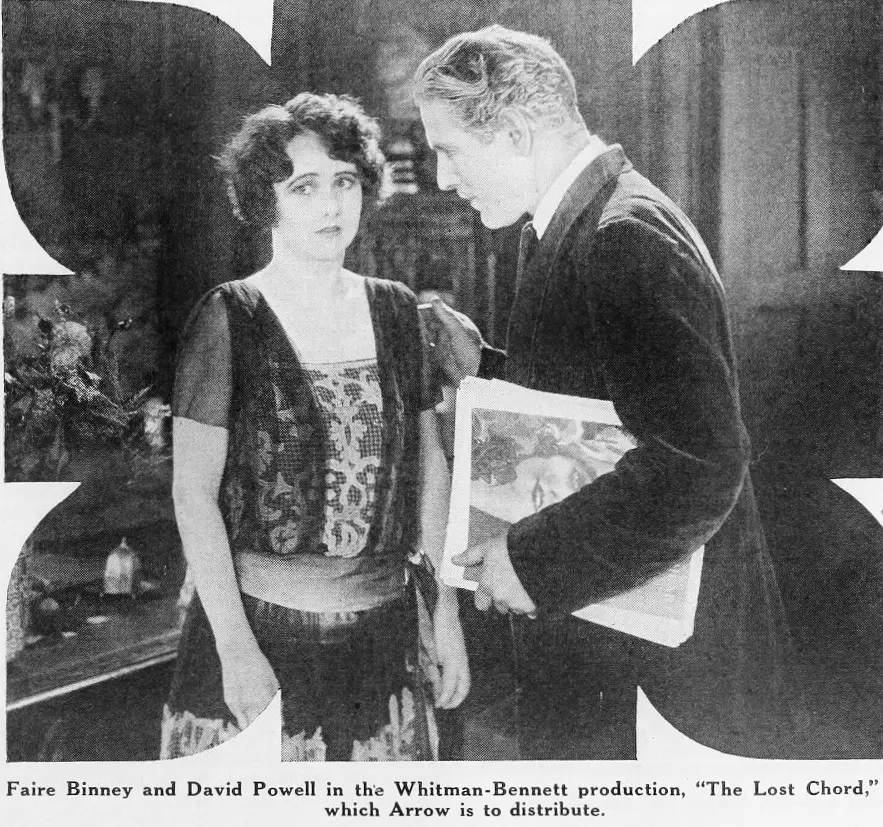
Is The Lost Chord (1925) a silent film worth watching today? Short answer: yes, but with significant caveats. This melodrama, steeped in the grand traditions of early cinema, offers a fascinating glimpse into the narrative conventions and performance styles of its era, making it a compelling watch for dedicated silent film enthusiasts and historians.
However, for casual viewers accustomed to modern pacing and subtlety, its overt theatricality and often sluggish progression might prove a considerable hurdle. This is a film for those who appreciate the historical context and the unique artistry of silent storytelling, not for those seeking an easily digestible, fast-paced drama.
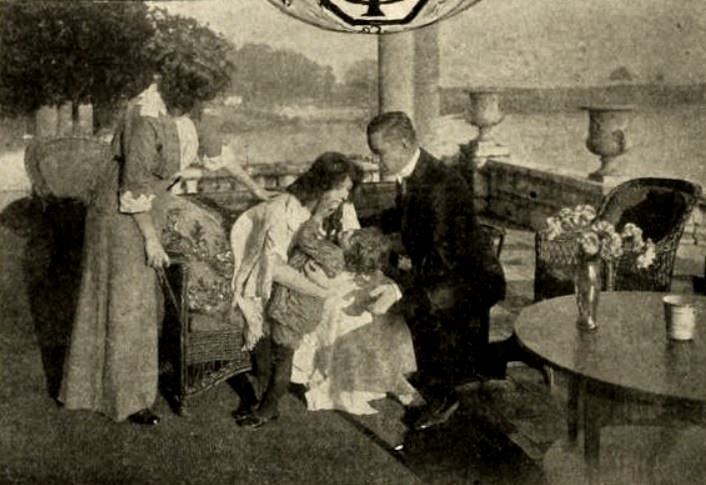
At its heart, The Lost Chord is a tale of profound injustice and the slow burn of revenge. We are introduced to Arnold Graham, a renowned organist, whose return home is marred by the discovery that his beloved Madeline has been forced into a marriage with the detestable Count Zara. The plot wastes no time in establishing Zara as a truly despicable figure – a man who abuses his wife and openly flaunts an affair with his cousin, Pauline.
The narrative escalates with a shocking manipulation: Pauline is convinced to fake the death of Madeline’s young daughter and smuggle her to England. This act of cruelty ignites Arnold's desire for vengeance, setting him on a path that promises dramatic confrontation. The story, while undeniably melodramatic, manages to construct a compelling framework of victimhood and retribution.
The film’s strength lies in its unashamed embrace of these grand, operatic themes. It doesn't shy away from depicting profound suffering or the dark undercurrents of human depravity. The plight of Madeline, trapped in a brutal marriage, is painted with broad, sympathetic strokes, instantly drawing the audience into her despair.
The intricate web of betrayal, especially Pauline's involvement, adds layers of moral ambiguity that prevent the story from becoming entirely black and white, even if the villain is painted in the darkest hues. This complexity, however slight, elevates it beyond simple good-versus-evil.
The acting in The Lost Chord is, as expected for the period, highly theatrical. Silent film stars relied heavily on exaggerated facial expressions and grandiose body language to convey emotion without dialogue. This can feel over-the-top to a modern audience, but it's essential to appreciate it within its historical context.
Alice Lake, as the tormented Madeline, delivers a performance rife with pathos. Her wide, sorrowful eyes and often trembling gestures effectively communicate her despair and resignation. There's a particular scene where she silently endures Zara’s abuse, her face a mask of quiet suffering, that truly resonates. It’s a powerful portrayal of a woman trapped by circumstance.
Samuel E. Hines, as the wronged hero Arnold Graham, embodies the brooding intensity required of the avenging protagonist. His expressions shift from initial joy to profound shock, then to a simmering rage that drives the plot. While sometimes his intensity borders on caricature, Hines successfully conveys Arnold's internal struggle and unwavering resolve.
The standout villain, David Powell as Count Zara, is a masterclass in silent film villainy. Powell chews the scenery with relish, his sneering countenance and aggressive posturing leaving no doubt about his character's depravity. His every movement, from a dismissive wave of the hand to a menacing stride, screams malevolence. This portrayal, while lacking modern subtlety, is undeniably effective in eliciting strong audience reaction.
Faire Binney as Pauline Zara also deserves mention. Her character is morally compromised, and Binney navigates the treacherous waters of guilt and coercion with a nuanced performance that hints at a deeper struggle beneath her complicity. Her internal conflict, even when expressed through period-appropriate emoting, adds a vital human element to the darker aspects of the plot.
Wilfred Noy's direction is competent, if not groundbreaking, for its time. He understands the mechanics of melodrama, framing scenes to maximize emotional impact. Close-ups are used effectively to highlight crucial emotional beats, particularly during moments of Madeline's suffering or Arnold's contemplation of revenge.
The cinematography, while not revolutionary, serves the story well. Lighting is often employed to distinguish mood – brighter, more hopeful scenes contrasting with the darker, shadowed environments that often surround Count Zara. There’s a particularly effective sequence involving shadows lengthening as Arnold contemplates his revenge, subtly hinting at the dark path he’s about to tread.
Set design, too, plays a role in establishing the social strata and emotional tenor. Zara’s opulent but cold manor contrasts sharply with the more modest, perhaps warmer, settings associated with Madeline before her forced marriage. While the visual language might seem rudimentary by today's standards, it was a sophisticated tool for storytelling in 1925, and Noy leverages it to good effect.
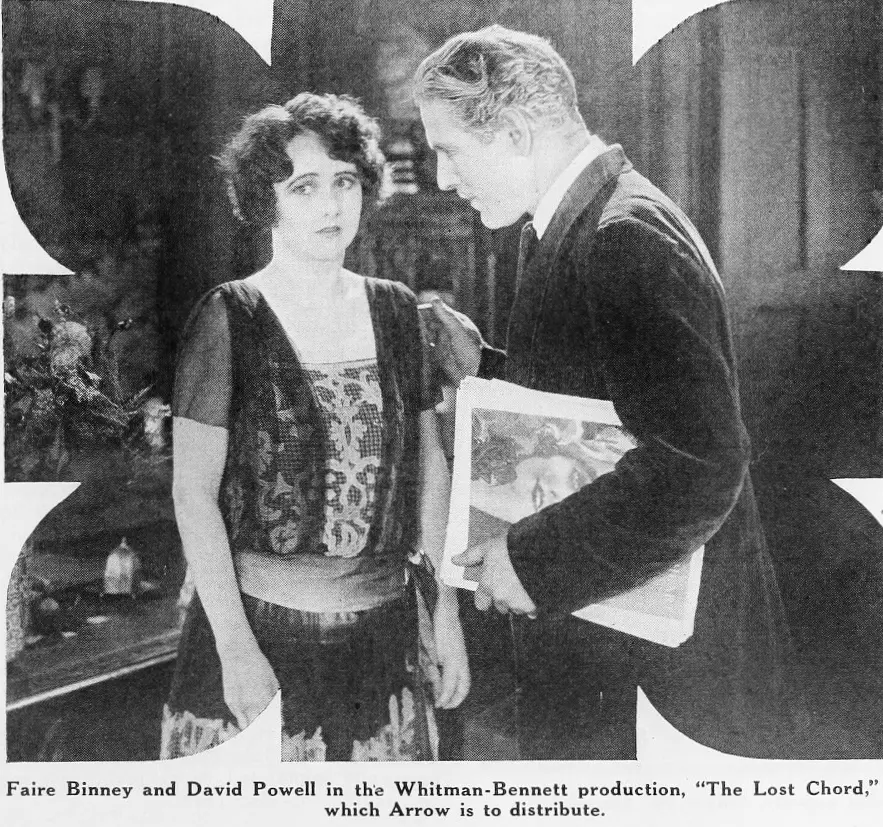
One could argue that Noy occasionally lingers too long on certain reaction shots, a common trait of silent cinema that can test modern patience. However, this deliberate pacing also allowed audiences of the era to fully absorb the emotional weight of each scene, a practice that has largely vanished in contemporary filmmaking.
The pacing of The Lost Chord is characteristic of early silent films: deliberate, allowing for extended emotional reactions and intertitles to convey narrative details. For those unfamiliar with this style, it can feel slow. The film builds its dramatic tension gradually, relying on the accumulation of injustices against Madeline to propel Arnold towards his vengeful quest.
The tone is overwhelmingly melodramatic. Every emotion is heightened, every betrayal is grand, and every act of cruelty is amplified. This isn't a film that aims for subtlety; it's designed to evoke strong, visceral reactions from its audience. This commitment to its melodramatic identity is both its charm and its biggest hurdle for modern viewers. It works. But it’s flawed.
There are moments where the emotional beats land perfectly, particularly in the build-up of Madeline's despair. However, there are also instances where the extended dramatic pauses feel less impactful and more like padding. The film's musical accompaniment (which would have been live during its original run) would have played a crucial role in maintaining engagement, a factor often lost in modern viewings without a well-crafted score.
Yes, The Lost Chord is worth watching today, but primarily for those with a specific interest in silent cinema, its historical context, or those curious about early melodrama. It's a valuable artifact of its time, showcasing the narrative conventions and acting styles that defined the era.
This film works because: It fully embraces its melodramatic premise, delivering a compelling, if exaggerated, tale of revenge and injustice with committed performances.
This film fails because: Its pacing can be excessively slow for contemporary tastes, and its overt theatricality may alienate viewers unaccustomed to silent film conventions.
You should watch it if: You are a silent film enthusiast, a film historian, or someone who appreciates classic melodrama and doesn't mind a slower, more deliberate narrative.
It is not for casual viewers seeking modern pacing, subtle performances, or groundbreaking cinematic innovation. If you prefer films like The Rescue for its adventure, or The Tigress for its more nuanced character study, The Lost Chord might feel a bit too much like a historical curiosity rather than a gripping drama.
The Lost Chord sits comfortably within the tradition of silent-era melodramas, films designed to tug at heartstrings and provoke strong emotional responses. It shares thematic DNA with other revenge-driven narratives of the time, often featuring wronged heroes and dastardly villains. While it doesn't reach the artistic heights of a Griffith or a Murnau, it effectively executes its chosen genre.
Compared to a film like Tillie's Punctured Romance, which leans into slapstick comedy, The Lost Chord represents the serious, often tragic, side of early cinema. It foregrounds emotional torment over physical gags, a stark contrast that highlights the breadth of silent film storytelling.
Its focus on social coercion and the dark side of aristocracy can be seen in other films that explored societal ills, though perhaps with less overt villainy than Count Zara. This film serves as a solid example of how silent cinema tackled themes of justice, betrayal, and the human capacity for cruelty and resilience. It's not a forgotten masterpiece, but a sturdy, representative piece of its time.
The film's exploration of vengeance, while a common trope, is handled with a certain earnestness that feels both quaint and compelling. Arnold's journey isn't just about personal retribution; it's about righting a profound wrong within a system that seems to protect the powerful. This underlying social commentary, even if not deeply explored, gives the narrative a touch more weight.
The Lost Chord (1925) is a film that demands a specific kind of engagement. It’s a compelling, if undeniably dated, piece of silent cinema that delivers on its melodramatic promises. While its pacing and performance style require patience from a modern audience, its historical value and the sheer theatricality of its villain make it a worthwhile watch for dedicated silent film aficionados.
It's not for everyone, but for those willing to immerse themselves in its unique charm, there's a poignant, if somewhat overblown, tale of love, loss, and the pursuit of justice waiting to be rediscovered. It holds its own, but only if you meet it halfway.
IMDb —
1918
Community
Log in to comment.