DbcultAccessing Vault...
Cult Review
Senior Film Conservator
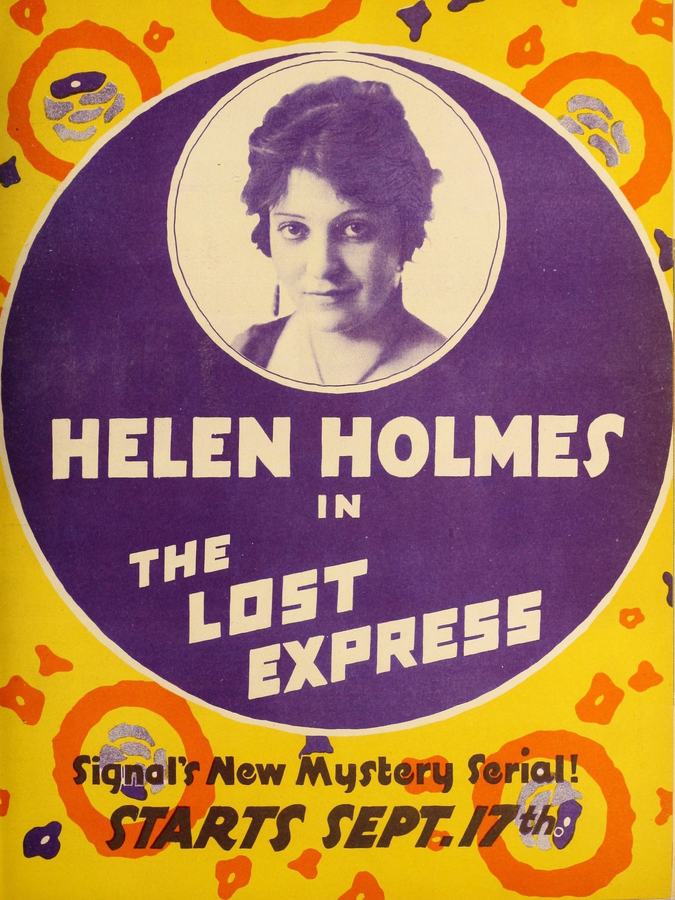
Stepping back into the nascent years of cinematic storytelling, 1917's The Lost Express emerges not just as a film, but as a fascinating artifact of its era, a testament to the burgeoning power of visual narrative even before the advent of synchronized sound. This isn't just a simple train movie; it's a meticulously crafted mystery, an industrial thriller that preys on the anxieties of a world teetering on the brink of profound technological and social change. From its premise alone—a train, carrying an invaluable formula for granulated gasoline, vanishes without a trace—we are immediately thrust into a high-stakes scenario that feels remarkably contemporary despite its century-old vintage. It speaks to universal fears: the theft of intellectual property, the disruption of critical infrastructure, and the sheer audacity of a crime that seems to defy logic.
The brilliance of The Lost Express lies in its ability to build palpable tension without a single spoken word. Directed by J.P. McGowan, who also features in the cast and co-wrote the screenplay with Frederick Bennett, the film relies heavily on visual cues, the expressive performances of its actors, and the rhythmic editing that was becoming increasingly sophisticated in the 1910s. The disappearance itself is a masterstroke of narrative economy; we don't witness the act, only its aftermath. This immediately places the audience in the shoes of the railroad investigators and authorities, led by figures portrayed by Thomas G. Lingham and Edward Hearn, who must piece together a puzzle from fragmented evidence and whispered rumors. The silence of the film paradoxically amplifies the mystery, forcing viewers to lean in, to scrutinize every gesture, every intertitle, for clues.
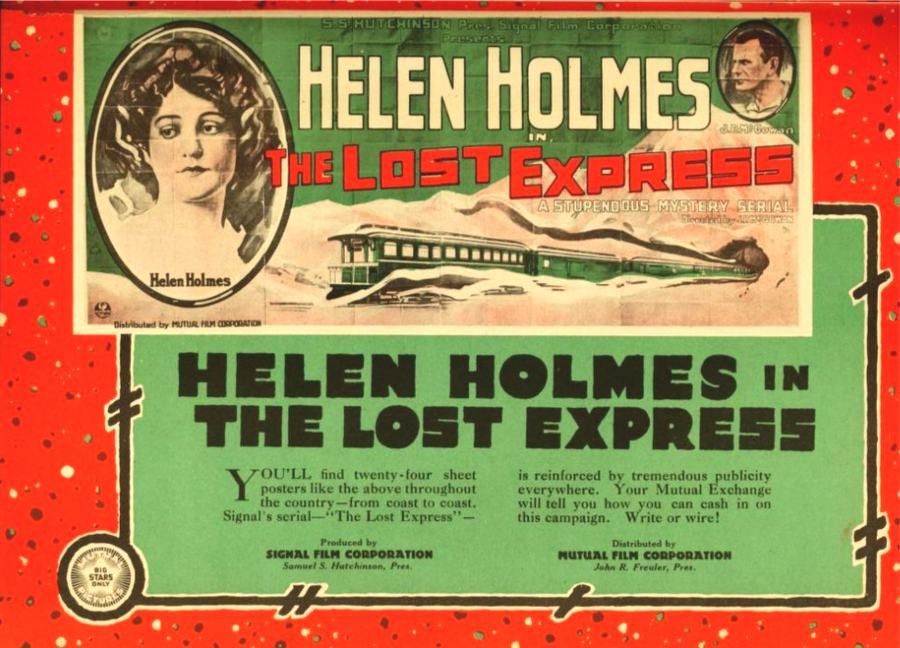
The central MacGuffin—the formula for granulated gasoline—is a potent symbol of early 20th-century industrial ambition. It represents not just wealth, but power, a strategic advantage that could alter the course of nations or industries. This elevates the stakes beyond a simple heist; it becomes a matter of national security, economic dominance, or perhaps even global conflict, especially with the backdrop of the ongoing World War I. Such a valuable commodity makes the train's disappearance not just a crime, but an act of audacious espionage, a challenge to the very order of things. One can draw parallels to the high-stakes intrigue found in other era-defining narratives, though perhaps with less overt political undertones than something like The Independence of Romania, which, while historical, certainly understood the weight of national assets and ambitions.
The ensemble cast, featuring names like Thomas G. Lingham, William N. Chapman, John McKinnon, Leo D. Maloney, Edward Hearn, Omar Whitehead, J.P. McGowan himself, Helen Holmes, and William Brunton, brought a distinctive theatricality to their roles, characteristic of the period. Helen Holmes, known for her 'daredevil' roles and often performing her own stunts, likely injected a dynamic energy into her portrayal, which would have been a significant draw for audiences. In silent cinema, the actor's face and body were the primary conduits for emotion and intent. Exaggerated gestures, wide-eyed surprise, furrowed brows of concentration, and the subtle shifts in posture became the language through which the narrative unfolded. This required a different kind of acting prowess, one that could convey complex emotions and plot points without the aid of dialogue. The effectiveness of the mystery hinges on these performances, as the audience must believe in the investigators' determination and the villains' cunning based purely on their visual presentation.
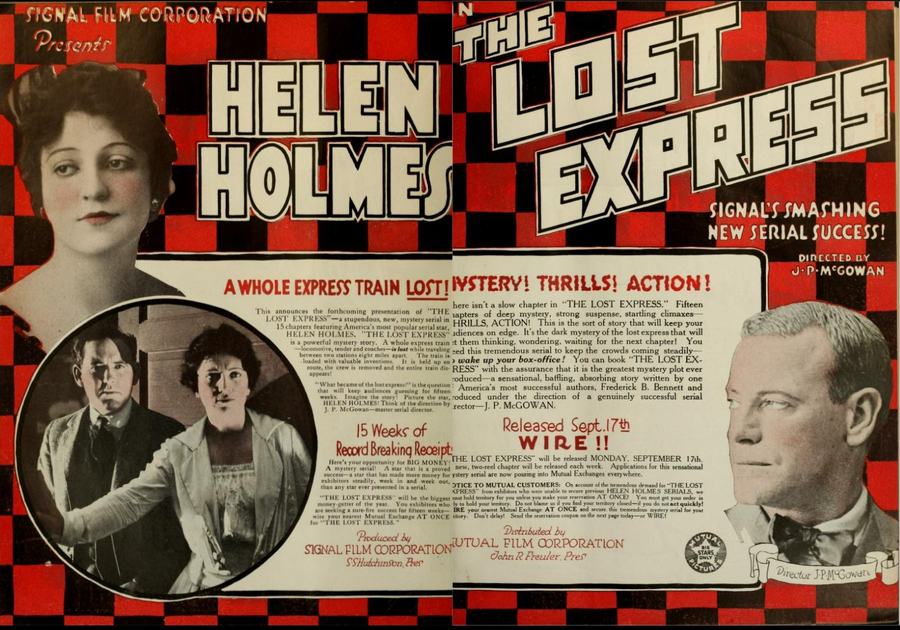
Consider the challenge of portraying meticulous detective work or the desperation of a high-stakes chase solely through movement and expression. It requires a mastery of physical storytelling that is often overlooked in modern, dialogue-driven cinema. The cast of The Lost Express, under McGowan's direction, had to embody these facets, making the pursuit of the train and its secrets a visceral experience. This is a stark contrast to the more introspective, character-study approach seen in films like Old Heidelberg or The Student of Prague, where internal turmoil and psychological depth drive the narrative. Here, the external action, the tangible hunt, is paramount, demanding a more kinetic and demonstrative acting style.
J.P. McGowan's direction, alongside his writing contributions, showcases a keen understanding of cinematic rhythm. The pacing of The Lost Express is crucial; a slow, ponderous unfolding would dissipate the suspense, while a frenetic rush would confuse. McGowan strikes a delicate balance, allowing moments for the audience to absorb information from intertitles and the visual reactions of characters, before accelerating into sequences of pursuit and discovery. The use of various camera angles, even if rudimentary by today's standards, would have been employed to emphasize scale (the massive train, the vast landscapes) and intimacy (close-ups on faces revealing shock or cunning). The film's ability to maintain a sense of urgency throughout the investigation, despite the lack of audible dialogue or a driving musical score (beyond what might have been performed live in theaters), is a testament to its directorial skill.
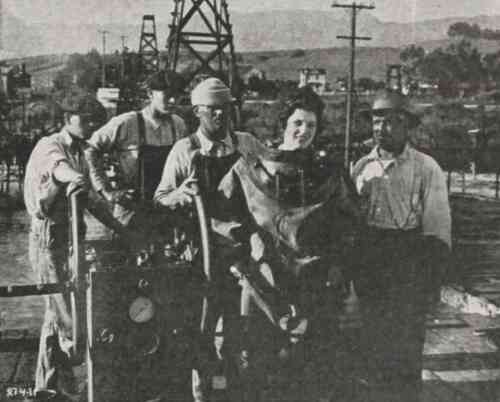
The narrative unfolds with a methodical precision that mirrors the very nature of railroad investigation. It’s a process of elimination, of tracking down leads, and confronting suspects. This procedural aspect, even in its nascent form, would have resonated with audiences who were increasingly fascinated by the scientific and logical approaches to crime-solving. It’s a far cry from the more abstract or allegorical storytelling found in some European contemporaries, such as Pyotr Velikiy, which focused on historical grandeur. Here, the focus is squarely on the tangible, the immediate, the solvable—even if the solution proves elusive for much of the runtime. The film doesn't just present a mystery; it invites the viewer to participate in its unraveling.
Beyond its thrilling plot, The Lost Express taps into deeper thematic currents. The early 20th century was an era of unprecedented industrial growth and technological marvels. Trains, in particular, symbolized progress, speed, and the conquest of distance. To have such a symbol of modernity disappear, along with a revolutionary technological secret, would have struck a chord of unease among audiences. It speaks to the vulnerability of even the most powerful human achievements in the face of human cunning or malice. This underlying anxiety about progress, and the potential for its misuse, is a theme that continues to resonate today, making the film surprisingly timeless.
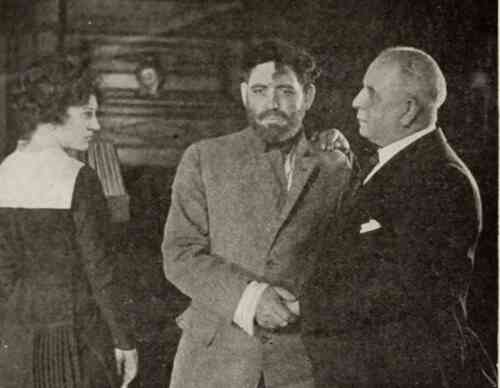
The concept of a 'lost' object of immense value also echoes throughout cinematic history. Whether it's a hidden treasure, a stolen identity, or a vanished person, the quest for what is missing remains a powerful narrative engine. In The Lost Express, the 'granulated gasoline' formula is a stand-in for any number of coveted secrets. The film implicitly asks: what lengths will people go to, both to acquire and to protect, such a potent discovery? This question places it in a lineage of thrillers that explore human greed and ingenuity, perhaps even touching on the themes of inheritance and legacy seen in films like The Seed of the Fathers or The Blood of His Fathers, albeit with an industrial rather than familial focus.
While not as widely remembered as some of its more celebrated contemporaries, The Lost Express holds a significant place in the development of the action-mystery genre. It demonstrates the early filmmakers' understanding of audience engagement, their ability to construct complex plots, and their burgeoning mastery of visual storytelling. For modern viewers, watching it offers a unique window into the cinematic conventions and cultural preoccupations of over a century ago. It’s a reminder that compelling narratives about crime, investigation, and the human element against daunting odds are not exclusive to any single era or technological advancement in filmmaking.
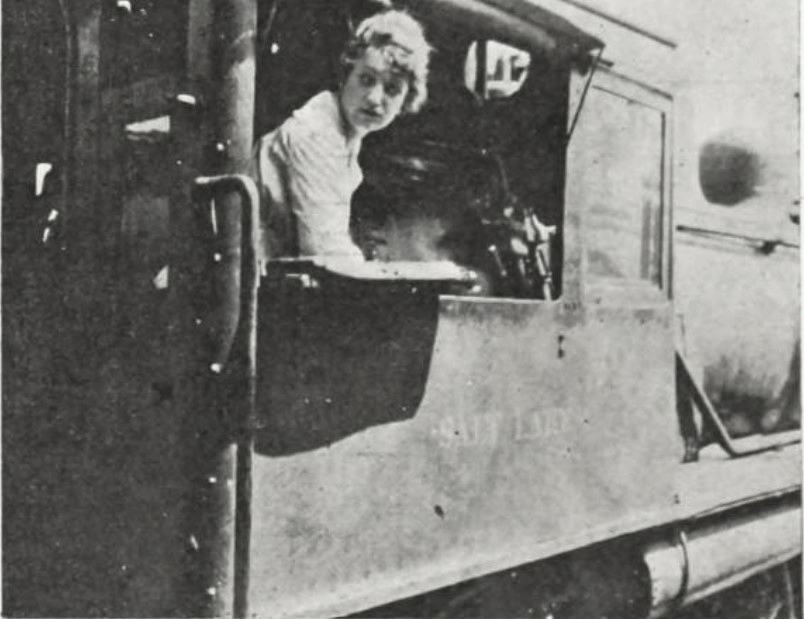
The film's exploration of industrial espionage feels remarkably prescient. In a world increasingly driven by intellectual property and technological advantage, the central conflict remains acutely relevant. The disappearance of a train, a symbol of brute force and unwavering progress, becomes a canvas for human ingenuity, both benevolent and malevolent. It showcases how simple premise can blossom into a multifaceted investigation that tests the limits of logic and human endurance. The film contributes to a rich tapestry of early cinema that explored societal anxieties and technological marvels, much like how The Land of Promise delved into social mobility, or The Mysterious Miss Terry played with identity and intrigue. Each film, in its own way, captured a slice of the era's fascination with the unknown and the unfolding human drama.
Ultimately, The Lost Express is more than just a historical curiosity; it is a vital piece of cinematic heritage, illustrating the foundational principles of suspense and narrative drive that continue to inform thrillers today. Its silent frames speak volumes, inviting us to appreciate the artistry of early filmmakers who, with limited tools, managed to conjure worlds of intrigue and excitement. It compels us to consider the enduring power of a good mystery, regardless of how many decades, or even centuries, have passed since its initial telling. It's a journey into the past that illuminates the timeless appeal of a well-told story, a testament to the ingenuity of Frederick Bennett and J.P. McGowan, and the dedicated cast who brought this captivating industrial mystery to life.
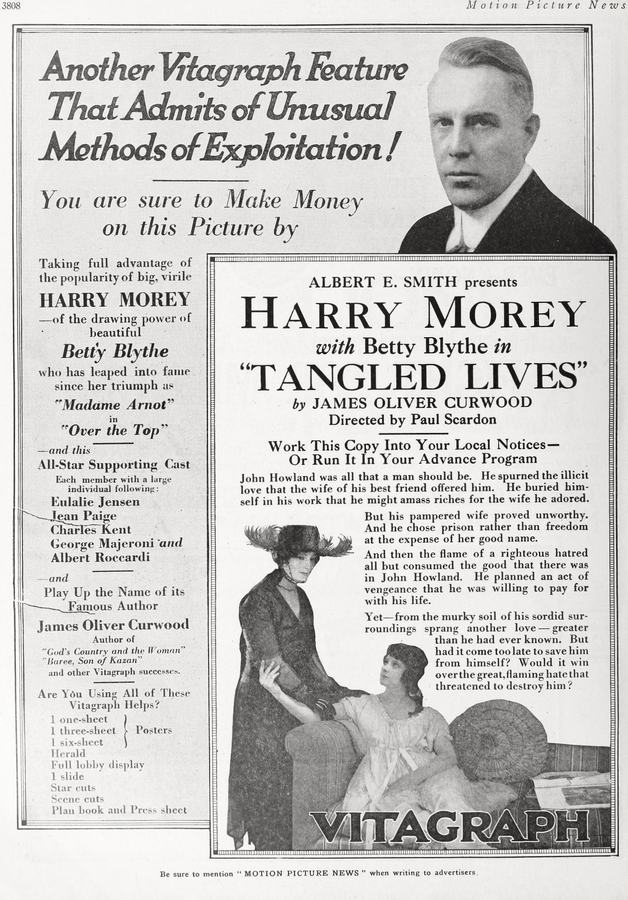
IMDb —
1918
Community
Log in to comment.