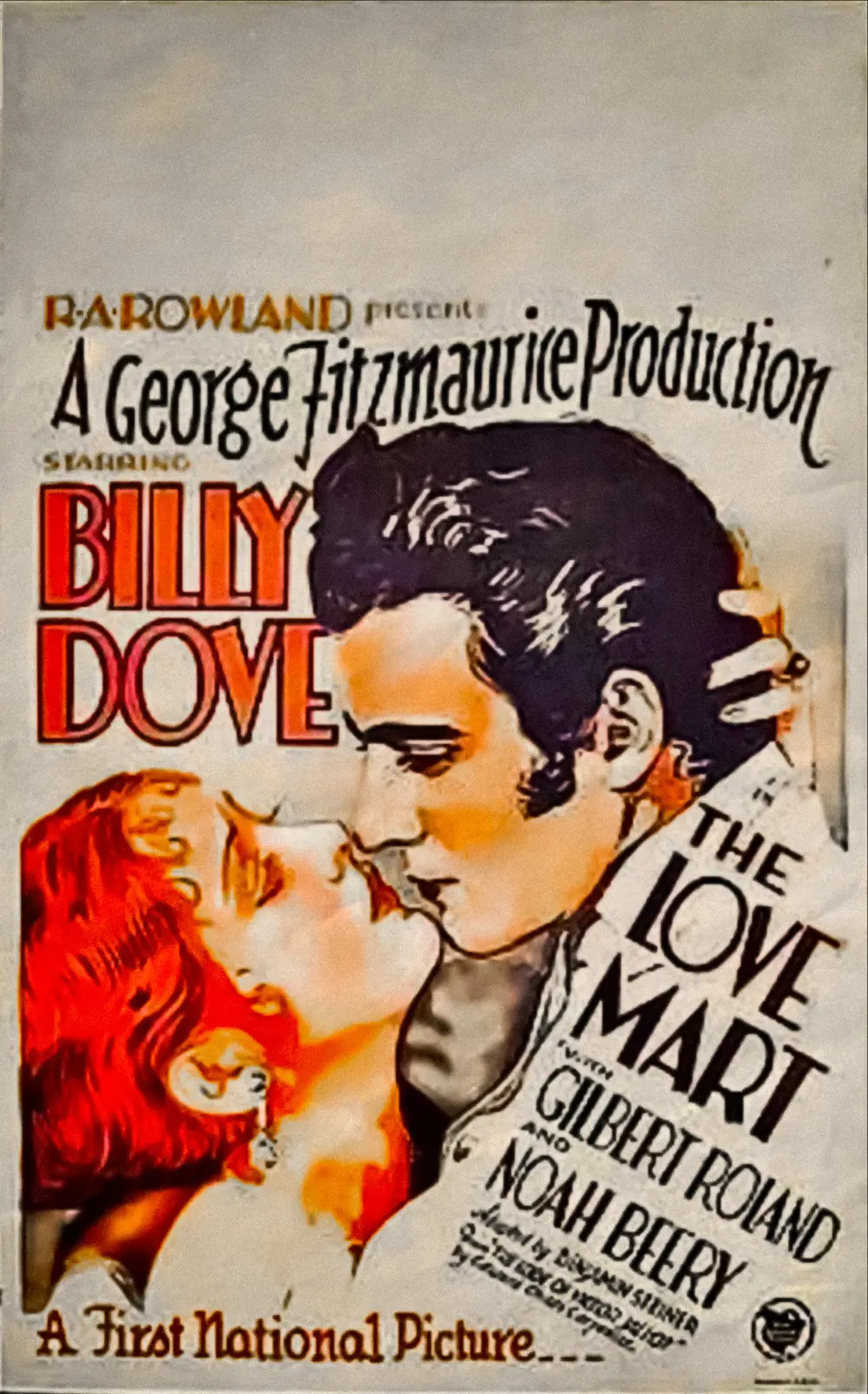
A definitive 6.8/10 rating for a film that redefined the boundaries of cult cinema. The Love Mart remains a cornerstone of transgressive art.
Is The Love Mart worth watching today? Short answer: yes, but with a significant caveat. This silent-era swashbuckler is a fascinating historical artifact and a surprisingly gripping melodrama for those with an appreciation for early cinema, but its deeply uncomfortable racial themes will be a major barrier for many.
It's a film for cinephiles, historians, and those curious about the evolution of storytelling and social attitudes in the 1920s. However, it is absolutely not for viewers seeking escapist entertainment without confronting challenging, outdated societal norms. You simply cannot separate the art from its context here.
This film works because its adventurous spirit, strong central performances (Billie Dove and Gilbert Roland), and the sheer dramatic tension of its central conflict, despite its problematic nature, create undeniable stakes and a surprisingly engaging visual narrative.
This film fails because the racist plot device at its core is profoundly offensive and overshadows much of the narrative, making it a difficult and often disheartening watch. Its pacing, typical of the era, might also test modern patience.
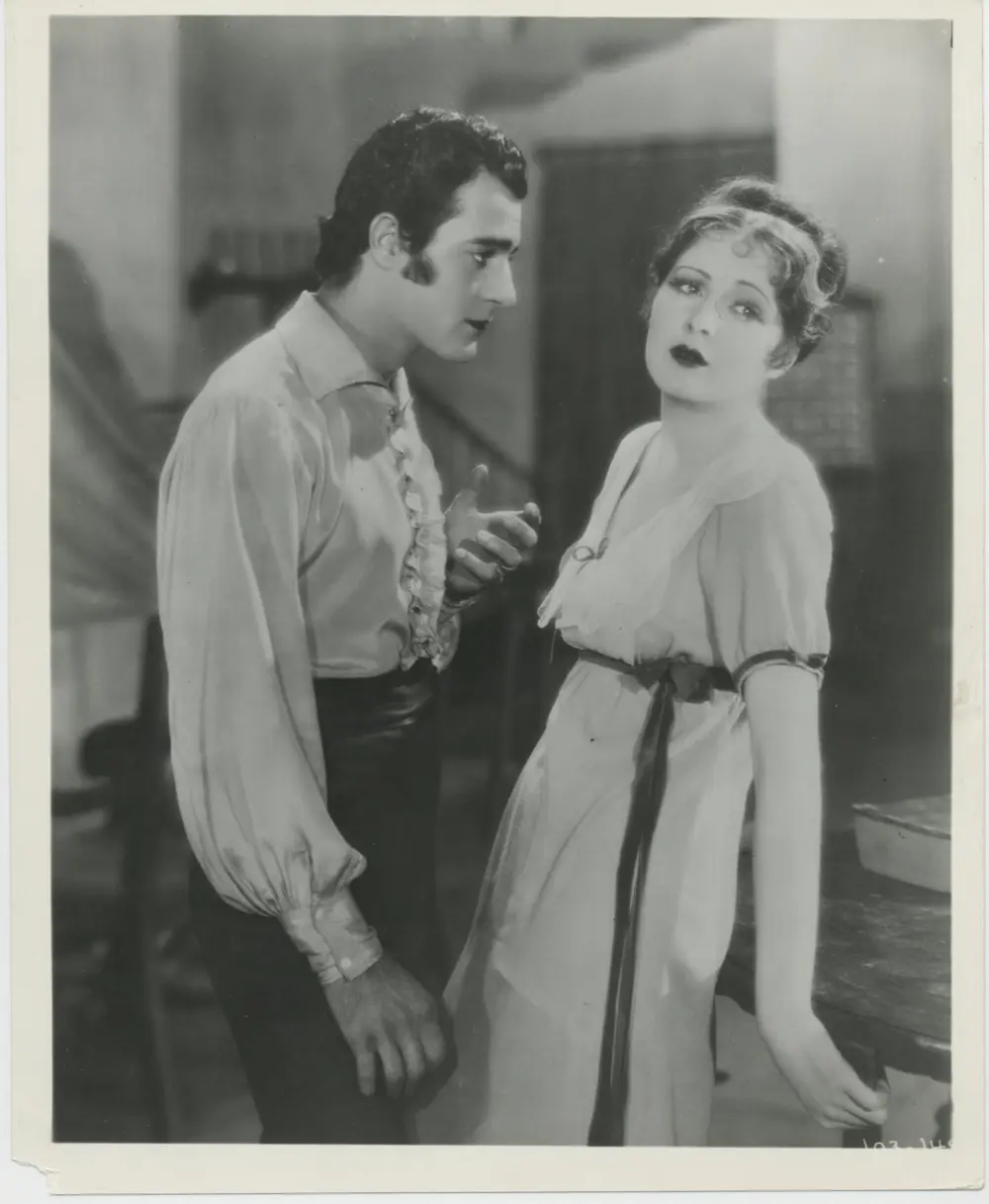
Scene from The Love Mart
Cinematic perspective: Exploring the visual vocabulary of The Love Mart (1927) through its definitive frames.
You should watch it if you are interested in silent film history, the early careers of its stars (including a blink-and-you’ll-miss-it Boris Karloff), or enjoy melodramatic adventure with a critical eye towards its historical and social context.
A Whirlwind in New Orleans: Plot and Problematic Context
At its heart, The Love Mart is a tale of redemption and daring, set against the intoxicating backdrop of 19th-century New Orleans. Our hero, Victor, played with admirable dash by Gilbert Roland, is initially presented as a man of action, a swashbuckler whose life takes an unexpected turn after a victorious duel. He finds himself the proprietor of a barber shop, a stark contrast to his adventurous past, signaling a desire to settle down.
His pursuit of a beautiful, unnamed woman (Billie Dove) forms the initial romantic thrust of the narrative. Her rejection, based on his perceived lower social standing as a barber, sets up a classic melodramatic conflict of class and love. This dynamic, while conventional for the era, feels surprisingly resonant, exploring themes of societal expectation versus genuine affection.
However, the film takes a truly dark and reprehensible turn with the introduction of Captain Remy, portrayed by the menacing Noah Beery. Remy, a spurned suitor, resorts to an act of appalling cruelty: forging documents to declare Dove’s character a 'quadroon.' This plot device, rooted in America’s abhorrent history of racial classification and slavery, is the film's undeniable Achilles' heel.
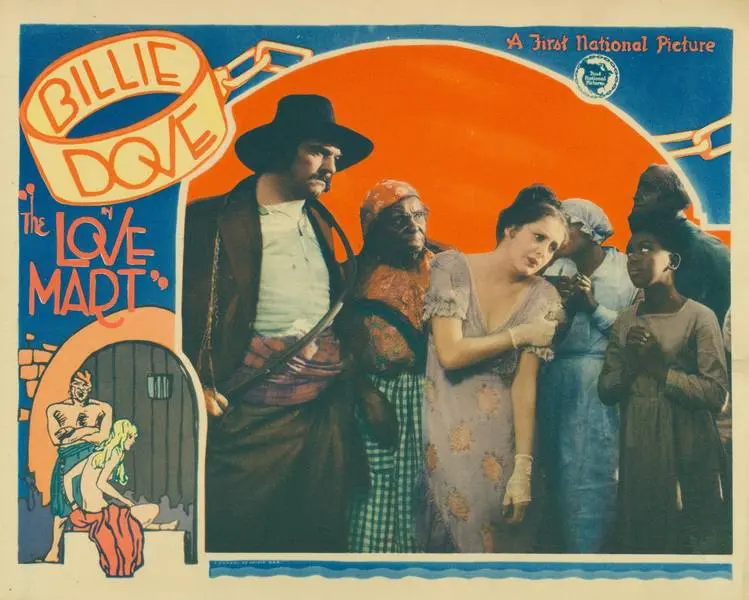
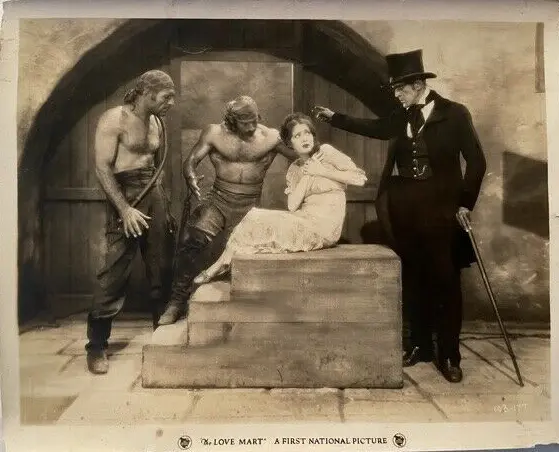
Scene from The Love Mart
Cinematic perspective: Exploring the visual vocabulary of The Love Mart (1927) through its definitive frames.
The concept of the 'quadroon' clause, a legal and social construct used to define and subjugate individuals of mixed African and European ancestry, casts a long, uncomfortable shadow over the entire production. It’s a stark, painful reminder of the pervasive racism that permeated American society and, by extension, its early cinema. This isn't just a plot point; it's a historical wound reopened.
Victor’s subsequent determination to rescue her from this horrific fate transforms the film from a simple romance into a desperate, morally urgent quest. It's here that the narrative gains its most significant stakes, albeit ones built upon a foundation of deeply offensive prejudice. The film, in its own problematic way, becomes an accidental document of a shameful past.
Performance and Persona: The Silent Stars Shine (Mostly)
The silent era demanded a unique brand of acting, one reliant on expressive physicality and exaggerated facial gestures. The Love Mart is a fascinating showcase for this particular art form, even if some performances fare better than others.
Billie Dove, in the role of the unnamed woman, is an absolute revelation. Her beauty is undeniable, but it's her capacity for conveying profound emotion without a single spoken word that truly captivates. Her eyes, in particular, speak volumes—from initial haughtiness to devastating despair, and finally, resolute defiance. There’s a scene where she is sold into slavery, her face a mask of quiet horror that is far more impactful than any scream could be. She carries the emotional weight of the film with remarkable grace, making her character's plight genuinely affecting.
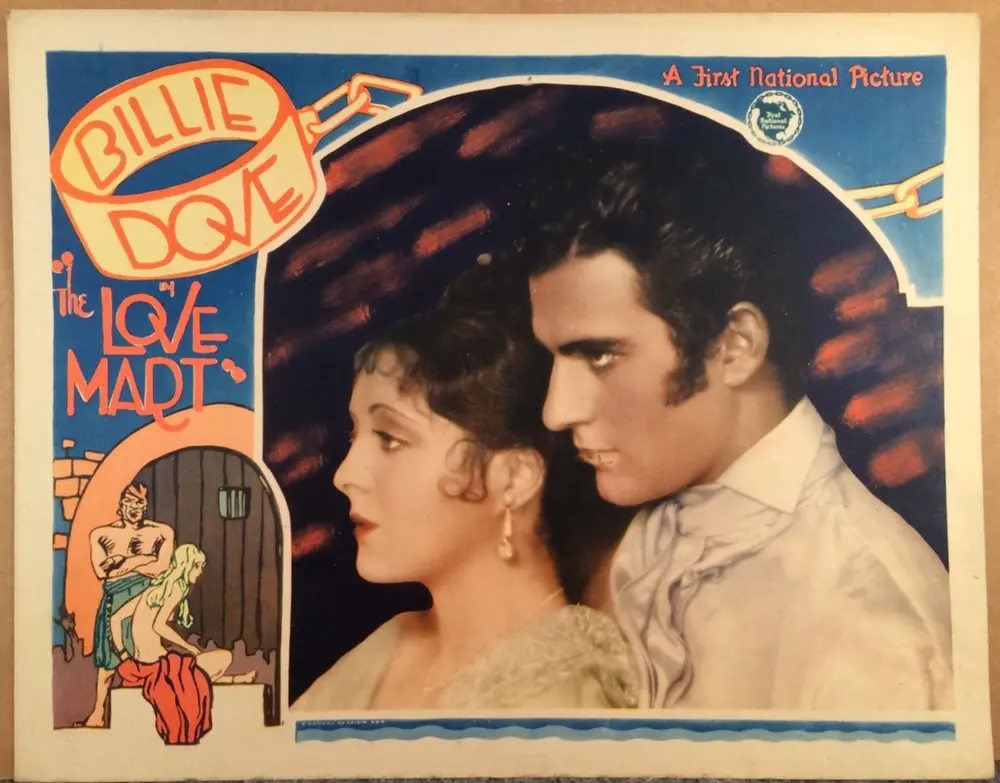
Scene from The Love Mart
Cinematic perspective: Exploring the visual vocabulary of The Love Mart (1927) through its definitive frames.
Gilbert Roland, as Victor, embodies the quintessential silent film hero – dashing, earnest, and prone to dramatic declarations with a single, sweeping gesture. He possesses a swashbuckling charm that feels perfectly suited to the New Orleans setting, making his transformation from carefree duelist to determined rescuer entirely believable. His charisma is palpable, reminiscent of other silent era heartthrobs, even if his character arc feels a touch less nuanced than Dove's.
Noah Beery’s Captain Remy is a deliciously sneering villain, a caricature of malevolent entitlement. His leering gaze and theatrical gestures perfectly encapsulate the era’s approach to antagonist portrayal. He’s not a complex character, nor is he meant to be. He exists as the embodiment of villainy, a force of pure, unadulterated malice, and Beery plays him with an almost gleeful wickedness that is effective, if not subtle.
And then there’s the blink-and-you’ll-miss-it appearance of a young Boris Karloff. Long before he became the iconic monster of Frankenstein, Karloff often played bit parts, usually as a henchman or a background tough. Spotting him in The Love Mart is a delightful Easter egg for horror aficionados, though his role is so minor it barely registers beyond a curious historical footnote. It’s a testament to his perseverance that he would eventually achieve stardom.
Directing and Cinematography: A Glimpse into the Past
Directed by Emile Chautard, The Love Mart showcases a directorial style typical of its period: broad strokes of visual storytelling, clear delineation of good and evil, and a reliance on title cards to advance plot and convey dialogue. While it lacks the intricate camera work or experimental flourishes of some of its contemporaries, it remains a competently crafted piece of filmmaking.
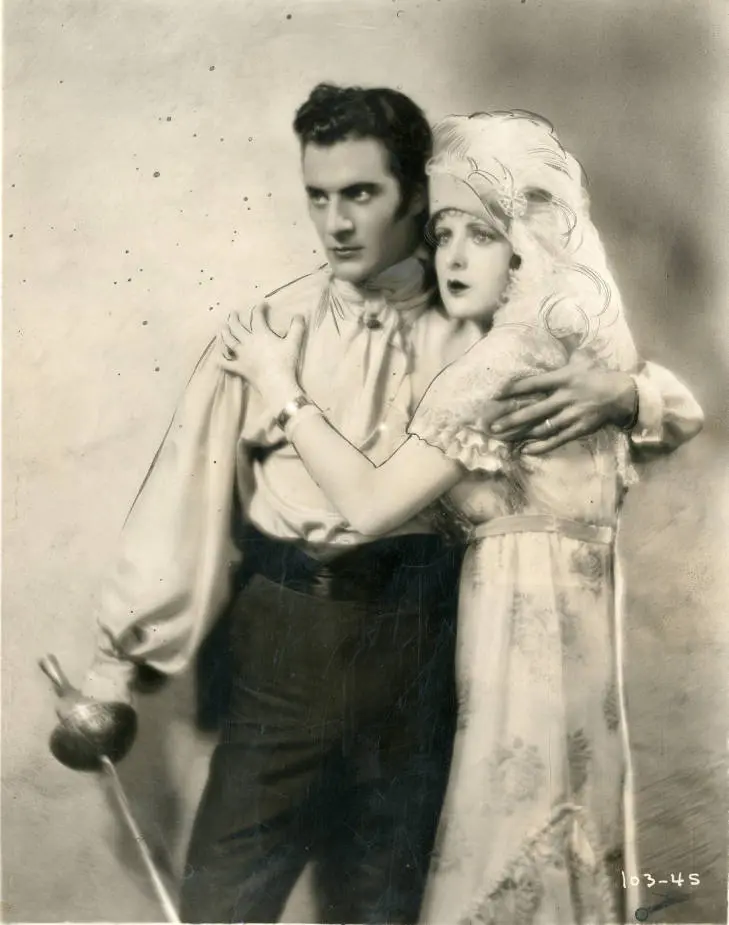
Scene from The Love Mart
Cinematic perspective: Exploring the visual vocabulary of The Love Mart (1927) through its definitive frames.
Chautard demonstrates a good grasp of visual composition, particularly in establishing the atmosphere of New Orleans. The sets, though clearly studio-bound, manage to convey a sense of the city’s unique charm and lurking dangers. The barber shop, for instance, feels authentically bustling, a microcosm of the city’s vibrant life. Conversely, Remy’s mansion exudes a sinister opulence, immediately signaling his character’s dark intentions.
The action sequences, particularly the opening duel and Victor’s eventual rescue mission, are staged with a theatrical flair that is characteristic of the genre. They might not possess the kinetic energy of modern action, but they are clear and purposeful. The choreography of the initial duel, for example, is surprisingly engaging, setting the tone for Victor's adventurous spirit.
Cinematically, the film makes effective use of lighting to enhance mood. Shadows are employed to heighten suspense, particularly during the more nefarious actions of Captain Remy. Close-ups are used judiciously to emphasize the emotional turmoil on Billie Dove’s face, a crucial technique in silent cinema for connecting the audience to the characters’ inner lives. This visual storytelling, while simple, is undeniably effective in its execution.
Pacing, Tone, and the Uncomfortable Truth
For contemporary viewers, the film’s pacing will undoubtedly feel deliberate, almost languid, especially during expositional sequences where title cards do much of the heavy lifting. Yet, this measured rhythm allows the melodrama to fully steep, building emotional weight before the inevitable, explosive confrontation. It’s a different rhythm than we are accustomed to, one that rewards patience and a willingness to immerse oneself in the silent experience.
Scene from The Love Mart
Cinematic perspective: Exploring the visual vocabulary of The Love Mart (1927) through its definitive frames.
The tone of The Love Mart is unabashedly melodramatic, swinging between lighthearted romance and intense peril. This tonal shift, while jarring at times, is a hallmark of the era. The film doesn't shy away from grand gestures and heightened emotions, which, when viewed through a modern lens, can feel both charmingly quaint and occasionally overwrought.
However, it’s impossible to discuss The Love Mart without confronting its most significant, and frankly, disturbing aspect: the 'quadroon' plotline. This deeply offensive narrative device, which hinges on the dehumanizing practice of racial classification and the threat of enslavement, is a stark reminder of the pervasive and deeply embedded prejudices in early 20th-century American society and its entertainment.
It’s a plot device that is impossible to view without revulsion, yet it forces a confrontation with a painful historical reality. To ignore it would be irresponsible. The film, in this regard, serves as a difficult, yet undeniably important, historical document, showcasing not just early cinematic techniques but also the deeply problematic social attitudes that were normalized at the time. It is a compelling artifact. But it is deeply troubling.
The casual cruelty embedded in this narrative element is a stark contrast to the film’s otherwise adventurous spirit. It creates an undeniable tension, making the film a challenging watch for anyone sensitive to historical racism. Its inclusion makes any recommendation come with a heavy asterisk, demanding a critical and informed viewing experience.
Is This Film Worth Watching?
Is The Love Mart worth watching? Yes, but primarily as a historical document. It offers a unique window into silent film narrative techniques. It showcases early performances from notable actors. It also provides a challenging look at historical racial prejudice in cinema. Modern audiences seeking light entertainment might struggle. Viewers interested in film history will find value.
It's a film that demands contextualization and a willingness to engage with its historical baggage. It's not a comfortable watch, but its discomfort is precisely what makes it relevant for study. If you appreciate the art of silent film and are prepared to critically examine its problematic elements, then it offers a unique, if often unsettling, experience.
Key Takeaways
Best for: Film historians, silent cinema enthusiasts, and those interested in the social context of early Hollywood.
Not for: Viewers seeking lighthearted escapism, or those unwilling to confront deeply uncomfortable historical racial themes.
Standout element: Billie Dove’s remarkably expressive and emotionally resonant performance, elevating the central plight.
Biggest flaw: The central 'quadroon' plot device, which is profoundly racist and overshadows the film’s other merits.
Pros and Cons
Pros:
Engaging Silent Performances: Billie Dove and Gilbert Roland deliver compelling, expressive portrayals that anchor the melodrama.
Atmospheric Setting: The film effectively evokes the unique charm and danger of 19th-century New Orleans through its sets and visual style.
Historical Significance: Offers valuable insight into early cinematic storytelling and the social attitudes of the 1920s.
Melodramatic Tension: The central conflict, despite its problematic nature, creates undeniable dramatic stakes.
Early Karloff Sighting: A fun, albeit minor, discovery for fans of Boris Karloff’s later work.
Cons:
Deeply Problematic Racial Themes: The 'quadroon' plotline is offensive and difficult to overlook, making for an uncomfortable viewing experience.
Pacing Issues for Modern Audiences: The deliberate rhythm of silent film may feel slow or tedious to contemporary viewers.
Simplistic Characterizations: Aside from Dove’s nuanced performance, many characters, particularly the villain, are broadly drawn caricatures.
Reliance on Title Cards: While necessary for silent film, the sheer volume can break immersion for some viewers.
Dated Sensibilities: Beyond the racial issues, some of the melodramatic flourishes and narrative conveniences feel very much of their time.
Verdict
The Love Mart is a fascinating, if deeply flawed, relic of early Hollywood. It’s a film that demands a viewer’s full critical engagement, not just passive entertainment. Its adventurous spirit and the magnetic performances of Billie Dove and Gilbert Roland offer glimpses of its cinematic merit, showcasing the burgeoning art form of silent storytelling. You can see the seeds of future blockbusters, the nascent language of film taking shape.
However, the film’s central conceit – the horrifying 'quadroon' plot – is a moral anchor around its neck, dragging it into uncomfortable territory that cannot, and should not, be ignored. It serves as a stark reminder that even seemingly innocent entertainment can reflect and perpetuate deeply harmful societal prejudices. It’s a difficult watch. But it’s important.
Ultimately, The Love Mart is best approached not as a purely enjoyable piece of cinema, but as a historical document. It’s a window into a past that was both cinematically vibrant and socially reprehensible. Its value lies not in its escapism, but in its ability to provoke thought and discussion about the evolution of film and society. Don't go in expecting a lighthearted romp; prepare for a challenging, yet illuminating, journey into a complex piece of cinematic history.