Is The Lovelorn worth watching today? Short answer: yes, but with significant caveats that demand a specific kind of viewer. This film is for those who cherish silent cinema's unique storytelling conventions and wish to explore early portrayals of social commentary, particularly regarding wealth and romantic deception.
It is decidedly NOT for viewers seeking fast-paced narratives, nuanced character development by modern standards, or a break from the theatricality inherent to its era. If you approach silent films as historical artifacts offering a glimpse into a bygone art form, you’ll find value. If you demand modern narrative sensibilities, prepare for disappointment.
This film works because of its directness in exposing a common societal ill — the fortune-hunter — and its earnest, if broad, performances that clearly communicate the emotional stakes.
This film fails because its predictable plot resolution and lack of deeper character exploration for Georgie, beyond her immediate dilemma, prevent it from achieving lasting emotional impact.
You should watch it if you appreciate historical context in filmmaking, the unique acting styles of the silent era, or simple morality plays that prioritize clear thematic messages over complex psychological drama.
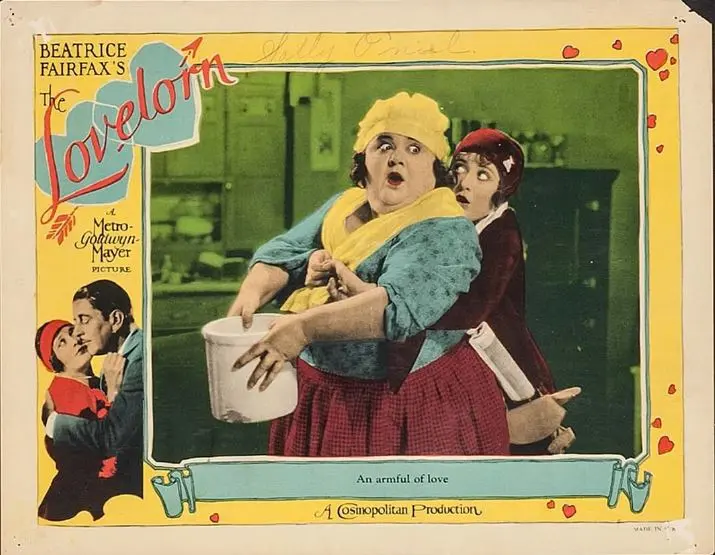
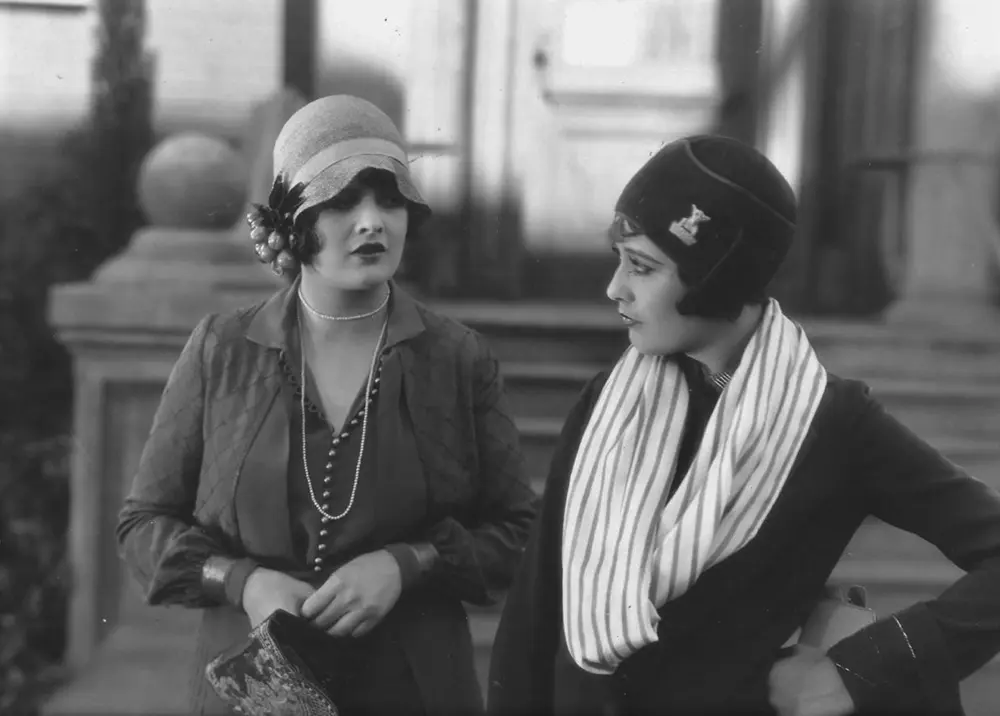
Scene from The Lovelorn
Cinematic perspective: Exploring the visual vocabulary of The Lovelorn (1927) through its definitive frames.
Is The Lovelorn Worth Watching Today?
For the uninitiated, venturing into a silent film like The Lovelorn can feel like stepping into an entirely different medium. It demands a recalibration of expectations, a willingness to appreciate visual storytelling unburdened by dialogue, and an understanding of the theatrical performance styles that defined the era. For the dedicated cinephile, however, it offers a fascinating window into the evolving craft of filmmaking in the 1920s.
The film’s central premise — a young woman falling for her sister’s fiancé, only for him to be exposed as a cad — is a familiar trope, even today. What makes The Lovelorn noteworthy isn't its originality of plot, but rather how it executes this narrative within the constraints and conventions of its time. It’s a snapshot of a particular moment in cinematic history, reflecting societal anxieties and entertainment preferences.
While it won't be everyone's cup of tea, especially for those accustomed to the rapid-fire editing and psychological realism of contemporary cinema, The Lovelorn holds a certain charm. Its earnestness is disarming, and its moral clarity, while simplistic, is refreshingly direct. It's a film that asks you to slow down, observe, and interpret the visual cues, much like reading a classic novel.
Plot Deconstructed: A Familiar Echo
The narrative core of The Lovelorn, penned by Frederic Hatton and Bradley King, with input from the real Beatrice Fairfax, is deceptively simple. Georgie Hastings, portrayed by Dorothy Cumming, finds herself in an unenviable position: she is hopelessly smitten with Bill Warren (Larry Kent), the very man her sister Ann (Molly O'Day) is set to marry. This forbidden affection creates an internal torment for Georgie, a conflict that forms the emotional bedrock of the film.
Her desperation leads her to seek anonymous guidance from the ubiquitous agony aunt of the era, Beatrice Fairfax. This plot device, leveraging the popularity of actual advice columnists, grounds the melodrama in a relatable social phenomenon. It’s a clever touch that adds a layer of contemporary relevance, even if Beatrice's role is more symbolic than deeply interactive.
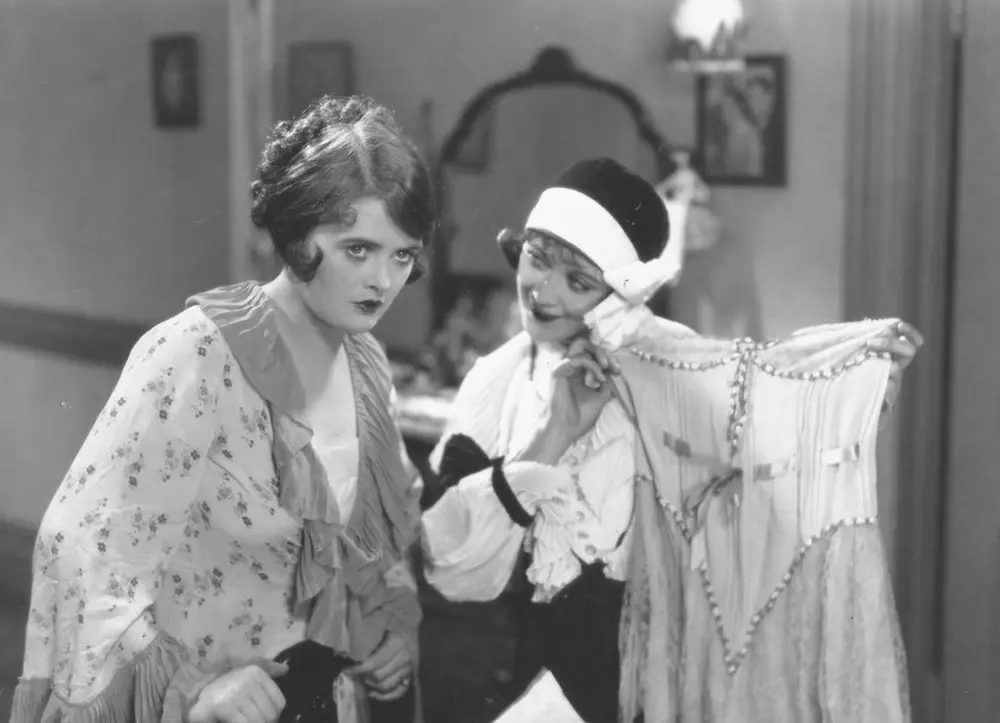
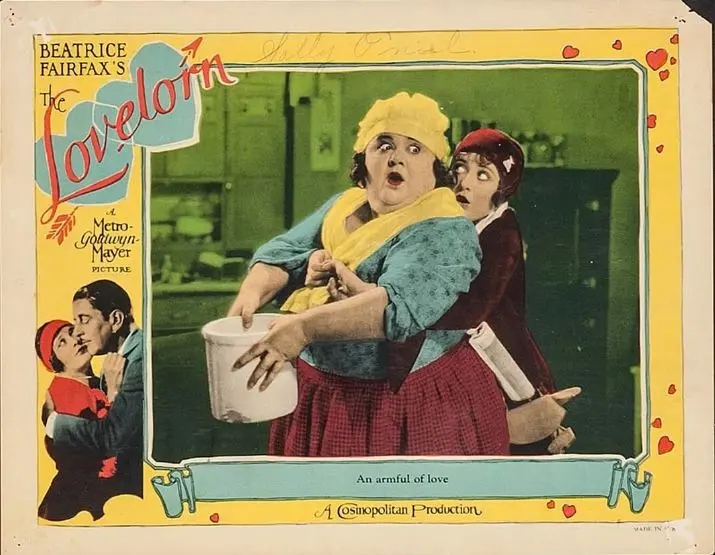
Scene from The Lovelorn
Cinematic perspective: Exploring the visual vocabulary of The Lovelorn (1927) through its definitive frames.
The true conflict resolution, however, arrives not from external counsel but from the inherent rottenness of Bill Warren’s character. His unmasking as a fortune-hunter, solely interested in the Hastings family's wealth, is the pivotal turning point. This revelation, while somewhat telegraphed, serves a dual purpose: it extricates Georgie from her moral dilemma and provides a satisfying, albeit conventional, comeuppance for the villain.
The plot, in its efficiency, sacrifices deeper exploration of the sisters' relationship or Georgie's internal battle once Bill's true nature is known. It quickly moves from a romantic entanglement to a morality tale. This brevity is typical of silent-era storytelling, where narrative momentum often prioritized clarity over psychological depth. While effective in its time, a modern audience might yearn for more nuanced character work, particularly concerning the aftermath of such a betrayal on the family dynamic. The film, much like The Common Law of the same period, adheres to a clear good-vs-evil dichotomy, offering little room for moral ambiguity.
Performances: The Language of Silence
In silent cinema, acting is a physical art form, where emotions are conveyed through exaggerated gestures, facial expressions, and body language. Dorothy Cumming, as Georgie Hastings, embodies the 'lovelorn' aspect with commendable conviction. Her wide, sorrowful eyes and often downcast gaze effectively communicate her internal struggle. There are moments, particularly when she observes Bill and Ann together, where her subtle shifts in expression speak volumes, conveying heartbreak and longing without a single intertitle needed. One specific scene, where Georgie secretly watches Bill and Ann dance, her face a mask of longing and despair, is a testament to Cumming’s ability to project inner turmoil.
Larry Kent, playing the antagonist Bill Warren, delivers a performance that perfectly walks the line between charming suitor and calculating opportunist. His initial interactions with Ann are smooth, almost too perfect, hinting at the insincerity beneath the surface. When his true colours are revealed, Kent sheds the veneer with a sudden, almost jarring, shift in demeanor, showcasing the blatant avarice that drives his character. It’s a broad performance, certainly, but one that is perfectly suited to the demands of silent melodrama, leaving no doubt as to his villainy. Compared to the more subtle villainy seen in films like The Ace of Cads, Kent's portrayal is less about sophistication and more about direct, unambiguous deceit.
The supporting cast, including Molly O'Day as Ann, fulfill their roles adequately, serving to highlight Georgie's predicament and Bill's duplicity. Ann's innocence and trusting nature make her a compelling foil for Bill's machinations and Georgie's conflicted heart. While the performances might appear melodramatic by today's standards, they are authentic to the period, communicating character and emotion with a directness that was essential for audiences accustomed to stage plays.
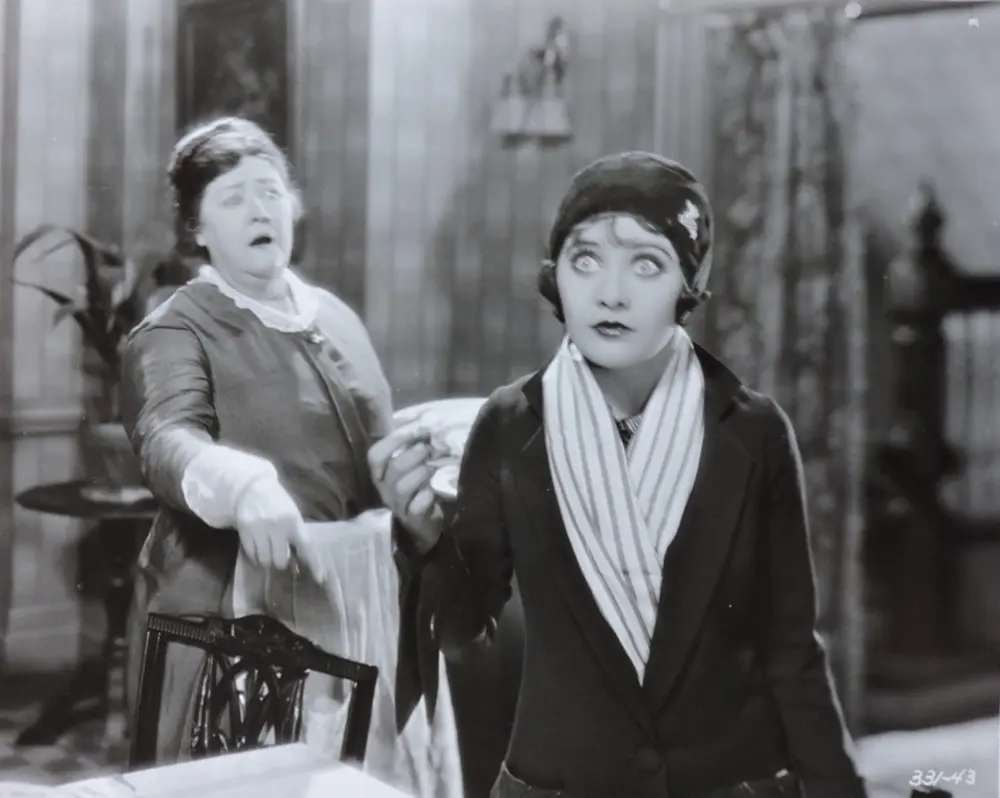
Scene from The Lovelorn
Cinematic perspective: Exploring the visual vocabulary of The Lovelorn (1927) through its definitive frames.
Direction and Cinematography: A Glimpse into 1920s Filmmaking
The direction in The Lovelorn, while not groundbreaking, is competent and serves the story effectively. The film utilizes conventional framing and editing techniques of the era, focusing on clear sightlines and character reactions. There’s a noticeable emphasis on close-ups to capture the actors’ expressive faces, crucial for a silent picture. For instance, director Allan Forrest frequently employs a medium close-up on Georgie's face during moments of emotional stress, drawing the audience into her silent anguish. This technique, while common, is used with precision here.
Cinematography, unfortunately, is where the film shows its age most prominently, often appearing functional rather than artistic. The lighting is generally flat, relying on broad illumination rather than dramatic chiaroscuro, which might have added depth to the emotional landscape. Sets are adequately dressed, depicting the opulence of the Hastings household, but without any particular flair that would make them memorable. The visual storytelling is straightforward; it doesn't aim for the innovative camera movements or symbolic imagery found in some of the more celebrated silent films like F.W. Murnau's work. Instead, it adheres to a more theatrical, stage-like presentation, which was still a dominant influence on early cinema.
However, it’s important to view these aspects through the lens of historical context. Filmmaking technology and artistic conventions were still in their nascent stages. The primary goal was clear storytelling, and in that regard, The Lovelorn succeeds. It doesn't distract with visual pyrotechnics but instead allows the performances and the narrative to carry the weight. One could compare its visual simplicity to other studio productions of the time, such as Married Alive, which prioritized narrative clarity over experimental aesthetics.
Pacing and Tone: Melodrama's Embrace
The pacing of The Lovelorn is deliberate, characteristic of silent films, allowing scenes to unfold at a measured rhythm. This can feel slow to a modern audience accustomed to rapid cuts, but it permits a deeper engagement with the visual information and the actors' expressions. The build-up to Bill's exposure, for instance, is not rushed. It allows for Georgie's suffering to be fully established and for Bill's charm to appear convincing, at least initially, before the inevitable reveal.
The tone is unashamedly melodramatic. Every emotion is heightened, every gesture amplified. This isn’t a flaw; it’s an inherent quality of the genre and the period. The film revels in the anguish of forbidden love and the righteous indignation of discovering deceit. There are no subtle shades of grey here; characters are largely good or bad, and their motivations are clear. The use of intertitles frequently reinforces this tone, often stating emotions or plot points with a directness that removes any ambiguity.
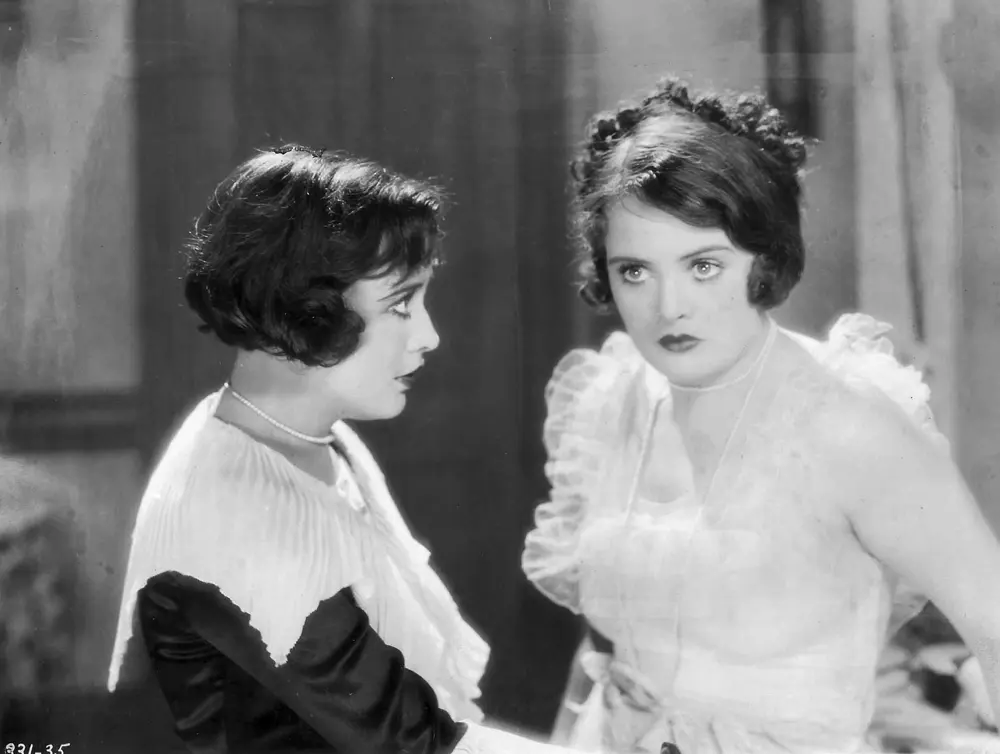
Scene from The Lovelorn
Cinematic perspective: Exploring the visual vocabulary of The Lovelorn (1927) through its definitive frames.
While some might find this theatricality tiresome, it’s also part of the film’s charm. It’s a direct descendant of stage plays, where grand emotions were necessary to reach the back row. This straightforward approach allows the film to deliver its moral message without equivocation. The shift in tone from romantic tension to righteous indignation after Bill’s true motives are revealed is sharp and effective, leaving no room for sympathy towards the villain.
Thematic Resonance: Love, Deceit, and Society
At its heart, The Lovelorn explores themes that remain evergreen: the pain of unrequited or forbidden love, the insidious nature of deceit, and the societal pressures surrounding wealth and marriage. Georgie’s internal conflict resonates because it touches upon universal human experiences of desire and moral duty. Her struggle is amplified by the social conventions of the 1920s, where familial harmony and reputation held immense weight.
The most potent theme, however, is the critique of fortune-hunting. Bill Warren represents a timeless archetype: the individual who preys on innocence and wealth for personal gain. The film doesn't delve into the socio-economic reasons that might drive such behavior, but rather presents it as a clear moral failing. This makes the film a simple, yet effective, cautionary tale, particularly for young women of means.
Interestingly, the role of Beatrice Fairfax, while a narrative device, also speaks to the burgeoning culture of self-help and public advice in the early 20th century. It highlights a society grappling with changing norms and individuals seeking guidance outside traditional familial or religious structures. This unconventional observation suggests that the film, despite its melodramatic surface, subtly touches upon the evolving social fabric of its time. It’s a film that, like Social Hypocrites, uses personal drama to comment on broader societal issues, albeit with less overt cynicism.
The Lovelorn in Context: A Critic's Perspective
Placing The Lovelorn within the broader landscape of 1920s cinema reveals it to be a competent, if not groundbreaking, example of studio filmmaking. It doesn't possess the artistic ambition of European expressionism or the grand spectacle of D.W. Griffith's epics. Instead, it serves as a solid representation of the popular entertainment of its day: accessible, emotionally direct, and morally unambiguous.
Scene from The Lovelorn
Cinematic perspective: Exploring the visual vocabulary of The Lovelorn (1927) through its definitive frames.
The film's most glaring flaw isn't its simplicity, but its missed opportunity to explore the nuances of sisterly betrayal. The resolution, while clean, feels a little too convenient, robbing the narrative of a potentially richer emotional aftermath. What does Ann feel about Bill's deceit? How does Georgie reconcile her past feelings with his true nature? These questions are largely left unanswered, sacrificed for the neat conclusion.
However, for those interested in the evolution of storytelling, the film offers valuable lessons. It demonstrates how efficiently silent films could convey complex emotional states and narrative twists through purely visual means, supported by succinct intertitles. It works. But it’s flawed. Its historical significance, therefore, lies less in its artistic innovation and more in its reflection of popular narrative tastes and the technical capabilities of its time. It’s a film that, like many others of the era such as The Texan, was designed to entertain a mass audience with clear moral lessons.
Pros and Cons
Pros:
Clear, Engaging Narrative: The story is straightforward and easy to follow, making it accessible even for silent film novices.
Strong Central Performance: Dorothy Cumming effectively conveys Georgie's emotional turmoil through expressive acting.
Social Commentary: Offers a direct, albeit simple, critique of fortune-hunting and societal expectations.
Historical Insight: Provides a valuable glimpse into 1920s filmmaking techniques, acting styles, and social concerns.
Efficient Storytelling: Despite its age, the film moves at a deliberate pace that allows for full comprehension of its visual narrative.
Cons:
Predictable Plot: The villain's true nature is easily discernible early on, diminishing suspense.
Lack of Nuance: Character motivations and relationships are painted with broad strokes, lacking modern psychological depth.
Dated Visuals: Cinematography and set design are functional but lack artistic distinction or innovation.
Melodramatic Tone: The heightened emotionality may not appeal to viewers accustomed to more understated performances.
Unexplored Subplots: Key emotional consequences, particularly for Ann and Georgie's sisterly bond, are glossed over.
Key Takeaways
Best for: Silent film enthusiasts, students of film history, and those interested in early social dramas.
Not for: Viewers seeking fast-paced action, complex character studies, or a departure from classic melodramatic tropes.
Standout element: Dorothy Cumming's earnest and expressive portrayal of Georgie's internal conflict.
Biggest flaw: The overly simplistic resolution of the central conflict, which sidesteps deeper emotional exploration.
Verdict
Ultimately, The Lovelorn is a film that delivers precisely what it promises: a tale of romantic entanglement, moral dilemma, and ultimate comeuppance, all wrapped in the distinct package of silent-era melodrama. It is not a lost masterpiece, nor does it aim to be. Instead, it stands as a solid, if conventional, example of popular cinema from the mid-1920s.
Its value today lies primarily in its historical significance and its ability to transport viewers back to a time when storytelling on screen was still evolving. While its plot is predictable and its characters lack modern psychological depth, the earnest performances and clear thematic message make it an engaging watch for those willing to meet it on its own terms.
If you’re a connoisseur of silent cinema, or simply curious about the roots of narrative filmmaking, The Lovelorn offers a worthwhile, if not revolutionary, experience. It's a film that reminds us that even the simplest stories can carry enduring truths about human nature, even when delivered without a single spoken word.