DbcultAccessing Vault...
Cult Review
Senior Film Conservator
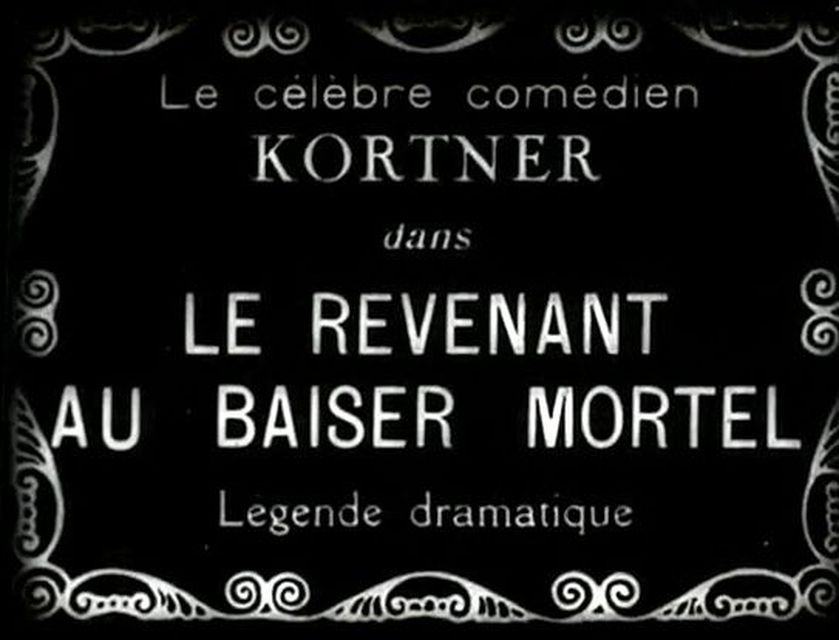
The film Le revenant au baiser mortel is a masterful blend of atmospheric tension and poignant drama, set against the backdrop of a rural village where the past and present intersect in unexpected ways. As the two couples at the center of the story become increasingly entangled in the web of the ghost's curse, the audience is drawn into a world of escalating unease and dread, where the boundaries between love, life, and death are constantly blurred.
One of the standout aspects of the film is its use of visual motifs to convey the emotional states of the characters and the supernatural forces that surround them. The dreamlike sequences, in particular, are noteworthy for their ability to evoke a sense of disorientation and confusion, mirroring the characters' growing desperation as they struggle to comprehend the malevolent entity that haunts them.
Fritz Kortner's performance is a highlight of the film, bringing a depth and nuance to his character that is both captivating and heartbreaking. His portrayal of a man torn between his love for his partner and his fear of the ghost's deadly kiss is nothing short of mesmerizing, and his on-screen chemistry with his co-star is palpable, making their romance all the more believable and tragic.
In comparison to other films of the era, such as Wildfire and Die Jagd nach dem Tode - 4. Teil: Die Goldmine von Sar-Khin, Le revenant au baiser mortel stands out for its thought-provoking exploration of the human condition, delving into themes of love, loss, and the supernatural with a level of sophistication and sensitivity that is rare in films of this genre.
The film's atmosphere of creeping unease is reminiscent of other classic horror films, such as Homunculus, 1. Teil and Birth Control, but Le revenant au baiser mortel distinguishes itself through its emotional intensity and its willingness to confront the darkest aspects of human nature.
The supporting cast, including the actors who play the roles of the villagers, add to the film's sense of realism, grounding the supernatural elements in a world that feels lived-in and authentic. Their performances are uniformly excellent, bringing a level of depth and complexity to the story that is essential to its overall impact.
In terms of its thematic resonance, Le revenant au baiser mortel can be seen as a companion piece to films like The Third Generation and Die Tänzerin Navarro, all of which explore the tensions between tradition and modernity in a world that is rapidly changing.
The film's technical achievements are also worthy of note, particularly in terms of its cinematography and production design. The use of light and shadow is especially effective in creating a sense of foreboding and unease, drawing the viewer into the world of the film and refusing to let go.
For fans of classic horror and supernatural dramas, Le revenant au baiser mortel is a must-see film that will leave a lasting impression. Its haunting story, memorable characters, and atmosphere of creeping dread make it a masterpiece of the genre, one that will continue to captivate audiences for generations to come.
In addition to its technical merits and thematic resonance, Le revenant au baiser mortel is also notable for its cultural significance, offering a unique window into the social and historical context of the time in which it was made. As such, it is a valuable resource for scholars and film enthusiasts alike, providing a fascinating glimpse into the evolution of the horror genre and its continued relevance in contemporary popular culture.
Other films that may be of interest to fans of Le revenant au baiser mortel include Pogrom, Men, A Blue Ribbon Mutt, The Key to Power, Our Mrs. McChesney, The Highway of Hope, Your Girl and Mine: A Woman Suffrage Play, Richard the Brazen, and If the Huns Came to Melbourne. Each of these films offers a unique perspective on the human experience, and collectively they provide a fascinating insight into the social, cultural, and historical context of the early 20th century.
IMDb 7.2
1930
Community
Log in to comment.