DbcultAccessing Vault...
Cult Review
Senior Film Conservator
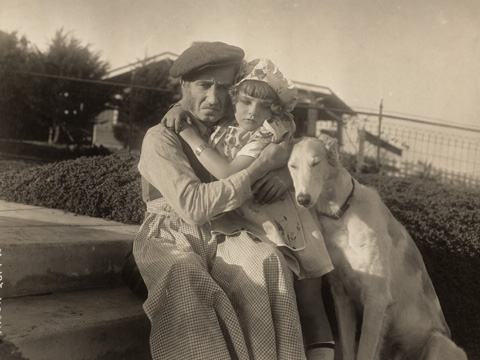
In the annals of early cinema, few films manage to capture the zeitgeist of their era with such potent narrative flair as The Magic Eye. Released in 1918, amidst the shadow of the Great War, this silent picture stands as a fascinating artifact, weaving together the anxieties of global conflict with the timeless human dramas of love, betrayal, and the uncanny. It's a testament to the ingenuity of silent storytelling, where heightened emotions, stark visual contrasts, and the sheer power of suggestion carried the weight of complex narratives. Far from a mere historical curiosity, the film offers a compelling glimpse into popular entertainment of the period, demonstrating a sophisticated grasp of suspense and character motivation, even within the nascent constraints of the medium.
At its core, The Magic Eye is a story that dares to flirt with the supernatural, grounding its fantastical elements in the very real terror of World War I. This unique juxtaposition elevates it beyond a simple melodrama, imbuing it with a sense of cosmic intervention. The narrative pivots on the extraordinary gift of a child, a trope that, when handled with sensitivity, can unlock profound emotional resonance. Here, young Shirley's clairvoyant abilities are not merely a narrative device but a central force that drives the plot, offering both a premonition of disaster and the ultimate means of salvation. It’s a bold artistic choice for its time, demonstrating a willingness to explore themes beyond the purely terrestrial, reflecting perhaps a societal fascination with spiritualism and the unknown in an age of unprecedented global upheaval.
The film’s writers, Frank Howard Clark and Norris Shannon, craft a scenario that feels both intimate and epic. The personal stakes of the Bowman family are magnified by the backdrop of a world at war, where individual lives are constantly threatened by unseen forces. This fusion of the domestic and the global creates a rich tapestry of tension, drawing the audience into a deeply personal struggle against a vast, indifferent conflict. The film manages to imbue the ordinary act of a father's departure with an almost unbearable sense of foreboding, a testament to the writers' ability to tap into universal fears while simultaneously introducing an element of the extraordinary.
The narrative commences with Captain John Bowman, portrayed with stoic gravitas by Henry A. Barrows, preparing for a long and perilous voyage aboard his tramp steamer. The year is 1918, and the seas are treacherous, infested with the unseen menace of U-boats. His decision to leave his beloved wife, played by Claire Du Brey, and their daughter, Shirley (Zoe Rae), ashore is born of a profound love and a desperate desire to shield them from harm. This initial act of protective paternalism sets the stage for the ensuing drama, highlighting the sacrifices demanded by wartime and the agonizing choices individuals were forced to make. It’s a poignant opening, immediately establishing the emotional stakes and the palpable sense of dread that permeated daily life during the conflict.
Before his departure, John's pragmatic foresight leads him to entrust his life insurance policy to Sam Bullard, the shipping agent, a man whose seemingly innocuous demeanor belies a dark past and even darker intentions. Charles Hill Mailes embodies Bullard with a chilling blend of superficial charm and underlying malice. The audience is quickly made privy to Bullard's prior, unwelcome courtship of Mrs. Bowman, a detail that immediately casts him as a potential antagonist, a wolf in sheep's clothing lurking in the periphery of the family’s peace. This narrative choice cleverly foreshadows the villainy to come, building a subtle but potent undercurrent of unease even before the primary conflict fully erupts.
It is at this juncture that Shirley's extraordinary gift comes to the fore. In a sequence undoubtedly rendered with dramatic lighting and expressive intertitles, the young clairvoyant experiences a vivid, terrifying vision: her father's ship, a victim of the war, torpedoed and sinking into the unforgiving depths. Zoe Rae, even as a child actor, would have had to convey the profound trauma and conviction of such a premonition through purely visual means, a testament to the power of silent film acting. This vision is not merely a fleeting image but a deeply felt experience, one that cements her conviction in the face of adult skepticism and ultimately propels the plot forward.
The very next day, Bullard, with a disturbing alacrity, reports the news that John Bowman’s ship has indeed been sunk, and the captain presumed lost. This moment is a masterclass in silent film villainy – the swift, almost eager delivery of devastating news by a character with a vested interest in the tragedy. Bullard’s actions immediately transform him from a background figure into the central antagonist, his predatory nature now fully unleashed. The film effectively uses the wartime context to facilitate his scheme, leveraging the widespread fear and uncertainty to cloak his nefarious intentions. The perceived death of John Bowman opens the door for Bullard to pursue his twin objectives: the acquisition of Mrs. Bowman and the substantial life insurance payout. This calculated manipulation of tragedy is a common motif in melodramas of the era, where villains often exploit societal vulnerabilities, much like the opportunism seen in films such as The Midnight Wedding, where personal gain often trumps all morality.
Sam Bullard’s subsequent actions are a chilling demonstration of his callous opportunism. With John Bowman presumed dead, Bullard wastes no time in employing what the plot description succinctly calls “indelicate tactics” to secure both Mrs. Bowman and the insurance money. This phrase, in the context of early 20th-century cinema, suggests a range of coercive behaviors, from aggressive courtship to outright manipulation and intimidation. The film subtly (or perhaps, given the theatricality of silent film, not so subtly) portrays Mrs. Bowman’s profound vulnerability, a common predicament for women in an era where societal structures often left them financially and socially dependent on male relatives. Her grief, compounded by her precarious situation, makes her an easy target for Bullard's machinations.
Bullard’s pursuit isn't merely about financial gain; it’s deeply personal and rooted in his prior, rejected advances towards Mrs. Bowman. This adds a layer of vindictive desire to his villainy, making him a more complex, albeit utterly despicable, character. He doesn't just want the money; he wants control, possession, and a twisted form of revenge for past slights. This kind of predatory villain, preying on the weak and exploiting tragic circumstances, was a staple of silent era melodramas, designed to elicit strong emotional responses from the audience. His actions highlight the precarious position of women during wartime, often left alone to navigate a world suddenly devoid of their protectors and providers. The film thus taps into a very real societal fear, transforming it into dramatic tension.
However, Bullard underestimates the unwavering resolve of young Shirley. Unlike the adults around her, who are swayed by conventional wisdom and the grim news, Shirley holds fast to the entirety of her vision. She saw not only the torpedoing but also her father’s subsequent rescue. This crucial distinction marks her as the true hero of the piece, possessing a clarity of vision that transcends the limitations of adult perception and the deceit of the villain. Her absolute certainty in the face of despair is a powerful narrative device, representing hope and truth against overwhelming odds and cynical manipulation.
Shirley’s belief in her father’s survival is not a childish fantasy but a profound conviction rooted in her clairvoyant experience. This unwavering faith becomes the catalyst for action, transforming her from a passive recipient of visions into an active agent of salvation. In a truly pivotal sequence, Shirley, despite her tender years, manages to send a wireless message. This act, in an era where radio communication was still a relatively nascent and wondrous technology, would have resonated deeply with audiences. It represents not only a triumph of her will but also the almost magical potential of modern communication to bridge vast distances and avert disaster.
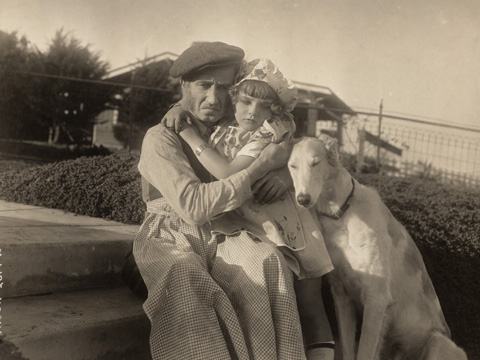
The wireless message is more than just a plot device; it symbolizes the triumph of intuition and an unseen truth over the cynical machinations of the villain. It’s a desperate plea, sent out into the vast emptiness, yet it connects, leading directly to John Bowman’s rescue. This moment would have been a high point of suspense and emotional release in the cinema of the time, building anticipation for the inevitable confrontation. The film effectively uses the limitations of silent storytelling to its advantage here, allowing the audience to imagine the frantic efforts and the sheer improbability of such a rescue, amplifying the sense of a miracle unfolding. The resourcefulness of a child in overcoming adult obstacles and bureaucracy to achieve a critical goal is a timeless narrative, and here, Shirley's precognitive abilities add a unique, almost divine, dimension to this trope. While other films might feature children in less dramatic, though still impactful, roles, such as the everyday adventures in Bab's Diary, Shirley's contribution here is of life-and-death significance.
The dramatic return of John Bowman is the narrative's triumphant climax, a moment of profound emotional catharsis for both the characters and the audience. Imagine the scene: Mrs. Bowman, trapped in a hotel room by Bullard’s oppressive control, her spirit almost broken, when suddenly, her husband, believed lost to the war, reappears. This reunion is not merely joyful but also fraught with the immediate need for retribution. John’s first act is to free his wife from her confinement, a powerful visual statement of liberation and the restoration of order. The relief conveyed through the actors' expressions, without the aid of dialogue, would have been palpable, underscoring the severity of Bullard’s tyranny.
The confrontation between John and Sam Bullard is the ultimate showdown between good and evil. Bullard, having overplayed his hand and underestimated the forces arrayed against him, faces the wrath of a wronged husband and father. The description that John “puts the villain out of commission” suggests a satisfying, if somewhat ambiguous, resolution. In silent film, this could range from a definitive beating to Bullard being handed over to authorities, or even a more permanent, off-screen fate. Regardless of the specific method, the outcome is clear: the forces of light triumph, and the insidious darkness represented by Bullard is vanquished. This clear-cut moral victory was a hallmark of the era's entertainment, providing audiences with a reassuring sense of justice in a world often perceived as chaotic and unfair. The restoration of the family unit, and the defeat of the external threat, provides a neat and satisfying conclusion, a narrative convention that resonated deeply with the public during a time of immense uncertainty.
The Magic Eye is more than just a thrilling adventure; it's a rich tapestry of thematic explorations that speak volumes about the era in which it was produced. The pervasive anxiety of World War I forms an inescapable backdrop, not just as a setting but as a driving force for the plot. The fear of torpedoes, the uncertainty of loved ones' fates, and the constant threat of loss were very real concerns for audiences in 1918. The film cleverly harnesses these anxieties, translating collective dread into a personal drama that resonates deeply. It underscores the fragility of life and the immense psychological toll of war on those left behind, waiting for news that might never come, or worse, news of tragedy. This deep integration of the contemporary socio-political climate elevates the film beyond mere escapism, offering a mirror to the collective consciousness of its audience.
The film's most distinctive element, however, is its bold exploration of the supernatural through Shirley’s clairvoyance. In an era before special effects could convincingly render the fantastic, the film relies on suggestive visuals, intense performances, and the audience’s willingness to believe. Shirley's visions are treated not as mere fantasy but as a legitimate, albeit extraordinary, form of perception. This foray into psychic abilities positions The Magic Eye as an early precursor to a long lineage of films dealing with precognition and the occult. It suggests a societal fascination with the unseen, perhaps a search for meaning or control in a world that felt increasingly chaotic and beyond human understanding. The film asks profound questions about fate versus free will, and whether certain individuals possess a unique connection to a larger, invisible truth. This thematic depth sets it apart from many straightforward adventure or romance narratives of the period, hinting at a nascent interest in psychological and mystical themes in cinema.
As a melodrama, The Magic Eye adheres to many of the genre's conventions: clear-cut heroes and villains, heightened emotional stakes, and a dramatic narrative arc leading to a satisfying moral resolution. Yet, it transcends simple formula through its innovative use of clairvoyance and its compelling wartime setting. The film’s moral compass is unwavering; virtue is ultimately rewarded, and villainy is decisively punished. This stark delineation of good and evil was not just a narrative convenience but a significant aspect of popular entertainment, providing a sense of moral order and justice that audiences often craved, particularly during times of turmoil. The film's ability to balance these melodramatic tendencies with a genuine sense of suspense and a touch of the fantastical is a testament to its enduring appeal. The struggles against overwhelming odds and the clear moral choices echo the dramatic tension found in other contemporary films like The Iron Test and Once to Every Man, where personal fortitude is tested against external pressures.
The success of The Magic Eye, like all silent films, rested heavily on the shoulders of its cast and the visual acuity of its direction. Without spoken dialogue, actors had to convey a vast spectrum of emotions through exaggerated facial expressions, precise body language, and carefully choreographed movements. Henry A. Barrows, as John Bowman, would have had to project both the quiet strength of a seasoned captain and the profound love of a family man, his internal struggle evident in subtle gestures and powerful gazes. Claire Du Brey, as Mrs. Bowman, would have portrayed deep sorrow, vulnerability, and eventual hope, her performance charting an emotional journey from despair to relief. These performances were the heart of the film, communicating the gravity of the situation and the characters' inner lives without a single spoken word.
Perhaps the most challenging and crucial role was that of young Zoe Rae as Shirley. Conveying the intensity of clairvoyant visions, the unwavering conviction in her father's survival, and the determination to act upon her premonitions would have required a performance of remarkable maturity and subtlety for a child actor. Her ability to hold the audience's belief in her extraordinary gift was paramount to the film’s narrative credibility. Charles Hill Mailes, as the villainous Sam Bullard, would have employed a theatricality common to silent film antagonists, using sneering expressions, grasping gestures, and a menacing posture to establish his predatory nature. The stark contrast between his outwardly respectable appearance and his inner depravity would have been visually striking, a testament to the power of non-verbal communication in creating compelling characters.
Beyond the performances, the direction and cinematography of The Magic Eye would have played a critical role in building suspense and conveying the supernatural elements. The use of lighting to create atmosphere, perhaps dim, shadowy scenes for Shirley's visions, or stark, high-contrast lighting for moments of confrontation, would have been essential. Close-ups would have been employed to emphasize crucial emotional beats – a tear falling, a look of fear, a determined gaze – drawing the audience into the characters' internal worlds. The pacing, too, would have been meticulously crafted, alternating between moments of quiet domesticity, frantic action, and tense anticipation, all orchestrated to maximize dramatic impact. The visual storytelling would have been paramount, relying on symbolic imagery, clever editing, and evocative mise-en-scène to communicate complex ideas and emotional states. The film's success in conveying a supernatural plot within the constraints of silent cinema speaks volumes about the creative ingenuity employed by its filmmakers.
In retrospect, The Magic Eye emerges as a compelling example of early American silent cinema, offering a window into the narrative sophistication and thematic concerns of its time. Its unique blend of wartime drama, domestic melodrama, and supernatural intrigue distinguishes it from many of its contemporaries. While films like The Reclamation or Big Timber might have focused on more grounded, adventure-driven narratives, The Magic Eye dared to explore the unseen, the preternatural, anchoring it within a relatable human struggle. It showcases how filmmakers of the era were already experimenting with genre fusion, pushing the boundaries of what was possible to convey without spoken dialogue. The film's narrative structure, with its escalating stakes, moments of despair, and ultimate triumph, remains effective even by modern standards, a testament to the timeless appeal of well-crafted storytelling.
The enduring appeal of a film like The Magic Eye lies not just in its historical significance but in its inherent dramatic power. It reminds us of the universal human desire for justice, the enduring strength of family bonds, and the mysterious forces that sometimes seem to guide our destinies. The story of a child’s extraordinary gift saving her father from the brink of death, and exposing a villain’s perfidy, resonates across generations. It’s a narrative that speaks to hope in the face of despair, and the belief that even in the darkest times, an unseen truth can prevail. For aficionados of classic cinema, or those curious about the roots of suspense and supernatural thrillers, The Magic Eye offers a fascinating and rewarding viewing experience. It stands as a vibrant testament to the creative spirit of early Hollywood, a silent film that speaks volumes about its time and the timeless power of human drama.
IMDb —
1924
Community
Log in to comment.