DbcultAccessing Vault...
Cult Review
Senior Film Conservator
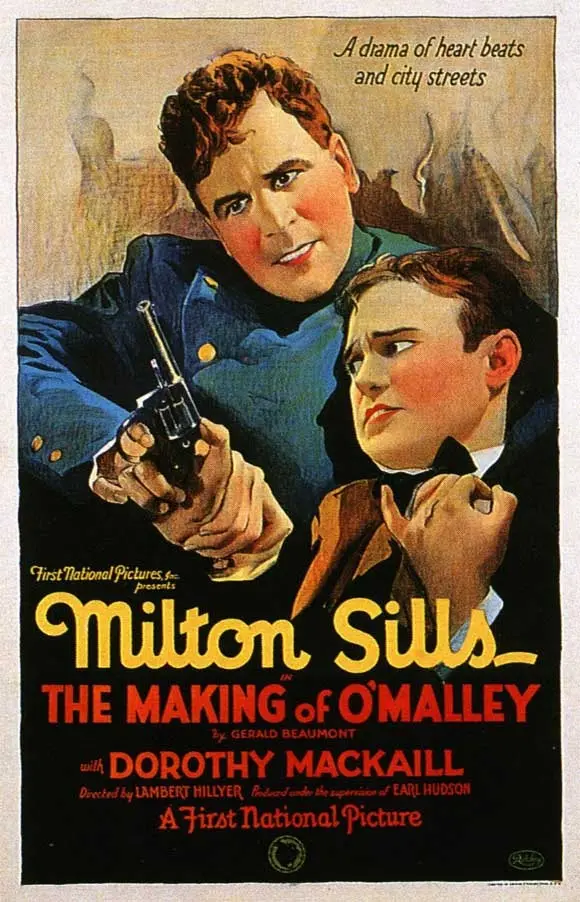
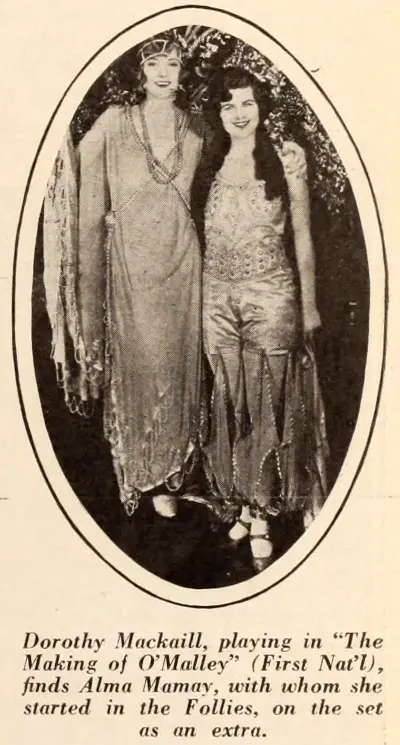
Step back into the roaring twenties, a decade of seismic social shifts and cinematic innovation, to rediscover a gem that encapsulates the era's dramatic flair and moral complexities: The Making of O'Malley. This 1925 silent film, a compelling vehicle for the formidable Milton Sills, transcends its period setting to deliver a timeless narrative about duty, compassion, and the profound power of self-sacrifice. It's a testament to the enduring appeal of character-driven drama, where the internal struggles of a man grappling with his principles are as captivating as any external conflict. Far from a mere historical curiosity, this picture offers a rich tapestry of human experience, inviting us to ponder the true meaning of heroism.
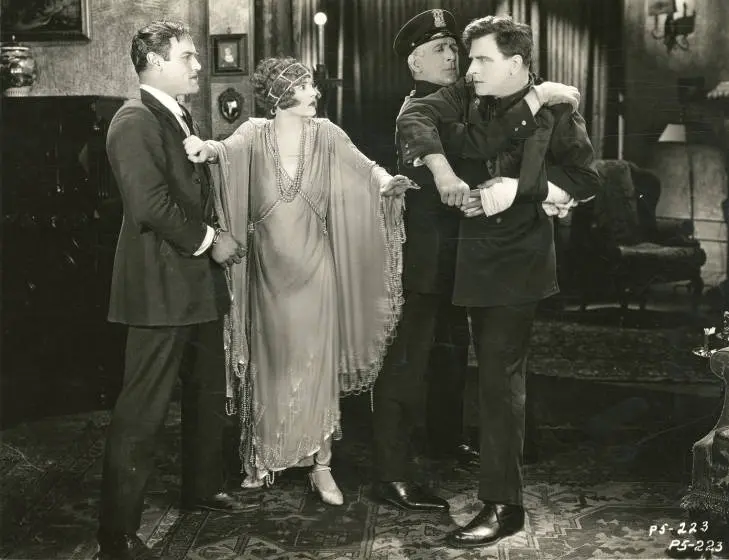
At the core of this cinematic journey is Jim O'Malley, portrayed with compelling gravitas by Sills. Initially, O'Malley is the quintessential stickler, a patrolman whose unwavering adherence to the letter of the law defines his very being. His early scenes establish him as a man of unyielding rectitude, perhaps even a touch austere in his dedication to protocol. Yet, the narrative masterfully places him in an environment designed to challenge this rigidity: a traffic post adjacent to a bustling grade school. Here, amidst the innocent exuberance of children, O'Malley’s stern facade begins to subtly erode. It's a brilliant narrative device, allowing his inherent humanity to surface not through grand gestures, but through quiet, consistent interaction. This transformation is pivotal, and Sills navigates it with remarkable nuance, conveying a softening heart through subtle shifts in expression and body language, a true hallmark of silent film acting. One might draw parallels to the steadfast, yet ultimately human, figures in dramas like The Coming of the Law, where a protagonist's unwavering commitment to justice is tested by personal circumstances.
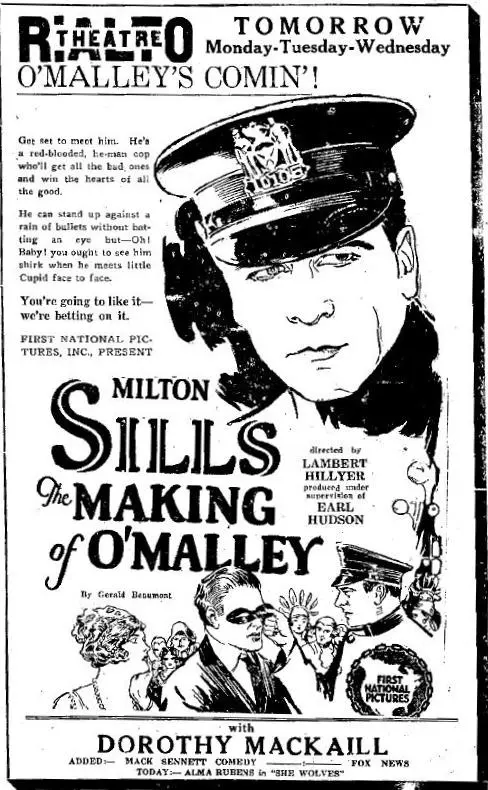
The catalyst for O'Malley's deepest awakening comes in the form of Margie, a little lame girl whose vulnerability stirs something profound within him. His decision to arrange for her surgical care, an act extending far beyond the typical purview of a traffic cop, marks a significant turning point. It illustrates a burgeoning capacity for empathy and proactive kindness that elevates him beyond a mere enforcer of rules. This act of compassion not only endears him to the children but also lays the groundwork for later, more complex moral dilemmas. It's a beautiful demonstration of how small acts of goodness can ripple outwards, creating unexpected alliances and influencing the course of fate. This humanistic touch prevents O'Malley from becoming a one-dimensional automaton of justice, instead painting him as a man wrestling with the complexities of the human condition.

The plot thickens with the introduction of a more traditional police procedural element: the hunt for a notorious gang of bootleggers. In this era of Prohibition, such criminal enterprises were rampant, adding a layer of contemporary relevance to the film. O'Malley, leveraging his keen observational skills and perhaps a newfound intuition born of his evolving character, uncovers their clandestine hideout. The subsequent raid is a moment of thrilling action, showcasing O'Malley's competence and bravery in the face of danger. However, the narrative cleverly leaves one crucial thread untied: the gang's elusive leader, Herbert Browne, manages to escape. This deliberate omission sets the stage for the film's most potent dramatic confrontations, ensuring that the audience remains invested in the unfolding mystery. The portrayal of the bootlegging underworld, though perhaps not as gritty as some contemporary crime dramas, effectively conveys the illicit undercurrents of the age, much like the shadowy dealings hinted at in films such as The Black Circle or the urban anxieties depicted in The Yellow Traffic.
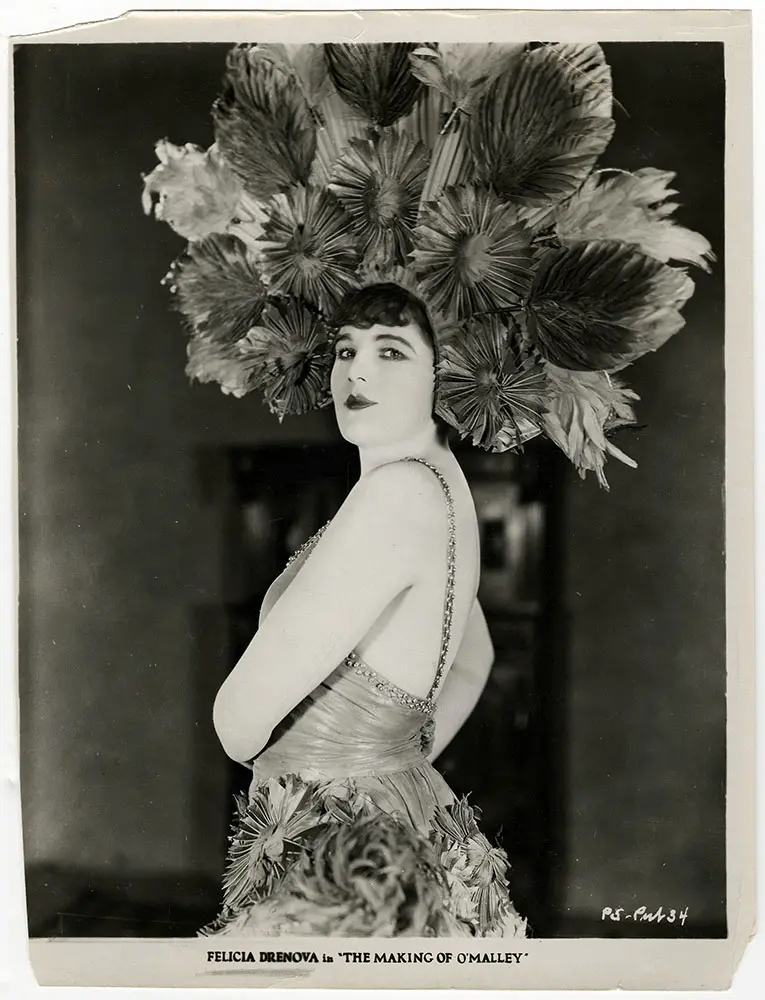
The personal and professional spheres of O'Malley's life collide with devastating force at a party hosted by Lucille Thayer, the beautiful teacher who has captured his affections. It is here, in a moment of social ease, that O'Malley's professional duty tragically intersects with his budding personal desires. He recognizes Browne, the unapprehended bootlegger kingpin, among the guests. The subsequent arrest is fraught with tension, a wrenching clash between law and heart. The revelation that Browne is Lucille's fiancé plunges O'Malley into an agonizing moral quandary. This isn't just about capturing a criminal; it's about potentially destroying the happiness of the woman he loves. This narrative twist is incredibly effective, transforming a straightforward crime drama into a profound exploration of personal sacrifice and ethical dilemma. It forces O'Malley, and by extension the audience, to confront the uncomfortable truth that justice, while vital, can sometimes come at an unbearable personal cost. The emotional weight of this scene is masterfully handled, relying on Sills' expressive performance to convey the internal turmoil.
In a breathtaking act of self-abnegation, O'Malley chooses love over duty, releasing Browne and, in doing so, accepting his own dismissal
IMDb —
1918
Community
Log in to comment.