DbcultAccessing Vault...
Cult Review
Senior Film Conservator
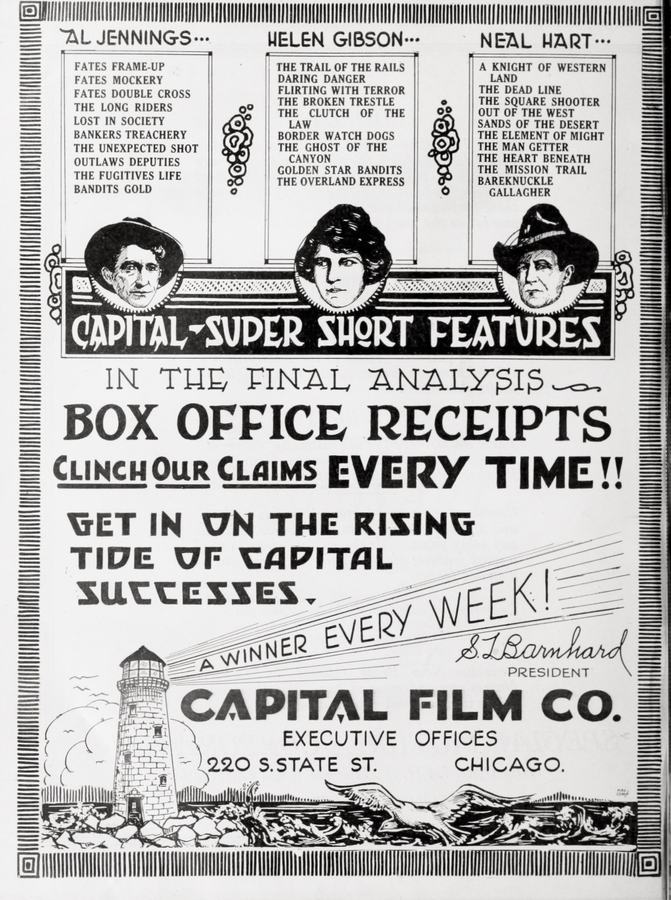
Stepping back into the nascent days of cinematic storytelling, one encounters a fascinating tapestry of human emotion, moral quandaries, and burgeoning narrative complexity, often distilled into powerful visual parables. The Man-Getter, a film from an era where gestures spoke volumes and intertitles carried the weight of internal monologue, emerges as a compelling exploration of agency, survival, and the often-fraught pursuit of authentic connection. It posits a world where a woman’s wit and charisma become her most potent weapons, not just for personal advancement, but for the very preservation of her ancestral legacy. This isn't merely a romantic drama; it's a shrewd commentary on the transactional nature of societal expectations and the enduring power of genuine character, all set against the sweeping, often unforgiving, backdrop of the American West.
The central figure, Lily, is a character crafted with a striking blend of vulnerability and audacious self-possession. Her moniker, 'The Man-Getter,' isn't just a catchy title; it's a testament to her undeniable magnetism and, more importantly, a reflection of the societal pressures she navigates. In a time when a woman’s security was often inextricably linked to her marital status, Lily's calculated approach to matrimony, driven by the dire threat of foreclosure on her family's ranch, resonates with a stark, almost brutal pragmatism. Her initial dalliances, her strategic deployment of charm, are not born of malice or caprice, but from a desperate need to safeguard her heritage, a narrative thread that elevates her beyond a mere coquette. This nuanced portrayal of a woman leveraging her social capital for survival offers a surprisingly modern resonance, hinting at the complex choices individuals, particularly women, have often had to make in systems not designed for their independent flourishing.
Into Lily's meticulously orchestrated quest for a suitable husband strides Neal Hart, embodying the archetype of the stoic, honorable cowboy, Dusty. Hart, a familiar face in Westerns of this period, brings his characteristic blend of rugged authenticity and understated heroism to the role. His performance here is a masterclass in silent film acting, conveying a profound depth of emotion through subtle glances, a firm jawline, and a posture that speaks volumes of his unwavering moral compass. Dusty is not one for grand declarations or ostentatious displays of wealth; his value lies in his integrity, his quiet competence, and an almost instinctual understanding of the land and its people. Hart’s portrayal stands in stark contrast to the film’s antagonist, Silas Blackwood, the slick city speculator whose charm is as superficial as his intentions are nefarious. Where Blackwood offers glittering promises and the illusion of security, Dusty offers the bedrock of honesty and unwavering support, a distinction that Lily, in her initial desperation, struggles to fully apprehend. Hart's presence anchors the film, providing a moral center around which the narrative's more tumultuous elements swirl. His character's journey from distrusted outsider to a figure of undeniable worth is meticulously rendered, making his eventual triumph feel earned and deeply satisfying.
The film’s visual language, while adhering to the conventions of early cinema, is remarkably effective in conveying these intricate character dynamics. Close-ups of Lily’s expressive face, capturing her internal conflicts and shifting loyalties, are juxtaposed with wide shots of the sprawling ranch, emphasizing the vastness of the stakes. The contrast between the dusty, sun-drenched exteriors, emblematic of Dusty's world, and the more refined, yet ultimately sterile, interiors associated with Blackwood, subtly reinforces the film's thematic undercurrents. The cinematography, though perhaps rudimentary by today's standards, masterfully uses light and shadow to delineate character and mood, transforming simple settings into arenas of psychological drama. This attention to visual detail, even in an era of nascent film grammar, speaks to the filmmakers' understanding of cinema's unique power to communicate beyond words.
At its heart, The Man-Getter is a story about discernment, about peeling back layers of artifice to find the truth beneath. Lily's 'man-getting' strategy, while seemingly manipulative, is ultimately a mechanism for her own education. She learns, through trial and error, that superficial attractiveness and perceived wealth are fleeting, whereas integrity and courage are foundational. This thematic exploration of true value versus false promises is a recurring motif in cinematic history, but here, it’s imbued with the raw energy of the frontier. The film doesn't shy away from depicting the harsh realities of economic vulnerability, making Lily’s choices feel genuinely high-stakes. Her journey is not one of a damsel in distress waiting for rescue, but of an active agent, albeit one initially misguided by circumstance, who ultimately takes control of her destiny by making an informed, heartfelt choice.
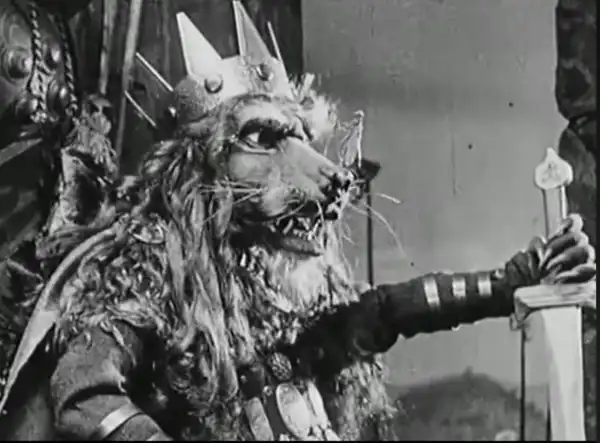
The contrast between Blackwood's calculated deceit and Dusty's unvarnished honesty is a classic narrative device, yet it’s executed with a refreshing clarity. Blackwood's villainy isn't cartoonish; it's rooted in a recognizable avarice and a cynical exploitation of vulnerability, making him a more compelling antagonist than many of his contemporaries. His gradual unraveling, as his schemes are exposed, provides a satisfying arc of poetic justice. Dusty, on the other hand, embodies a quiet heroism that resonates deeply. He doesn't seek to impress with grand gestures but demonstrates his loyalty and courage through actions that speak louder than any words. This portrayal aligns well with the values often celebrated in Westerns: self-reliance, honesty, and a profound connection to the land and its principles. One might draw a parallel to the moral clarity found in films like When Love Is King, where the true nature of leadership and affection is tested against the backdrop of power struggles, though The Man-Getter grounds its themes more firmly in personal survival rather than monarchical succession.
Beyond its engaging plot, The Man-Getter offers a fascinating window into the societal norms and gender roles of its period. Lily's predicament, needing to marry for financial security, was a common reality for many women. Her agency, therefore, in actively seeking out and evaluating potential partners, even if initially misguided, is a subtle subversion of the passive role often assigned to women in popular culture. The film doesn't judge her for her 'man-getting' tactics; rather, it allows her to evolve, to realize that true partnership is built on more than mere convenience or material gain. This evolution of character, from pragmatic strategist to emotionally mature decision-maker, is one of the film’s most enduring strengths. It's a journey that, in some ways, mirrors the more overt self-discovery narratives seen in later films, providing an early template for complex female protagonists.
The narrative also subtly critiques the encroachment of corrupt urban values on the idealized frontier. Blackwood represents the insidious nature of unchecked capitalism and moral decay, a stark contrast to the rugged, albeit sometimes brutal, honesty of the West. His attempts to swindle Lily out of her land are not just personal attacks but symbolic assaults on a way of life. This tension between tradition and modernity, between honest toil and speculative greed, is a rich vein explored in many Westerns, and The Man-Getter taps into it effectively. It suggests that while progress is inevitable, the values that underpin a just society must be vigilantly defended against those who would exploit them for personal gain. The film's resolution, with the triumph of genuine character over deceit, serves as a comforting, if somewhat idealistic, affirmation of these enduring values.
When considering The Man-Getter within the broader context of early cinema, its narrative structure and thematic concerns find interesting parallels. The motif of a woman choosing between two vastly different suitors, one ostensibly appealing but morally corrupt, and the other seemingly rough but ethically sound, is a timeless one. One might draw a loose comparison to the dramatic tension found in films like Flirting with Fate, where characters navigate romantic entanglements fraught with misdirection and destiny, though The Man-Getter grounds its romantic choices in more tangible, life-altering stakes. The film's exploration of hidden motives and the eventual revelation of truth also brings to mind elements of mystery present in films like The Secret of the Old Cabinet, where concealed information drives much of the dramatic action, though The Man-Getter focuses more on character deception than a literal hidden object.
Moreover, the film's depiction of a strong-willed female protagonist, even one initially operating from a place of calculated self-interest, stands out. While not as overtly rebellious as some later cinematic heroines, Lily's agency in navigating her circumstances and ultimately making a choice based on genuine affection rather than pure expediency marks her as a character of considerable internal strength. This provides a compelling counterpoint to more passive female roles sometimes seen in the era, such as those in melodramas like No Mother to Guide Him, where characters are often victims of circumstance rather than active shapers of their destinies. The film, in its own quiet way, contributes to the evolving portrayal of women in cinema, moving beyond mere ornamentation to characters with complex motivations and significant narrative arcs.
The casting of Neal Hart further solidifies its place within the Western genre, a genre that was rapidly defining itself in early American cinema. Hart, with his authentic cowboy persona, lent credibility and a sense of rugged realism to his roles. His performance in The Man-Getter is emblematic of his appeal – a man of few words but profound action, a hero who earns trust through deed rather than boast. This type of hero was crucial for audiences seeking escapism and moral clarity in the rapidly changing world of the early 20th century. The film successfully leverages these established tropes while infusing them with a compelling female-centric narrative, making it more than just another Western; it's a character study wrapped in a genre package.
Ultimately, The Man-Getter stands as a testament to the enduring power of silent cinema to tell intricate, emotionally resonant stories. It skillfully weaves together themes of romance, betrayal, and the search for authentic connection, all while presenting a vivid snapshot of frontier life and its inherent challenges. The performances, particularly from Lily and Neal Hart as Dusty, transcend the limitations of spoken dialogue, conveying a rich inner life through expressive physicality and nuanced facial expressions. The narrative, despite its period setting, offers universal insights into human nature: the allure of superficiality, the quiet strength of integrity, and the transformative power of choosing love based on true character rather than perceived advantage. It's a film that reminds us that even in the absence of sound, the human heart speaks a language understood across generations.
As a piece of cinematic history, it offers valuable insights into the evolution of storytelling, character development, and genre conventions. It demonstrates how early filmmakers, with limited technical resources, managed to craft narratives that were both entertaining and thought-provoking, capable of engaging audiences on multiple levels. The Man-Getter isn't just a relic of a bygone era; it's a vibrant, compelling drama that continues to speak to the timeless human experience of seeking love, securing one's future, and ultimately, finding one's true self amidst the complexities of life. Its blend of frontier grit and romantic intrigue ensures its place as a noteworthy entry in the annals of early American cinema, a film deserving of renewed appreciation for its narrative sophistication and enduring thematic resonance.
IMDb 7.4
1923
Community
Log in to comment.