DbcultAccessing Vault...
Cult Review
Senior Film Conservator
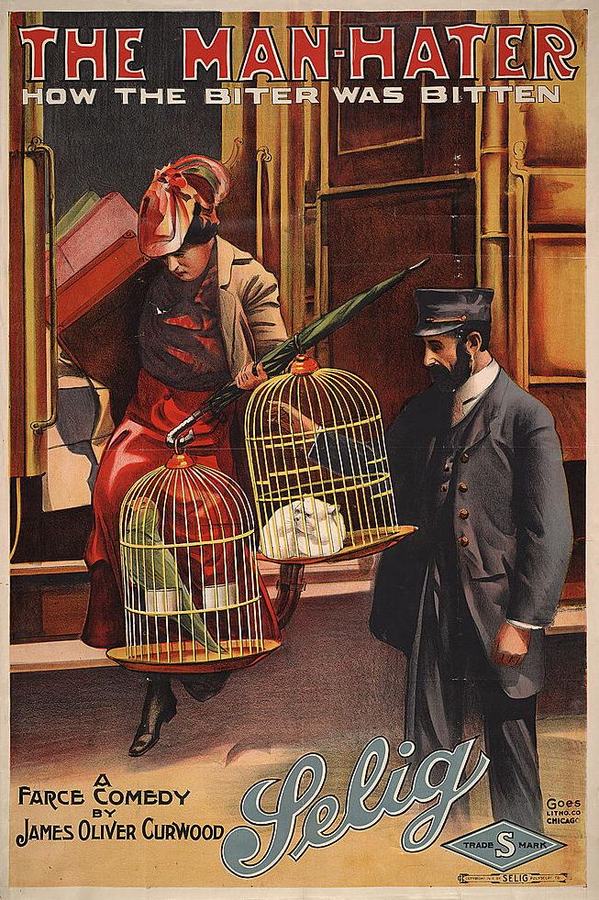
The cinematic landscape, particularly in its nascent years, often served as a fascinating canvas for exploring the intricate dynamics of human relationships, none perhaps more fraught with peril and promise than the institution of marriage. In this regard, the largely forgotten gem, The Man Hater, offers a remarkably nuanced, if sometimes heavy-handed, delve into the psychological ramifications of early life trauma and its profound impact on one's capacity for love. It is a narrative that, even a century later, retains a certain compelling resonance, inviting us to ponder the very foundations of affection and the lengths to which individuals will go to either protect themselves from it or, conversely, to elicit it from another.
At its core, the film presents us with Phemie Sanders, a character whose very essence is a testament to the adage that childhood wounds often dictate adult reactions. Her formative years are depicted as a relentless barrage of disappointment, specifically stemming from the pervasive alcoholism of her father. This isn't merely a backdrop; it is the very crucible in which Phemie's misandry is forged. Her father's perpetual state of inebriation, a constant symbol of unreliability and broken promises, imbues her with a deep-seated distrust and, indeed, an active hatred for men. This isn't a whimsical aversion; it's a deeply ingrained psychological defense mechanism, a bulwark erected against the perceived inevitable pain and betrayal that masculinity represents to her. The film subtly, yet powerfully, illustrates how such a sustained emotional environment can warp an individual's worldview, making genuine connection an almost impossible feat.
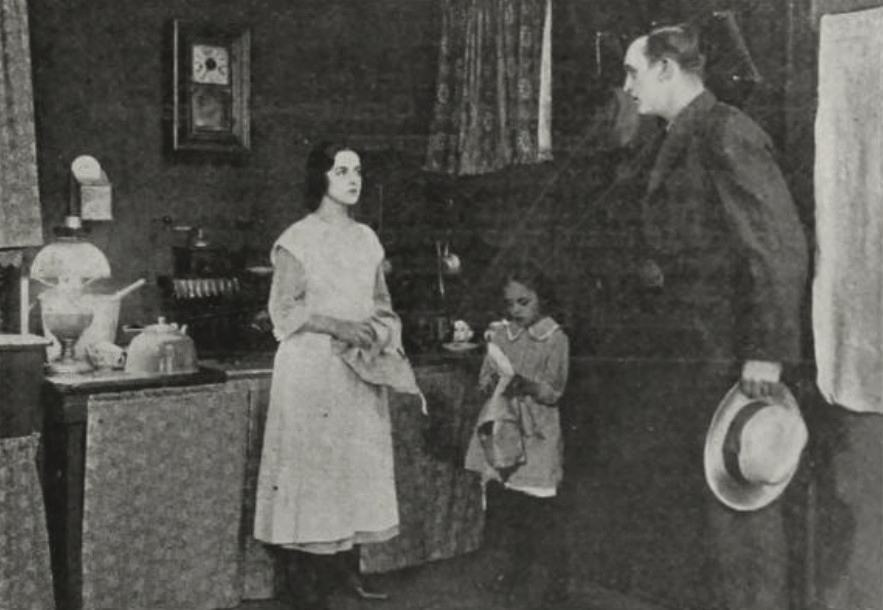
Enter Joe Stull, the village blacksmith, a figure of robust honesty and seemingly boundless patience. His affections for Phemie are genuine, unwavering even in the face of her patent disdain. He represents everything her father was not: stable, hardworking, and seemingly sober. Yet, Phemie's psychological armor is too thick to penetrate with mere good intentions. Her acceptance of his marriage proposal, catalyzed by the tragic death of her mother and the subsequent responsibility for her younger sister, is a chillingly pragmatic affair. It is not an embrace of love, but a contractual agreement, an exchange of her hand for security, explicitly devoid of any emotional commitment. "I will never love you," she declares, a pronouncement delivered with a cold conviction that would send lesser men fleeing. Joe, however, embodies a certain romantic idealism, believing that the mere passage of time, the proximity of shared lives, will inevitably melt her icy exterior. This initial setup is a masterclass in dramatic irony, as the audience is immediately aware of the vast chasm between their expectations.
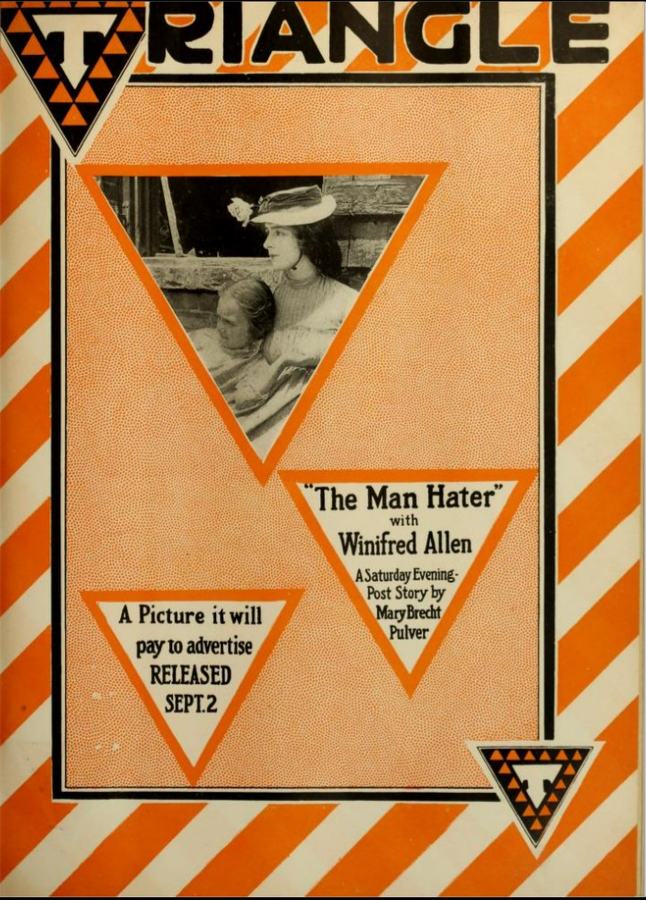
The performances, particularly from whoever embodies Phemie (Marguerite Gale, Thelma Burns, or Winifred Allen could be imagined bringing this intensity), must have been pivotal in conveying such a complex inner world without the aid of dialogue. The challenge of portraying deep-seated aversion and gradual emotional thawing through gesture, facial expression, and body language is immense, and the film, if it succeeds, does so by allowing these non-verbal cues to speak volumes. One might draw parallels here to the stoic resilience seen in The Spartan Girl, where female characters often navigate societal expectations with a silent, internal strength, or even the subtle emotional suppression evident in Destiny: or, the Soul of a Woman, where the inner workings of a woman's psyche are paramount.
Joe's subsequent strategy, born from a desperate misreading of human psychology, marks a significant turning point in the narrative. Inspired by a newspaper clipping touting the "power of matrimonial jealousy," he embarks on a clandestine campaign of anonymous letters, fabricating a phantom rival to stir Phemie's dormant passions. This gambit, while perhaps well-intentioned in its ultimate goal of eliciting affection, is deeply flawed and ethically dubious. It underscores a common, yet dangerous, misconception: that love can be manufactured or forced through manipulative means. The letters, however, fall flat. Phemie, hardened by years of emotional self-preservation, remains utterly impervious to these transparent attempts to provoke her. Her apathy is not feigned; it is a genuine reflection of her emotional unavailability, a testament to the depth of her resolve against vulnerability. This sequence, in its quiet failure, highlights the futility of external manipulation when confronted with entrenched internal resistance.
The film's exploration of manipulation, even if clumsily executed by Joe, is a fascinating precursor to more sophisticated cinematic treatments of psychological gamesmanship in relationships. One might consider the intricate deceptions at play in a film like Playing with Fire, which, despite its different thematic focus, also delves into characters navigating complex emotional landscapes through unconventional means. However, where Playing with Fire might explore the thrill of the game, The Man Hater focuses on the desperation underlying such tactics.
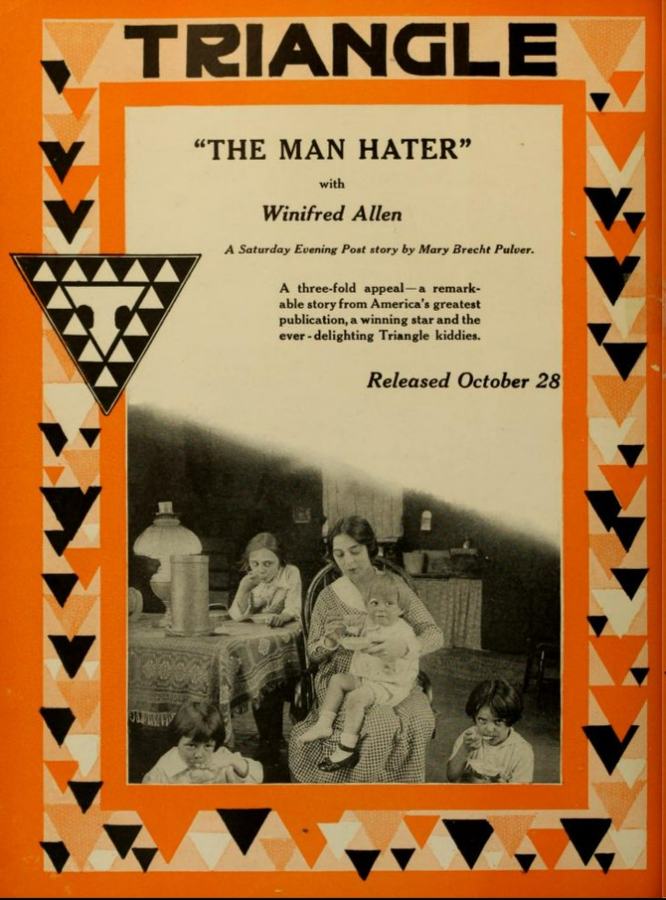
The true turning point, the narrative's necessary external shock, arrives not through Joe's contrived machinations but through the very real and palpable threat posed by Lucy Conyer. Lucy, a former admirer of Joe's, now a widow, re-enters the scene with a clear, unambiguous agenda: to reclaim Joe's affections. Her presence is not a fabrication; it is a genuine, tangible challenge to Phemie's carefully constructed emotional fortress. Lucy's overtures towards Joe, her calculated charm and direct pursuit, finally succeed where Joe's anonymous letters failed. This is where the film truly begins to unravel Phemie's carefully maintained facade. It isn't the idea of another woman that stirs her, but the concrete reality, the visceral threat of losing something she hadn't realized she valued.
The genius of this plot development lies in its subtle psychological realism. Phemie's hatred for men was a shield, a protective mechanism against perceived hurt. It was not, perhaps, an absence of the capacity for love, but a profound fear of it. Lucy's appearance forces Phemie to confront not just Joe's potential infidelity, but her own deeply buried feelings. The sight of Joe's attention being diverted, of another woman making a play for her husband, ignites a primal possessiveness that transcends her intellectualized misanthropy. This is where her internal conflict becomes externalized, where the silent battle within her finally erupts into visible agitation. It's a testament to the power of human connection, even an unwanted one, that its potential loss can trigger such a profound re-evaluation.
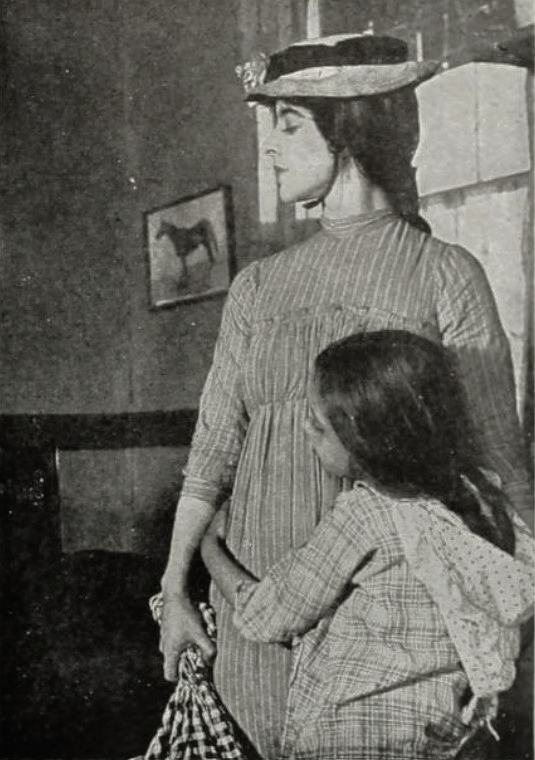
The climax of The Man Hater is a cathartic explosion of long-suppressed emotion. Phemie, no longer able to maintain her detached composure, confronts Joe, upbraiding him for his perceived neglect. This accusation, initially framed as anger, quickly unravels into a raw, vulnerable confession. Forced to articulate her grievances, she is, in turn, forced to acknowledge the underlying sentiment: her love for him. It is a moment of profound emotional release, not just for Phemie, but for the audience who has witnessed her arduous journey from hardened cynic to a woman capable of admitting affection. The irony is poignant: she, the self-proclaimed man-hater, finds herself articulating the very emotion she vowed never to experience.
This final confession is not merely a happy ending; it is the culmination of a complex psychological transformation. It suggests that while past trauma can deeply scar, the human capacity for connection and love, given the right catalyst, can ultimately prevail. It's a narrative arc that, in its silent portrayal, demands a great deal from its lead performer, requiring a gradual shedding of layers until the core emotion is revealed. One might juxtapose this with the transformative journeys seen in films like A Florida Enchantment, where characters undergo radical changes in perspective, albeit through more fantastical means, or even the dramatic self-discovery in Monna Vanna, where women assert their will and redefine their relationships.
In retrospect, The Man Hater stands as a fascinating artifact of its time, a silent film grappling with themes that remain relevant today: the impact of childhood trauma, the complexities of marital dynamics, and the often-circuitous path to emotional vulnerability. While Joe's manipulative tactics might be viewed critically by modern audiences, they serve as a narrative device to externalize Phemie's internal conflict, forcing her hand in a way that mere kindness could not. The film, written by Mary Brecht Pulver and James Oliver Curwood, showcases an early understanding of psychological depth, even if conveyed through the often broad strokes of silent cinema.
The film's strengths lie in its clear character motivations, its gradual build-up of tension, and its ultimate, satisfying resolution. It's a reminder that silent films, far from being simplistic, often tackled profound emotional and social issues with surprising sophistication. It contributes to the rich tapestry of early cinema that explored female agency, even when constrained by societal norms, and the enduring power of human connection. The performances, led by Robert Vivian and Harry Neville in supporting roles, would have anchored the emotional landscape, providing the necessary gravitas to Phemie's internal turmoil and Joe's persistent hope. It's a narrative that, despite its era, speaks to the timeless struggle of reconciling past pain with the potential for future happiness, a journey that many films, from The Spirit of the Poppy to Vampire, explore in various guises – the battle against internal demons or external forces to find a semblance of peace or love.
Ultimately, The Man Hater is more than just a period piece; it's a testament to the enduring human drama of love, loss, and the arduous journey toward self-acceptance. It prompts us to consider how our past shapes our present and how, sometimes, the most profound transformations are sparked not by gentle persuasion, but by the jarring reality of potential loss. It’s a compelling, if somewhat morally ambiguous, exploration of how love, in its most unexpected forms, can finally triumph over ingrained prejudice and fear.
IMDb 6.4
1926
Community
Log in to comment.