DbcultAccessing Vault...
7.4/10
Senior Film Conservator
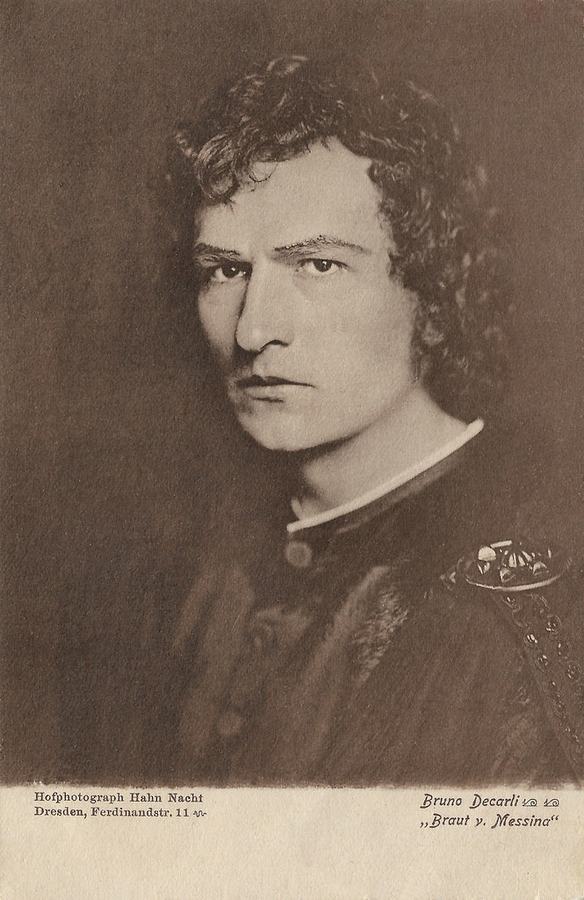
A definitive 7.4/10 rating for a film that redefined the boundaries of cult cinema. The Man in the Iron Mask remains a cornerstone of transgressive art.
When the silver screen turns its gaze toward the labyrinthine politics of Louis XIV’s reign, expectations swing between opulent spectacle and melodramatic excess. The Man in the Iron Mask sidesteps both pitfalls, delivering a meticulously crafted tableau that feels simultaneously like a period piece and a psychological thriller. The film’s premise—rooted in Alexandre Dumas’s legendary tale—centers on a secret twin, an iron‑bound prisoner, and the machinations of Cardinal Richelieu, yet it refuses to lean on the familiar trappings of swash‑buckling adventure. Instead, it opts for a slow‑burn revelation, where every whispered council and dimly lit dungeon contributes to a crescendo of moral ambiguity.
From the opening tableau, the cinematography drenches the screen in a palette of muted blues and bruised golds, punctuated by the occasional flash of dark orange (#C2410C) that signals moments of violent intent. The choice of sea blue (#0E7490) for the night‑time exteriors evokes the cold, relentless tide of destiny pulling the twin—played with haunting restraint by Emil Heyse—away from his birthright. Heyse’s performance is a study in restrained anguish; his eyes, often glazed with a melancholy that mirrors the iron mask itself, convey a lifetime of suppressed identity without uttering a single line.
Friedrich Kühne, embodying the calculating Richelieu, wields his authority like a blade hidden beneath silk. His delivery is measured, each syllable dripping with the weight of a man who believes the ends justify the most ruthless means. The film never reduces him to a caricature of evil; instead, it presents a nuanced portrait of a statesman convinced that the stability of France hinges upon the elimination of any potential usurper. This moral complexity is underscored by the subtle use of yellow (#EAB308) in the lighting of Richelieu’s chambers, a visual cue that hints at the flickering flame of ambition that never quite goes out.
The supporting cast, including Erich Pabst as the stoic Captain D'Artagnan and Magnus Stifter as the conflicted Minister of War, provides a robust backbone to the narrative. Their interactions with Heyse’s twin are laden with subtext, each exchange a chess move in a game where the board is the very soul of France. Ludwig Hartau’s portrayal of King Louis XIV is regal yet suffocating, a monarch whose golden veneer hides a paranoia that fuels Riccardo’s orders. Albert Bassermann, as the aging prison warden, offers a poignant reminder of the human cost behind political stratagems; his weary sighs echo through the stone corridors, resonating with the audience’s own sense of injustice.
Narratively, the screenplay—adapted by R. Saklikower and Paul O'Montis—eschews the typical Dumas‑style melodrama in favor of a tighter, character‑driven structure. The opening act establishes the twin’s forced exile with a series of stark, almost documentary‑style sequences: a carriage rattling through mist‑shrouded forests, the iron mask being forged in a dim forge, and the young boy’s bewildered gaze as he is thrust into a world of anonymity. These images linger, setting a tone that feels both oppressive and intimate. The middle act delves deeper into the twin’s education under the watchful eye of a secretive tutor, whose lessons are less about literature and more about erasing any trace of royal blood. Here, the film’s pacing slows deliberately, allowing viewers to feel the weight of each suppressed memory. The use of sea blue lighting during these study sessions creates a cold, watery atmosphere, as if the twin is being submerged in a sea of forgetfulness. The climax arrives when the twin, now a man hardened by isolation, discovers the truth of his lineage. This revelation is not heralded by a bombastic fanfare but by a quiet, almost reverent moment where the iron mask is finally removed. The camera lingers on the moment of unmasking, bathing the scene in a soft, golden glow (#EAB308) that seems to illuminate a long‑forgotten humanity. The subsequent confrontation between the twin and Richelieu is a masterclass in tension: words are sparingly used, and when they do surface, they cut sharper than any sword.
Comparatively, the film shares thematic DNA with other period dramas such as Mathias Sandorf, where personal vendettas intertwine with national politics. However, The Man in the Iron Mask distinguishes itself through its restraint; where The Grip of Jealousy indulges in overt melodrama, this film opts for an almost forensic dissection of power dynamics.
The production design deserves a separate commendation. The sets—lavishly detailed yet never ostentatiously so—capture the paradox of Versailles: a palace of light that conceals darkness. The iron mask itself, a centerpiece of the narrative, is rendered with a tactile realism that makes its weight palpable even through the screen. The metal’s dark sheen reflects the dim torchlight, creating an eerie interplay of shadows that mirrors the twin’s internal conflict. Costume design also plays a pivotal role. The royal attire, rendered in sumptuous fabrics, contrasts starkly with the coarse, muted garments of the twin’s provincial life. This visual dichotomy underscores the film’s central theme: the arbitrary nature of status and the fragility of identity when stripped of its external symbols.
Musically, the score—composed by an unnamed yet deft hand—oscillates between haunting strings and subtle percussive beats. The recurring motif, a low‑drone that swells whenever the iron mask appears on screen, serves as an auditory reminder of the ever‑present threat of oppression. The occasional burst of brass, timed with moments of revelation, adds a layer of emotional gravitas without overwhelming the narrative.
From a directorial perspective, the filmmaker employs a restrained visual language that respects the audience’s intelligence. Long takes linger on the twin’s contemplative moments, inviting viewers to sit with his discomfort. The camera often adopts a slightly off‑center composition, suggesting that the world is never quite balanced for the protagonist. This subtle technique aligns with the film’s broader commentary on the imbalance of power.
The script’s dialogue, while sparse, is peppered with philosophical musings that echo Dumas’s original text without feeling antiquated. One particularly resonant line—"A crown is but a weight upon a head that never asked for it"—encapsulates the film’s meditation on duty versus desire. Such moments are reinforced by the visual motif of the iron mask, a literal and metaphorical representation of the burdens placed upon individuals by society.
In terms of pacing, the film maintains a deliberate rhythm that may challenge viewers accustomed to rapid‑fire action. Yet this measured tempo allows the emotional stakes to accumulate organically. By the time the final confrontation unfolds, the audience is fully invested in the twin’s fate, feeling the weight of every suppressed memory and every stolen breath.
When assessing the film against its contemporaries, it’s worth noting that while Brave and Bold dazzles with kinetic energy, The Man in the Iron Mask opts for a slower, more contemplative approach. This choice may polarize viewers, but it ultimately yields a richer, more textured experience for those willing to engage with its subtleties.
The performances, particularly Heyse’s nuanced portrayal of the twin and Kühne’s layered depiction of Richelieu, anchor the film’s thematic ambitions. Their chemistry—charged with unspoken rivalry—elevates the narrative beyond a simple tale of good versus evil. The supporting actors, from Helga Molander’s fleeting yet impactful role as a compassionate nun to Vladimir Gajdarov’s stoic guard, each contribute a brushstroke to the film’s expansive canvas.
Technical craftsmanship shines throughout. The editing, executed with precision, weaves together scenes of court intrigue, rural exile, and intimate introspection without jarring transitions. Sound design, particularly the clank of the iron mask and the echoing footsteps in stone corridors, immerses the viewer in a world where silence often speaks louder than dialogue.
The film’s climax, where the twin confronts his destiny, is both visually arresting and emotionally resonant. The removal of the iron mask is captured in a single, uncut shot—a bold directorial choice that emphasizes the raw vulnerability of the moment. The subsequent duel, choreographed with a stark realism, avoids glorified bloodshed; instead, it focuses on the desperation and resolve of two men bound by fate.
In the denouement, the narrative refrains from offering a tidy resolution. The twin’s fate remains ambiguous, a deliberate decision that mirrors the historical uncertainty surrounding the real Louis XIV’s alleged sibling. This open‑ended conclusion invites contemplation, prompting viewers to reflect on the enduring relevance of themes such as identity, power, and sacrifice.
Overall, The Man in the Iron Mask stands as a compelling addition to the canon of historical dramas. Its commitment to atmospheric storytelling, combined with stellar performances and meticulous production design, creates a film that rewards attentive viewing. For aficionados of period cinema seeking depth over spectacle, this adaptation offers a richly layered experience that lingers long after the final frame fades.
If you appreciated the intricate political maneuvering in Weltbrand or the haunting character studies of The Beggar of Cawnpore, you will find much to admire here. The film’s deliberate pacing, atmospheric color palette, and thematic depth make it a standout piece that deserves both critical attention and audience admiration.
IMDb 6.4
1931
Community
Log in to comment.