DbcultAccessing Vault...
5.4/10
Senior Film Conservator
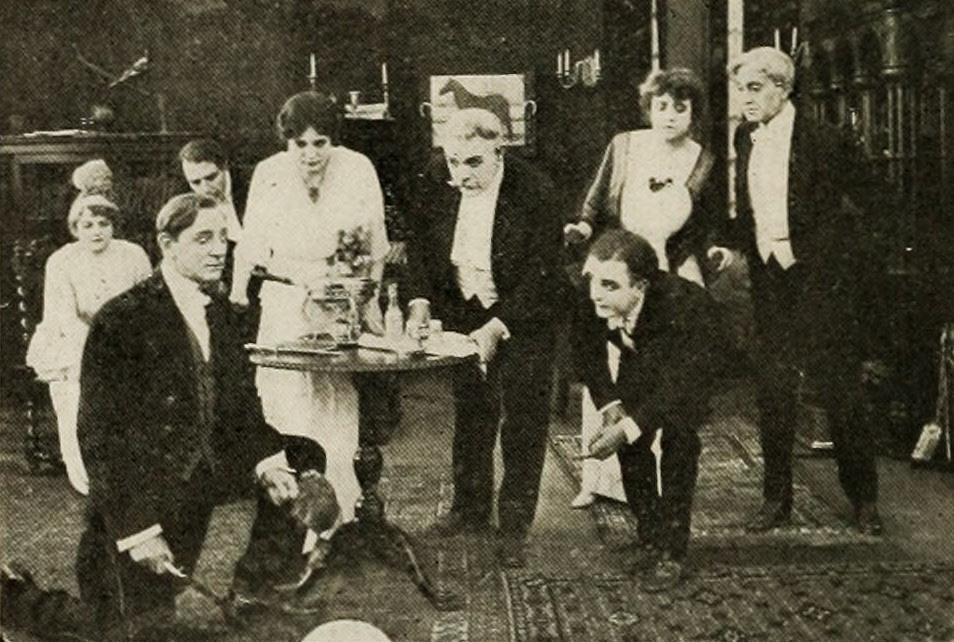
A definitive 5.4/10 rating for a film that redefined the boundaries of cult cinema. The Man on the Box remains a cornerstone of transgressive art.
A canvas of nitrate moonlight, The Man on the Box flickers like a campfire anecdote told by a scarred cavalryman—equal parts swagger and sigh. Director Max Figman, adapting Harold McGrath’s brisk novel, refuses to let his camera merely record; instead it prowls, skulks, gallops, mirroring Bob’s oscillation between battlefield bravado and ballroom bashfulness.
From the first iris-in on a sun-scorched outpost, the film announces its obsession with façades: uniforms torn open to expose vulnerable flesh, liversied servants who out-earn their masters in secrets, a woman’s fan that flutters Morse code to the trained eye. Bob’s “retirement” is a masterstroke of narrative irony—he thinks he’s stepping off history’s carousel, only to land on a faster one spinning inside the Annesley estate.
Silent cinema rarely granted male leads a license for vulnerability; actors flexed jawlines, not insecurities. Harry Fisher upends that template. His Bob slumps, grins sideways, fingers the frayed cuff of a coat that once bore brass buttons—body language whispering impostor syndrome long before the term existed. Watch the way Fisher’s shoulders tighten inside the coachman’s box seat: a man corseted by social vertigo, yet exhilarated by the anonymity fabric provides.
Compare this kinetic self-doubt to the granite stoicism of The Steel King’s Last Wish; where steel titans brandished fortunes like broadswords, Bob wields poverty as a rapier—sleight, swift, deflecting every matrimonial calculation.
Portrayed by Betty Johnson with a darting intelligence that anticipates Anna Held’s cosmopolitan sparkle, Betty is no porcelain figurine awaiting rescue. She deciphers Bob’s photographic secret off-screen, then orchestrates a slow-burn revelation that would make a modern spy handler proud. The moment she pockets that image, the power dynamic tilts; the employer becomes supplicant, the servant gallant gate-crasher to her own heart.
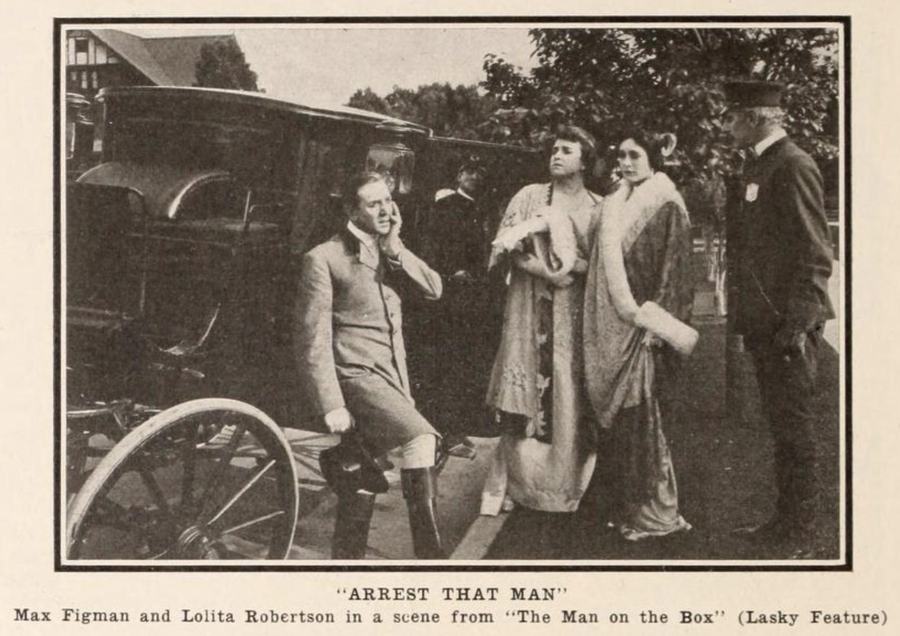
Johnson’s eyes—wide yet never vacant—carry the weight of every frontier belle who’s realized courtship is just another land-grab, deeds measured in dowries. Her laughter at Bob’s cluelessness feels sister to the mischievous grin Rose of the Rancho flashes when she out-rides male vaqueros.
The Russian Count’s scheme—stealing U.S. defense plans—lands like a proto-noir MacGuffin, but McGrath’s script ladles geopolitical anxiety onto what could have been mere ballroom gossip. In 1914, as Europe teetered toward Marne trenches, American audiences tasted the tang of distant gunpowder in their popcorn. The Count’s cigarette case, clicking open with metronomic menace, foreshadows the encrypted suitcases that would haunt Hitchcock decades later.
Figman stages the theft under a chandelier whose crystals refract gaslight into spectral shards; every waltz pirouette risks exposure. It’s a dance-floor cousin to the shadowed cloisters in Parsifal, where spiritual crisis masquerades as pageantry.
The titular box seat functions as both throne and stocks. Bob commands reins, routes, arrival times—yet remains servant, property, roadside ornament. Cinematographer Horace B. Carpenter frames the coach against Monument Valley vistas that dwarf human hierarchy; when the wheel splinters mid-chase, the collapse feels revolutionary, as if the West itself votes against caste.
Contrast this with The School for Scandal, where scandal is a parlour aroma, inhaled and exhaled in drawing rooms. Here, scandal is dust-choked, sun-baked, capable of snapping an axle.
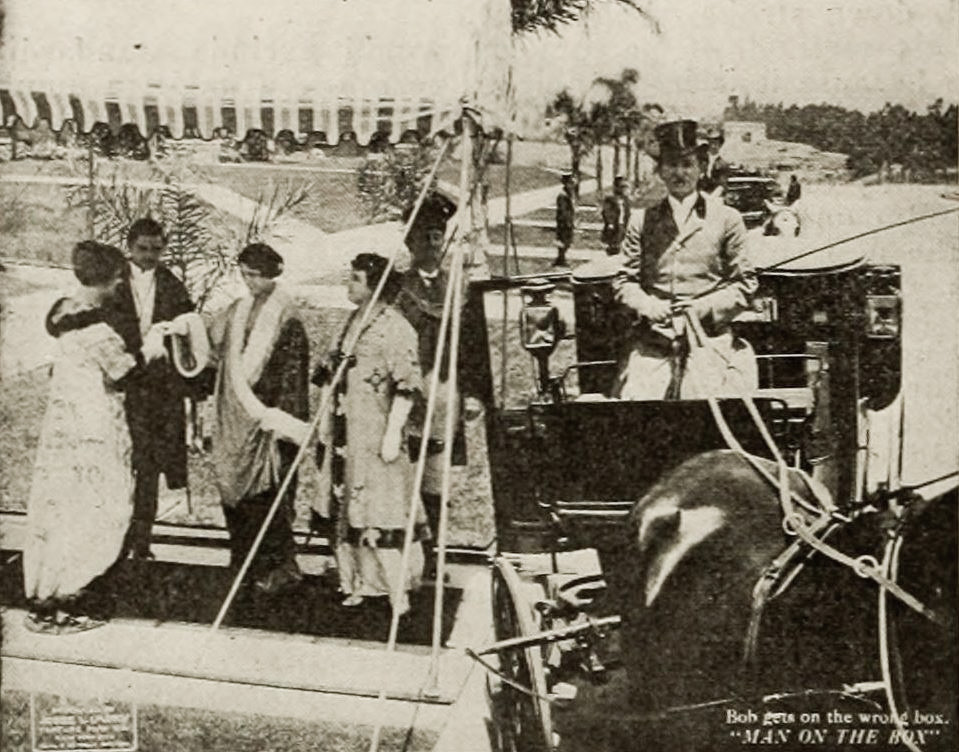
When Bob finally unfurls his bank-stock credentials, the gesture lands not as deus-ex-machina but as indictment. The film dares audiences to applaud a solution that money, not morality, provides. Yet note Betty’s response—an embrace uncluttered by ledger columns—affirming that while fortunes evaporate, erotic arithmetic (one heart plus one heart) remains solvent.
Such candor about lucre anticipates the venal dreams in The Ghost Breaker, though that later romp cloaks avarice behind ghostly gag masks. Here, avarice is merely another disguise, peeled away like white gloves at a moonlit picnic.
James Neill’s Colonel Annesley pivots from bluff military certainty to crestfallen insolvency with a stoop of epauletted shoulders—watch how he fingers the frayed hem of a once-plumed uniform hat, a king discovering his crown is tin. Jane Darwell, as the spinster aunt, weaponizes embroidery needles and unsolicited advice, stealing scenes with a sniff that conveys entire sermons on matrimonial doom.
Jack W. Johnston’s Russian Count exudes cold-blooded charm through a monocle that functions like a one-way mirror: he sees you, you see only yourself reflected, distorted. It’s a villainy less bombastic than the mustache-twirling seducer in Chicot the Jester, but more unsettling because it masquerades as courtly courtesy.
Modern viewers, nursed on three-hour mythologies, may reel at the film’s economy—story beats gallop past like telegraph poles viewed from the box seat. Yet within that breathlessness lies a jazz-like syncopation: romantic dalliance slams into espionage, then pivots to slapstick axle-breakage, all without title-card bloat. Intertitles, when they intrude, arrive haiku-sharp: “Fortunes vanish at the turn of a card—so do hearts.”
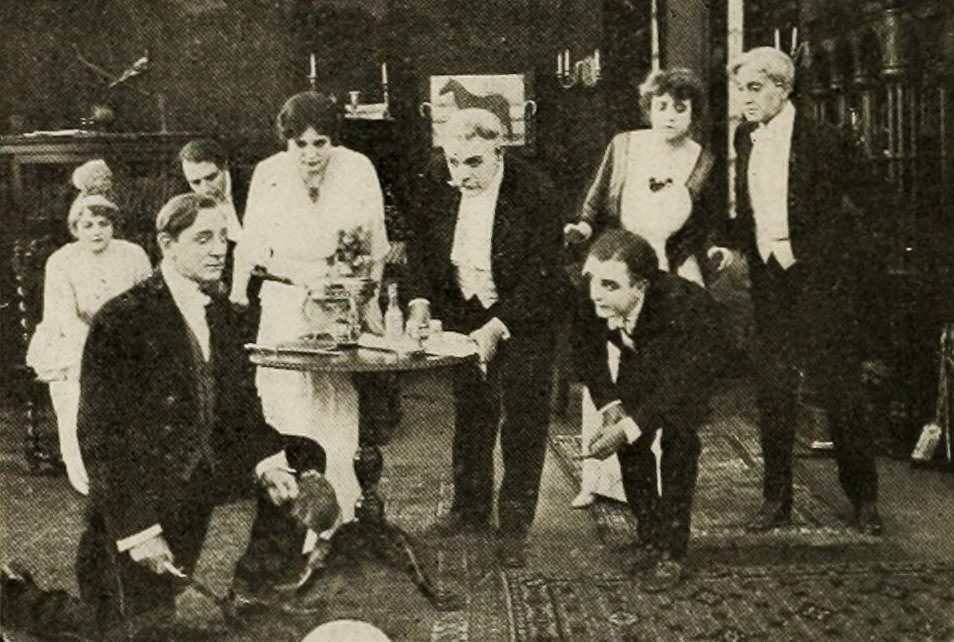
Editors Fred L. Wilson and C.F. Le None splice chase sequences with jump-cutting audacity that anticipates Soviet montage; dust clouds, hoof thuds, and a woman’s gasp form a staccato symphony.
Surviving prints bear the mottled scars of time—scratches like lightning across prairie sky—but even through decay, cinematographer Carpenter’s chiaroscuro thrives. Night scenes bathe faces in tungsten pools while backgrounds sink into obsidian; you feel the moth’s urge to flirt with that flame. Daylight exteriors blaze so fiercely the box seat’s varnish seems to sweat, evoking the scorched optimism of Manifest Destiny.
Compare this high-contrast bravado to the pastoral pastels of Call of the Bush; here, the West is not mere scenery but crucible, heating every social mask until it cracks.
Original exhibition notes prescribe a potpourri—“Yankee Doodle” for marching bravado, “Annie Laurie” for moonlit yearning, gallop excerpts for the finale. Contemporary revivals often commission new scores, but the cunning curator will juxtapose Sousa with Rachmaninoff to mirror the American-Russian tension embedded in the script. When the Count’s scheme unravels, a lone coronet can bleat like a distant bugle at Little Bighorn—echo of Bob’s wound, reminder that battles migrate from prairie to parlour.
Betty’s ultimate choice—to love Bob regardless of pecuniary revelation—reads today as proto-feminist, yet the film refuses easy hashtags. Her agency lies not in rejecting wealth but in postponing its verdict until character is weighed. In a cinematic era that often staged women as fortune’s flag-bearers (see Angel of His Dreams), Betty’s calibrated patience feels revolutionary.
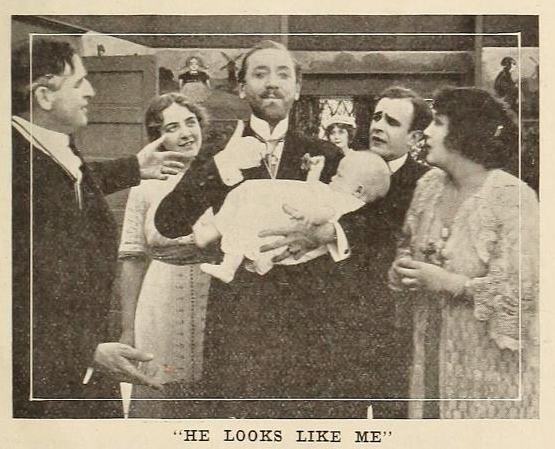
Likewise, Bob’s willingness to inhabit servitude exposes masculinity as performance: remove epaulets and what remains? A soul capable of humility—a lesson the swaggering cavalry officers in Dan never learn.
Trace the DNA and you’ll find strands in Capra’s class-skewed comedies, in Hitchcock’s “wrong man” thrillers, even in superhero flicks where billionaires masquerade as paupers. The Man on the Box whispers that American identity is itself a mask, interchangeable as stage props—one moment frontiersman, next tycoon, always improvising.
Film schools rightfully genuflect to Pilgrim’s Progress for allegorical ambition, but for sheer narrative locomotion—romance, suspense, comedy braided tighter than a lariat—this neglected gem deserves syllabus inclusion.
Its only sin is brevity that leaves subplot embers smoking: we crave more of the Native scout who salvages Bob, more of the railroad shares that evaporate. Yet imperfection is human, and humanity—flawed, frantic, hopeful—roars through every flickering frame. Watch it for the spy-thriller zest, revisit for the courtship choreography, treasure it for proving that even in a century-old negative, love can outrun both dust and digital decay.
Stream the restored edition, cue a Rachmaninoff prelude, and surrender to the clatter of hooves that echo across eras—reminding us that identity, like a coach, hurtles forward; only the reins we choose steer us toward either box seat or throne.
IMDb 6
1926
Community
Log in to comment.