DbcultAccessing Vault...
5.4/10
Senior Film Conservator
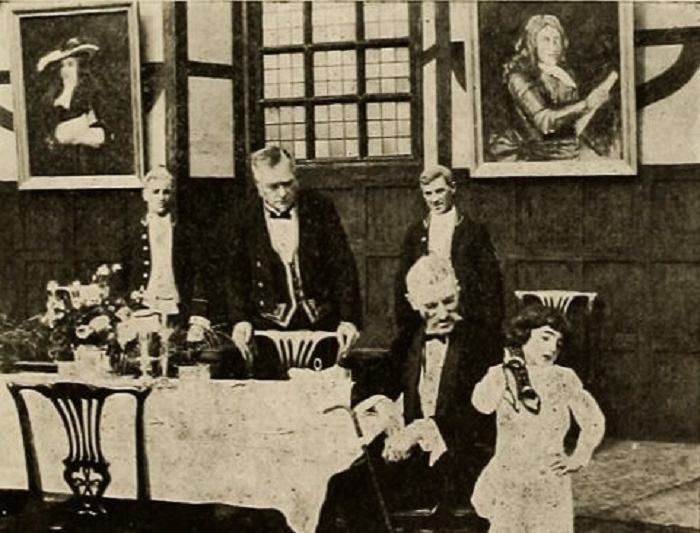
A definitive 5.4/10 rating for a film that redefined the boundaries of cult cinema. Little Lord Fauntleroy remains a cornerstone of transgressive art.
Spoiler-rich contemplations on a century-old reel that still knows how to make grown viewers sniffle.
There are films that age into artefacts, and films that age into confessions; Little Lord Fauntleroy lands squarely in the latter cell. Shot in the monochrome twilight of 1921, this adaptation of Frances Hodgson Burnett’s sentimental novella could have ossified into mere Edwardian kitsch. Instead, it breathes—a flickering lantern whose glow exposes the hairline cracks between wealth and worth.
Director Alfred E. Green, armed with a budget that wouldn’t cover today’s catering bill, converts poverty into pageantry. Dorincourt Towers, ostensibly a bastion of obscene opulence, is rendered through matte backdrops and forced-perspective corridors; yet every stone arch exudes ancestral fatigue. Note how cinematographer Hal Young bathes the Earl’s first entrance in diagonal shafts of light—an inverted cathedral where the deity is clearly noblesse, not oblige. The palette of intertitles alternates between parchment beige and the ominous slate reserved for Minna’s machinations—a typographic spoiler if you read the cards closely enough.
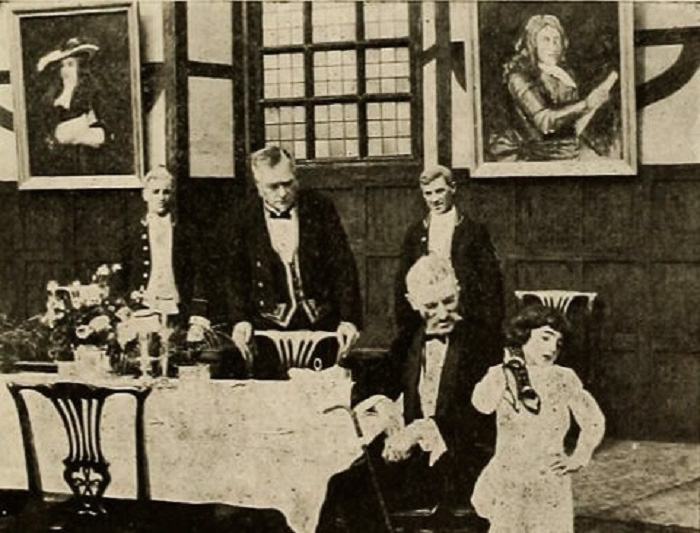
V. Osmond’s Earl begins as a living bust: spine erect, eyebrows deployed like artillery. Watch the moment Cedric offers his shoulder for support—there is a microscopic quiver in the Earl’s left cheek, a hairline fracture through which decades of remorse seep. By the time the old man instructs the footmen to stoke the hearth in Mrs. Errol’s guest suite, his entire physiognomy has sagged into a different skeletal map. Meanwhile, child actor Gerald Royston performs alchemy on cuteness itself; he never succumbs to the cloying, palms-together piety that sank later sound-era imitators. Instead, Royston strides through scenes with the impatient dignity of a kid who has been told the world is his but senses the bequest is booby-trapped.
Burnett’s source text is reactionary on paper: a fable that reassures the gentry good blood will out. The 1921 film subtly subverts that thesis. Every time Cedric intervenes—waiving rent for Higgins, gifting a brougham to his mother—the estate’s economic scaffolding wobbles. The camera, normally subservient to wealth, lingers on the faces of soot-smudged tenants more than on marble statuary. When the final banquet erupts into folk dancing, the aristocrats clap off-beat while the villagers know the steps. The movie quietly argues that grace is learned in the kitchen, not the castle.
Minna—played with flapper-era ferocity by Stella St. Audrie—deserves entry into the hall of great cinematic confidence tricksters. She storms the ramparts of patriarchy armed with nothing but a wedding certificate and a child who looks like he could use a nap. Her comeuppance is swift, but the film grants her one close-up of unvarnished panic when her husband emerges from the American wilderness. In that frame, we glimpse the precarity of women who weaponize the only currency society allows them: narrative.
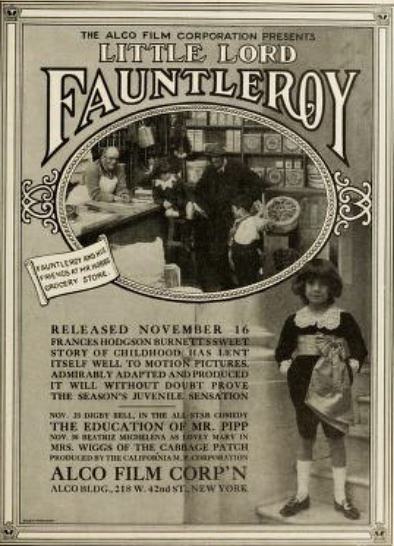
Place Little Lord Fauntleroy beside Madeleine (also 1921) and you notice a shared obsession: the courtroom as theatre of class anxiety. Both films hinge on a piece of evidence that could either sanctify or desecrate lineage. Where Jane Eyre dramatizes the governess’s perilous ascent, Fauntleroy inverts the slide: the American commoner who must descend into nobility without shedding his democratic soul. And if you crave more Victorian children imperiled by inheritance laws, The Tide of Death offers a bleaker shoreline, one where redemption arrives too late.
The 4K restoration by the BFI in 2022 removed the chemical fog that had turned night scenes into murky soup. Now, moonlight actually glints off Cedric’s satin collar, and you can read the Earl’s pocket-watch as he snaps it shut—a gesture that once felt like distant thunder now crackles like a starter pistol. Festival audiences in Bologna laughed at the fish-out-of-water bootblack Dick, then caught themselves: the humour is laced with class schadenfreude we still practise today.
Because the film never demands we endure a saccharine orchestral lullaby, our minds supply the emotional score. Listen closely in a darkened cinema and you’ll hear the rustle of modern jackets syncing with the rustle of Edwardian taffeta—a ghostly duet across a century. Silence also weaponizes the intertitles; when Cedric writes “Don’t bother Higgins anymore,” the absence of music feels like a held breath.
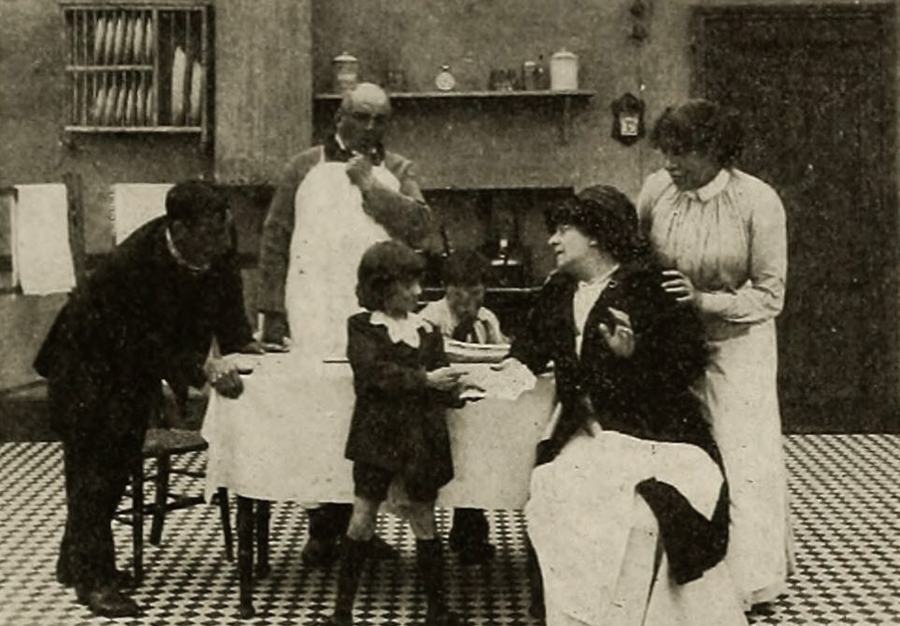
Is the film sentimental? Absolutely. But sentiment is only cloying when it isn’t earned; Burnett and Green make us pay upfront with funerals, destitution, and a child who must broker peace between two continents of grief. The closing image—Cedric asleep on a bearskin rug, the Earl’s withered hand resting on the boy’s curls—should be treacle, yet it plays like a treaty: between Old World cynicism and New World optimism, between the viewer’s instinctive irony and the movie’s stubborn faith in goodness.
Verdict: 9/10—A century on, still the gold standard for intergenerational redemption, and a masterclass in how restraint can make a child’s tear feel like tectonic shift.
If you rewatch, keep an eye on the Newfoundland dog: he’s the first character to recognise legitimacy without needing a birth certificate—proof that nobility, like scent, transcends pedigree.
IMDb 6.1
1933
Community
Log in to comment.