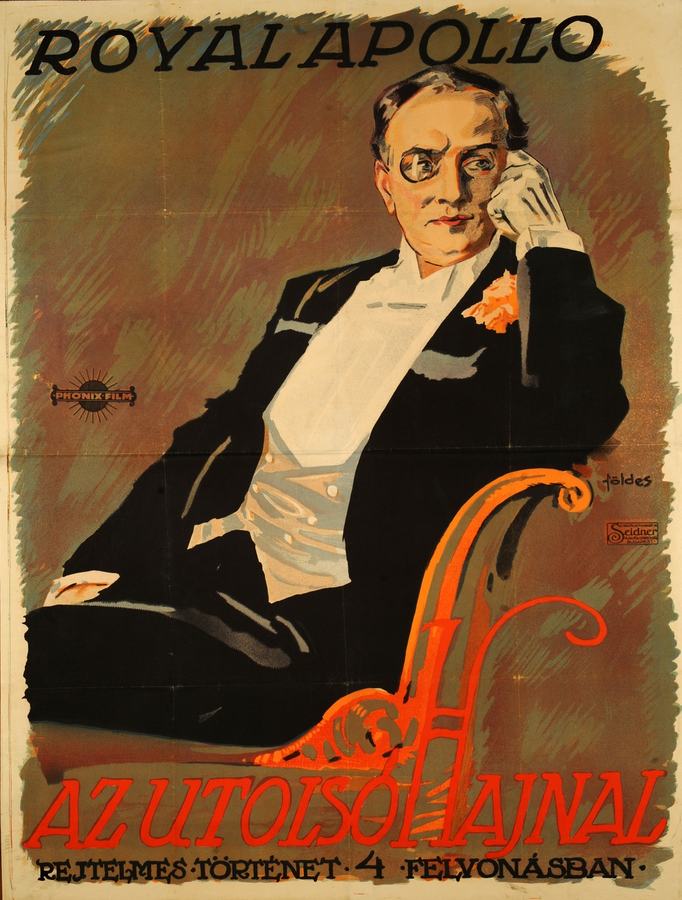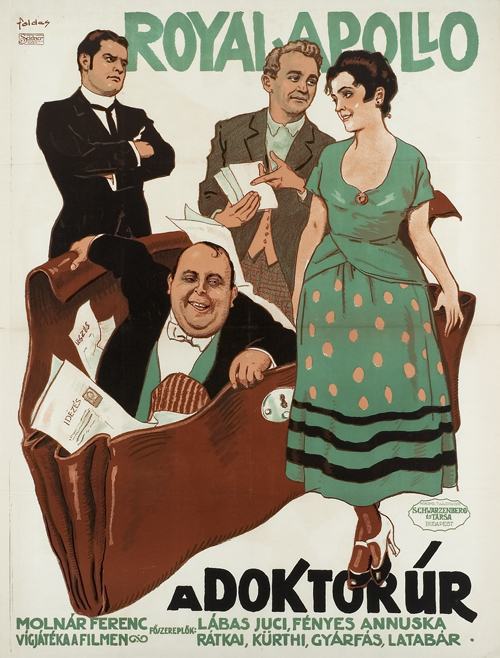
If you crumple the parchment of a Molnár play and let the ink bleed into celluloid, you get something that crackles like dry champagne: Doktor úr, a 1915 Hungarian silent that most cineastes have misplaced somewhere between the collapse of the Habsburgs and the rise of Lubitsch. Yet here it is, resurrected in a 4K sc...
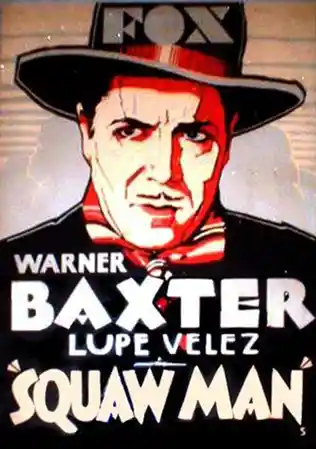
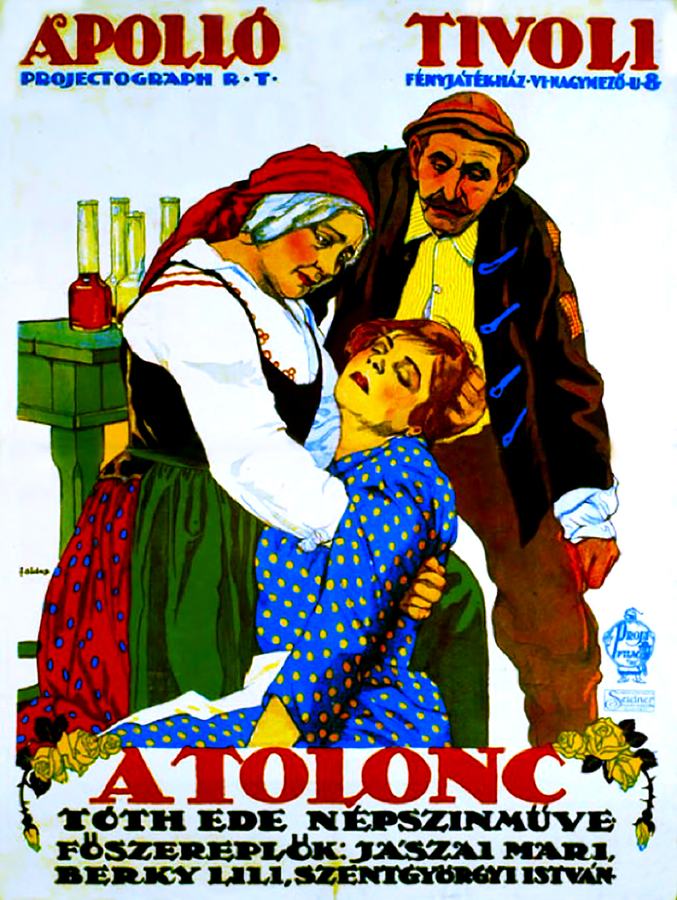
Comparing the cinematic DNA and archive impact of two defining moments in cult history.
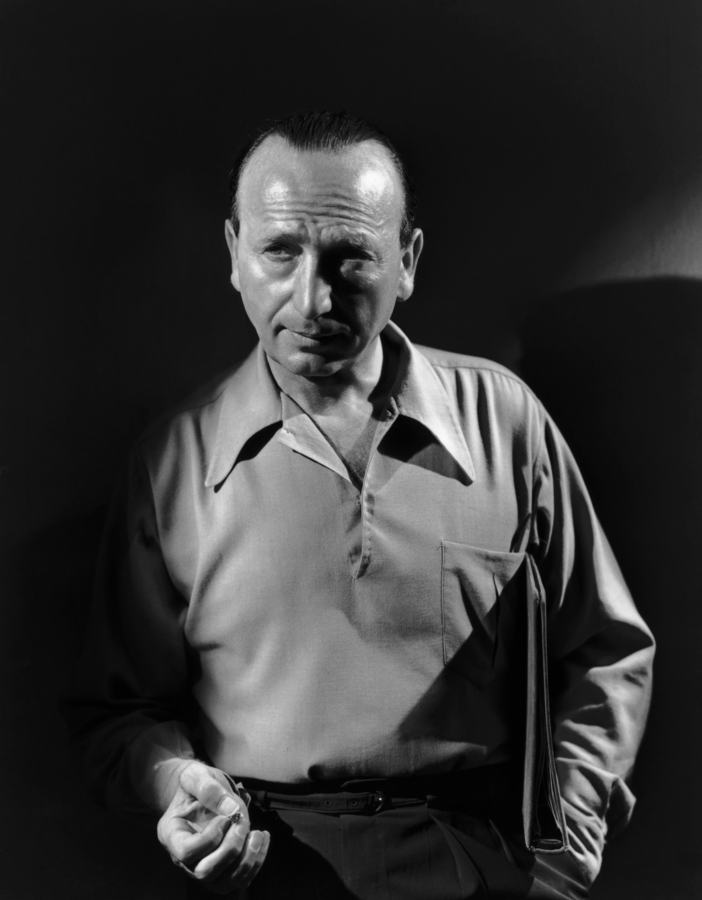
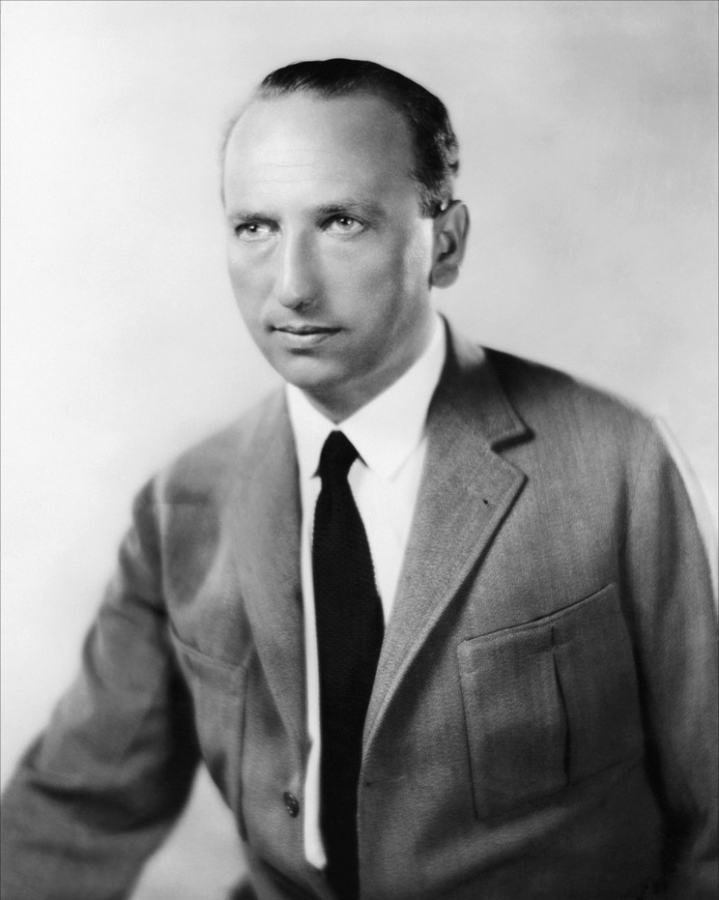
Michael Curtiz
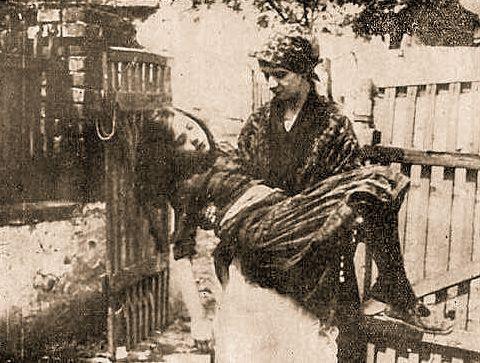
Michael Curtiz
Community
Log in to comment.
" If you crumple the parchment of a Molnár play and let the ink bleed into celluloid, you get something that crackles like dry champagne: Doktor úr, a 1915 Hungarian silent that most cineastes have misplaced somewhere between the collapse of the Habsburgs and the rise of Lubitsch. Yet here it is, resurrected in a 4K scan whose grain feels almost carnal, a reminder that satire once wore white gloves and still left fingerprints on the throat. The plot, deceptively boulevard, follows Dr. Péter Pon..."