DbcultAccessing Vault...
Cult Review
Senior Film Conservator
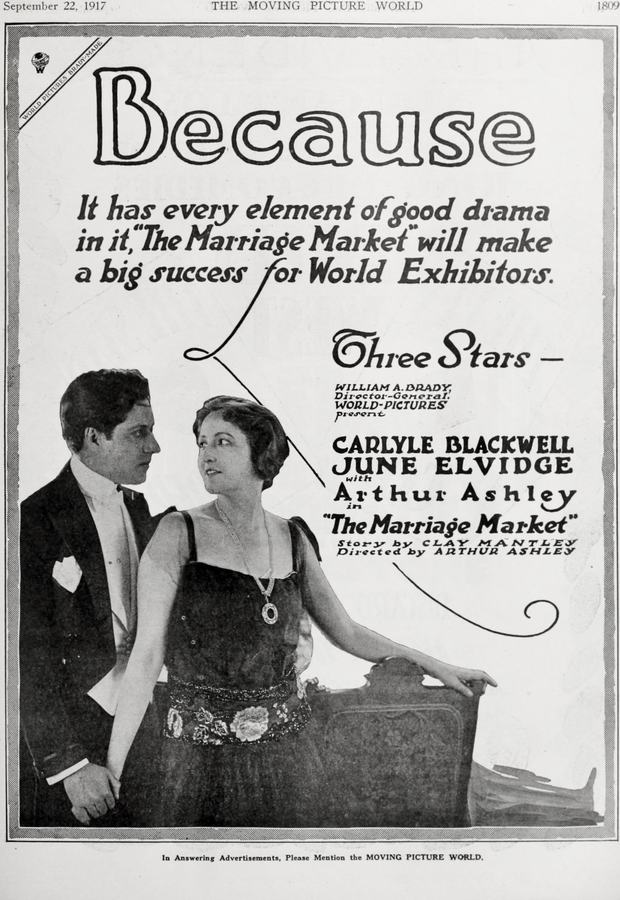
Stepping back into the early 20th century cinematic landscape often feels like entering a dimly lit, yet profoundly evocative, dreamscape. Films like The Marriage Market, a dramatic offering from 1916, serve as poignant time capsules, reflecting not just the storytelling conventions of their era but also the prevailing societal anxieties and moral quandaries. This particular feature, with its intricate web of desperate choices, fatal consequences, and the slow, inexorable unraveling of truth, is a fascinating specimen of early narrative filmmaking, demonstrating a sophisticated understanding of human frailty and resilience.
At its core, the film plunges us into the unenviable predicament of Helen, a character whose life is circumscribed by the heavy weight of filial duty. Her father’s precarious financial standing becomes the catalyst for a decision that will define, and ultimately shatter, her world: a marriage of convenience to Spayden. This isn't a union born of affection or mutual respect, but a cold, transactional arrangement, a desperate bid to secure her family's solvency. The very title, The Marriage Market, immediately signals this chilling commodification of human relationships, a theme that resonates with a disturbing clarity even today. Eugenie Woodward, likely in a supporting role given the era's typical casting, would have been tasked with embodying the societal pressures that push Helen into such a corner, lending gravitas to the father's plight or the rigid expectations placed upon women.
The tragic irony, of course, is that this calculated sacrifice proves futile. Helen's marriage to Spayden, intended as a bulwark against ruin, fails to save her father, leaving her trapped in a loveless union with the added burden of unfulfilled expectation. This failure sets the stage for the film's descent into darker, more perilous territory. It's a stark reminder that even the most well-intentioned, albeit desperate, strategies can crumble, leaving individuals more vulnerable than before. The performances of actors like Arthur Ashley, who might have portrayed Spayden, would be crucial in conveying the aloofness or perhaps the hidden complexities of a man entering such a pragmatic arrangement. Carlyle Blackwell, perhaps as Marlowe, would need to convey a contrasting warmth or steadfastness that later becomes crucial.
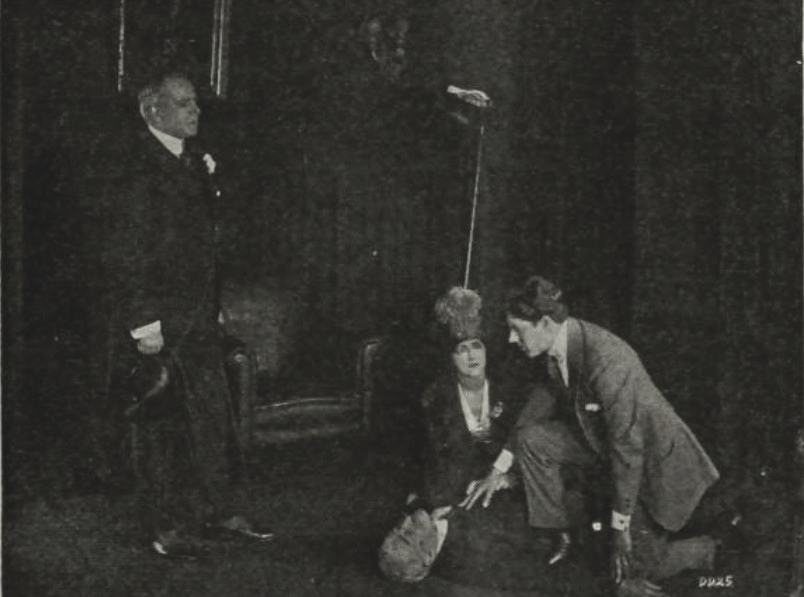
The narrative takes a sharp, violent turn with the introduction of Foxhall, a character whose malevolence injects a sudden, visceral threat into Helen's already fragile existence. His attack on her is a pivotal moment, not just for its dramatic impact but for the ripple effects it generates across the entire plot. Helen's response – the instinctive firing of a weapon, followed by her collapse into unconsciousness – is a moment of raw, unadulterated human reaction. It’s a testament to the film's ability to pivot from societal drama to an intense thriller, showcasing the abruptness with which life can unravel. For a comparable exploration of sudden peril and desperate measures, one might look to the heightened stakes in a film like Thrown to the Lions, where characters are similarly pushed to their limits by external threats.
The aftermath of Foxhall's assault plunges the characters into a labyrinthine cover-up. Spayden, discovering the scene, takes the drastic step of killing Foxhall. This act, while perhaps intended to protect Helen and eradicate the immediate danger, transforms a desperate self-defense into a calculated crime, entangling him deeper in the film's moral morass. This decision immediately complicates the narrative, shifting the focus from Helen's initial predicament to the consequences of a hidden act. The weight of this secret, and the lengths to which characters go to preserve it, becomes the driving force of the middle act.
What follows is a fascinating interplay of loyalty, sacrifice, and misguided protection. Marlowe, a character whose affection for Helen is subtly implied, steps forward to claim culpability for Foxhall’s death. This act of self-sacrifice immediately elevates his character, portraying him as a figure of profound devotion. Lewis Edgard, potentially in the role of Marlowe, would have the challenging task of conveying this noble, yet potentially self-destructive, love without overt melodrama, relying instead on nuanced expressions and gestures, a hallmark of silent era acting. Helen, in turn, perhaps believing Marlowe's confession or driven by her own guilt and desire to shield him, offers her own, contradictory confession. This dual confession creates a compelling dramatic tension, a confused tangle of half-truths and protective lies that keeps the audience guessing.
The emotional landscape here is rich, exploring the deep-seated human instinct to protect loved ones, even at great personal cost. It’s a theme that echoes in other dramas of the period where characters make profound sacrifices, such as the social ostracism faced in The Unwelcome Mrs. Hatch or the desperate measures taken by the protagonist in A Factory Magdalen. The film skillfully uses these layers of false confession to build suspense, allowing the audience to ponder the true perpetrator and the motivations behind each character's actions. Charles Duncan and Jack Drumier, likely playing roles of authority or secondary figures, would have been pivotal in reacting to these conflicting accounts, adding to the narrative's complexity.
The resolution of this intricate criminal puzzle is, fittingly for the era, delivered through the unexpected testimony of a seemingly peripheral character: the butler. This classic narrative device, where the quiet observer holds the key to the truth, is deployed with effective precision. The butler, privy to the events unfolding within the household, meticulously reveals the true sequence of events, cutting through the layers of deceit and self-sacrifice. This moment is not merely a plot device; it's a commentary on the unseen witnesses, the overlooked figures whose presence can fundamentally alter the course of justice. Frederick Truesdell, potentially as the butler, would have had a moment of quiet triumph, transforming a background character into the unexpected arbiter of truth.
The revelation by the butler leads directly to the tragic demise of Spayden. His death serves as a form of karmic justice, a consequence for his desperate act, even if it was initially intended to protect Helen. This resolution, while perhaps harsh, aligns with the moralistic undertones often present in early cinema, where transgressions, no matter their motivation, frequently met with a definitive reckoning. The film doesn't shy away from the darker implications of its choices, presenting a world where actions have irreversible consequences. June Elvidge's performance, perhaps as a sympathetic confidante or another member of the household, would have contributed to the emotional texture surrounding these dramatic revelations and their impact.
In the wake of Spayden's death and the truth's arduous emergence, the narrative culminates in the union of Helen and Marlowe. This ending, rather than feeling like a facile 'happily ever after,' carries a weight of earned authenticity. Their relationship is not born of a transactional agreement or societal pressure, but forged in the crucible of shared peril, mutual protection, and the profound experience of navigating moral ambiguities together. It suggests a love that has been tested by fire, a bond built on understanding and sacrifice rather than superficial attraction or convenience. Carlyle Blackwell, as Marlowe, would have had the crucial role of portraying this steadfastness, his quiet devotion finally rewarded. Arthur Ashley, as Spayden, would have had to convey the inner turmoil of a man caught in his own web of deceit and desperation.
The power of this resolution lies in its implication that genuine connection can only flourish once the artifice and desperation of the 'marriage market' have been stripped away. Helen, freed from the constraints of her initial, ill-fated union, and Marlowe, whose loyalty has been proven beyond doubt, are finally able to find solace and companionship in each other. This journey from a forced marriage to a true partnership, punctuated by violence and deceit, offers a compelling arc that speaks to the enduring human desire for authentic connection amidst a world often governed by pragmatic, less romantic considerations. It's a testament to the film's thematic depth that it explores not just the dangers of a commodified view of marriage but also the redemptive power of genuine affection, even when it emerges from tragedy.
Considering the technological limitations of 1916, the film's ability to convey such a complex narrative, relying heavily on visual storytelling, actor's expressions, and intertitles, is commendable. The nuanced performances, particularly from actors like Carlyle Blackwell and Arthur Ashley, would have been vital in translating the emotional turmoil and moral conflicts into a compelling screen experience. The film, in its quiet yet impactful way, critiques the societal structures that force individuals into desperate circumstances while simultaneously celebrating the resilience of the human spirit and the eventual triumph of truth and genuine affection. It stands as a powerful reminder of early cinema's capacity for profound storytelling, offering a window into the dramatic sensibilities of an era long past, yet surprisingly resonant in its thematic explorations of love, sacrifice, and justice.
In an era where films were still finding their voice, The Marriage Market demonstrates a sophisticated grasp of narrative pacing and character development. While we might compare its thematic exploration of desperate choices to contemporary dramas like The Pool of Flame, which also delves into perilous situations, or the moral dilemmas found in The Love Hermit, this film distinguishes itself through its intricate plotting and the ultimate, poignant resolution for its central figures. The journey Helen undertakes, from a pawn in a desperate financial game to a woman finding true connection after profound loss, is a compelling one, reflecting the timeless struggles of human beings caught between societal expectations and personal desires. The film’s enduring power lies in its ability to transcend its historical context and speak to universal themes of sacrifice, betrayal, and the enduring quest for genuine love and justice. It remains a fascinating piece of cinematic history, deserving of recognition for its ambitious storytelling and its insightful portrayal of the human condition under duress.
IMDb 4.6
1917
Community
Log in to comment.