DbcultAccessing Vault...
Cult Review
Senior Film Conservator
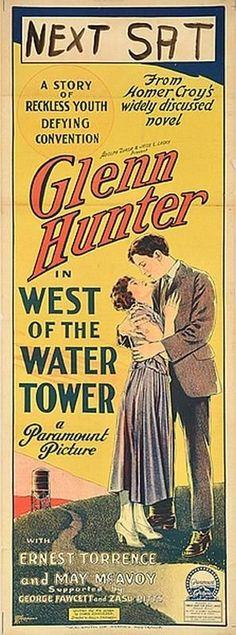
The cinematic landscape of West of the Water Tower is painted with the vivid hues of dark orange sunsets and the yellow glow of hope, set against the sea blue backdrop of a society governed by strict norms and expectations. This 1923 silent film, starring Allen Baker and May McAvoy as the ill-fated lovers Guy and Bee, navigates the complexities of love, marriage, and societal acceptance with a depth that transcends the boundaries of time.
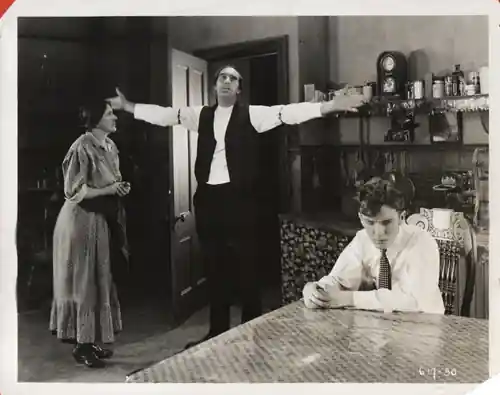
At the heart of West of the Water Tower lies a narrative that is both universally relatable and uniquely poignant. The story of Guy and Bee, a young couple who find themselves at the mercy of societal whims after their marriage is deemed potentially illegitimate, resonates deeply. Their journey, marked by the trials of ostracism, separation, and the ultimate quest for vindication, is a powerful exploration of the human spirit's capacity to endure and persevere in the face of adversity.
The performances by the cast, particularly Allen Baker and May McAvoy, bring a level of authenticity to the film that is remarkable for its era. Their portrayal of Guy and Bee's relationship, with all its nuances and complexities, is heartfelt and convincing, making the audience's emotional investment in their story all the more palpable. The supporting cast, including Glenn Hunter and Zasu Pitts, adds depth and dimension to the narrative, enriching the film's thematic explorations.
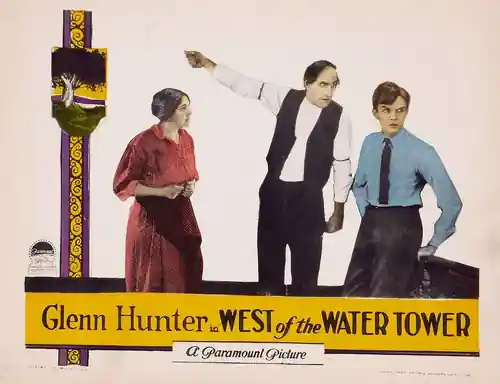
One of the most compelling aspects of West of the Water Tower is its thoughtful examination of societal norms and the consequences of nonconformity. The film sheds light on the rigid structures that governed personal relationships in the early 20th century, highlighting the often devastating repercussions for those who failed to adhere to these expectations. This theme is poignantly illustrated through the couple's experiences, as they face not only the disapproval of their community but also the legal ambiguities surrounding their marriage.
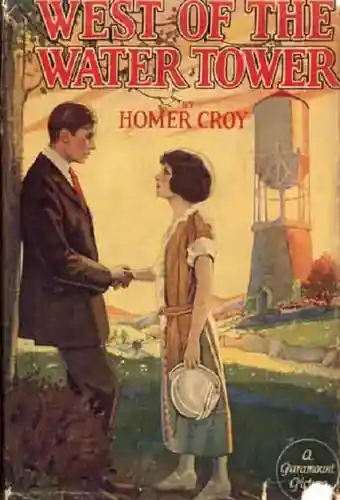
In comparison to other films of the silent era, such as The Week-End and The Awakening of Helena Ritchie, West of the Water Tower stands out for its nuanced handling of complex social issues. While films like Marriage a la Mode and Western Pep also explored themes of marriage and societal expectations, West of the Water Tower delves deeper into the emotional and psychological impacts of these themes on its characters.
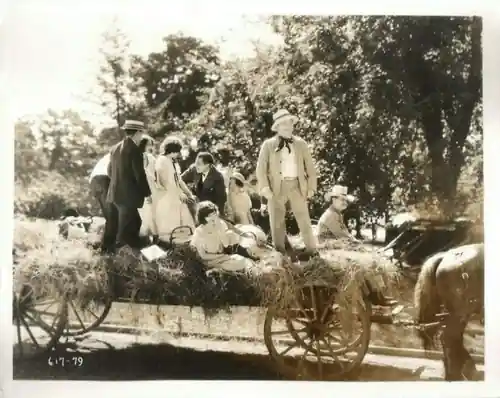
The cinematography of West of the Water Tower is noteworthy for its use of dark orange and yellow hues to convey the emotional states of the characters and the unfolding drama. The sea blue tones that dominate the film's palette serve as a constant reminder of the societal backdrop against which Guy and Bee's story unfolds. This thoughtful use of color adds a layer of depth to the narrative, visually representing the emotional journey of the protagonists.
The resolution of the film, where the squire produces the marriage certificate after reading about Guy's situation in a newspaper, serves as a powerful commentary on the role of community and the importance of legal and social recognition of personal relationships. This climax not only vindicates Guy and Bee but also underscores the transformative power of knowledge and understanding in breaking down societal barriers and fostering acceptance.
In conclusion, West of the Water Tower is a masterpiece of silent cinema that continues to resonate with audiences today. Its exploration of love, societal pressure, and the quest for legitimacy is timeless, and its characters' struggles and triumphs serve as a poignant reminder of the human experience. As a work of cinematic art, it stands alongside other classics of the era, such as Bringing Home the Bacon, The Checkmate, and Faith, as a testament to the enduring power of film to capture and convey the complexities of human emotion and experience.
For those interested in exploring more films from this era, The Pit, The Mysteries of Myra, Heroes of the Cross, In the Days of Saint Patrick, The Tiny Kingdom of Montenegro, It's a Gift, Maria Rosa, and Blue Jeans are highly recommended. Each of these films offers a unique perspective on the human experience, exploring themes that are just as relevant today as they were during the silent film era.
IMDb 6
1924
Community
Log in to comment.