DbcultAccessing Vault...
Cult Review
Senior Film Conservator
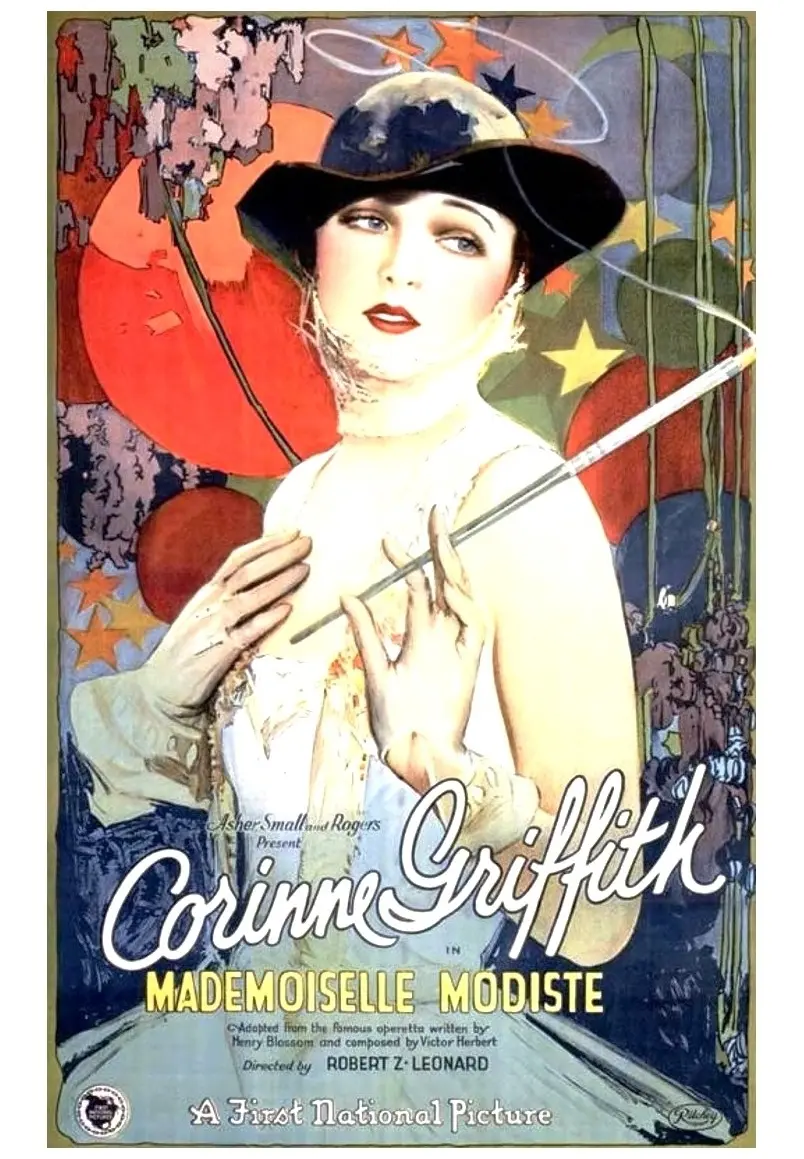
Is it possible to truly judge a film that no longer exists in its physical form? Short answer: Yes, through the lens of historical impact and the creative DNA of its stars, though you cannot actually sit down to view it today.
This film is strictly for cinema historians, silent era enthusiasts, and those obsessed with the 'Orchid of the Screen,' Corinne Griffith. It is definitively not for the casual viewer who requires a high-definition digital file to appreciate narrative art.
This film works because it leveraged the peak of Corinne Griffith’s independent production power to elevate a standard operetta into a high-fashion melodrama.
This film fails because the transition from a music-heavy Broadway hit to a silent medium stripped away Victor Herbert’s primary weapon—his score—leaving the plot to lean heavily on tired class tropes.
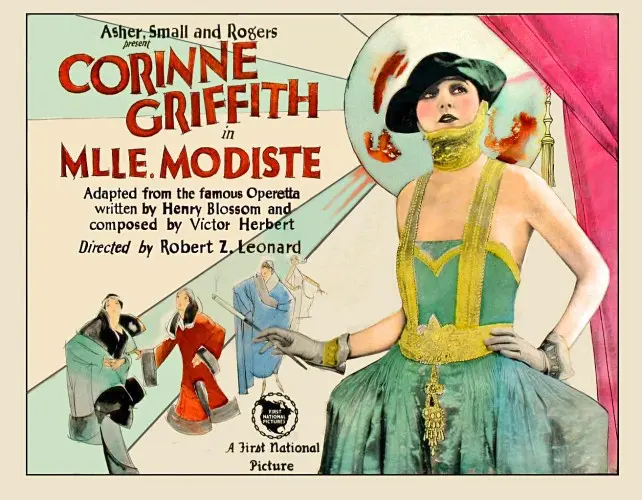
You should watch it if you are researching the evolution of the 'shopgirl' archetype in 1920s cinema or the directorial transition of Robert Z. Leonard.
Mademoiselle Modiste (1926) occupies a haunting space in film history. It is a 'lost' film, a victim of nitrate decomposition or simple neglect. Yet, its shadow looms large over the mid-20s.
Produced by Griffith’s own company, it represents a moment when female stars held the reins of their own destinies. Griffith wasn't just a face; she was a mogul. This film was her attempt to compete with the lavishness of MGM.
The story, based on the 1905 operetta, was already a bit dusty by 1926. However, Griffith’s involvement promised a level of sophistication that the stage version lacked. She brought a quiet, simmering intelligence to Fifi.
In many ways, the film shares a thematic soul with Griffith's other works, such as The Payment. Both explore the precarious position of women navigating financial and romantic independence.
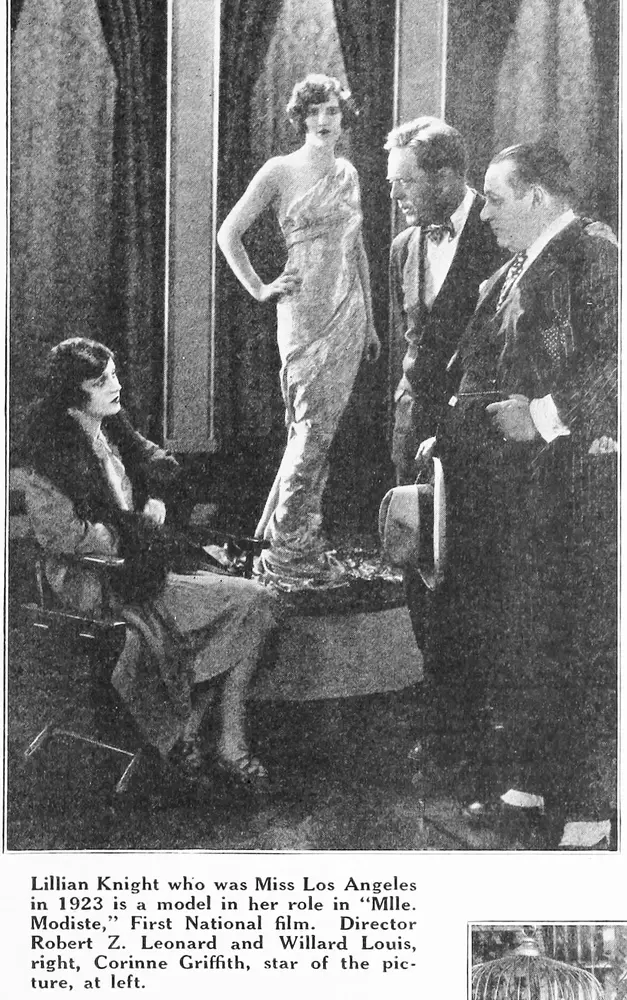
Robert Z. Leonard was a director who understood the language of luxury. In Mademoiselle Modiste, he reportedly utilized expansive sets that made the Parisian hat shop feel like a cathedral of commerce.
Contrast this with the grittier realism found in films like The Exiles. Leonard wasn't interested in the dirt; he wanted the shimmer. His pacing was known to be deliberate, almost rhythmic.
One specific sequence, described in contemporary trade journals, involved a grand ball where Fifi must hide her working-class roots. Leonard used lighting to isolate Griffith, making her appear as a glowing specter among the vultures of high society.
This focus on the 'star glow' was a hallmark of his style. It worked. But it was flawed. By prioritizing Griffith’s radiance, the supporting cast, including Norman Kerry, often felt like cardboard cutouts.
In a silent film about a modiste, the costumes are the dialogue. Griffith was famous for her wardrobe, and here, the clothes told the story of her character’s social climbing.
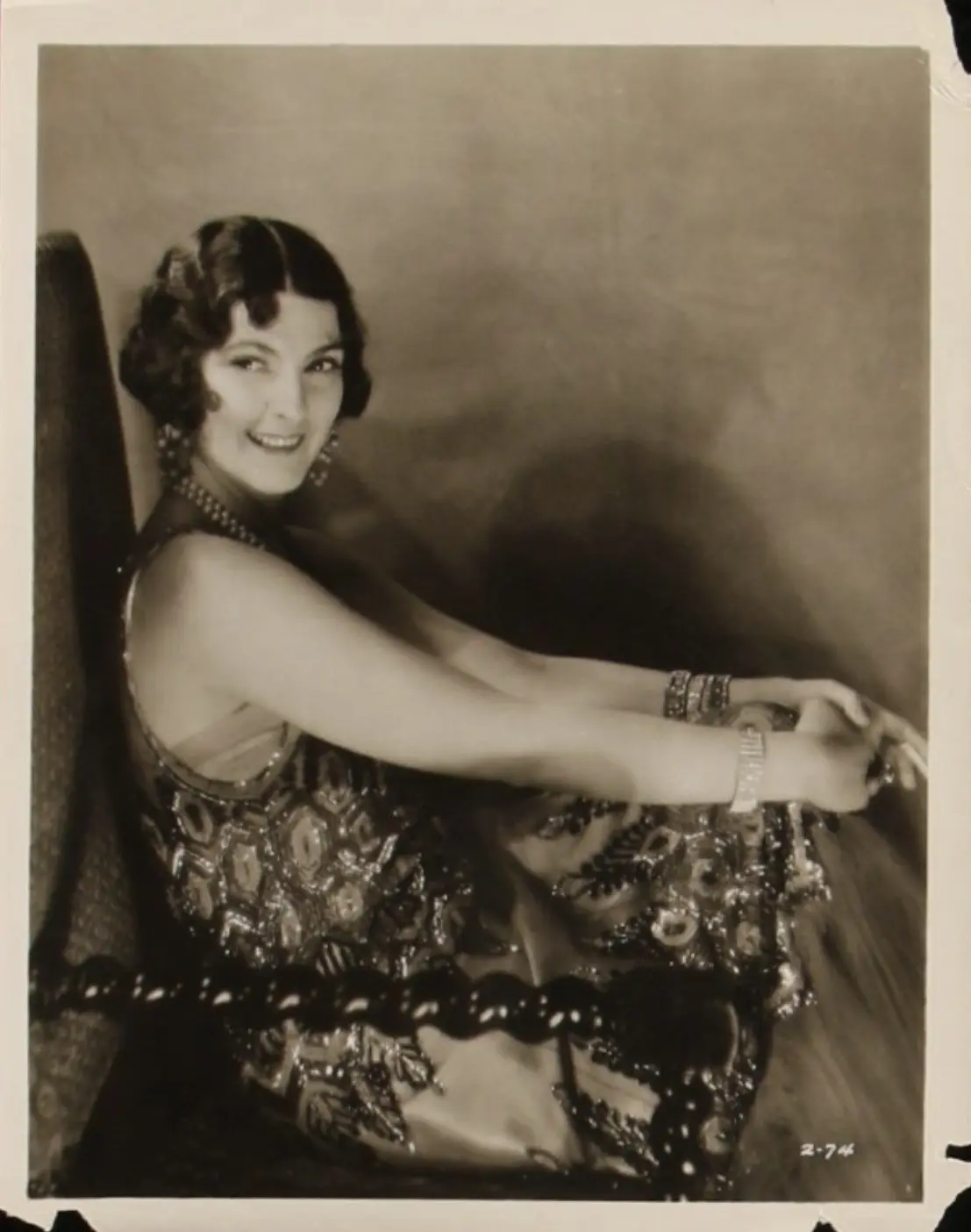
Every hat, every lace trim was a plot point. This wasn't just vanity; it was a visual representation of Fifi’s labor and her dreams. It’s a shame we can only see these in grainy production stills now.
Compare this to the more rugged visual storytelling in The Last Frontier. While that film dealt with the physical landscape, Mademoiselle Modiste dealt with the landscape of the silk and the seam.
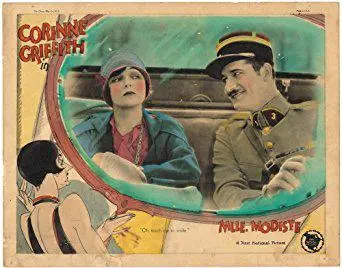
There is a brutal simplicity to the way the film treats fashion as a weapon. In the hands of the wealthy, it is a barrier. In Fifi’s hands, it is a ladder. This is a punchy, effective bit of social commentary.
Mademoiselle Modiste is a cinematic phantom that demands our respect. While the footage is gone, the blueprint of the film reveals a sophisticated attempt to merge Broadway prestige with Hollywood glamour. It is a vital chapter in the career of Corinne Griffith.
If a print were discovered tomorrow, it would be a major event. Why? Because it captures a specific transition in film history where the 'musical' was trying to find its voice without sound.
The 1930 talkie remake, Kiss Me Again, failed to capture the same magic. It lacked Griffith’s specific, haunting presence. The silent version was, by all accounts, the superior artistic achievement.
Pros:
- Griffith’s commanding performance as a self-made woman.
- High production values that rivaled the major studios of the time.
- A nuanced look at the fashion industry’s class dynamics.
Cons:
- The film is currently lost, making a direct viewing impossible.
- The plot relies on several coincidences that feel dated by modern standards.
- The absence of the original score hurts the emotional resonance.
Griffith was often called the 'Orchid of the Screen,' a title that suggests something fragile. But her work in Mademoiselle Modiste proves she was anything but. She was the engine of this film.
She took a role that could have been a simple damsel and turned it into a study of grit. Fifi is a worker. She has calloused fingers and a sharp mind. This was a radical departure from the passive heroines of the decade.
Even in other genres, like the action-oriented The Fighting Brothers or the mystery of A Bit of Jade, we rarely see this level of character agency.
The film also featured a strong supporting turn by Rose Dione. The chemistry between the female leads provided a backbone of female solidarity that was often missing from the male-dominated features of First National.
When we look at other lost or rare films like Pampered Youth or The Other Side, Mademoiselle Modiste stands out for its sheer scale. It wasn't a B-movie; it was a flagship release.
The tragedy of its loss is compounded by the fact that it was a personal project for Griffith. It wasn't just a job; it was her vision of what a modern woman could be on screen.
The film’s failure to survive is a reminder of the fragility of our cultural heritage. We are left with fragments, reviews, and the echo of Griffith’s ambition.
Mademoiselle Modiste is a masterpiece of intention, if not of extant celluloid. It represents the pinnacle of the silent fashion melodrama. While we cannot watch the film, we must acknowledge its role in shaping the persona of one of the era’s most powerful women. It is a ghost worth chasing. It is a story that, even in its absence, continues to speak to the struggle for identity in a world obsessed with appearances. It is flawed in its reliance on operetta tropes, but it is monumental in its execution.
IMDb 6.8
1916
Community
Log in to comment.