DbcultAccessing Vault...
Cult Review
Senior Film Conservator
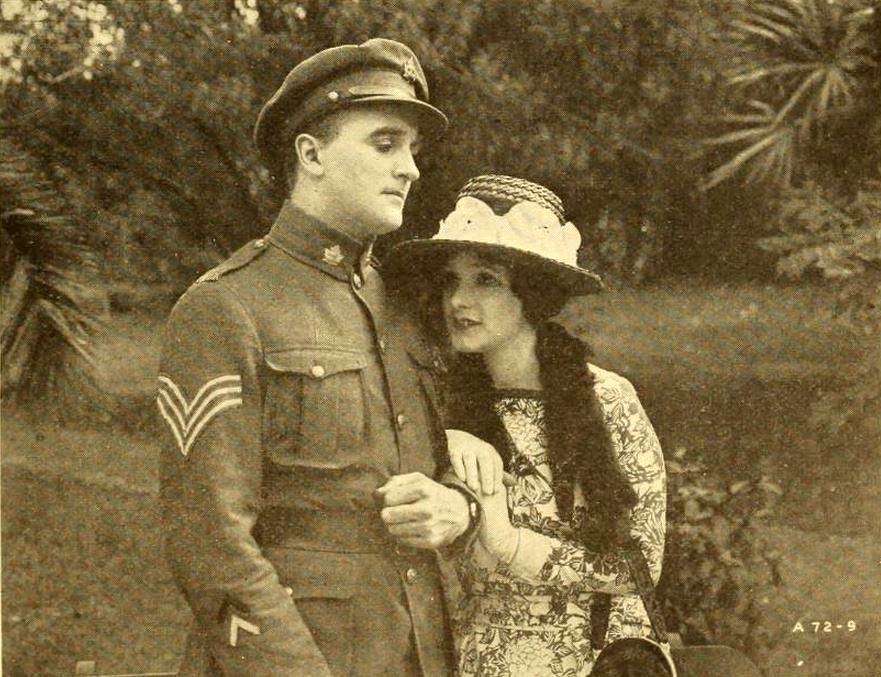
"Eyes of the Soul," a poignant cinematic artifact from 1919, emerges from an era grappling with the profound societal shifts and personal traumas wrought by the Great War. This film, penned by George Weston and Eve Unsell, is less a mere melodrama and more a piercing examination of human altruism versus the siren call of material comfort. It captures a particular zeitgeist, one where the sacrifices demanded by global conflict extended far beyond the battlefield, permeating the domestic sphere and forcing individuals to confront their deepest values. The narrative, anchored by Elsie Ferguson's compelling performance, navigates the treacherous waters of love, duty, and self-abnegation, presenting a moral dilemma that resonates with an almost uncomfortable clarity even today.
At its core, the picture introduces us to a young woman, a restaurant entertainer, whose effervescent spirit belies the potentially stark realities of her station. She exists in a liminal space, captivating patrons with her charm and talent, yet always on the periphery of the opulence she helps to animate. Her vivacity, however, is not merely a stage persona; it is an intrinsic part of her character, a wellspring of resilience and genuine warmth. This fundamental goodness is what draws the attention of a wealthy gentleman, a suitor who represents an escape from her current existence, promising a life of ease, security, and perhaps, societal elevation. The allure of such a future is not to be underestimated, especially in a post-war landscape where stability was a precious commodity. For many women of the period, marriage into wealth offered a definitive pathway to a life free from financial precarity, a dream that films like Daddy-Long-Legs often romanticized, albeit with different underlying motivations.
However, "Eyes of the Soul" artfully steers away from such conventional romantic arcs. The protagonist's journey takes a dramatically divergent path when she encounters a soldier, a veteran whose return from the front is marred by an irreversible blindness. This encounter is not merely incidental; it is a catalyst, a moment of profound moral reckoning. The soldier, stripped of his physical sight, embodies a vulnerability that calls to something deeper within her than the superficial attractions of wealth. He represents the stark, unvarnished consequences of war, a living testament to the sacrifices made for a nation. His helplessness, rather than repelling her, ignites a fierce protectiveness and an empathetic connection that transcends the material. This narrative choice elevates the film beyond simple romantic drama, imbuing it with a sense of profound humanism.
Elsie Ferguson's portrayal of this unnamed, yet indelibly memorable, young woman is a masterclass in silent film acting. Her expressive eyes and subtle gestures convey a complex inner life, articulating the internal struggle between self-interest and selfless devotion without the aid of dialogue. She doesn't just play a character; she *becomes* the embodiment of a moral quandary. The audience witnesses her grappling with the opulent future promised by the wealthy suitor — a life of comfort, perhaps even love, albeit one circumscribed by societal expectations — against the arduous, uncertain path of caring for a blinded veteran. It is a choice that demands not just affection, but an unwavering commitment to a life of service, a profound act of compassion that would undoubtedly redefine her entire existence. This kind of profound personal sacrifice for a greater good or a loved one was a recurring motif in the cinema of the era, seen in films exploring the aftermath of conflict and social duty, though few articulated it with such directness as "Eyes of the Soul."
The wealthy suitor, while not a villain, serves as a crucial foil. He represents the path not taken, the conventional ideal of happiness defined by financial security and social standing. His earnestness, perhaps even his genuine affection, makes the protagonist's ultimate decision all the more impactful. It is not a rejection of a bad man, but a conscious renunciation of a certain *type* of life, a declaration that her happiness is not contingent upon external validation or material acquisition. His presence underscores the weight of her choice, highlighting the tangible benefits she willingly foregoes. This nuanced portrayal prevents the film from descending into simplistic good-versus-evil dichotomies, instead focusing on the complex interplay of human motivations and moral imperatives.
The blinded soldier, on the other hand, is presented with an almost tragic nobility. His injury is not merely a plot device but a symbol of the profound cost of war, a visceral reminder of the fragility of human existence and the enduring need for empathy and care. His helplessness evokes not pity, but a deeper call to human connection. The film subtly suggests that while his physical eyes are closed, his inner vision, perhaps honed by suffering, may be more attuned to genuine affection and sincerity. His dependence becomes a conduit for the protagonist's ultimate act of love, transforming a potential burden into a profound spiritual bond. The film suggests that true sight lies not in the eyes, but in the heart, a theme echoed, albeit differently, in other narratives of personal transformation and enlightenment, such as The Island of Regeneration, which also explored profound personal change.
The thematic richness of "Eyes of the Soul" is undeniable. It delves into the nature of true happiness, suggesting it is found not in acquisition or societal approval, but in selfless giving and profound connection. It questions the very definition of "a good match," positing that a union forged in compassion and mutual need can be infinitely more valuable than one based on material advantage. The film champions a radical form of love, one that sees beyond physical imperfections or social disparities, embracing vulnerability and shared humanity. This bold statement, made in an era often characterized by rigid social structures, is a testament to the progressive sensibilities of writers George Weston and Eve Unsell. Their script, even without spoken dialogue, communicates these complex ideas with remarkable clarity and emotional depth.
From a directorial standpoint, the film, under the guidance of its helmer, effectively utilizes the visual language of silent cinema to convey emotion and narrative progression. Close-ups on Elsie Ferguson's face are particularly effective, allowing the audience to witness the subtle shifts in her resolve and the burgeoning depth of her feeling. The pacing, while deliberate, never drags, maintaining a steady emotional build-up towards her ultimate, life-altering decision. The use of intertitles is judicious, providing necessary exposition without overwhelming the visual storytelling. The aesthetic choices, typical of the period, prioritize clarity and emotional resonance, ensuring that the audience remains fully invested in the protagonist's moral journey.
Comparing "Eyes of the Soul" to other films of its era provides valuable context for its unique narrative. While films like The Habit of Happiness might explore resilience and finding joy amidst adversity, "Eyes of the Soul" elevates the concept to a level of profound personal sacrifice. It's not just about *finding* happiness, but about *creating* it through an act of radical empathy. Similarly, while Victory might celebrate triumph over external odds, "Eyes of the Soul" focuses on an internal victory, a triumph of the spirit over self-interest. The protagonist's choice echoes a similar rejection of superficiality seen in films that critique social climbing or material obsession, though here, the stakes feel palpably higher, imbued with the weight of post-war recovery and national duty. The individual's moral compass becomes the true north, guiding them away from the expected and towards the profoundly meaningful. One might also draw parallels to The Crisis in its portrayal of individuals navigating monumental societal upheaval.
The film's exploration of a woman's agency, even within the confines of early 20th-century societal expectations, is particularly noteworthy. While she chooses a path of service, it is unmistakably *her* choice, made with full awareness of its implications. She is not a passive recipient of fate but an active shaper of her destiny, albeit one guided by an extraordinary moral compass. This portrayal of female fortitude and independent decision-making, even when those decisions lead to lives of quiet devotion rather than public triumph, offers a compelling counter-narrative to more conventional portrayals of women as solely objects of romantic pursuit or domesticity. Her strength lies not in physical prowess or intellectual superiority, but in the unwavering conviction of her heart. This aligns with the spirit of stories where individuals defy expectations for personal conviction, much like themes sometimes touched upon in The Loyal Rebel, though in a much different context.
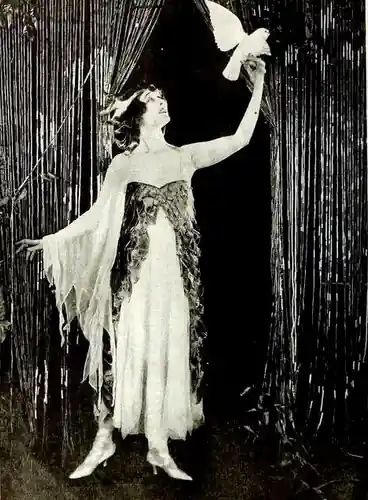
The ensemble cast, though primarily serving as support to Ferguson's central performance, contributes effectively to the film's emotional landscape. Charles W. Charles and Wyndham Standing likely embody the contrasting figures of the wealthy suitor and the blinded soldier, respectively, their performances crucial in grounding the protagonist's dilemma. D.J. Flanagan, George Backus, G. Durpee, and Cora Williams, though perhaps in smaller roles, would have added texture to the world of the restaurant and the broader societal backdrop against which this intensely personal drama unfolds. Each character, no matter how minor, plays a part in illustrating the societal pressures and personal connections that inform the protagonist's monumental choice.
"Eyes of the Soul" stands as a powerful testament to the enduring power of silent cinema to convey complex human emotions and profound moral statements. It asks its audience to consider what truly constitutes a rich life, challenging the superficial metrics of wealth and status against the immeasurable value of compassion and selfless love. The film doesn't merely present a story; it poses a question: What are we willing to sacrifice for genuine connection and authentic purpose? The answer, as articulated through the protagonist's unwavering choice, is that true happiness often lies not in what we gain, but in what we are willing to give. This message, perhaps more vital than ever, elevates "Eyes of the Soul" from a historical curio to a timeless meditation on the human spirit.
The legacy of "Eyes of the Soul" lies not in grand spectacle or revolutionary technique, but in its understated yet deeply impactful exploration of the human heart. It is a film that speaks to the quiet heroism found in everyday choices, the profound courage required to follow one's moral conviction against the tide of societal expectation. It reminds us that empathy is not a passive emotion but an active force, capable of reshaping destinies and forging bonds that transcend conventional understanding. In an era still reeling from the ravages of war, a film that champions such profound acts of human kindness would have undoubtedly resonated deeply, offering a beacon of hope and a reaffirmation of the enduring power of love in its purest, most sacrificial form. It’s a compelling reminder that the true richness of life often resides in the unseen, in the profound connections forged through shared vulnerability and unwavering support. This theme of profound personal commitment and finding purpose through helping others can also be seen, in a different vein, in The Legacy of Happiness.
This narrative, crafted by Weston and Unsell, is a masterclass in portraying ethical dilemmas without resorting to didacticism. It allows the audience to witness the protagonist's internal struggle, her reasoning, and ultimately, her resolute decision, without imposing a judgment. Instead, it invites reflection, prompting viewers to consider their own values and what they might prioritize when faced with similar, albeit less dramatic, forks in the road. The film doesn't preach; it demonstrates, through the compelling journey of its central character, the transformative power of a love that looks beyond the surface, seeing instead the inherent dignity and profound need of another soul. It's a quiet triumph, a film whose power resides in its gentle yet firm insistence on the supremacy of the spirit over fleeting material concerns.
The enduring appeal of "Eyes of the Soul" stems from its universal themes. While set in a specific historical context, the core conflict – the choice between personal comfort and selfless devotion – is one that transcends time and culture. It's a narrative that challenges us to look beyond superficial appearances and societal pressures, to seek out and nurture the deeper connections that truly enrich human existence. The film, in its quiet elegance, argues that true vision belongs not to the eyes that see, but to the heart that feels, understands, and ultimately, chooses to care. This profound message ensures its continued relevance, inviting new generations to ponder the true meaning of sacrifice and the boundless capacity of the human spirit for love.

IMDb 5.5
1918
Community
Log in to comment.