DbcultAccessing Vault...
7.6/10
Senior Film Conservator
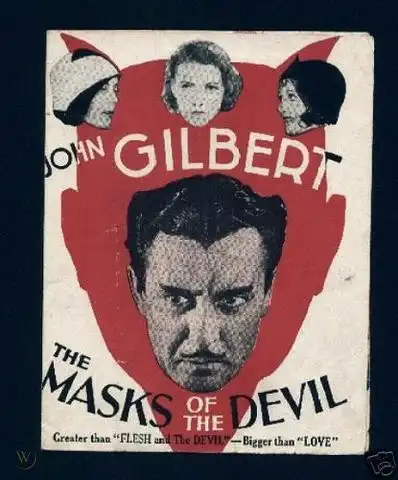
A definitive 7.6/10 rating for a film that redefined the boundaries of cult cinema. The Masks of the Devil remains a cornerstone of transgressive art.
For dedicated silent film enthusiasts, particularly those with a fondness for the grand romantic gestures and moral quandaries of the era, The Masks of the Devil offers a compelling, if occasionally frustrating, experience. John Gilbert’s performance alone might justify a viewing for his admirers, showcasing his undeniable star power. However, casual viewers seeking modern pacing, subtle character development, or a narrative free of overt melodrama will likely find its rhythms challenging and its emotional beats overstated.
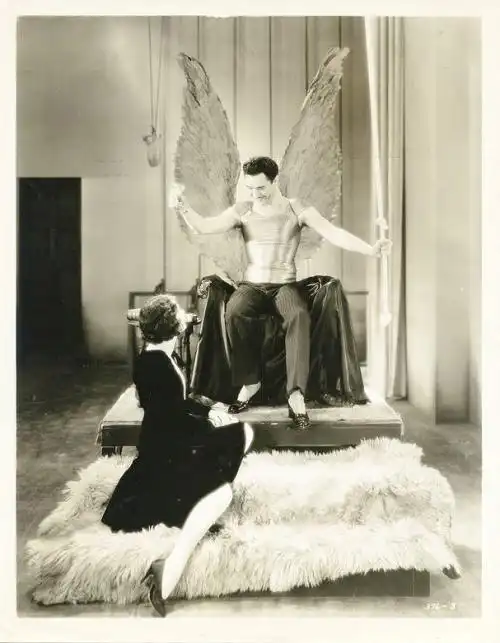
John Gilbert, as Baron Reiner, is undoubtedly the film’s magnetic center. He embodies the 'devil' of the title with a suave, almost effortless charm that makes his villainy all the more insidious. His eyes, often narrowed slightly, convey a calculating intelligence beneath the veneer of bonhomie. He doesn't just play a cad; he plays a man who genuinely believes he's entitled to whatever he desires, and Gilbert sells that conviction completely. His performance is a testament to why he was such a colossal star, managing to convey complex motivations with minimal gestures and expressive glances. There’s a particular scene where he’s watching Virginia from across a crowded room, his smile never quite reaching his eyes, a small, unsettling detail that speaks volumes about his intentions.
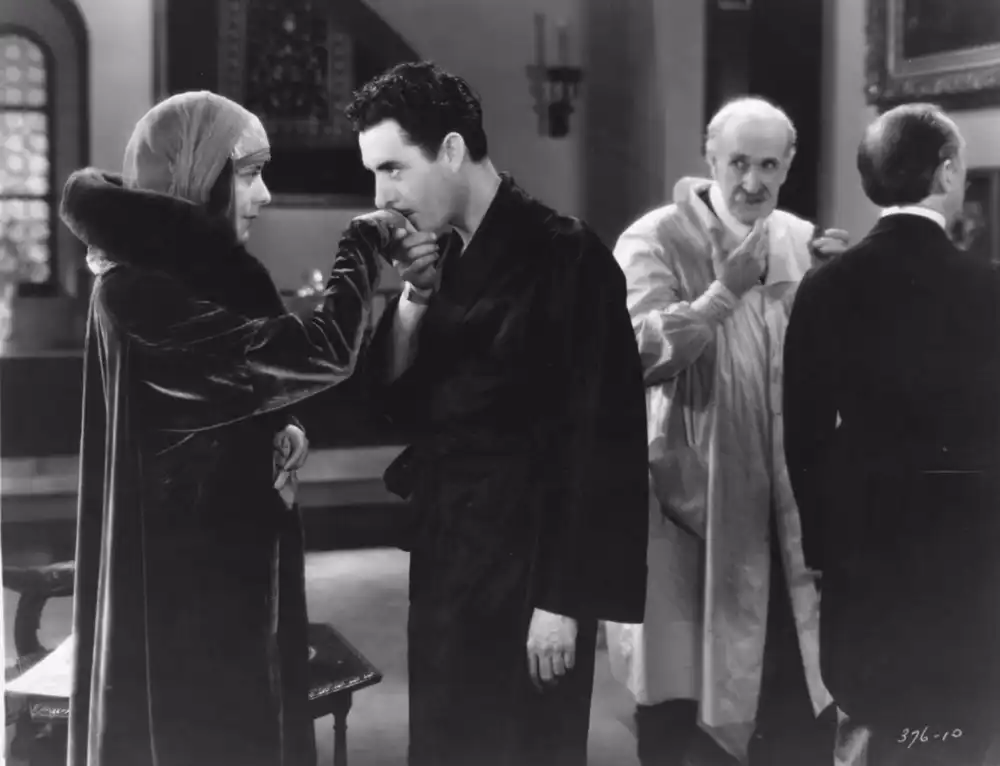
Alma Rubens, as Virginia, carries the burden of innocence and subsequent disillusionment. Her portrayal is earnest, perhaps even a little too wide-eyed in the beginning, which makes her eventual fall feel both inevitable and tragic. She excels in the moments of emotional distress, her silent screams and tear-filled gazes conveying a genuine sense of betrayal. Ralph Forbes, as Manfred, is suitably upright and trusting, almost to a fault. His earnestness serves as a stark contrast to Gilbert’s predatory nature, though his character is largely a plot device, existing to be manipulated and then return for the inevitable confrontation.
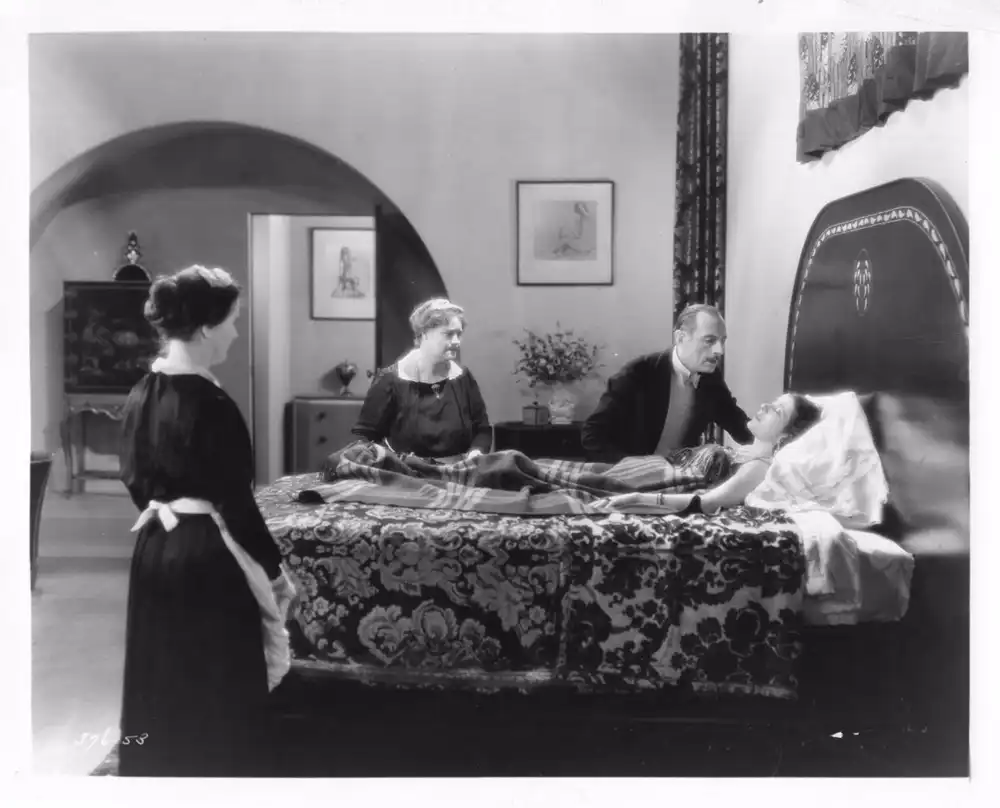
Director Svend Gade, working from a script with multiple hands, crafts a film that oscillates between charming Viennese society drama and a more sinister psychological study. The initial scenes, establishing the innocent Virginia and the earnest Manfred, have a certain lightness, a breezy energy that quickly dissipates once Baron Reiner fully enters the frame. The film takes its time building Reiner's machinations, allowing Gilbert's charismatic villainy to slowly unfurl. This deliberate pace, while occasionally feeling drawn out in its early exposition, ultimately serves to heighten the tension as Reiner's trap closes around Virginia.
One particular sequence, where Reiner subtly plants the idea of the oceanographic expedition in Manfred’s mind, is a masterclass in silent film suggestion. Gilbert uses a slight shrug, a perfectly timed glance at Manfred, and a dismissive wave of his hand to convey a casual suggestion that masks deep calculation. It’s a moment that avoids heavy-handed title cards, relying instead on pure visual storytelling. However, this commitment to a slower build-up means that some viewers might find the middle act, where Reiner's seduction plays out, to feel somewhat repetitive in its emotional beats, though never entirely losing its grip.
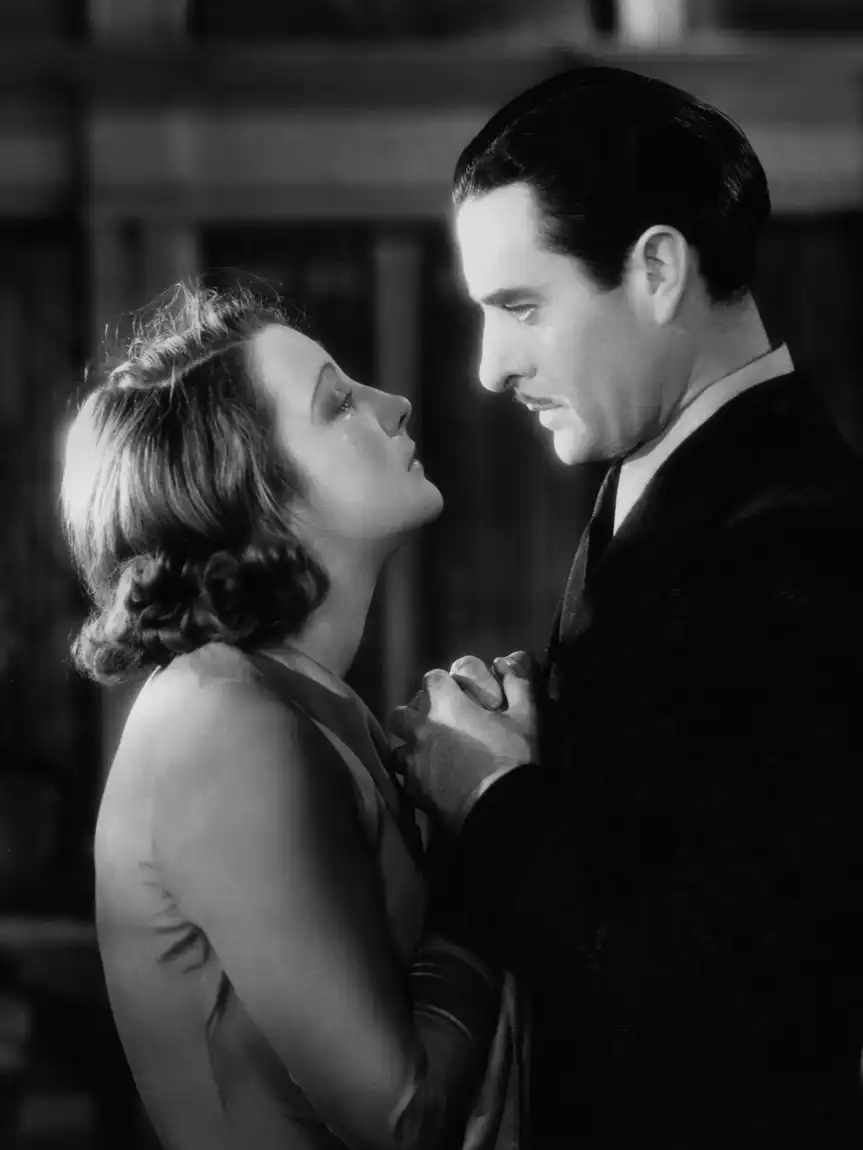
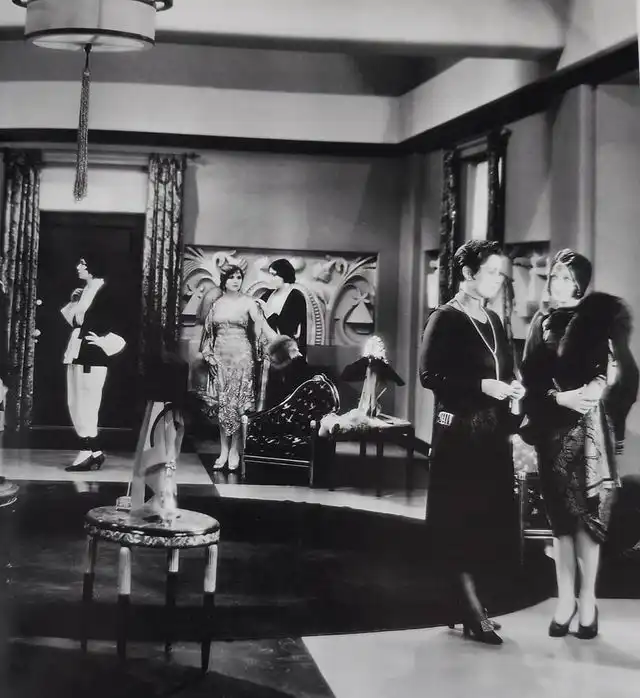
Visually, The Masks of the Devil is a handsome production. The Viennese settings are evoked with convincing grandeur, from the opulent interiors of Reiner’s estate to the bustling, if somewhat idealized, city streets. The lighting, particularly in Reiner’s private study, uses deep shadows and stark contrasts to hint at the darker aspects of his character, a visual motif that effectively underscores the narrative’s moral ambiguity. A standout visual detail involves Virginia’s initial wardrobe; she’s often seen in lighter, simpler dresses, almost childlike in their design, which visually emphasizes her vulnerability before Reiner's influence takes hold and her attire subtly shifts to reflect a more 'worldly' appearance, though still within the bounds of period fashion.
The editing, while largely conventional for the era, has moments of genuine sharpness, particularly during the escalating tension of Reiner’s pursuit. There’s an effective cross-cutting sequence between Manfred's ship slowly departing and Reiner making his first bold move on Virginia, an almost primal visual metaphor for the distance growing between the lovers and the immediate threat closing in.
The film’s greatest strength lies in its central conflict and Gilbert’s magnetic performance. It successfully builds a sense of dread and moral decay, challenging the audience to root for a character who is, by all accounts, a villain. The period atmosphere is well-realized, transporting the viewer effectively. However, the melodrama sometimes verges on the overwrought, a common pitfall for silent features but one that might test modern sensibilities. The resolutions, when they come, feel somewhat rushed compared to the deliberate build-up, leaving some emotional threads feeling slightly untied. For instance, the exact impact of Manfred’s return on Reiner’s psychological state feels somewhat abbreviated, given the depth Gilbert imbues into the character earlier.
Ultimately, The Masks of the Devil is a fascinating artifact of its time, showcasing the dramatic power of silent cinema and the undeniable star quality of John Gilbert. It’s a film that demands patience but rewards it with a compelling, if morally bleak, tale of seduction and betrayal. While not a universally accessible film today, it remains an important piece for understanding the evolution of cinematic storytelling and the enduring appeal of a charismatic antagonist. If you’re willing to immerse yourself in its period rhythms, there’s much to appreciate here, particularly in Gilbert’s nuanced portrayal of a man whose charm is his most dangerous weapon.
IMDb —
1920
Community
Log in to comment.