DbcultAccessing Vault...
Cult Review
Senior Film Conservator
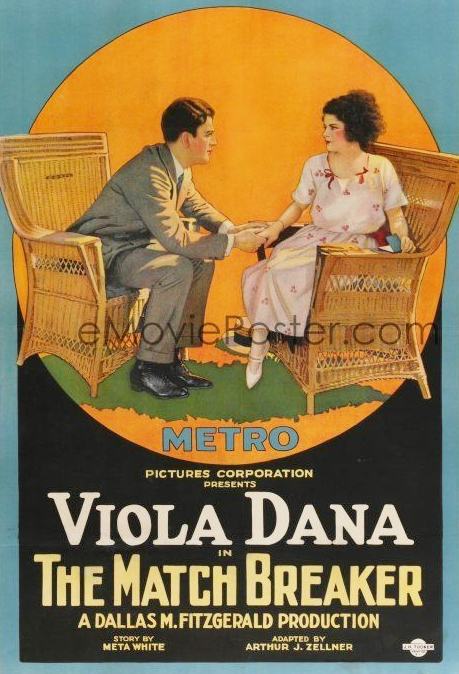
Deconstructing Desire: The Irony of Liberation in *The Match-Breaker*
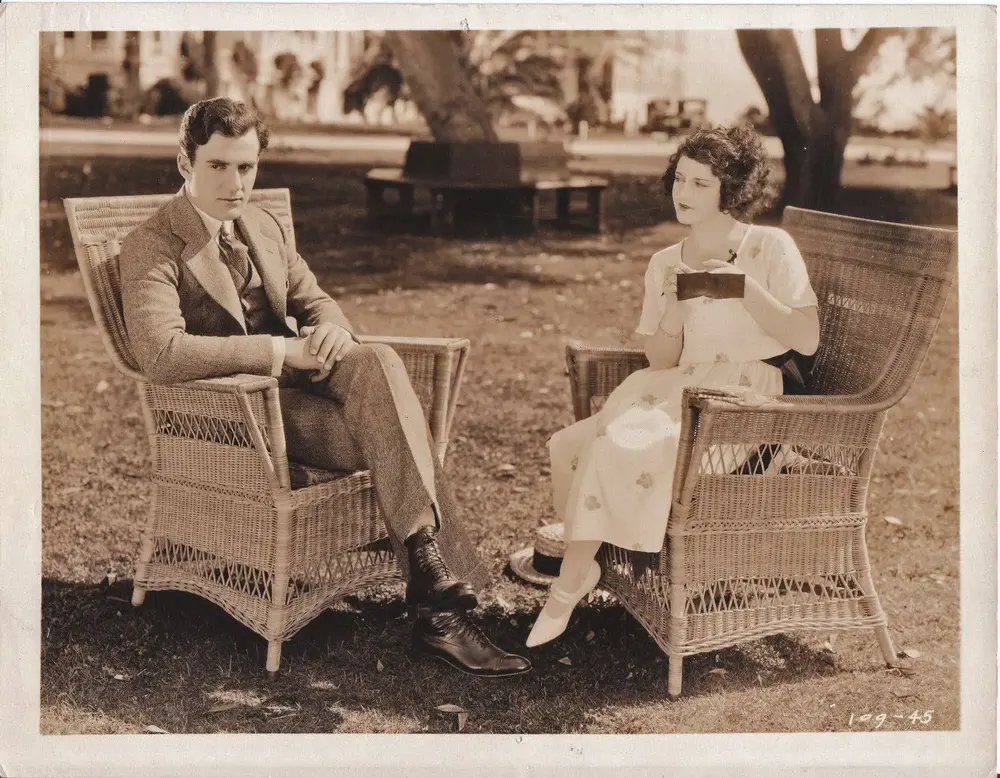
The Match-Breaker, a 1926 silent film directed with a scalpel’s precision by Arthur J. Zellner and Metta White, is a masterclass in narrative subversion. At its core lies Jane Morgan (Julia Calhoun), whose flight from the domestic gilded cage of her family lawyer Richard Van Loytor is less an act of romantic rebellion than a calculated pivot toward self-determination. Yet, in her pursuit of independence, she adopts the guise of a 'match-breaker,' a role that paradoxically reduces her to the very archetype of manipulation she despises. The film’s genius lies in its refusal to romanticize Jane’s journey; instead, it frames her as both puppet and puppeteer, a duality that echoes the darker corridors of The Picture of Dorian Gray and the moral ambiguity of The Love Mask.
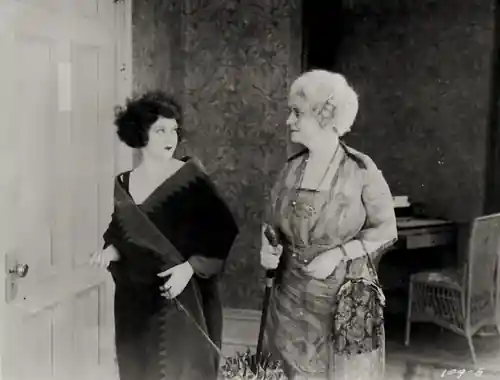
The narrative’s structural audacity is evident in its treatment of gender roles. Jane’s decision to abandon her maid Murray (Viola Dana) in favor of a life of calculated deceit is framed not as a rejection of servitude but as an embrace of a different kind of servitude—one where emotional labor becomes currency. Her initial interactions with Thomas Butler, Jr. (Edward Jobson) are suffused with tension, as the young broker’s desperation to protect his father from widow Madge Lariane (Kate Toncray) mirrors Jane’s own fraught relationship with patriarchal authority. The film’s dialogue, sparse yet loaded, underscores this duality: when Jane is hired to disrupt Madge’s influence over Mr. Butler (Arthur Millett), the transactional nature of their agreement is rendered in clipped, almost clinical exchanges, reminiscent of Daring Hearts’ exploration of love as a battlefield.
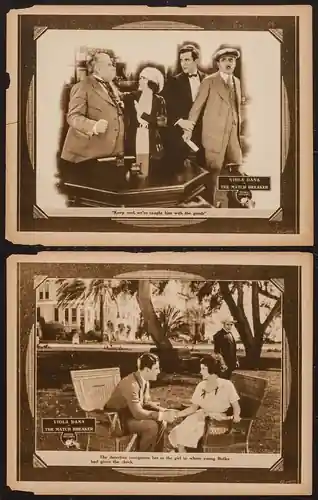
The film’s visual lexicon is equally revelatory. The use of shadow and light—particularly in Jane’s confrontation with Madge on the yacht—transforms the set into a stage for psychological warfare. Madge’s opulent gown, a sapphire-studded monstrosity, becomes a visual metaphor for entrapment, while Jane’s simpler attire, though less ostentatious, is imbued with a quiet menace. This interplay is heightened by the cinematography, which employs tight close-ups to amplify the characters’ internal states, a technique later perfected in The Soul’s Cycle but here rendered with a raw, unpolished edge that feels eerily prescient.
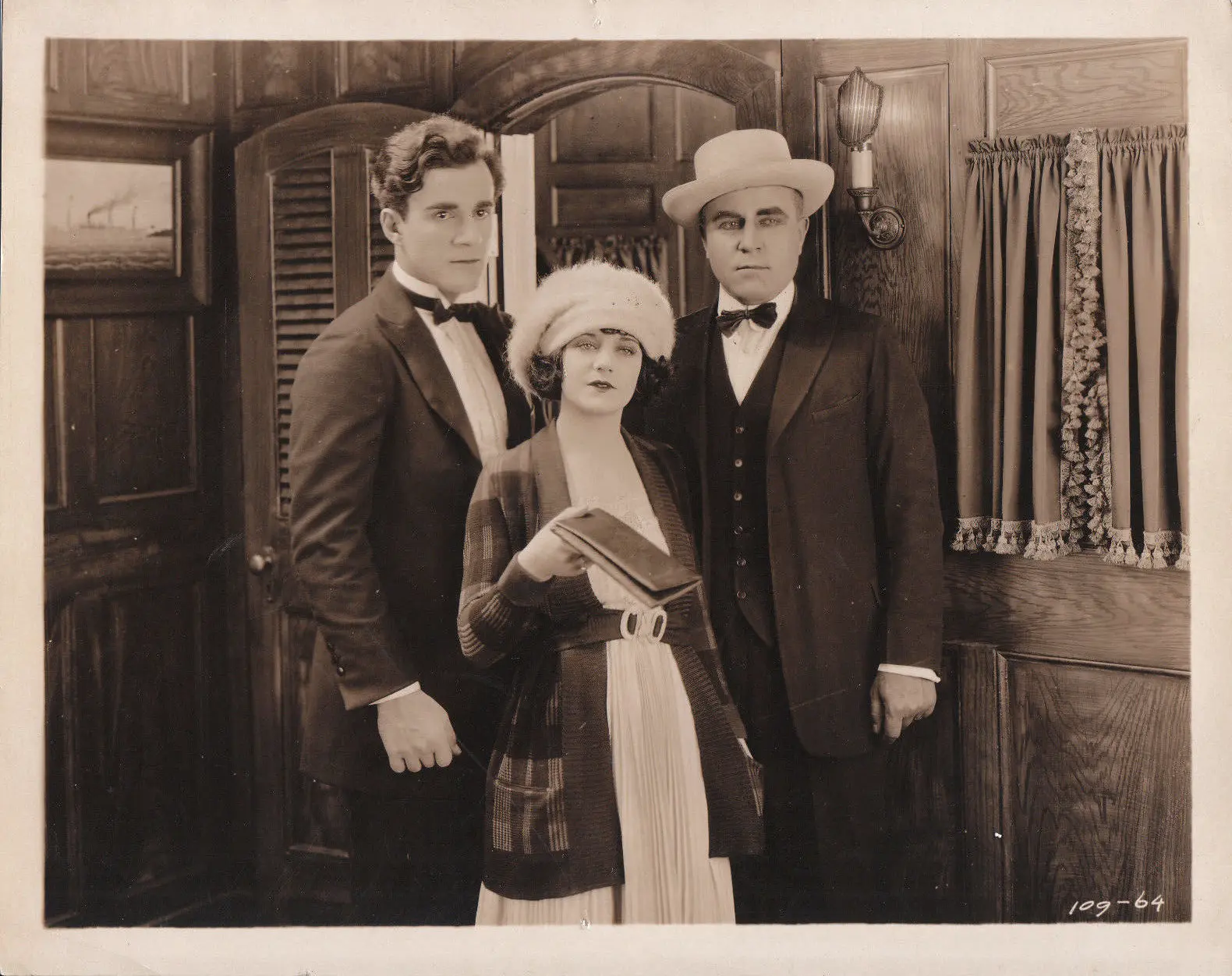
The film’s third act, where Jane is set adrift in a boat—a literal and metaphorical exile—serves as its emotional apex. Rescued by Thomas Butler, Jr., she is thrust into a scenario where her survival hinges on trust, a commodity she has spent the film weaponizing. The sequence’s starkness, juxtaposed with the earlier opulence of the Butler household, underscores the precariousness of Jane’s newfound agency. This moment of vulnerability is not a plot device but a thematic anchor, a reminder that autonomy is often forged in the crucible of dependency. It’s a narrative choice that resonates with the existential dread of Secret Service, though here the stakes are personal rather than political.
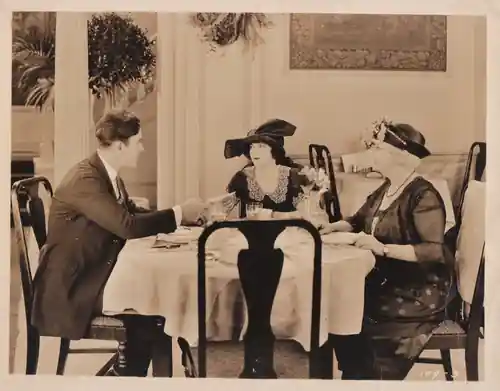
The performances elevate the material to operatic heights. Julia Calhoun’s portrayal of Jane is a study in restraint, her eyes conveying volumes when words fall short. Her chemistry with Edward Jobson, while understated, crackles with the tension of unspoken histories—a dynamic that The Little Church Around the Corner would later exploit with more overt sentimentality. Viola Dana, as Murray, provides a moral compass that is both grounding and quietly subversive, her scenes with Calhoun a testament to the power of understated camaraderie.
Thematically, the film grapples with the illusory nature of freedom. Jane’s final decision to marry Thomas is not a resolution but a provocation, a question mark left dangling in the fog of moral ambiguity. The film’s refusal to offer catharsis—its insistence on ambiguity—is its greatest strength. It challenges the viewer to confront the uncomfortable truth that liberation is often a transactional endeavor, a negotiation with forces both external and internal. This philosophical depth is rare in pre-Code cinema, where such introspection was often sacrificed at the altar of plot expediency.
In the pantheon of early 20th-century cinema, The Match-Breaker holds a singular place. Its exploration of gender, power, and identity transcends its era, offering prescient commentary on the performative nature of autonomy. The film’s legacy is most evident in its influence on later works, such as Happiness, which similarly dissects the paradoxes of self-determination, and You're Pinched, which mines similar thematic terrain with more overt humor. Yet, The Match-Breaker remains unparalleled in its ability to fuse narrative complexity with visual poetry.
The score, though minimal, is a character in its own right. The use of discordant strings during Jane’s moral dilemmas and the swelling brass in moments of triumph creates a sonic landscape that mirrors the film’s emotional volatility. It’s a technique that anticipates the psychological scoring of later classics, though here it is deployed with a starkness that feels both avant-garde and deeply human.
In conclusion, The Match-Breaker is more than a relic of its time—it is a time capsule of ideas. Its exploration of identity, agency, and the cost of rebellion remains startlingly relevant. For those seeking a film that balances narrative audacity with emotional depth, this is a must-watch. As Jane’s story unfolds, it becomes clear that the true match-breaker is not the woman in the shadows but the film itself, dismantling conventions with every frame.
IMDb 5.3
1933
Community
Log in to comment.