DbcultAccessing Vault...
Cult Review
Senior Film Conservator
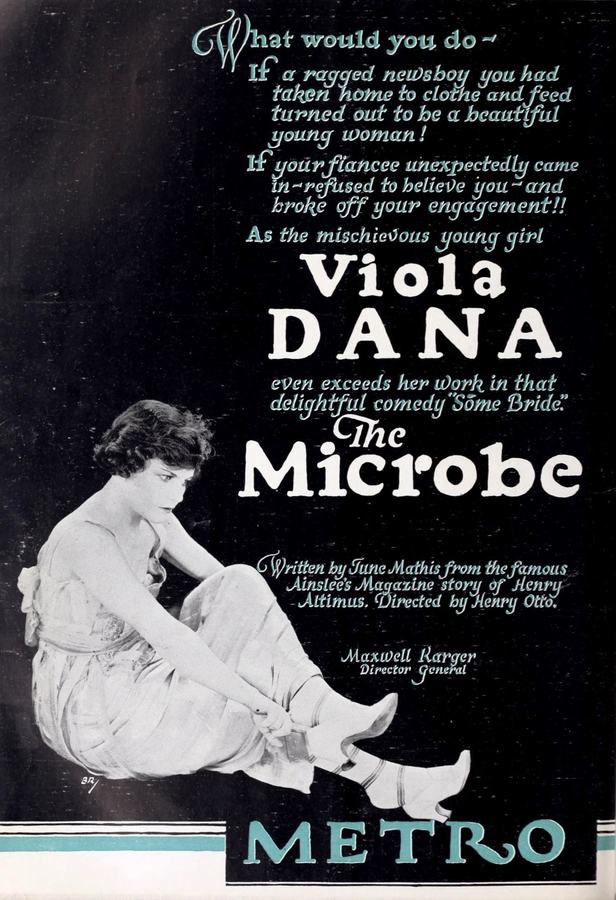
In the pantheon of silent cinema’s gamine archetypes, few performances possess the raw, unvarnished electricity of Viola Dana in The Microbe (1919). This is not merely a tale of social climbing or romantic redemption; it is a fascinating sociological study of survival mechanisms in the pre-Prohibition urban sprawl. Dana’s portrayal of 'Mike'—a girl masquerading as a newsboy to evade the systemic harassment inherent to the Chinatown docks—is a masterclass in physical comedy and pathos. Unlike the ethereal waifs often favored by D.W. Griffith, Dana’s Microbe is a creature of grit and sinew, her movements punctuated by a pugilistic defiance that feels startlingly modern.
The film opens with a visceral immersion into the tenement districts, a stark contrast to the escapist fantasies typical of the era. The cinematography captures the claustrophobic density of the streets, where the Microbe’s identity is her primary currency. When she is 'saved' by DeWitt Spense (Kenneth Harlan), the narrative introduces a complex moral ambiguity. Spense is not a traditional hero; he is a man of privilege seeking a muse in the wreckage of others' lives, a theme that resonates with the darker undercurrents of literary inspiration explored in works like The Bar Sinister.
The relationship between Spense and Mike begins under the guise of an experiment. There is a palpable tension in the mansion scenes, where the Microbe’s untamed energy clashes with the ossified traditions of the upper class. This is where the film’s script, penned by the legendary June Mathis and Henry Altimus, shines. They avoid the saccharine pitfalls of the 'reformed urchin' trope by maintaining Mike’s inherent skepticism. Even as she is draped in fine silks, the ghost of the newsboy remains in her posture and her piercing gaze.
One cannot ignore the provocative inclusion of Spense’s drug-seeking behavior early in the film. It positions him as a man in search of a different kind of high—one he eventually finds in the 'authenticity' of Mike’s struggle. This dynamic mirrors the social voyeurism seen in other contemporary dramas such as A Modern Magdalen, where the upper class treats the plight of the poor as a theatrical curiosity. The transition from Mike being a 'specimen' to a 'woman' is fraught with the gender politics of 1919, yet Dana manages to infuse the role with a sense of agency that transcends the period’s limitations.
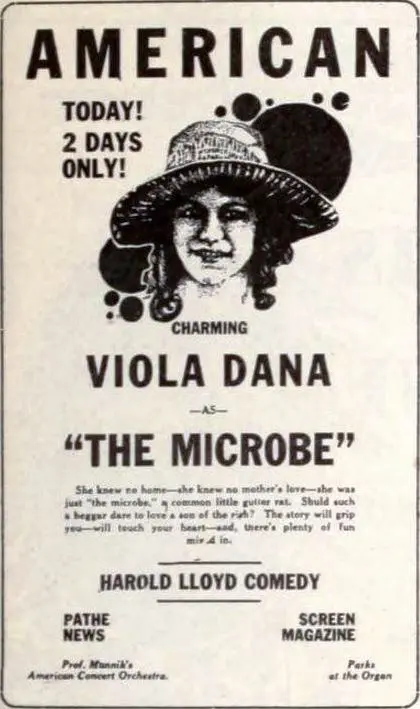
The second act of the film pivots into a fascinating exploration of the written word as a bridge between disparate worlds. When Mike is driven away by the machinations of Judith Winthrope (Bonnie Hill) and Robert Breton (Arthur Maude), the film shifts from physical comedy to a more melancholic, introspective register. Mike’s decision to work in an artificial flower factory—a classic symbol of the stifling nature of industrial labor for women—contrasts sharply with the vibrant, if dangerous, freedom of her newsboy days.
The letters she writes under the name 'Bianca' serve as her true coming-of-age. Through this epistolary medium, Mike is able to articulate a depth of feeling that her 'street' vocabulary could not accommodate. It is a brilliant narrative device that allows the audience to see her intellectual blossoming. Spense, ironically, falls in love with the soul of the girl he thought he was merely 'educating.' This thematic obsession with authorship and identity is a precursor to many modern romantic comedies, yet here it is played with a sincerity that avoids the meretricious. For a comparison of how identity and social status are handled in different cinematic contexts, one might look toward the historical scale of Napoleon or the domestic intrigue of Lady Windermere's Fan.
Judith Winthrope represents the rigid social structures that the Microbe threatens to dismantle. Her attempt to claim authorship of the 'Bianca' letters is more than a simple act of jealousy; it is an attempt to reclaim the narrative of high culture from an interloper. The film posits that true nobility is found in the grit of the artificial flower factory rather than the drawing rooms of the elite. This class struggle is a recurring motif in the era’s cinema, often depicted with varying degrees of nuance in films like Through Turbulent Waters or On Record.
Robert Breton’s complicity in Mike’s departure highlights the fragility of male friendship when confronted with the disruption of the status quo. The 'rescue' of Mike was acceptable as long as she remained a novelty; once she became a romantic peer, she became a threat. This psychological layering adds a dimension to The Microbe that distinguishes it from more pedestrian melodramas of the late 1910s. It shares a certain thematic DNA with The Gray Wolf's Ghost in its exploration of how past identities haunt the present.
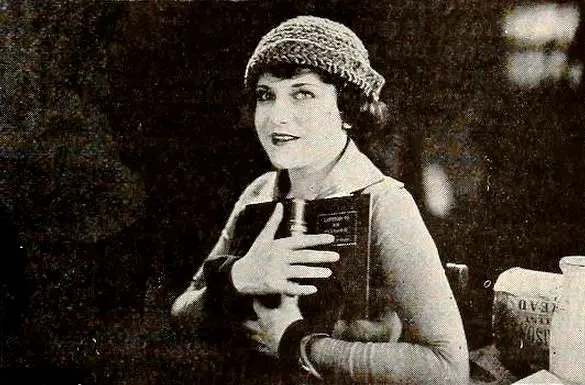
Directorially, the film manages a delicate balance between the shadows of the underworld and the high-key lighting of the Spense estate. The editing during the Chinatown brawl is particularly noteworthy for its rhythmic intensity, prefiguring the montage techniques that would later be perfected in European cinema. The use of intertitles is sparse but effective, allowing the actors' expressions—particularly Dana’s expressive, saucer-like eyes—to carry the emotional weight.
In comparing The Microbe to other films of its year, such as the action-oriented Arizona or the comedic Judy Forgot, one notices a unique blend of pathos and social realism. While Maciste poliziotto relied on physical prowess and The Death Dance on theatricality, The Microbe relies on the internal transformation of its protagonist. It is a film that understands the performative nature of gender and class, making it a precursor to the more explicit social critiques found in Kampen om barnet.
Ultimately, the resolution of The Microbe is a triumph of the authentic self over social artifice. When Spense realizes that the 'Bianca' he loved was the same 'Mike' he had tried to colonize with his own ideas of femininity, it serves as a moment of profound recognition. The film ends not just with a marriage, but with a reconciliation of identities. Mike does not have to sacrifice her spirit to be loved; she simply has to find a medium where her spirit can be heard without the noise of the streets.
For modern viewers, the film offers a window into a transitional moment in American history—a time when the lines between the 'old world' of Victorian morality and the 'new world' of urban independence were beginning to blur. Viola Dana’s performance remains the sun around which the entire production orbits. Her ability to navigate the transition from a scrappy newsboy to a soulful correspondent is nothing short of miraculous. While films like The Hero of Submarine D-2 provided wartime thrills and The Life and Adventures of John Vane offered frontier lawlessness, The Microbe provided something more intimate: a study of the human heart’s capacity to thrive even in the most inhospitable environments. It is a testament to the power of the silent screen to convey complex psychological truths through the sheer force of a single performer's charisma.
Final Verdict: A sparkling, gritty, and surprisingly poignant gem of the silent era that proves Viola Dana was one of the most versatile stars of her generation. If you are a student of early cinema or simply a lover of well-crafted character studies, this is an essential piece of the puzzle.
IMDb 6.9
1920
Community
Log in to comment.