DbcultAccessing Vault...
Cult Review
Senior Film Conservator
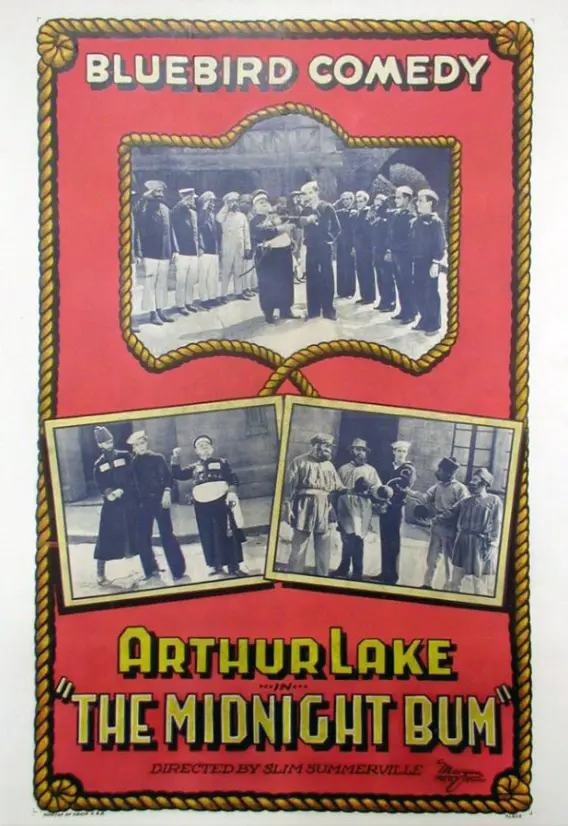
Is The Midnight Bum a lost treasure or a dusty relic? Short answer: It is a fascinating, albeit minor, curiosity for those who value the kinetic energy of late-period silent comedy, but casual viewers might find its simplicity jarring.
This film is for the silent cinema completionist and students of physical comedy who want to see the DNA of future sitcoms. It is definitely NOT for those who require high-definition spectacle or complex, dialogue-driven narratives to stay engaged.
1) This film works because Arthur Lake possesses a unique, elastic physicality that bridges the gap between the frantic silents of the early 1910s and the more structured character-based comedies of the 1930s.
2) This film fails because its narrative is essentially a single joke repeated until the celluloid wears thin, lacking the emotional depth of a Chaplin or the architectural precision of a Keaton.
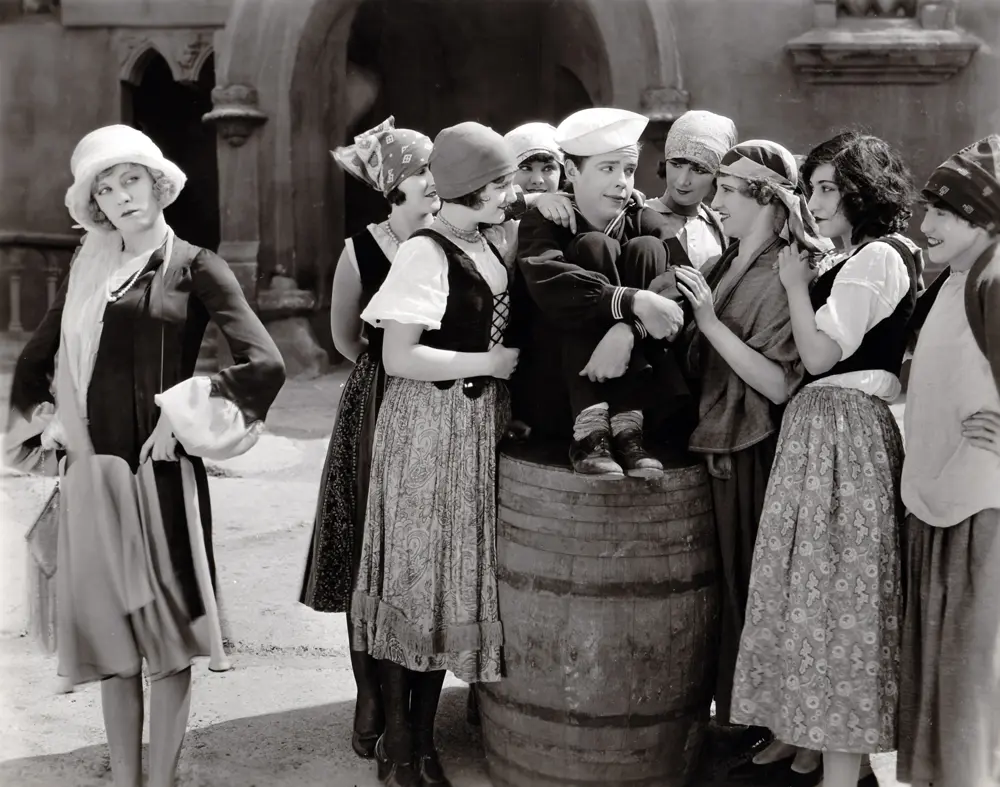
3) You should watch it if you are a fan of 'The Gumps' or 'Blondie' and want to see where Arthur Lake honed the clumsy, endearing persona that would later make him a household name.
Yes, but with caveats. If you approach The Midnight Bum expecting the grand scale of For the Freedom of the World, you will be sorely disappointed. This is a small-scale, intimate comedy that relies entirely on the charisma of its lead.
However, for those interested in the evolution of the 'bum' archetype, it is essential. Unlike the gritty realism found in some European imports of the time, this film treats poverty as a playground for slapstick. It is a light, airy piece of entertainment that demands very little from its audience.
Arthur Lake is the heartbeat of this production. Long before he became the definitive Dagwood Bumstead, Lake was perfecting a style of movement that felt almost liquid. In one particular scene where he attempts to arrange himself on a park bench, his limbs seem to defy the standard laws of skeletal structure.
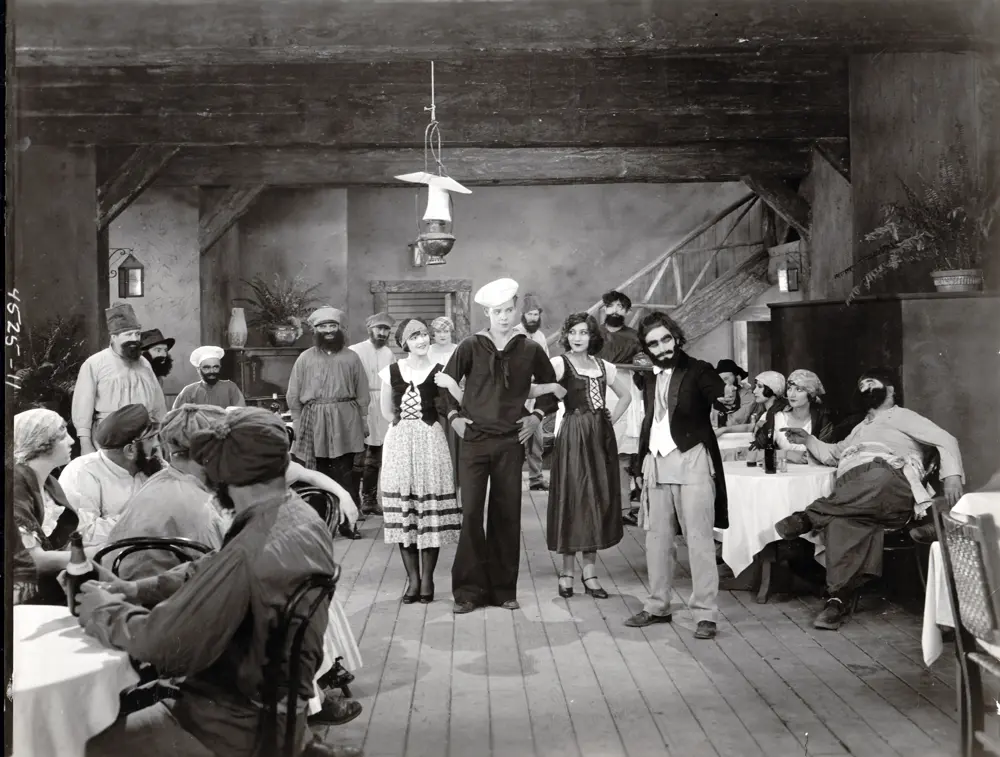
It is a performance of high energy. He doesn't just walk; he bounces. He doesn't just look surprised; his entire face undergoes a tectonic shift. This level of commitment is what saves the film from being entirely forgettable. While his contemporaries were often moving toward more subtle acting as the sound era approached, Lake doubled down on the broadness.
Contrast this with the more grounded performances in films like God's Country and the Law. Where those films sought a certain rugged authenticity, Lake embraces the artifice of the stage. He plays to the back row, even when the camera is inches from his face. It works. But it’s flawed.
The cinematography in The Midnight Bum is functional rather than revolutionary. We see none of the expressionistic shadows that defined Söhne der Nacht, 1. Teil: Die Verbrecher-GmbH. Instead, the lighting is flat and bright, designed to ensure that every finger-wag and eye-roll is visible to the audience.
The pacing, however, is relentless. The director understands that in a short comedy, any moment of stillness is a moment where the audience might stop laughing. The editing cuts are quick, often following the rhythm of the physical gags. For instance, the sequence involving a runaway dog and a bucket of water is timed with a metronomic precision that rivals the best work in Hands Up.
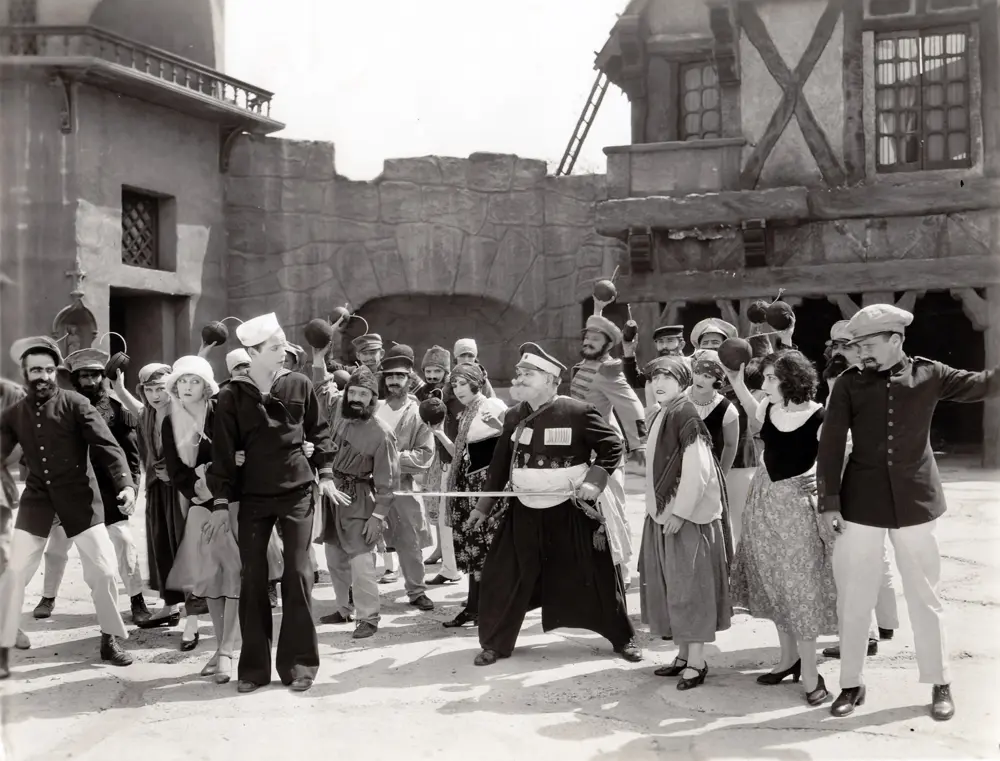
One surprising observation: the film uses the urban environment as a character. The streetlights and alleyways aren't just backdrops; they are obstacles. The way Lake interacts with a simple lamppost suggests a level of rehearsal that modern audiences often take for granted. It is choreographed chaos.
Betty Arthur serves as the necessary anchor to Lake’s buoyancy. In many silent shorts, the female lead was relegated to being a mere prize to be won. Here, she acts as a catalyst for the chaos. Her interactions with Lake provide the few moments of genuine narrative tension the film possesses.
While she doesn't get the big physical payoffs, her reactions are crucial. Comedy is often found in the reaction rather than the action itself. When Lake commits a social faux pas, Betty’s look of horrified realization is what actually cues the audience to laugh. It’s a dynamic we see in other comedies of the era, such as Smith's Baby.
However, I would argue that she is underutilized. There are moments where the film could have explored a more 'two-act' structure, but it consistently returns to Lake’s solo antics. This is a common pitfall of the period—star power often eclipsed ensemble potential.
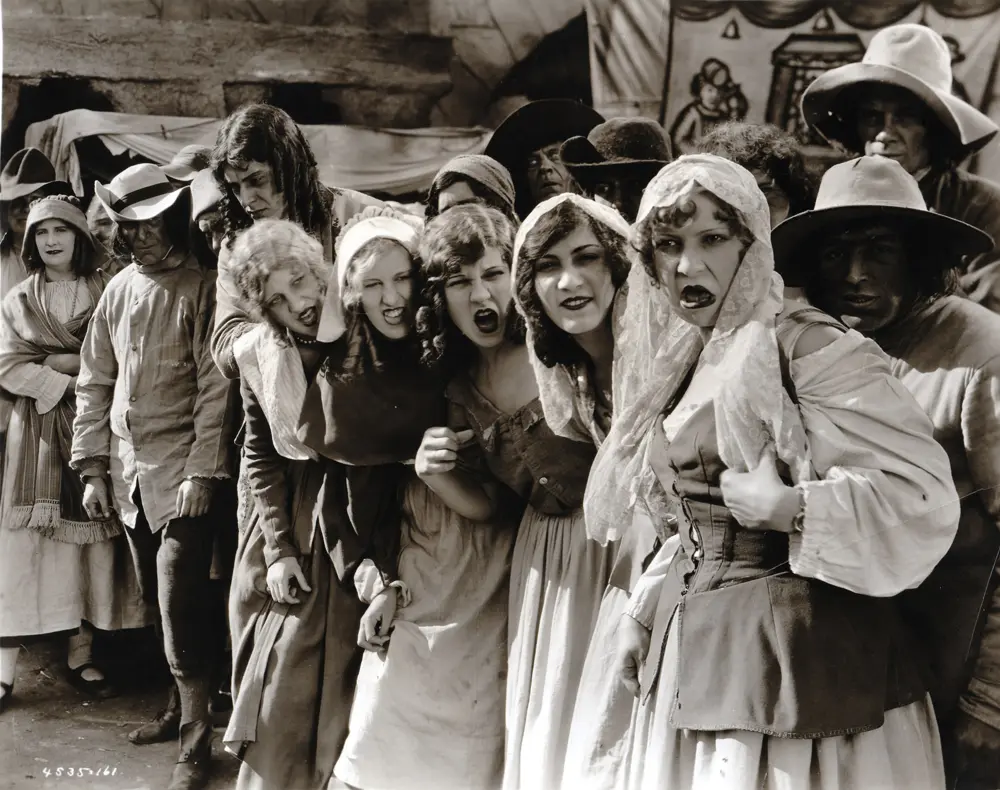
It is interesting to view The Midnight Bum alongside more serious works like Bismarck or Northern Lights. While those films were concerned with national identity and survival, The Midnight Bum is concerned with the immediate, visceral survival of the individual in a confusing world.
There is a certain honesty in its triviality. It doesn't pretend to be high art. It doesn't attempt the social commentary of The Battle of Ballots. Instead, it offers a 15-minute escape into a world where gravity is the only real enemy. This lack of pretension is refreshing, even if the content itself is somewhat thin.
The film lacks the poetic melancholy of La p'tite Lili, choosing instead to lean into the loud and the absurd. It is a loud film for a silent one. You can almost hear the crashes and the shouts through the screen.
Pros:
Cons:
Why was the 'bum' such a popular figure in 1928? As the world stood on the precipice of the Great Depression, the figure of the man with nothing became a vessel for audience anxieties. By making the bum a figure of fun rather than pity, films like this provided a psychological safety valve.
In The Return of Mary, we see themes of social status and belonging, but The Midnight Bum strips these away. The protagonist has no history and no future; he only has the present moment. This existential simplicity is part of the film's enduring, if minor, charm.
Even compared to animal-centric shorts like The Fox and the Crow, there is a primal nature to the comedy here. It is about the body, hunger, and the need for sleep. These are universal themes, even if they are wrapped in the trappings of a 1920s comedy short.
From a technical standpoint, the film is a product of its time. The frame rate is standard for the late silent era, and the print quality—where available—shows the limitations of the era's film stock. However, the use of practical effects is noteworthy. The 'stunt' work, while not as dangerous as what you'd find in Not Built for Runnin', requires a high degree of coordination.
The film’s reliance on intertitles is minimal, which is a testament to the clarity of the visual storytelling. You don't need to read to understand that a man is frustrated by a collapsing chair. This 'pure cinema' approach is something that was lost as the industry moved toward talkies.
The Midnight Bum is a fascinating artifact. It isn't a masterpiece, and it won't change your life, but it serves as a vivid reminder of a lost style of performance. Arthur Lake is a dynamo, and his energy alone carries the film through its thinner moments. If you have twenty minutes to spare and an interest in the history of the laugh, it is a journey worth taking. It is clunky. It is simple. But it is undeniably human.
IMDb —
1924
Community
Log in to comment.