DbcultAccessing Vault...
5.7/10
Senior Film Conservator
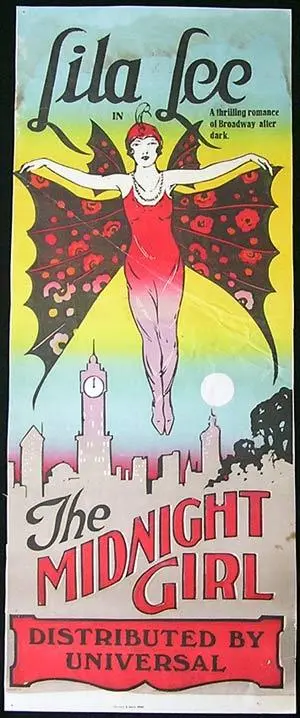
A definitive 5.7/10 rating for a film that redefined the boundaries of cult cinema. The Midnight Girl remains a cornerstone of transgressive art.
"In the flickering silence of the 1920s, Wilfred Noy captures a world where the canvas is stained by the artist's own shadow, and love is the ultimate currency of the corrupt."
The silent era of cinema often suffers from the reductive view that it was merely a primitive precursor to sound, yet The Midnight Girl (1925) stands as a defiant rebuttal. It is a work of intricate moral architecture, directed with a discerning eye by Wilfred Noy. While modern audiences might flock to it for a glimpse of a young Bela Lugosi—here playing Nicholas Harmon with a magnetic, brooding intensity that foreshadows his legendary turn in The Isle of the Dead—the film’s true power lies in its unflinching examination of the New York elite’s spiritual vacuum.
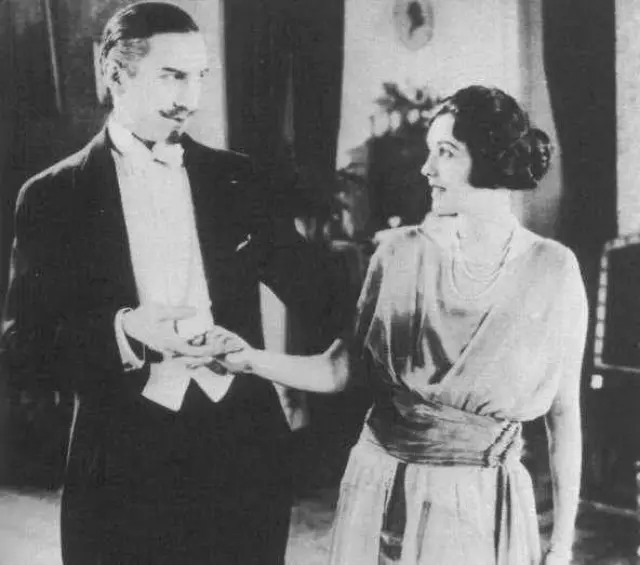
The visual language of The Midnight Girl is one of deliberate contrast. The opulent drawing rooms of the Schuyler estate, dripping with the spoils of an unearned life, stand in stark opposition to the vibrant, albeit dangerous, energy of the cabaret. Much like the societal tensions found in The Branded Woman, Noy uses set design to articulate the internal rot of his characters. Schuyler Schuyler, portrayed with a chilling, stiff-collared arrogance by Sidney Paxton, is a man who views the world through the lens of a ledger. When he encounters Anna (the ethereal Lila Lee), she is not a human being to him, but a masterpiece to be acquired, a rare find that must be kept from the light of common day.
Lila Lee’s performance is a revelation of silent-era nuance. She embodies the 'Midnight Girl' not as a trope, but as a survivor. Her Anna is a woman navigating a landscape of predatory men, utilizing her talent as both a shield and a ladder. There is a sequence in the cabaret—lit with a shimmering, almost spectral quality—that rivals the atmospheric depth of Green Eyes. The camera lingers on her expressions, capturing a mixture of hope and weary calculation that speaks volumes without a single intertitle.
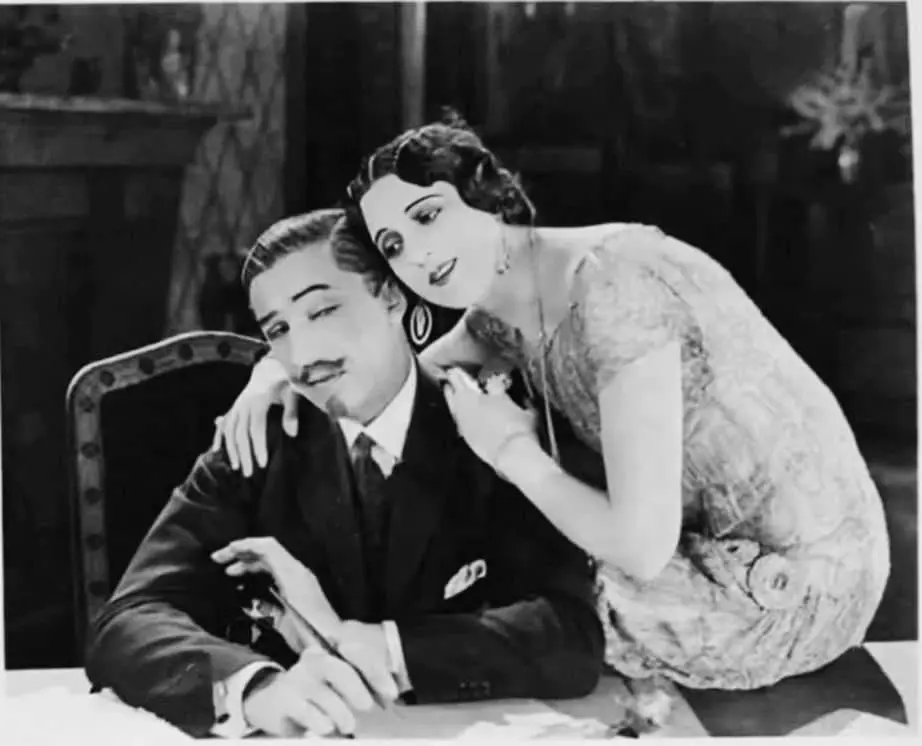
The central conflict—the rivalry between Schuyler and his stepson, Don (Gareth Hughes)—is handled with a surprising lack of melodrama. Instead, it plays out as a psychological chess match. Hughes brings a soft, almost fragile masculinity to the role of Don, making him the perfect foil to Paxton’s rigid patriarch. This generational clash mirrors the broader cultural shifts of the 1920s, where the Victorian values of the old guard were being forcibly dismantled by a youth culture desperate for authenticity. This theme of familial discord and the weight of legacy is a recurring motif in silent dramas, often seen in works like Married in Name Only.
And then, there is Lugosi. To watch him in 1925 is to witness a star in the making. As Nicholas Harmon, he moves with a predatory grace that is impossible to ignore. His eyes, even in the grainy texture of a century-old print, possess a piercing quality that seems to penetrate the fourth wall. While the film is ostensibly about the Schuylers, Lugosi’s presence adds a layer of European mystery and menace that elevates the production. It’s a far cry from the historical grandiosity of Christopher Columbus, yet it possesses a grounded, gritty realism that was rare for its time.
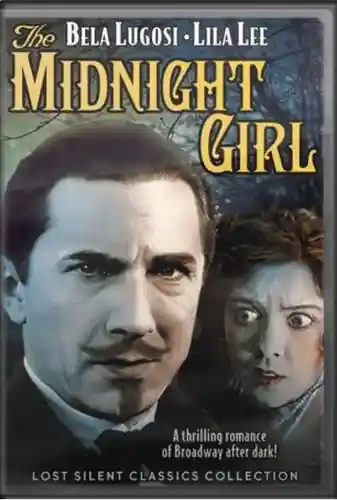
The cinematography in The Midnight Girl is exceptionally sophisticated. The use of shadow to delineate moral ambiguity is masterful. In the scenes where the characters find themselves trapped by their own desires, the lighting narrows, creating a claustrophobic effect reminiscent of the urban thrillers like Trapped by the London Sharks. The film understands the power of the frame; it doesn't just show us the story, it traps us within the emotional architecture of the characters' lives.
Writers Garrett Fort and Wilfred Noy crafted a screenplay that avoids the pitfalls of simple morality. There are no pure heroes here, only people trying to reconcile their needs with the world's demands. This complexity is what keeps the film relevant. It shares a certain DNA with the social critiques of The Shuttle, focusing on the friction between different social strata. The cabaret acts as a microcosm where the high and low meet, a liminal space where the rules of the daylight world no longer apply.
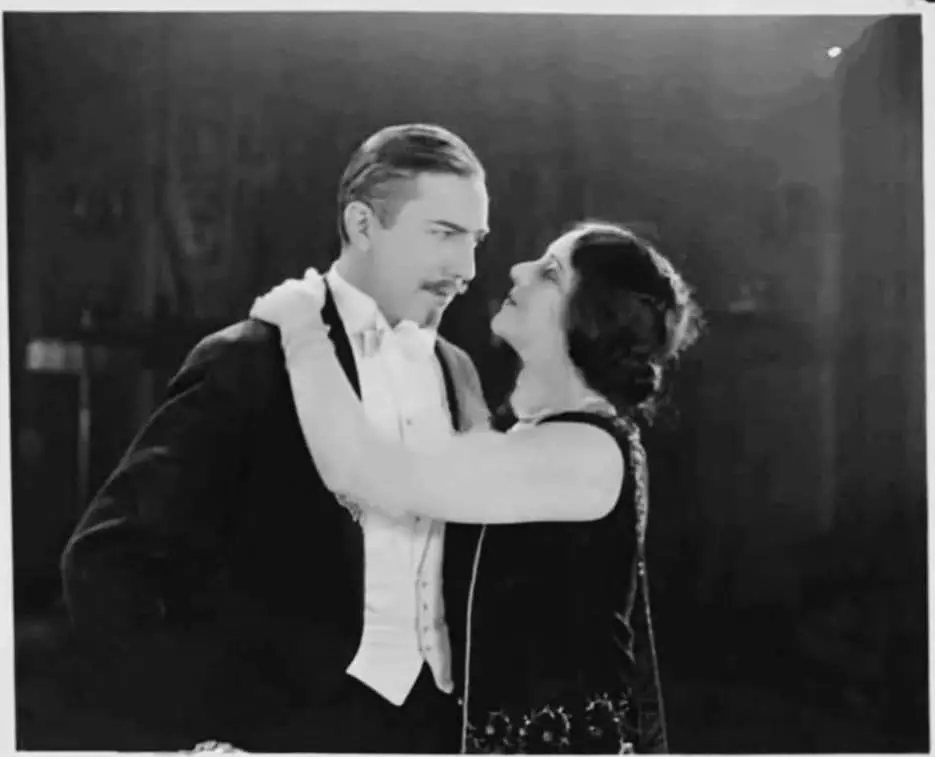
When we look at the broader landscape of 1925 cinema, The Midnight Girl occupies a unique niche. It lacks the slapstick levity of A False Alarm or the sentimental pull of The Runt. Instead, it leans into a darker, more cynical tone that feels surprisingly modern. It is a precursor to the film noir, a genre that would eventually perfect the themes of urban decay and romantic betrayal introduced here. Even the lighter moments, such as the interactions with the supporting cast like Flora Finch, carry an edge of satirical bite.
The film's exploration of obsession also finds echoes in international cinema of the period, such as the Danish drama Syndig Kærlighed. Both films deal with the transgressive nature of desire and the inevitable fallout when social boundaries are crossed. However, The Midnight Girl is uniquely American in its focus on the 'art of the deal'—the idea that everything, including love and beauty, can be brokered. It captures the frantic, gold-digging energy of Broadway Gold but strips away the glitter to show the rust beneath.
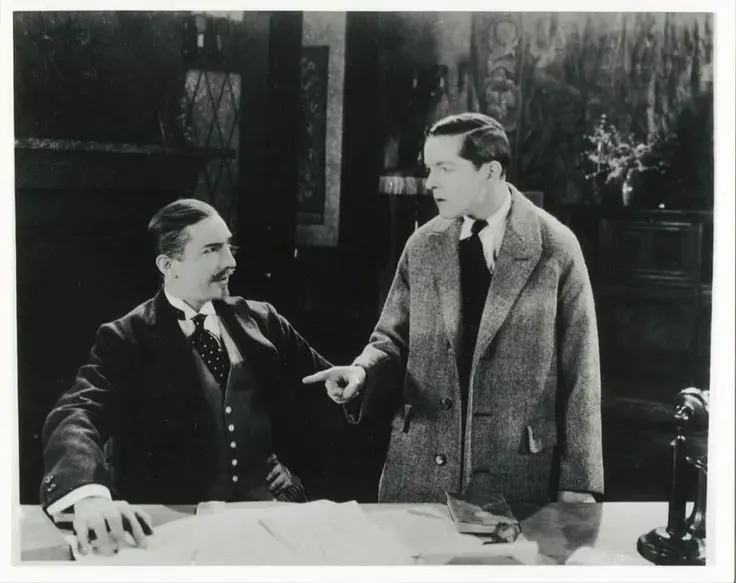
Wilfred Noy’s direction is characterized by a remarkable patience. He allows the tension between Schuyler and Don to simmer, building slowly through a series of subtle glances and physical posturing. The editing is equally impressive, utilizing cross-cutting to highlight the parallel lives of the characters—the father in his sterile study, the son in the chaotic beauty of the cabaret. This technique creates a rhythmic pulse that drives the narrative forward, avoiding the static feel that plagued many lesser films of the era, such as Seven Bald Pates.
The film also benefits from a diverse supporting cast. John D. Walsh and Dolores Cassinelli provide essential texture to the world, making the New York of 1925 feel like a lived-in, breathing entity rather than a series of stage sets. This attention to detail—the way a background character reacts to a singer, the specific clutter of an artist's studio—is what separates a masterpiece from a mere product. It has the organic, observational quality of In a Naturalist's Garden, though applied to the human jungle rather than the floral one.
Nearly a century later, The Midnight Girl remains a potent piece of cinema. It is a reminder that the themes of corruption, desire, and the search for identity are timeless. While it doesn't possess the overt spiritualism of Sadhu Aur Shaitan, it offers its own kind of secular parable. It warns us of the dangers of commodifying beauty and the inevitable tragedy that occurs when we treat people as possessions.
In the pantheon of silent film, it may not have the name recognition of a Murnau or a Lang, but Wilfred Noy’s work here is essential viewing for any serious cinephile. It is a film of shadows, both literal and metaphorical, where the light of the 'Midnight Girl' serves as the only beacon in a world of profound darkness. It is a gritty, beautiful, and haunting exploration of the human condition that refuses to provide easy answers. In a world of Loose Lions and ephemeral distractions, The Midnight Girl remains a solid, enduring monument to the power of silent storytelling.
Final Rating: A Haunting Masterpiece of Silent Cinema

IMDb —
1924
Community
Log in to comment.