Summary
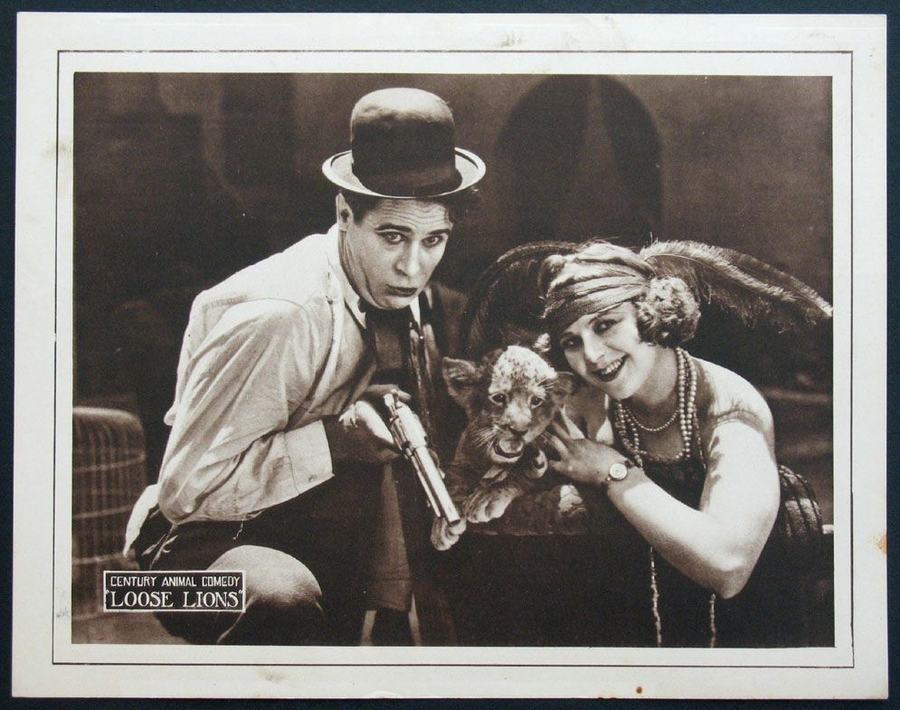
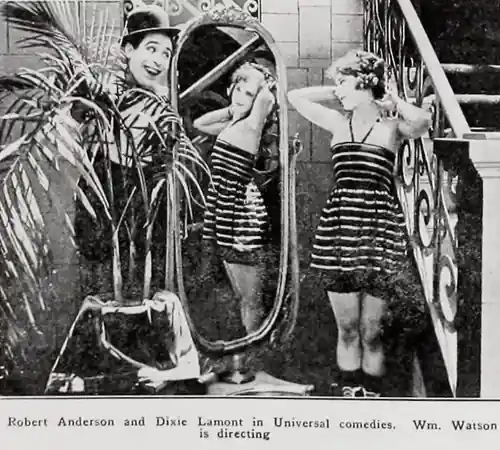
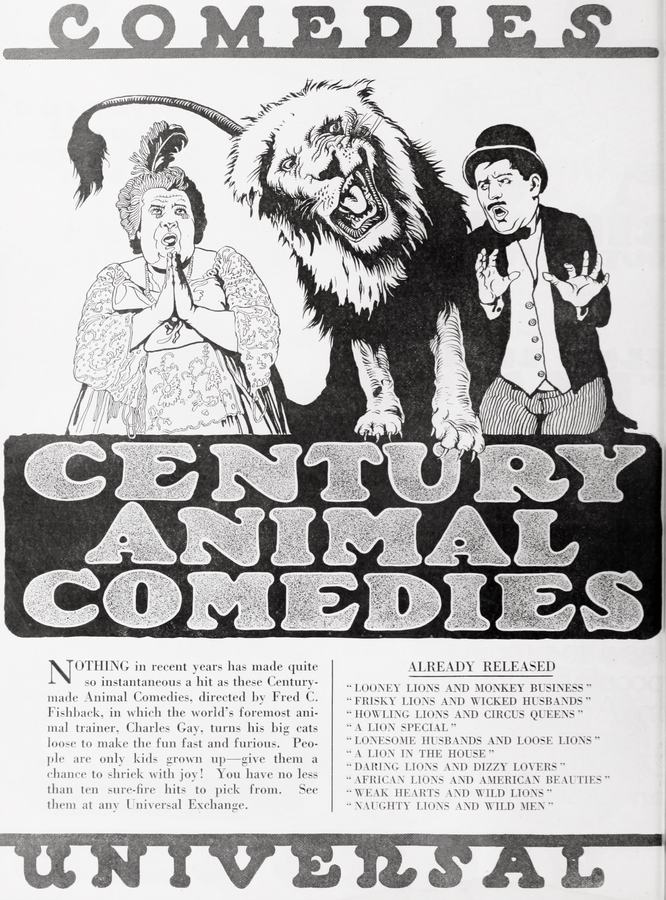
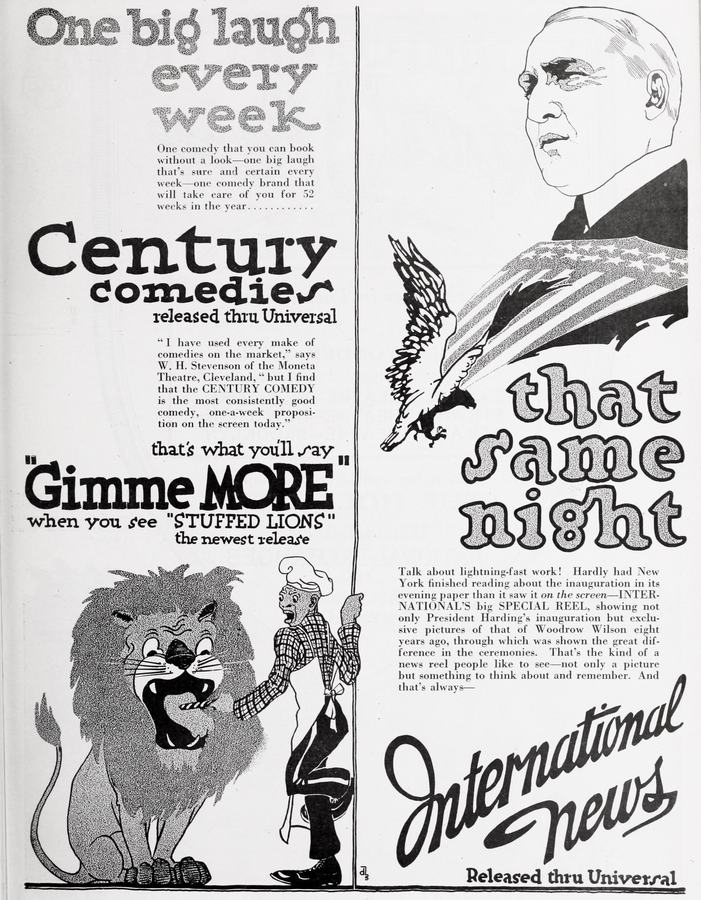
In a city that never truly sleeps but merely blinks, a pride of out-of-work circus lions—manes matted with neon dust and memories of sawdust kingdoms—roam the alleyways after midnight, having slipped a cage rendered flimsy by austerity and rust. Their human mirror is Robert Anderson’s itinerant conjurer, a street prestidigitator whose sleight-of-hand has lost its clientele to talkies and gin joints; he barters card tricks for canned sardines, sharing the spoils with the escaped cats while haunted by Dixie Lamont’s torch-singer, a chanteuse whose voice once spilled like cognac over velvet booths and now crackles through a single tinny radio in a boarded-up speakeasy. Paul Bara’s shutterbug chronicler dogs their every paw-print, flash-bulbs popping like magnesium memories, convinced this motley symbiosis—man, beast, and fading song—will sell headlines to a public starved for pre-Depression wonder. William Watson’s script stitches vignettes into a patchwork fever-dream: the lions nap in deserted streetcars that rattle like empty promises, Anderson rehearses vanished applause in puddles that reflect only guttering moonlight, and Lamont rehearses a comeback that will never come, her satin gown fraying into spectral streamers. When authorities close in, the pride disperses into fog, leaving behind a single cracked top-hat and the lingering musk of wildness that no metropolis can deodorize; the camera lingers on a graffiti scrawl—"We were here"—as if the city itself had dared to dream of freedom and woke up coughing soot.
Review Excerpt
"
William Watson’s Loose Lions is less a narrative than a nocturnal infection: once seen, the image of apex predators padding past drugstore marquees rewires your synapses until every after-dark siren sounds like a growl. Shot on shoestring sets flanked by authentic Newark backlots, the picture leaks grime the way later urban noirs leak rain; its very frugality becomes aesthetic ideology—cracked asphalt, flaking playbills, and sodium streetlamps smeared into butterscotch halos by primitive lenses..."